Key Takeaways
- Kerala’s backwaters are embracing a significant eco-tourism surge in 2026, offering travellers unique monsoon experiences beyond the usual.
- Expect a focus on sustainable practices, from biodegradable houseboat materials to community-led conservation efforts, enhancing your travel footprint.
- New curated experiences, including monsoon-specific Ayurvedic treatments and artisanal village tours, promise deeper cultural immersion.
- Expect enhanced digital integration for booking and local insights, making planning your serene backwater escape more seamless than ever.
The Greening of the Backwaters: Kerala’s 2026 Eco-Conscious Evolution
Kerala’s famed backwaters, a labyrinth of interconnected canals, lakes, and lagoons, are undergoing a profound transformation. As we navigate 2026, the narrative is shifting dramatically from conventional tourism to a vibrant eco-conscious movement. This isn’t just about preserving the natural beauty; it’s about actively enhancing it and ensuring a sustainable future for this delicate ecosystem. You’ll find that your travel choices now have a more direct and positive impact.
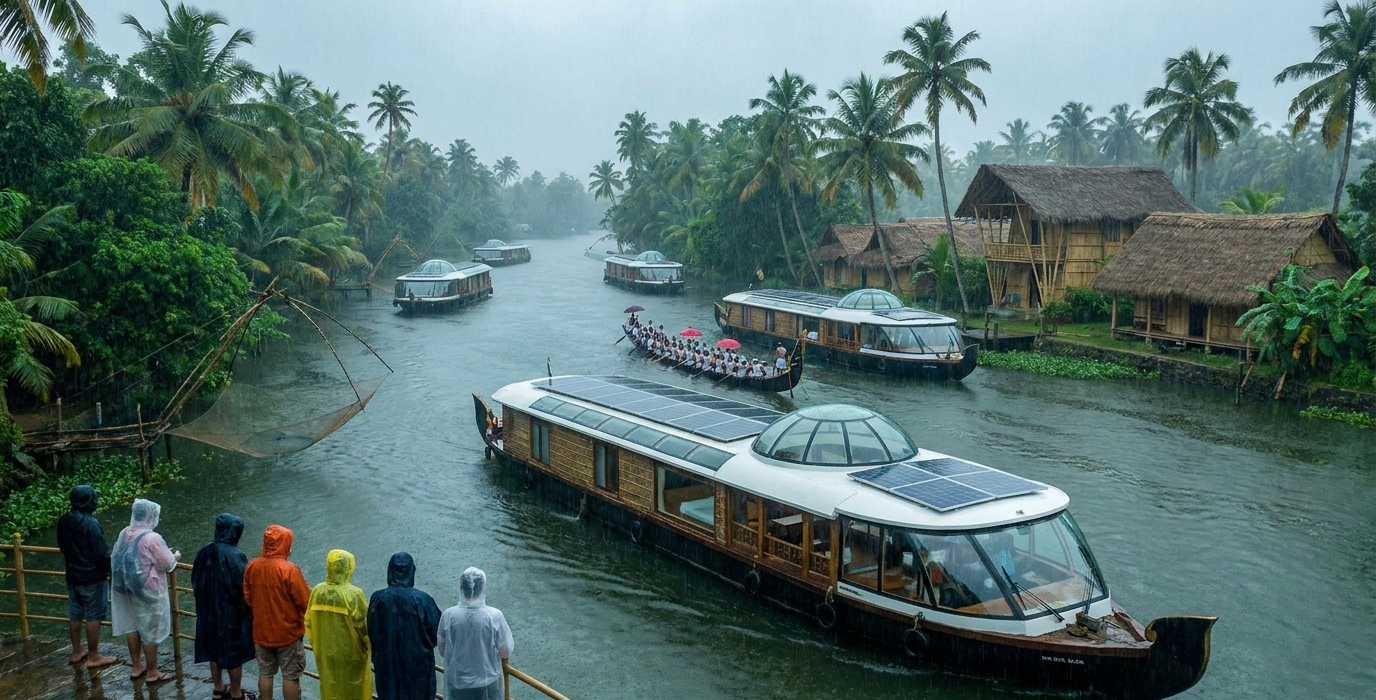
The shift is palpable, with many houseboat operators and homestay owners embracing sustainable materials and waste management practices. Expect to see more solar-powered boats gliding through the serene waters, a significant step towards reducing the carbon footprint of your journey. This green revolution is not an optional add-on; it’s becoming the core of the backwater experience. The state government, in collaboration with local communities and environmental organisations, is heavily investing in initiatives that protect biodiversity and promote responsible tourism. This ensures that the magic of the backwaters remains for generations to come.
One surprising development is the rise of “waste-to-wealth” initiatives integrated into tourism. For instance, certain resorts are composting organic waste from guest meals to fertilise their own gardens, creating a closed-loop system. This level of integration shows a deep commitment to sustainability that goes beyond mere platitudes. It’s about tangible actions that you can see and appreciate during your stay, making your vacation guilt-free and truly restorative.
Monsoon’s Embrace: A Different Kind of Backwater Bliss
For years, the monsoon season in Kerala was often perceived as a time to avoid. However, 2026 marks a turning point, with the rains being actively promoted as a prime attraction. The landscape transforms into an emerald paradise, with every leaf glistening and the air alive with the scent of petrichor. This is when the backwaters truly come into their own, offering a spectacle of nature’s rejuvenation that is both dramatic and deeply serene. You’ll experience a Kerala that few tourists get to see.
The water levels rise, creating new channels and expanding the existing ones, offering unique perspectives for houseboat cruises. Imagine drifting through flooded paddy fields, the vibrant green stretching to the horizon, or witnessing local life adapting to the rhythm of the rains. This is a photographer’s dream and a nature lover’s ultimate escape. The usual summer heat gives way to a pleasant coolness, making exploration more comfortable and enjoyable.
Furthermore, the monsoon season is intrinsically linked to Kerala’s rich Ayurvedic traditions. Many centres offer special monsoon wellness packages, believing that the atmospheric conditions are ideal for detoxification and rejuvenation therapies. This is a unique opportunity to immerse yourself in ancient healing practices while surrounded by the tranquil beauty of the rain-kissed backwaters. The increased humidity is believed to enhance the absorption of herbal oils, making treatments particularly effective.
Sustainable Stays: Beyond the Traditional Houseboat
While the iconic houseboat remains a beloved way to explore, 2026 sees a burgeoning trend in eco-lodges and community-run homestays scattered along the backwaters. These establishments are leading the charge in sustainable accommodation. They often utilise local, renewable materials in their construction and operate with minimal environmental impact. You’ll find that staying here offers a more intimate connection with the local culture and environment.
Expect to find innovative designs that blend seamlessly with the natural surroundings. Many homestays are built on stilts to minimise their footprint on the land, and their energy needs are often met through solar power. Waste management is a top priority, with composting and recycling systems in place. You might even participate in learning about these practices, further deepening your understanding of sustainable living.
The emphasis is on authenticity and minimal disruption. These aren’t just places to sleep; they are gateways to understanding the local way of life. Many offer farm-to-table dining experiences, using ingredients sourced directly from their organic gardens or local farmers. This approach not only supports the local economy but also ensures you enjoy the freshest, most flavourful cuisine. It’s a far cry from the standardised offerings of larger resorts, offering a truly personalised and responsible travel experience.
Community-Led Conservation: Empowering Local Voices
A significant and heartening development in Kerala’s backwaters for 2026 is the increasing empowerment of local communities in conservation efforts. For too long, the decisions about these vital ecosystems were made by external bodies. Now, the people who live and work along the backwaters are at the forefront of protecting them. Their traditional knowledge and deep understanding of the environment are proving invaluable.
You’ll encounter numerous initiatives where villagers are actively involved in maintaining the health of the waterways, managing waste, and educating tourists about responsible behaviour. This can include community-led clean-up drives, the establishment of local eco-tourism committees, and the promotion of traditional fishing practices that are sustainable. Their involvement ensures that tourism benefits the local population directly, fostering a sense of ownership and pride in their natural heritage.
A particularly inspiring example is the rise of women’s self-help groups taking charge of managing small eco-tourism projects. They are often running homestays, offering cooking classes that showcase local cuisine, and guiding nature walks. This not only provides them with economic independence but also ensures that their voices are heard in the preservation of their ancestral lands. It’s a powerful model of development that puts people and planet first, creating a more resilient and equitable tourism sector.
Artisanal Trails and Culinary Discoveries: Beyond the Usual Sightseeing
The 2026 tourism landscape in Kerala’s backwaters is also focusing on enriching your experience through deeply cultural and sensory explorations. Forget the fleeting glimpses; we’re talking about immersive journeys into the heart of local crafts and flavours. You can now delve into the world of coir making, witness the intricate art of weaving, or learn the secrets behind traditional Kerala cuisine directly from the artisans and cooks themselves.
Imagine spending an afternoon with a coir craftsman in Alappuzha, understanding the entire process from coconut husk to finished product, perhaps even trying your hand at it. Or join a local family in Kumarakom for a hands-on cooking session, mastering the nuances of preparing a traditional Sadya or a spicy fish curry using fresh backwater catch. These aren’t staged performances; they are genuine opportunities to connect and learn.
This focus on artisanal trails and culinary discoveries is a deliberate move to showcase the rich cultural tapestry of the region beyond its natural beauty. It provides a more meaningful and memorable experience for travellers, allowing you to take home not just souvenirs, but skills and stories. It also directly supports local artisans and food producers, ensuring that tourism contributes to the preservation of these valuable traditions. The surprising depth of these craft traditions, often passed down through generations with intricate techniques, is something you’ll find truly captivating.
Digital Detox and Digital Delights: Navigating the Connected Backwaters
In 2026, the Kerala backwaters offer a unique duality: the promise of a true digital detox coupled with surprising digital enhancements for a smoother experience. While the allure of disconnecting is strong, technology is also being harnessed to make your journey more informed and accessible. You can choose your adventure, whether it’s unplugging completely or leveraging digital tools for greater convenience.
Many eco-lodges and homestays are actively promoting “digital detox zones,” encouraging guests to leave their devices behind and fully immerse themselves in nature. Imagine evenings spent stargazing from your houseboat, listening to the gentle lapping of waves, or engaging in meaningful conversations without the distraction of notifications. This mindful approach to travel is becoming increasingly popular.
Conversely, for those who prefer a blend of relaxation and connectivity, you’ll find improved mobile network coverage in many areas and a growing number of platforms offering seamless online booking for homestays, guided tours, and unique experiences. Apps are emerging that provide real-time information on local events, weather updates, and even translations for interacting with locals. This intelligent integration ensures you can stay connected when you need to, without compromising the serene atmosphere of the backwaters. For instance, you can use a local app to book a traditional canoe ride with a village elder, ensuring fair pricing and direct support.
“The true magic of Kerala’s backwaters in 2026 lies not just in their serene beauty, but in the mindful integration of sustainability, community empowerment, and authentic cultural experiences that allow travellers to connect deeply with the land and its people.”
Frequently Asked Questions
What are the best times to visit Kerala’s backwaters in 2026?
While the backwaters are beautiful year-round, the monsoon season (June to September) is now a prime attraction for its lush greenery and unique atmosphere. The post-monsoon period (October to February) offers pleasant weather and clear skies, ideal for general exploration. The summer months (March to May) can be hot but are less crowded.
How has eco-tourism impacted the backwaters?
Eco-tourism in 2026 has significantly boosted conservation efforts by funding local initiatives, promoting responsible waste management, and encouraging the use of sustainable transport like solar-powered boats. It also provides economic benefits directly to local communities, fostering a sense of stewardship for the environment.
Are there still traditional houseboats available in 2026, and are they eco-friendly?
Yes, traditional houseboats are very much available and remain a popular choice. Many operators are now investing in making them more eco-friendly by adopting cleaner fuel, improving waste disposal systems, and using sustainable materials. Look for operators that highlight their green certifications or practices.
What are some unique cultural experiences I can have in the backwaters beyond boat rides?
You can participate in hands-on coir-making workshops, learn traditional Kerala cooking from local families, visit and support women’s self-help groups running eco-tourism projects, explore artisanal trails showcasing local crafts, and attend cultural performances. The focus in 2026 is on deeper immersion and learning directly from the community.