Key Takeaways
- Goa’s backwaters offer a serene alternative to its famous beaches, focusing on eco-luxury stays for 2026.
- These retreats prioritize sustainability, integrating with local communities and preserving natural habitats.
- Expect unique experiences like kayaking through mangroves, organic farm-to-table dining, and wellness programs.
- Bookings for peak seasons in 2026 are advised well in advance due to growing demand for responsible travel.
Embracing the Emerald Embrace: Goa’s Evolving Eco-Luxury Scene
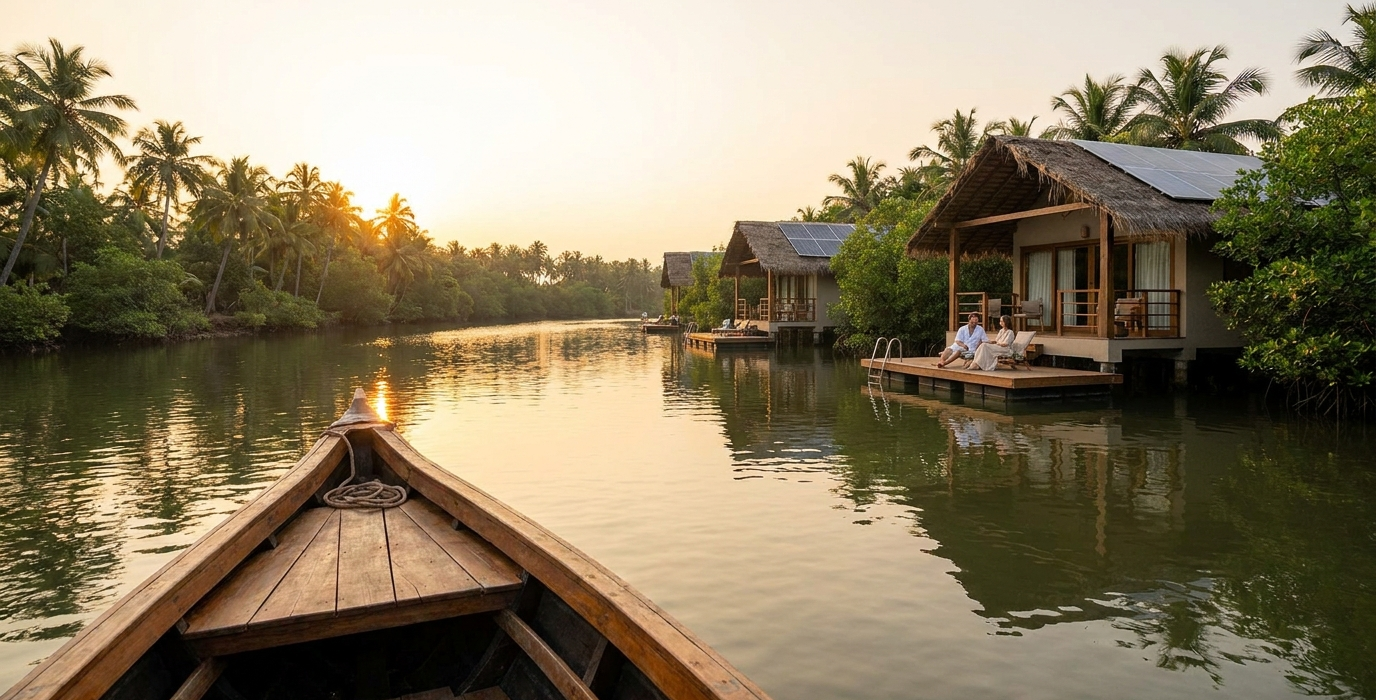
While Goa’s sun-kissed beaches and vibrant nightlife have long captured global attention, a quieter, greener revolution is unfolding along its tranquil backwaters. For the discerning traveller in 2026, seeking respite from the crowds and a deeper connection with nature, these emerald waterways present an unparalleled escape. Imagine waking to the gentle lapping of water against your villa, the air alive with birdsong, and the promise of a day filled with mindful exploration. This isn’t just a holiday; it’s an immersion into a world where luxury harmoniously coexists with ecological responsibility.
We’re seeing a significant shift in how travellers approach their Goan sojourn. The focus is moving beyond mere relaxation to experiential travel that respects and rejuvenates the environment. These eco-luxury stays are meticulously designed to minimize their footprint, often utilizing solar power, rainwater harvesting, and waste management systems that would make any environmentalist proud. They are gateways to understanding the delicate ecosystems of the mangroves and the vibrant cultural tapestry of the riverside communities. Prepare to be captivated by a Goa you might not have known existed, a sanctuary of peace and sustainable indulgence.
The Rise of the Riverine Retreat: Where Sustainability Meets Serenity
The backwaters, particularly around areas like Dona Paula, Nerul, and Aldona, are rapidly becoming the epicentre of Goa’s burgeoning eco-luxury tourism. These are not your typical resorts; they are thoughtfully curated havens that blend seamlessly with their surroundings. Many properties are built using traditional Goan architecture, incorporating local materials like laterite stone and coconut wood, ensuring a minimal visual and environmental impact. You’ll find that the design philosophy here is about ‘less is more’, focusing on natural light, ventilation, and an open-air aesthetic that invites the outside in.
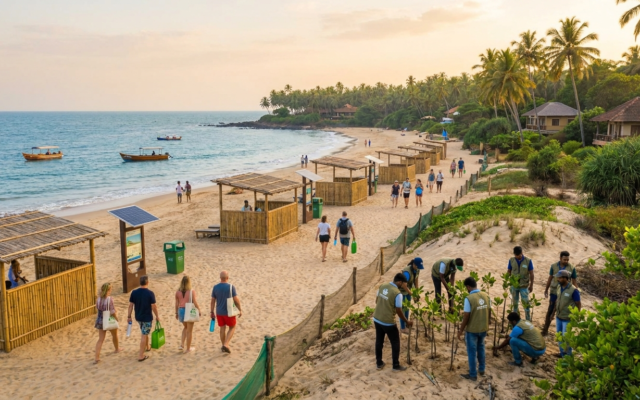
What truly sets these retreats apart is their unwavering commitment to sustainability. We’ve observed initiatives ranging from extensive organic farming on-site to support for local artisans and fishermen. Some resorts actively participate in mangrove restoration projects, allowing guests to contribute directly to conservation efforts. This holistic approach means your stay directly benefits the local economy and environment. The experience is about more than just comfort; it’s about conscious living, offering you a chance to disconnect from the digital noise and reconnect with the rhythms of nature and community.
One surprising aspect we’ve uncovered is the innovative use of biomimicry in the design of some of these new structures. For instance, certain roof designs are inspired by termite mounds to regulate internal temperatures passively, drastically reducing the need for air conditioning. This level of thoughtful engineering, combined with a deep respect for local building wisdom, is defining the future of sustainable hospitality in Goa.
Immersive Experiences: Beyond the Horizon of Typical Tourism
Your days in Goa’s backwaters are designed to be as enriching as they are relaxing. Forget the crowded beach shacks; here, your adventures are intimate and deeply connected to the environment. Imagine starting your morning with a silent kayak expedition through the dense mangrove forests, the only sounds being the dip of your paddle and the calls of exotic birds. These guided tours often highlight the incredible biodiversity of the region, explaining the crucial role mangroves play in protecting the coastline and supporting marine life.
The culinary journey at these eco-stays is another highlight. You’ll experience true farm-to-table dining, with ingredients sourced from their own organic gardens or from local farmers. Expect fresh, seasonal Goan delicacies prepared with traditional recipes, often with a modern, healthy twist. Many establishments offer cooking classes where you can learn to prepare these authentic dishes yourself, a skill you can take back home. We’ve seen menus that proudly feature ingredients like local kokum, fresh seafood caught daily, and an array of aromatic spices unique to the Konkan coast.
Beyond the natural exploration, many retreats offer wellness programs that draw from ancient Indian traditions. Think yoga sessions overlooking the tranquil waters, Ayurvedic massages using locally sourced oils, and meditation workshops designed to promote inner peace. These experiences are crafted to leave you feeling not just refreshed, but truly revitalized. It’s about holistic well-being, where the environment, food, and mindful practices all contribute to a profound sense of rejuvenation.
Community Connection: Empowering Local Voices and Traditions
A cornerstone of Goa’s eco-luxury backwater experience is its genuine commitment to community integration. These establishments understand that true sustainability extends beyond environmental protection to encompass social and economic well-being for the local populations. You’ll find that many resorts actively employ individuals from nearby villages, providing them with training and fair wages, thereby fostering economic empowerment. This creates a vibrant exchange, where guests get to interact with and learn from the people who are the custodians of this land.
We’ve seen numerous initiatives where the resorts partner with local artisans, showcasing and selling their handcrafted goods. This provides a vital market for traditional crafts, ensuring that these skills are preserved and passed down through generations. Whether it’s intricate pottery, woven textiles, or carved wooden artefacts, your purchases directly support these artisans and their families. It’s a beautiful way to bring a piece of Goan culture home with you, knowing it was made with passion and skill.
Furthermore, many eco-lodges facilitate authentic cultural exchanges. This can range from village walks where you witness daily life unfold, to participating in local festivals or learning about traditional fishing techniques. These aren’t staged performances; they are genuine glimpses into the lives and traditions of the Goan people. This fosters a deeper appreciation for the culture and strengthens the bond between visitors and the host community. For example, some resorts have even helped fund local schools or healthcare initiatives, demonstrating a profound commitment to the long-term prosperity of the region.
Navigating Your Eco-Luxury Stay: Planning and Booking for 2026
As the popularity of responsible tourism continues to surge, planning your eco-luxury escape to Goa’s backwaters in 2026 is crucial. These unique properties, often smaller and more intimate, tend to book up well in advance, especially during peak seasons like the winter months (November to February) and the shoulder seasons of October and March. We advise you to start your research and make reservations at least six to nine months ahead of your intended travel dates to secure your preferred choice.
When choosing your stay, look for certifications or clear statements regarding their sustainability practices. Do they have rainwater harvesting? Are they solar-powered? Do they have a robust waste management system? Most importantly, how do they engage with and support the local community? Websites of these properties usually detail their eco-initiatives, and reading recent guest reviews can offer valuable insights into their real-world impact. Don’t hesitate to reach out to the properties directly with any specific questions you might have about their environmental policies or community engagement programs.
Prices can vary significantly based on the level of luxury, the exclusivity of the location, and the amenities offered. However, you can generally expect a mid-range eco-luxury stay to cost between ₹15,000 to ₹30,000 per night for a double occupancy room during the high season. High-end, more secluded villas with private plunge pools and dedicated staff can easily exceed ₹50,000 per night. It’s an investment in an experience that offers not just comfort and beauty, but also the profound satisfaction of travelling responsibly. Booking directly with the resort might sometimes offer exclusive packages or discounts, so it’s worth exploring that option too.
The Future is Green: Why Eco-Luxury is the Way Forward in Goa
The shift towards eco-luxury in Goa’s backwaters isn’t just a trend; it’s a fundamental reimagining of what a holiday can and should be. For 2026, travellers are increasingly seeking experiences that align with their values, prioritizing destinations that demonstrate a genuine commitment to preserving natural beauty and supporting local communities. These backwater retreats are at the forefront of this movement, offering a compelling alternative to mass tourism.
By choosing these sustainable options, you become an active participant in conservation. Your tourism dollars directly contribute to protecting fragile ecosystems like the mangroves, which are vital for biodiversity and coastal resilience. You also play a role in empowering local communities, ensuring that the benefits of tourism are shared equitably and traditions are respected. This creates a virtuous cycle where responsible travel leads to better preservation and more authentic cultural experiences for everyone involved.
“The true luxury of the future lies not in opulence, but in authenticity and a deep respect for the planet and its people.”
As more discerning travellers discover the serene beauty and meaningful experiences offered by Goa’s backwaters, the demand for these eco-conscious accommodations will only continue to grow. This encourages more businesses to adopt sustainable practices, further solidifying Goa’s position as a leader in responsible tourism. Embracing this green wave means you’re not just having a wonderful holiday; you’re contributing to a more sustainable and equitable future for one of India’s most beloved destinations. We are witnessing the dawn of a new era in Goan travel, one that promises peace, purpose, and profound connection.
Frequently Asked Questions
What are the best months to visit Goa’s backwaters for eco-tourism?
The ideal months to visit Goa’s backwaters for eco-tourism are typically from October to March. During this period, the weather is pleasant with lower humidity and minimal rainfall, making it perfect for outdoor activities like kayaking, bird watching, and exploring mangrove trails. The monsoon season (June to September), while lush and green, can make certain backwater activities challenging due to heavy rains and strong currents.
Are eco-luxury stays in Goa’s backwaters suitable for families?
Yes, many eco-luxury stays in Goa’s backwaters are very suitable for families, offering a safe and enriching environment. They often provide activities like nature walks, birdwatching tours, and opportunities to learn about local flora and fauna that can be educational and fun for children. Some resorts also offer family-friendly accommodation options and may have pools or quiet areas for relaxation. The focus on nature and community provides a unique learning experience beyond typical beach holidays.
What kind of wildlife can I expect to see in Goa’s backwaters?
You can expect to see a rich variety of wildlife in Goa’s backwaters. Common sightings include numerous bird species like kingfishers, egrets, herons, and migratory birds during the cooler months. You might also spot monkeys, otters, and various reptiles such as monitor lizards and non-venomous snakes. The mangroves themselves are crucial habitats for many crustaceans and fish species, which in turn support the birdlife.
How do these eco-stays contribute to the local economy?
Eco-stays contribute significantly to the local economy by prioritizing local employment, sourcing produce from nearby farms, and supporting local artisans and craftspeople. They often invest in community development projects, such as improving local infrastructure or supporting education and healthcare initiatives. By encouraging responsible tourism, they also help preserve the natural and cultural heritage that attracts visitors in the first place, ensuring long-term economic benefits for the region.