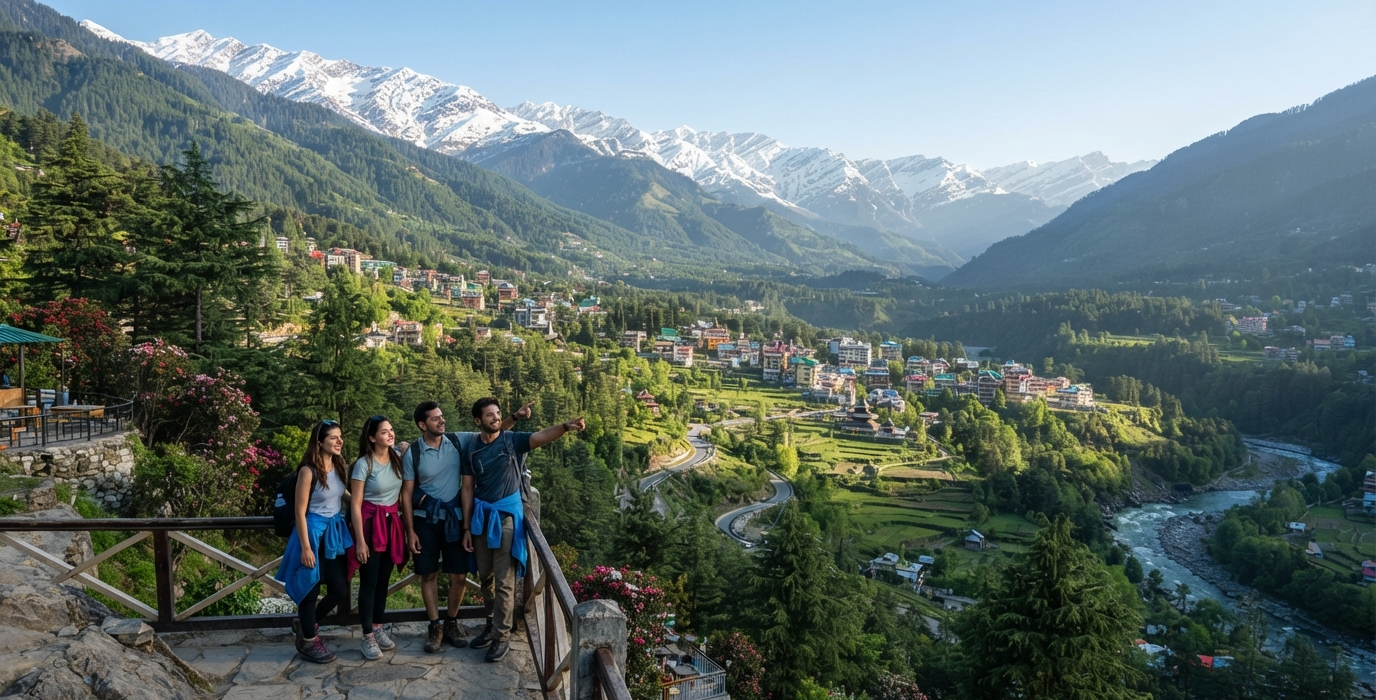
As temperatures in Delhi soar towards 45 degrees Celsius next June, the scorched pavements of Connaught Place will make a quick escape to the Himalayas feel less like a luxury and more like a survival necessity. Planning your summer retreat now allows you to secure the best homestays in the Kumaon and Garhwal regions before the peak-season rush drives prices to record highs.
Key Takeaways
- Book your mountain accommodation at least six months in advance to avoid the June surge in tourist traffic.
- Focus on high-altitude destinations above 2,000 meters to ensure significantly cooler temperatures than the plains.
- Utilize the Indian Railway Catering and Tourism Corporation network for reliable connectivity to mountain railheads.
- Prepare for unpredictable weather by packing moisture-wicking layers and lightweight rain gear for early monsoon showers.
The Science of Altitude and Your Summer Comfort
When you plan a trip from Delhi in June, the most critical factor is altitude. While places like Mussoorie are beautiful, their popularity often leads to massive traffic jams on the Mall Road, turning a relaxing break into a stressful commute. To truly escape the heat, you must look for destinations that sit at a higher elevation, where the mercury rarely climbs above 22 degrees Celsius even at the peak of the afternoon.
Did you know that for every 1,000 meters of elevation gain, the temperature typically drops by about 6.5 degrees Celsius? This is why choosing a destination like Munsiyari over a lower-altitude hill station can feel like stepping into an entirely different climate zone. You are not just buying a view; you are buying a functional cooling system for your body.
Before you finalize your itinerary, check the official India Meteorological Department seasonal outlook to understand broader weather patterns. While June is generally pleasant, the onset of the pre-monsoon winds can occasionally bring sudden storms. Being prepared with a flexible itinerary is the hallmark of a savvy traveler who values comfort over a rigid schedule.
1. Munsiyari: The Gateway to the High Himalayas
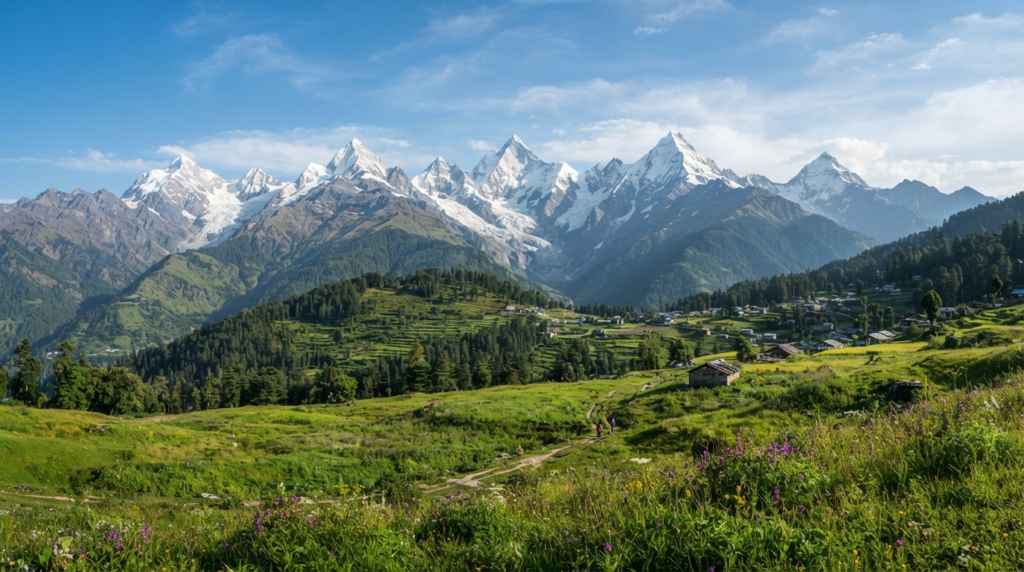
If you crave solitude, Munsiyari is your best bet. Located in the Pithoragarh district of Uttarakhand, this hidden gem sits at an altitude of approximately 2,200 meters. It serves as the base for the Milam and Ralam glacier treks, offering views that make the long drive from Delhi feel like a minor inconvenience.
The journey involves a scenic drive through the Kumaon region, passing through Almora and Chaukori. Because it is farther from Delhi than popular spots like Nainital, you will find fewer crowds and a more authentic local experience. The air here is crisp, thin, and remarkably clean, providing a stark contrast to the smog-heavy air of the capital.
For those interested in local culture, the tribal heritage of the Shauka people is fascinating. You can spend your days visiting local weaving centers or simply sitting on your balcony watching the sun hit the Panchachuli peaks. It is a place that demands you slow down, breathe, and put your phone on silent mode.
2. Kalpa: Where Apples Bloom and Time Stops
Nestled in the Kinnaur district of Himachal Pradesh, Kalpa offers a dramatic landscape dominated by the Kinner Kailash range. At an elevation of 2,960 meters, you are guaranteed to escape the Delhi heat entirely. The village is surrounded by sprawling apple and apricot orchards that look stunning under the clear blue June skies.
The road to Kalpa from Shimla is an adventure in itself, passing through the rugged terrain of the Hindustan-Tibet Road. This route is maintained by the Border Roads Organisation, which works tirelessly to ensure connectivity in these remote high-altitude zones. Once you arrive, the towering presence of the mountain peaks feels almost spiritual.
In Kalpa, your morning routine will likely involve sipping local butter tea while watching the shifting shadows on the monolithic rock faces across the valley. It is an ideal spot for photographers and writers looking for inspiration. Remember that this is a sensitive border area, so always keep a physical copy of your government-issued ID handy for security checkpoints.
| Destination | Elevation (m) | Drive Time from Delhi | Best For |
|---|---|---|---|
| Munsiyari | 2,200 | 14-16 hours | Trekking & Views |
| Kalpa | 2,960 | 12-14 hours | Solitude & Culture |
| Landour | 2,250 | 7-8 hours | Colonial History |
| Jibhi | 1,600 | 10-12 hours | River Retreats |
3. Landour: The Quiet Cousin of Mussoorie
Just a short distance from the bustling Mussoorie, Landour offers a quiet, colonial-era sanctuary that feels trapped in the 19th century. It is a cantonment town, which means it remains relatively untouched by the rampant commercialization seen in other parts of Uttarakhand. The winding roads are lined with deodar forests and historic stone cottages.
Walking through Landour, you will encounter the famous Ruskin Bond, who has made this hillside his home for decades. The silence here is punctuated only by the sound of birds and the rustling of pine needles. It is the perfect destination if you want to catch up on reading or enjoy long, meditative walks.
A surprising fact about this region is that Landour is home to the oldest bakery in the Himalayas, the Landour Bakehouse, which keeps alive recipes dating back to the 1830s. When you visit, grab a ginger biscuit and walk up to Lal Tibba, the highest point in the area. From there, you get an uninterrupted view of the mighty Garhwal ranges.
4. Jibhi: The Tirthan Valley Escape
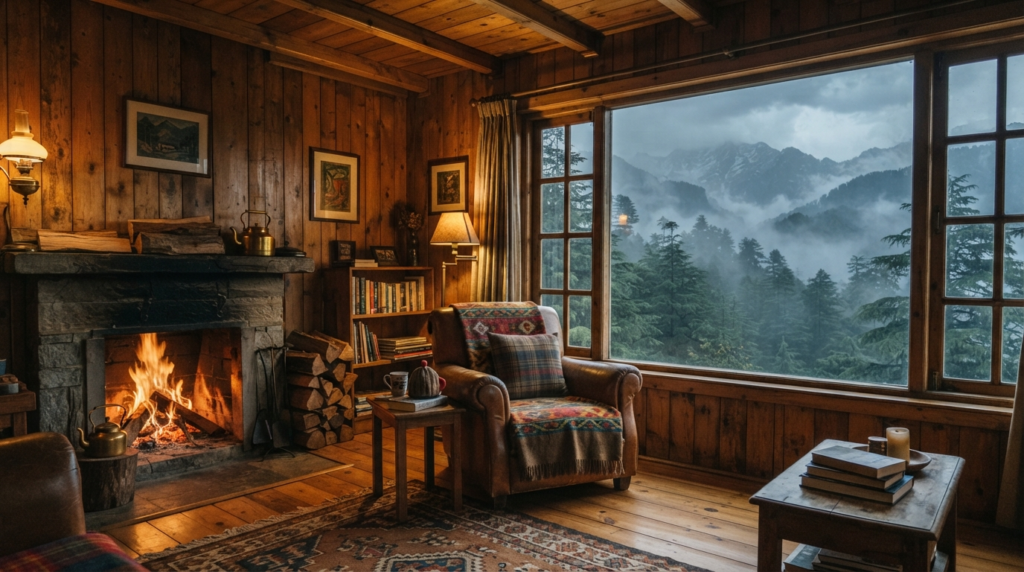
Jibhi has emerged as a favorite for those who want a blend of comfort and nature. Located in the Tirthan Valley of Himachal Pradesh, it is relatively low-altitude compared to Kalpa, but it is sheltered by dense forests that keep the temperature perfectly balanced. The sound of the Tirthan River flowing through the valley is the ultimate lullaby.
This area is excellent for those who enjoy fly-fishing and light forest hikes. Unlike the steep climbs of the higher Himalayas, the trails in Jibhi are gentle and accessible to most fitness levels. You can stay in traditional “Kath-Kuni” style houses, which are built using interlocking wood and stone without the use of nails.
To plan your logistics, consult the Himachal Pradesh Tourism Development Corporation for details on local homestays and government-approved guest houses. Supporting local homestays is a great way to ensure that your travel dollars benefit the local economy directly. It makes your vacation feel more like a meaningful exchange than just a standard tourist stop.
5. Managing Your Travel Logistics
Planning a trip to the mountains requires more than just booking a hotel. You need to consider the impact of altitude on your health. If you are prone to motion sickness, the winding roads of Himachal and Uttarakhand can be challenging. Always carry prescribed medication and keep your travel segments short to allow your body to acclimate.
Transportation is another variable you must control. In June, road landslides can occasionally disrupt travel in the higher reaches of the Himalayas. Always check with local hotel owners about the current road conditions before you depart from Delhi. Being flexible with your travel dates by a day or two can save you from getting stuck in a traffic bottleneck.
The true value of a mountain retreat is not in the destination itself, but in the perspective shift that occurs when you trade the city’s concrete horizon for the jagged, eternal peaks of the Himalayas.
Finally, pack responsibly. High-altitude regions are incredibly fragile ecosystems. Carry your own reusable water bottles and ensure you bring back all the non-biodegradable waste you generate. As a visitor, your goal should be to leave the village exactly as you found it, preserving the pristine environment for the next season of travelers.
Frequently Asked Questions
What is the best way to travel from Delhi to these hill stations?
For destinations like Mussoorie and Landour, an overnight train to Dehradun followed by a short taxi ride is the most efficient route. For more remote locations like Munsiyari or Kalpa, hiring a private SUV from Delhi provides the flexibility to stop and enjoy the scenic views along the way.
Is it necessary to carry heavy woolens in June?
While the days are pleasantly cool, the temperatures drop significantly at night, especially in high-altitude spots like Kalpa. Always pack a sturdy fleece or a light down jacket and a windcheater to handle the rapid temperature swings that occur after sunset.
How do I handle altitude sickness in the Himalayas?
The best way to avoid altitude sickness is to ascend slowly and stay hydrated. If you are traveling to areas above 2,500 meters, spend the first 24 hours resting and avoiding strenuous physical activity. If you feel dizzy or nauseous, descend to a lower altitude immediately.
Should I book accommodation in advance for June?
Yes, absolutely. June is the peak summer vacation season for schools and families across North India. Popular homestays and boutique properties often get booked out months in advance, so locking in your reservation by March or April is highly recommended to secure the best rates and locations.