Key Takeaways
- Indian artists are leveraging AI tools to create globally recognized art, pushing creative boundaries.
- Platforms like Midjourney and Stable Diffusion are becoming essential tools, democratizing art creation and opening new revenue streams.
- The rise of AI art is sparking crucial discussions around copyright, ethics, and the future of human creativity.
- Emerging Indian AI artists are finding success through online galleries, NFTs, and direct commissions, demonstrating a viable career path.
The AI Brushstroke: India’s Creative Renaissance
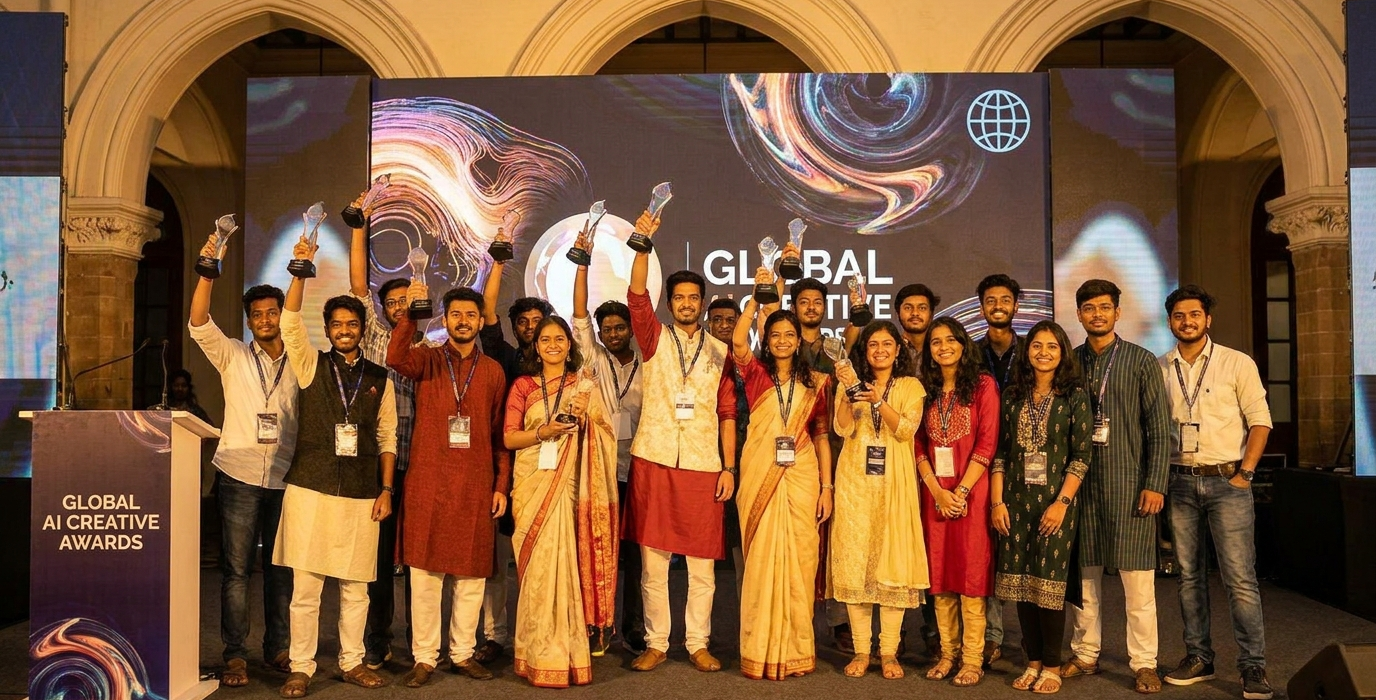
The hum of servers and the glow of screens are fast replacing the scent of turpentine and the feel of clay for a growing number of India’s artists. Artificial intelligence, once a futuristic concept, is now a powerful paintbrush in the hands of creators across the subcontinent. From the bustling metropolises of Mumbai and Delhi to the serene backwaters of Kerala, a new wave of digital artistry is taking hold. These innovators are not just experimenting; they are producing work that is winning international acclaim and sparking vital conversations about the future of art.
You might have seen these stunning visuals popping up on your social media feeds – fantastical landscapes, surreal portraits, and abstract compositions that defy easy categorization. What unites them is the often invisible hand of AI, guided by human vision. This isn’t about machines replacing artists, but rather about artists collaborating with machines to unlock unprecedented levels of creativity. We’re witnessing a true renaissance, powered by algorithms and imagination.
This transformation is democratizing art creation in ways we haven’t seen before. Complex techniques that once required years of dedicated practice can now be explored with AI prompts. This accessibility means that talent, not just technical mastery, is becoming the primary driver of artistic expression. For aspiring artists in India, this presents an incredible opportunity to enter a global marketplace with sophisticated tools at their fingertips.
Unlocking New Worlds with Algorithmic Palettes
The tools driving this revolution are as varied as the art they produce. Platforms like Midjourney, Stable Diffusion, and DALL-E 3 have become the digital studios for a new generation of Indian artists. These AI models, trained on vast datasets of images, can generate original artwork from simple text descriptions, or “prompts.” The art of prompt engineering itself is becoming a valuable skill, requiring creativity, nuance, and a deep understanding of how these AI systems interpret language.
Think of a prompt like “a Mahabalipuram temple carved from moonlight, with celestial dancers swirling around it.” An AI can interpret this, drawing on its knowledge of Indian architecture, mythology, and artistic styles, to produce something entirely novel. Artists then refine these outputs, using digital editing tools or further AI iterations to achieve their desired vision. This collaborative process allows for rapid exploration of ideas and styles.
We’ve seen artists in cities like Bengaluru, often dubbed India’s Silicon Valley, embrace these tools with particular enthusiasm. Their background in technology often gives them an edge in understanding and manipulating AI. However, this trend is not confined to tech hubs. Artists in smaller towns are also gaining access to these powerful platforms, thanks to increased internet penetration and the affordability of cloud-based services. This truly is a global movement, with India at its forefront.
From Prompts to Profits: The Evolving Art Market
The financial landscape for artists is also being reshaped. Traditionally, artists relied on galleries, exhibitions, and commissions. While these avenues still exist, AI artists are forging new paths to reach audiences and monetize their work. One of the most significant developments has been the rise of Non-Fungible Tokens (NFTs). Many Indian AI artists are minting their unique digital creations as NFTs, selling them to collectors worldwide on blockchain marketplaces.
This has opened up a global clientele, unconstrained by geographical limitations. An artist based in a remote village in Rajasthan can now have their work purchased by a collector in New York or Tokyo. This direct-to-collector model bypasses traditional intermediaries, allowing artists to retain a larger share of the profits. We’ve seen several Indian AI artists achieve significant sales, establishing themselves as serious contenders in the digital art market.
Beyond NFTs, there’s a growing demand for AI-generated imagery for commercial purposes. Brands are seeking unique visuals for advertising campaigns, social media content, and product design. Indian AI artists are finding lucrative opportunities here, offering bespoke AI art solutions. This diversification of income streams provides a more stable and potentially more profitable career for creatives working with AI.
Copyright Conundrums and Creative Ethics
As AI art gains prominence, it inevitably brings a complex web of ethical and legal questions. One of the most debated issues is copyright. Who owns the copyright to an AI-generated image? Is it the artist who wrote the prompt, the developers of the AI model, or perhaps the AI itself? Current legal frameworks, designed for traditional art forms, are struggling to keep pace with these new technological realities.
The datasets used to train AI models are also a point of contention. These datasets often comprise millions of images scraped from the internet, many of which are copyrighted. This raises questions about whether AI-generated art infringes on the rights of the original artists whose work contributed to the training data. India, like many other nations, is grappling with how to establish clear guidelines and regulations for AI-generated content.
We must also consider the impact on human artists. While AI can augment creativity, there’s a valid concern that it could devalue traditional artistic skills or lead to a homogenization of styles if not used thoughtfully. The conversation is ongoing, and it’s crucial for artists, policymakers, and the public to engage in it. The goal should be to foster innovation while protecting the rights and livelihoods of creators.
“AI isn’t replacing human creativity; it’s amplifying it. The real magic happens when a human artist guides the AI’s vast potential with their unique vision and intent.” – Ananya Sharma, a prominent AI artist from Kolkata.
Surprising Facts: India’s AI Art Scene Revealed
Delving deeper into India’s burgeoning AI art scene reveals some fascinating insights. Did you know that the concept of algorithmic art has roots in India dating back to the 1970s? While not AI as we know it today, early pioneers explored computer-generated patterns and designs, laying a conceptual groundwork. This historical context adds another layer to India’s current embrace of AI in art.
Another surprising aspect is the rapid emergence of AI art collectives and workshops in cities like Jaipur. These collectives are not just about individual artists; they are fostering community, sharing knowledge, and organizing local exhibitions. They are proving that AI art is not solely a solitary pursuit but a collaborative endeavor that can strengthen artistic communities. These grassroots movements are vital for nurturing new talent and pushing the boundaries of what’s possible.
Furthermore, we’ve observed a unique fusion occurring. Many Indian AI artists are incorporating traditional Indian motifs, classical dance forms, and folk art styles into their AI-generated pieces. This isn’t just about aesthetics; it’s a deliberate act of cultural preservation and evolution. They are using cutting-edge technology to reimagine and celebrate India’s rich artistic heritage for a digital age.
The Future Canvas: What Lies Ahead for Indian AI Artists?
The trajectory of AI art in India points towards a dynamic and exciting future. We are likely to see even more sophisticated AI models that offer greater control and customization to artists. This will enable them to push their creative boundaries further, exploring styles and concepts that are currently unimaginable. The lines between digital art, traditional art, and even interactive experiences will continue to blur.
Expect to see AI art integrated into more mainstream applications. From architectural visualization and product design to interactive storytelling and immersive virtual reality experiences, AI-generated visuals will become increasingly commonplace. Indian artists are well-positioned to be at the forefront of these developments, given their growing expertise and innovative spirit. The demand for unique visual content will only continue to grow.
The educational landscape is also set to adapt. Universities and art institutions will likely begin offering specialized courses in AI art and prompt engineering. This will equip the next generation of artists with the skills and knowledge they need to thrive in this evolving creative ecosystem. The synergy between human intuition and machine intelligence promises a future where art is more accessible, diverse, and boundary-pushing than ever before.
Frequently Asked Questions
What are the most popular AI art tools for Indian artists in 2026?
In 2026, Midjourney, Stable Diffusion, and DALL-E 3 remain the leading AI art generation platforms. Many Indian artists also utilize tools like Adobe Firefly for commercial applications and Procreate or Photoshop for post-processing and refinement of AI-generated images.
How can an Indian artist start selling AI art online?
You can begin by creating a portfolio on platforms like Behance or ArtStation. For selling, consider NFT marketplaces like OpenSea or Foundation, or sell prints through your own website or services like Etsy. Direct commissions via social media are also a viable option.
Is AI art considered “real” art?
The definition of “real” art is subjective and constantly evolving. AI art is created through a collaborative process where the human artist guides the AI, making creative decisions about prompts, style, and refinement. Many international galleries and collectors now recognize and value AI-generated works.
What are the ethical concerns surrounding AI art in India?
Key ethical concerns include copyright ownership, the use of copyrighted material in AI training data, and the potential impact on traditional artists’ livelihoods. Discussions are ongoing regarding fair compensation and the establishment of clear regulatory frameworks.