Key Takeaways
- New trekking routes in the Indian Himalayas are opening up in 2026, offering unparalleled access to remote and untouched landscapes.
- These trails cater to varying skill levels, from moderate day hikes to multi-day expeditions requiring advanced mountaineering experience.
- Emphasis is placed on sustainable tourism practices, with new guidelines to protect the fragile Himalayan ecosystem.
- Advance booking and permits are crucial for most new routes, highlighting the need for thorough planning and responsible adventure.
Unveiling the Whispering Peaks: Your 2026 Himalayan Adventure Awaits
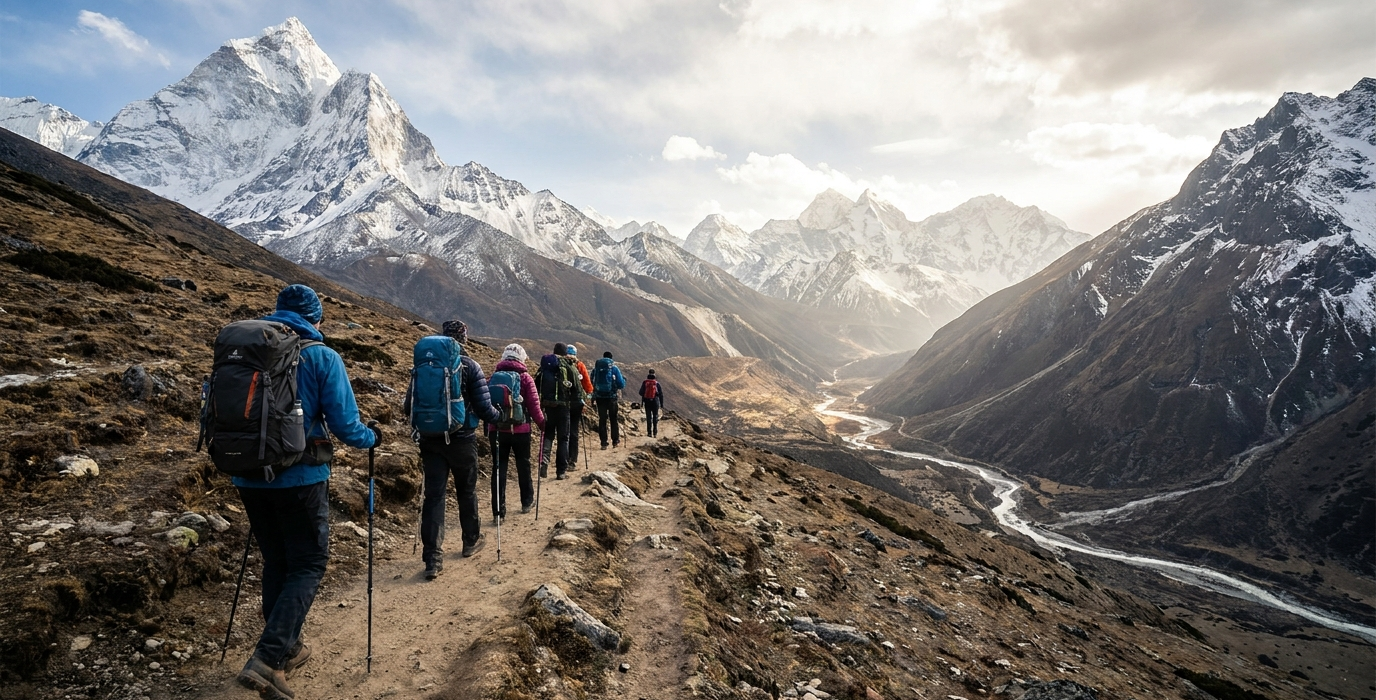
The crisp mountain air of the Himalayas is calling, and this year, it’s inviting you to explore beyond the well-trodden paths. For seasoned trekkers and intrepid newcomers alike, 2026 marks a significant expansion in accessible Himalayan adventures. We’re talking about routes that have long been whispered about in hushed tones by local guides, trails that offer a raw, unfiltered glimpse into the majestic grandeur of the world’s highest mountain range. Imagine waking up to panoramic views of snow-capped giants, far from the usual crowds, with only the symphony of nature for company. These newly opened pathways are not just about reaching a destination; they are about embracing a journey of discovery, both external and internal.
This isn’t a minor adjustment; it’s a revolution in Himalayan exploration. For decades, certain breathtaking valleys and ridges remained accessible only to a privileged few, often requiring extensive reconnaissance and special permissions. Now, with improved infrastructure and a growing commitment to responsible tourism, these hidden gems are becoming a reality for a wider audience. We’ve seen increased investment in trail maintenance and safety protocols, particularly in regions like Himachal Pradesh and Uttarakhand, which have long been popular but are now pushing the boundaries of what’s possible. The focus is on creating sustainable access that benefits local communities while preserving the pristine beauty of these sacred mountains.
A Glimpse into the Unknown
The allure of the unknown is powerful, and these new routes tap directly into that primal desire for exploration. Whether you dream of crossing high-altitude passes in Ladakh, exploring ancient forests in Sikkim, or discovering secluded glacial lakes in Nepal, there’s a path waiting for you. These expeditions are designed to offer a profound connection with nature, a chance to disconnect from the digital world and reconnect with yourself. The planning for these routes has been meticulous, involving local communities, environmental experts, and experienced mountaineers to ensure safety and sustainability.
Beyond the Beaten Path: New Routes for Every Trekker
This season, the Indian Himalayan region is abuzz with the inauguration of several new trekking routes, designed to offer diverse experiences for a spectrum of adventurers. From the verdant valleys of Arunachal Pradesh to the stark beauty of Ladakh, these trails promise a fresh perspective on familiar mountain ranges. We’re seeing a concerted effort to open up less explored territories, ensuring that the magic of the Himalayas is accessible to more people than ever before. This expansion is not about overcrowding; it’s about thoughtful diversification, allowing trekkers to find a niche that resonates with their skill set and desired level of challenge.
Consider the newly charted “Valley of the Whispering Winds” in Himachal Pradesh. This moderate-to-challenging trek winds through ancient deodar forests, past cascading waterfalls, and culminates at a high-altitude meadow offering spectacular views of the Pir Panjal range. It’s a multi-day affair, typically spanning five to six days, and requires a good level of fitness. Or perhaps the “Monastery Circuit” in Ladakh, a shorter, more accessible route that connects remote Buddhist monasteries, offering a cultural immersion alongside stunning desert mountain landscapes. This latter trek is perfect for those seeking a blend of spirituality and visual splendour, often completed in just three to four days.
Navigating the New Terrain
The establishment of these new routes comes with a commitment to responsible trekking. Local authorities are working closely with trekking agencies to implement stringent environmental guidelines. This includes waste management protocols, restrictions on camping in certain sensitive areas, and the promotion of homestays to support local economies. You’ll find that most reputable agencies are now fully briefed on these new regulations, ensuring your adventure is both exhilarating and ecologically sound.
One surprising fact about the development of these trails is the significant involvement of local youth in their mapping and maintenance. In regions like Uttarakhand, young men and women who grew up in these mountains are now trained as guides and trail wardens, bringing invaluable local knowledge and a vested interest in conservation. Their understanding of the terrain, weather patterns, and local flora and fauna is unparalleled.
Sustainable Adventures: Protecting the Pristine Himalayas
The opening of new trekking routes presents a unique opportunity to reinforce and expand sustainable tourism practices in the Himalayas. For years, the fragile ecosystem of these mountains has faced increasing pressure from a growing number of visitors. The 2026 season is marked by a renewed focus on conservation, with stricter guidelines and a greater emphasis on educating trekkers about their environmental footprint. This is not just about ticking boxes; it’s about a collective responsibility to ensure the long-term health of these sacred landscapes.
New regulations are being rolled out across popular trekking regions, including Ladakh, Himachal Pradesh, and Uttarakhand. These include mandatory waste segregation and pack-in, pack-out policies for all trekkers. Designated campsites are being established with proper sanitation facilities to minimize impact. Furthermore, there’s a push to encourage the use of reusable water bottles and to discourage single-use plastics on the trails.
The Role of Local Communities
Crucially, these sustainable initiatives are being developed in close collaboration with local communities. Their involvement is not just about consultation; it’s about empowerment. By prioritizing local guides, porters, and homestays, these new routes aim to distribute the economic benefits of tourism more equitably. This fosters a sense of ownership and stewardship among residents, who then become the most effective guardians of their natural heritage. Many of these communities have ancient traditions of living in harmony with nature, and their insights are invaluable in shaping responsible trekking practices.
A surprising element of the 2026 initiatives is the introduction of “eco-trekking permits” for certain sensitive high-altitude regions. These permits are priced slightly higher than standard trekking permits, with the additional fee directly funding local conservation projects, reforestation efforts, and the development of sustainable infrastructure in the surrounding villages. This ensures that your adventure directly contributes to the preservation of the very beauty you’ve come to admire.
Planning Your Expedition: Permits, Guides, and Essential Gear
Embarking on one of the newly opened Himalayan trails requires more than just a spirit of adventure; it demands careful planning and preparation. With increased accessibility comes a need for regulated access, especially for the more remote and challenging routes. Understanding the permit requirements, securing a qualified guide, and packing the right gear are paramount to a safe and enjoyable expedition in 2026. This season, expect more streamlined online application processes for permits, but also be prepared for the possibility of limited quotas on some of the most sought-after new trails.
Most of the new routes, particularly those venturing into protected areas or requiring passage through sensitive ecological zones, will necessitate special permits. For instance, treks in the vicinity of newly established wildlife sanctuaries in Arunachal Pradesh will require permits from the Forest Department, often obtainable through registered trekking agencies. Similarly, high-altitude passes in Ladakh might require permits from the Leh District Administration, especially if they cross into restricted border areas. It’s vital to check the specific requirements for your chosen route well in advance, as some permits can take several weeks to process.
The Indispensable Guide
While some of the less strenuous new trails might be attempted independently by experienced trekkers, hiring a local guide is highly recommended, and often mandatory. Guides provide invaluable knowledge of the terrain, weather patterns, local customs, and emergency procedures. They also play a crucial role in ensuring that trekkers adhere to environmental guidelines and contribute positively to the local economy. Look for guides registered with recognized trekking associations, ensuring they have proper certifications in first aid and mountaineering.
When it comes to gear, think layers and versatility. The Himalayas are known for their unpredictable weather, and you could experience anything from warm sunshine to freezing snow within a single day. Essential items include a good quality waterproof and windproof jacket and trousers, thermal base layers, a warm fleece or down jacket, sturdy trekking boots, a reliable backpack, and sun protection (hat, sunglasses, sunscreen). For the more challenging routes, consider renting specialized equipment like ice axes or crampons, which most reputable trekking companies can arrange.
Cultural Immersion: Connecting with Himalayan Communities
The Himalayas are not just a geological marvel; they are a tapestry of rich cultures and ancient traditions. As you explore the newly opened trekking routes in 2026, you have an extraordinary opportunity to connect with the diverse communities that call these mountains home. This season, there’s a deliberate push to integrate cultural immersion more deeply into the trekking experience, moving beyond mere sightseeing to foster genuine understanding and respect. Your journey can become a two-way street, offering you breathtaking landscapes and providing tangible benefits to the people who safeguard them.
Many of the new trails are designed to pass through or near villages that have historically been quite isolated. Treks in the Kinnaur district of Himachal Pradesh, for example, now offer opportunities to visit apple orchards, interact with local artisans, and perhaps even share a cup of chai with families who have lived in these valleys for generations. The concept of village homestays is being actively promoted, allowing trekkers to experience authentic local hospitality, cuisine, and daily life. This not only provides a unique cultural insight but also ensures that tourism revenue directly supports local households.
Beyond the Trail: Local Festivals and Crafts
When planning your trek, consider aligning your dates with any local festivals or events. These vibrant celebrations offer a rare glimpse into the spiritual heart of Himalayan communities, often involving traditional music, dance, and elaborate rituals. Participating respectfully in these events can be a profoundly moving experience. Furthermore, many villages have unique handicrafts, from intricate woollen shawls in Ladakh to vibrant thangka paintings in Sikkim. Purchasing these directly from the artisans not only provides you with a meaningful souvenir but also supports their livelihoods.
A surprising aspect of the 2026 trekking season is the initiative to connect trekkers with local storytellers. In select villages along new routes, elders are being encouraged to share ancient myths, legends, and historical accounts of their regions. This oral tradition offers a captivating way to understand the cultural significance of the mountains and the deep spiritual connection the local people have with their environment. It transforms a physical journey into a narrative one, rich with meaning and history.
A Glimpse into the Future: Innovations in Himalayan Trekking
The evolution of Himalayan trekking in 2026 is not solely about opening new paths; it’s also about embracing innovation to enhance safety, sustainability, and the overall experience for trekkers. From advanced communication technologies to eco-friendly infrastructure, the focus is on making these remote adventures more accessible and responsible. We are witnessing a blend of traditional knowledge and modern technology to create a new paradigm for mountain exploration.
One of the most significant innovations is the widespread adoption of satellite communication devices and emergency beacon systems for remote treks. Many trekking agencies are now equipping their guides with these devices, which can transmit distress signals and even basic location data in areas with no mobile network coverage. This drastically improves response times in case of emergencies, offering a crucial layer of safety for trekkers venturing into truly off-grid locations. This technology is becoming standard even on moderately challenging routes.
Smart Trails and Digital Guides
Beyond safety, technology is also enhancing the trekking experience itself. Some of the more developed new trails are incorporating elements of “smart tourism,” such as QR codes placed at points of interest that link to detailed information about the flora, fauna, geology, and local history of the area. Augmented reality apps are also being piloted, allowing trekkers to virtually overlay historical images or geological formations onto their current view, enriching their understanding of the landscape. Furthermore, there’s a growing trend towards digital guidebooks and interactive maps accessible offline on smartphones.
The future also holds promise for more advanced sustainable practices. We are seeing pilot projects exploring the use of solar-powered charging stations at remote campsites and the development of biodegradable waste disposal systems. The aim is to minimize the environmental impact of increased human presence. This forward-thinking approach ensures that the pristine beauty of the Himalayas can be enjoyed by generations to come, blending adventure with a profound respect for nature.
Frequently Asked Questions
What are the best new trekking routes for beginners in 2026?
For beginners in 2026, consider the “Monastery Circuit” in Ladakh for its cultural richness and manageable terrain, or the initial stages of the “Valley of the Whispering Winds” in Himachal Pradesh, which offers stunning scenery without extreme altitude. Always ensure you are physically prepared and consider hiring a local guide for your first trek.
Are permits required for all new Himalayan trekking routes?
Permits are required for most new routes, especially those that enter protected areas, national parks, or sensitive ecological zones. High-altitude passes and border regions also often necessitate special permissions. It is crucial to check the specific permit requirements for your chosen trek at least 1-2 months in advance through official government websites or registered trekking agencies.
How can I ensure my trek is environmentally friendly?
To ensure an environmentally friendly trek, follow the “Leave No Trace” principles: pack out all your waste, stay on designated trails, avoid disturbing wildlife, use reusable water bottles, and be mindful of water consumption. Opt for local guides and homestays to support the community and their conservation efforts.
What is the best time of year to trek in the Himalayas in 2026?
The best time for trekking in the Indian Himalayas in 2026 generally falls into two main seasons: the pre-monsoon season from March to May, offering clear skies and blooming rhododendrons, and the post-monsoon season from September to November, providing crisp air and excellent visibility of the peaks. The monsoon season (June to August) brings heavy rain and potential landslides, while winter (December to February) can be extremely cold with heavy snow.
How has technology improved safety on Himalayan treks in 2026?
In 2026, satellite communication devices and emergency beacons are increasingly standard for remote treks, significantly enhancing safety by allowing for distress signals and location tracking in areas without mobile service. This technology, coupled with improved weather forecasting data and digital maps accessible offline, provides trekkers and guides with better preparedness and faster emergency response capabilities.