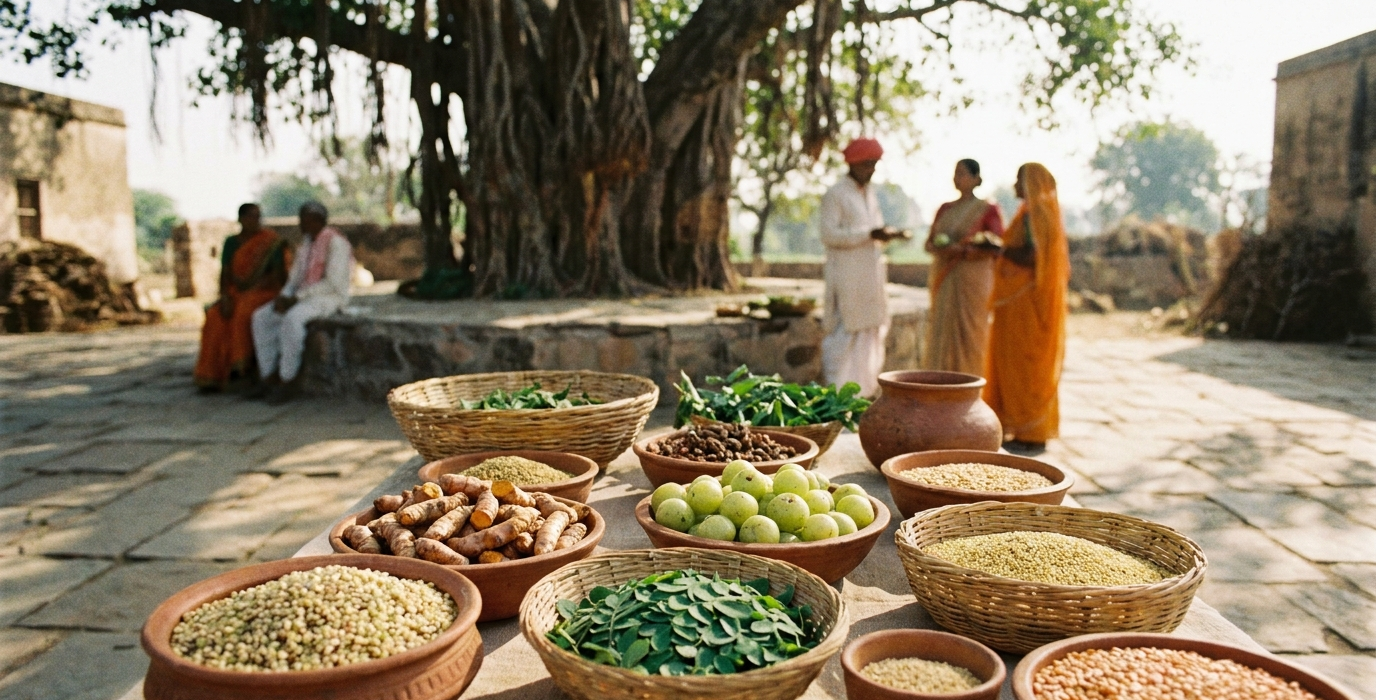
Key Takeaways
- Discover how ancient Indian grains like foxtail millet and amaranth are making a comeback for their superior nutritional profiles.
- Learn about the potent antioxidant and anti-inflammatory benefits of traditional spices like turmeric and moringa.
- Understand the role of fermented foods, such as idli and dosa batter, in promoting gut health and aiding digestion.
- Explore practical ways to incorporate these nutrient-dense foods into your daily Indian diet for enhanced well-being and energy.
The Resurgence of Ancient Grains: Beyond Wheat and Rice
The year is 2026, and our plates are beginning to tell a story of rediscovery. For decades, the global food landscape has been dominated by a few staple crops, but a powerful shift is underway, particularly here in India. We’re turning back to the wisdom of our ancestors, unearthing a treasure trove of ancient grains that offer unparalleled nutritional benefits. Forget the monotony of modern processed diets; it’s time to embrace the vibrant, health-boosting power of millets, amaranth, and more. These aren’t just fad foods; they represent a return to sustainable, nutrient-dense eating that can profoundly impact our well-being.
Think of foxtail millet (Kangni), finger millet (Ragi), and pearl millet (Bajra). These hardy grains have sustained communities for millennia and are now scientifically validated for their remarkable health advantages. They are naturally gluten-free, making them ideal for those with sensitivities. Moreover, they boast a significantly higher fibre content than refined wheat and rice, promoting better digestion, stable blood sugar levels, and a feeling of fullness that aids in weight management. We’re talking about a sustained release of energy, not the sharp peaks and crashes often associated with processed carbohydrates. This makes them perfect for our busy lives, whether you’re navigating the bustling streets of Delhi or the serene backwaters of Kerala.
Amaranth, often referred to as ‘rajgira’ or ‘chaulai’, is another ancient wonder gaining prominence. This pseudocereal is a complete protein, meaning it contains all nine essential amino acids, a rarity in plant-based foods. It’s also packed with iron, magnesium, and phosphorus, crucial for energy production and bone health. Imagine starting your day with amaranth ladoos or incorporating its popped form into your breakfast cereal. The possibilities are exciting and delicious, offering a genuine path towards robust health.
Spices: India’s Ancient Pharmacy for Modern Ailments
Our kitchens have always been potent pharmacies, a fact we’re increasingly remembering in 2026. The vibrant colours and intoxicating aromas of Indian spices aren’t just about flavour; they are concentrated powerhouses of health-promoting compounds. For centuries, Ayurveda has leveraged these natural wonders for their medicinal properties, and modern science is now catching up, validating what our grandmothers always knew. Integrating these spices into your daily meals is one of the simplest yet most effective ways to boost your immunity and combat chronic inflammation.
Turmeric, the golden spice, is perhaps the most celebrated. Its active compound, curcumin, is a potent anti-inflammatory and antioxidant. Studies in 2026 continue to highlight its potential in managing conditions ranging from arthritis to heart disease and even certain types of cancer. We’ve moved beyond just adding a pinch to our curries; now you’ll find turmeric lattes (haldi doodh) and turmeric-infused water becoming morning rituals for many. This simple habit can make a significant difference in your overall resilience.
Moringa, often called the ‘drumstick tree’, is another unsung hero. Its leaves are incredibly rich in vitamins A, C, and E, as well as calcium and iron. The powder made from dried moringa leaves is a potent antioxidant, helping to protect your cells from damage. It’s also known for its ability to help regulate blood sugar and cholesterol levels. A spoonful of moringa powder stirred into your dal or smoothie can be a game-changer for your energy and vitality. Don’t underestimate the power of these small additions; they pack a mighty punch.
Ginger and garlic, staples in most Indian households, also deserve special mention. Ginger aids digestion and can relieve nausea, while garlic is renowned for its immune-boosting and cardiovascular benefits. Together, they form a flavourful duo that also acts as a natural defence against common illnesses. Embracing these spices is not just about taste; it’s about harnessing ancient wisdom for contemporary well-being.
Fermented Foods: The Gut Health Revolution You Can Taste
The year 2026 marks a significant moment in our understanding of gut health, and India’s traditional fermented foods are leading the charge. For generations, dishes like idli, dosa, dhokla, and curd (dahi) have been cornerstones of our diet, not just for their delicious tang but for their profound impact on our digestive systems. The fermentation process is a natural marvel, transforming simple ingredients into nutrient-rich, easily digestible powerhouses brimming with beneficial probiotics.
Consider the humble idli and dosa. Their batters are typically made from rice and urad dal, fermented overnight. This fermentation breaks down complex carbohydrates and proteins, making them easier for our bodies to absorb. More importantly, it cultivates a thriving community of lactic acid bacteria, the friendly microbes that are crucial for a healthy gut microbiome. A balanced gut microbiome is linked to everything from improved digestion and nutrient absorption to enhanced immunity and even better mental well-being.
Curd, or dahi, is perhaps the most ubiquitous fermented food in India. Whether it’s a simple bowl of curd with a meal, part of a cooling raita, or the base for a refreshing lassi, its probiotic content is invaluable. Regular consumption of curd can help restore the balance of gut bacteria, especially after a course of antibiotics, and can alleviate common digestive issues like bloating and constipation. It’s also an excellent source of calcium and protein.
The Surprising Power of Local Produce and Seasonal Eating
As we navigate 2026, the emphasis on local and seasonal eating is gaining momentum, and for good reason. In a country as diverse as India, with its varied climates and fertile lands, embracing what’s grown around us isn’t just a trend; it’s a pathway to optimal nutrition and sustainable living. Eating seasonally ensures that the produce you consume is at its peak ripeness and nutrient density, offering the freshest flavours and the most vital vitamins and minerals.
Think about the abundance that each season brings. Monsoon brings tender gourds like ridge gourd (turai) and bottle gourd (lauki), packed with water and fibre, perfect for light, hydrating meals. Summer offers the juicy sweetness of mangoes, watermelons, and a variety of cooling vegetables like cucumber and okra (bhindi). Winter blesses us with nutrient-dense root vegetables like carrots and radishes, alongside leafy greens rich in iron and other essential minerals. These foods are not just delicious; they are precisely what our bodies need to adapt to the changing weather.
Moreover, sourcing locally reduces the carbon footprint associated with transportation. You’re supporting local farmers, contributing to your regional economy, and getting food that hasn’t travelled thousands of miles, losing nutrients along the way. This connection to our food source fosters a deeper appreciation for what we eat. It’s a mindful approach that benefits both our personal health and the health of our planet.
A surprising fact often overlooked is that many traditional Indian vegetables, now considered ‘forgotten’, are nutritional powerhouses. For instance, the Indian drumstick vegetable itself (the pod from the moringa tree) is rich in fibre, Vitamin C, and iron. Similarly, amaranth leaves (chaulai saag) are exceptionally high in iron and calcium, often surpassing spinach in their nutrient density. Rediscovering these local gems means unlocking a wealth of underutilized superfoods right in our backyard.
Hydration Habits: More Than Just Water in 2026
In our pursuit of holistic well-being in 2026, we’re realizing that hydration is about much more than just plain water. While essential, incorporating a variety of natural, nutrient-infused beverages can significantly enhance our health journey. India’s rich tradition offers a delightful spectrum of drinks that quench thirst while delivering vital nutrients and aiding bodily functions. Let’s look beyond bottled juices and sugary sodas.
Coconut water, naturally sweet and isotonic, is a gift from nature. It’s packed with electrolytes like potassium and sodium, making it an ideal rehydrator after exercise or during hot Indian summers. Unlike many commercial sports drinks, it contains no added sugars or artificial ingredients. A chilled tender coconut, sipped directly, is pure rejuvenation.
Buttermilk (chaas) is another classic. Prepared by churning curd with water and spices like cumin and mint, it’s incredibly cooling and aids digestion. Its probiotic content also contributes to gut health, making it a preferred choice over plain water for many during meals. It’s a simple, effective way to stay hydrated and support your digestive system simultaneously.
Herbal infusions are also seeing a remarkable resurgence. Think of the calming properties of chamomile tea, the digestive aid of peppermint, or the immune-boosting power of ginger-lemon concoctions. These beverages offer a gentle way to deliver antioxidants and therapeutic compounds to your body. Many of these herbs are readily available in India, making it easy to brew a comforting cup at home. Many believe that the subtle molecular structures within these herbal infusions contribute to a deeper, more cellular level of hydration and well-being.
Mindful Eating Practices: Connecting with Your Food
As we move through 2026, the concept of “mindful eating” is evolving from a niche trend to a fundamental aspect of healthy living, especially within the Indian context. It’s about more than just what you eat; it’s about how and why you eat. Mindful eating encourages us to slow down, savour each bite, and develop a conscious awareness of our body’s hunger and fullness cues. This practice can transform our relationship with food, leading to better digestion, improved nutrient absorption, and a greater sense of satisfaction.
Start by creating a calm environment for your meals. Avoid distractions like television or smartphones. Focus on the food before you: its colours, textures, and aromas. Take a moment to appreciate the journey it took to reach your plate, from the farmer’s field to your kitchen. This act of gratitude can profoundly shift your perspective.
Chewing your food thoroughly is a simple yet powerful mindful eating technique. Our digestion begins in the mouth, and proper chewing breaks down food into smaller particles, making it easier for enzymes to work. It also signals to your brain that you are eating, allowing it to register fullness more effectively. Aim to chew each bite at least 20-30 times.
Pay attention to your body’s signals. Are you truly hungry, or are you eating out of boredom, stress, or habit? Learn to distinguish between physical hunger and emotional cravings. By honouring your body’s needs, you can make more nourishing choices. This isn’t about restriction; it’s about attunement.
Frequently Asked Questions
What are the easiest Indian superfoods to incorporate into my diet?
You can start with simple additions like adding a tablespoon of foxtail millet to your rice, incorporating turmeric into your daily cooking or having a glass of haldi doodh, or enjoying a bowl of curd with your meals. For a quick boost, try a small amount of moringa powder in your smoothie or dal. These are readily available and require minimal preparation.
Are ancient grains suitable for people with diabetes?
Yes, ancient grains like millets and amaranth are generally excellent for individuals with diabetes. They have a lower glycemic index compared to refined grains, meaning they cause a slower rise in blood sugar levels. Their high fibre content also aids in blood sugar management. Always consult your doctor or a registered dietitian for personalized advice.
How can I improve my gut health with Indian fermented foods?
Regularly consuming traditional fermented foods like idli, dosa, dhokla, and curd (dahi) is key. Aim to include at least one serving daily. You can also experiment with other regional ferments. The probiotics present in these foods help to populate your gut with beneficial bacteria, improving digestion and overall gut function.
What are some surprising benefits of traditional Indian spices?
Beyond flavour, spices like turmeric are potent anti-inflammatories and antioxidants. Moringa is exceptionally rich in vitamins and minerals. Even common spices like ginger and garlic have significant immune-boosting and cardiovascular benefits. These are natural remedies that have been used for centuries and are now being scientifically validated.