Key Takeaways
- India is experiencing a significant shift in 2026, with a growing public acceptance and proactive approach to mental wellness.
- Innovative digital platforms and community-led initiatives are making mental health support more accessible and affordable across diverse socio-economic strata.
- A new wave of government policies and corporate wellness programs are actively working to dismantle the stigma associated with mental health.
- The focus is expanding beyond crisis intervention to encompass preventative care, mindfulness, and building emotional resilience from a young age.
The Unfolding Narrative: India’s Evolving Mental Health Landscape in 2026
For too long, the whispers of mental distress in India were often drowned out by societal taboos and a lack of accessible resources. However, as we navigate 2026, a powerful and inspiring narrative is unfolding: India is waking up to the critical importance of mental wellness. We are witnessing a profound societal shift, moving from a place of silence and shame to one of open dialogue, proactive care, and innovative solutions. This isn’t just a trend; it’s a fundamental reorientation of how we understand and address the human mind’s well-being.
This transformation is fueled by a confluence of factors. Increased media coverage, the tireless advocacy of mental health professionals, and the personal stories shared by individuals from all walks of life have chipped away at the age-old stigma. Parents in cities like Bengaluru are now more comfortable discussing anxiety with their children, and rural communities in Rajasthan are exploring traditional healing practices that incorporate emotional well-being. The conversation has moved from the fringes to the mainstream, permeating homes, workplaces, and educational institutions.
The urgency of this shift cannot be overstated. The pressures of modern life, coupled with lingering societal expectations, continue to weigh heavily on many. Yet, the growing awareness offers a beacon of hope. It signals a future where seeking help for mental health is as routine and accepted as visiting a doctor for a physical ailment. This evolving landscape is not just about treating illness; it’s about fostering a culture of holistic well-being for all Indians.
Digital Detox and Digital Deluge: Navigating Online Mental Health Support
In 2026, the digital realm has become a double-edged sword for mental wellness in India. On one hand, an explosion of innovative digital platforms is democratising access to support like never before. From AI-powered chatbots offering initial guidance and coping strategies to telemedicine services connecting users with licensed therapists in Mumbai and Delhi, the barriers of distance and cost are rapidly diminishing. Apps providing guided meditation sessions, mood tracking, and cognitive behavioural therapy (CBT) exercises are now commonplace, fitting seamlessly into the busy lives of urban professionals and students alike.
These digital tools are particularly vital for reaching underserved populations. For individuals in remote villages in Himachal Pradesh, who might never have access to a local mental health professional, a simple smartphone can become a gateway to essential support. These platforms often offer content in multiple Indian languages, ensuring cultural relevance and greater comprehension. We’re seeing a rise in platforms specifically tailored for the Indian context, incorporating local customs and addressing specific cultural stressors. This makes the therapeutic experience feel more personal and less alien.
However, the digital deluge also presents challenges. The sheer volume of information can be overwhelming, and distinguishing credible resources from unreliable ones requires critical discernment. Concerns around data privacy and the ethical implications of AI in mental health are also being actively debated. Furthermore, while digital solutions are invaluable, they cannot entirely replace the nuances of in-person human connection, especially for individuals experiencing severe mental health crises. The key for us is to leverage these digital tools wisely, ensuring they complement rather than entirely substitute human-centric care.
Community and Connection: Grassroots Movements for Mental Resilience
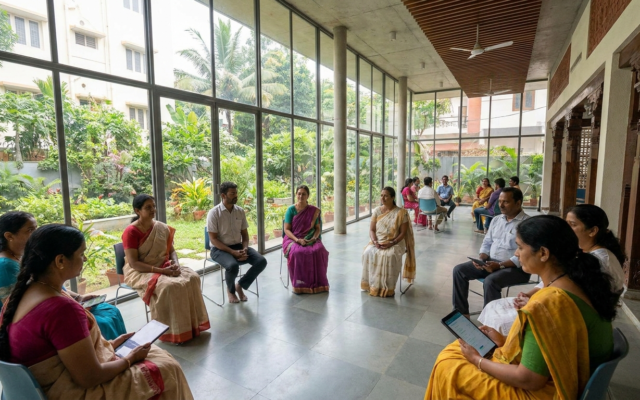
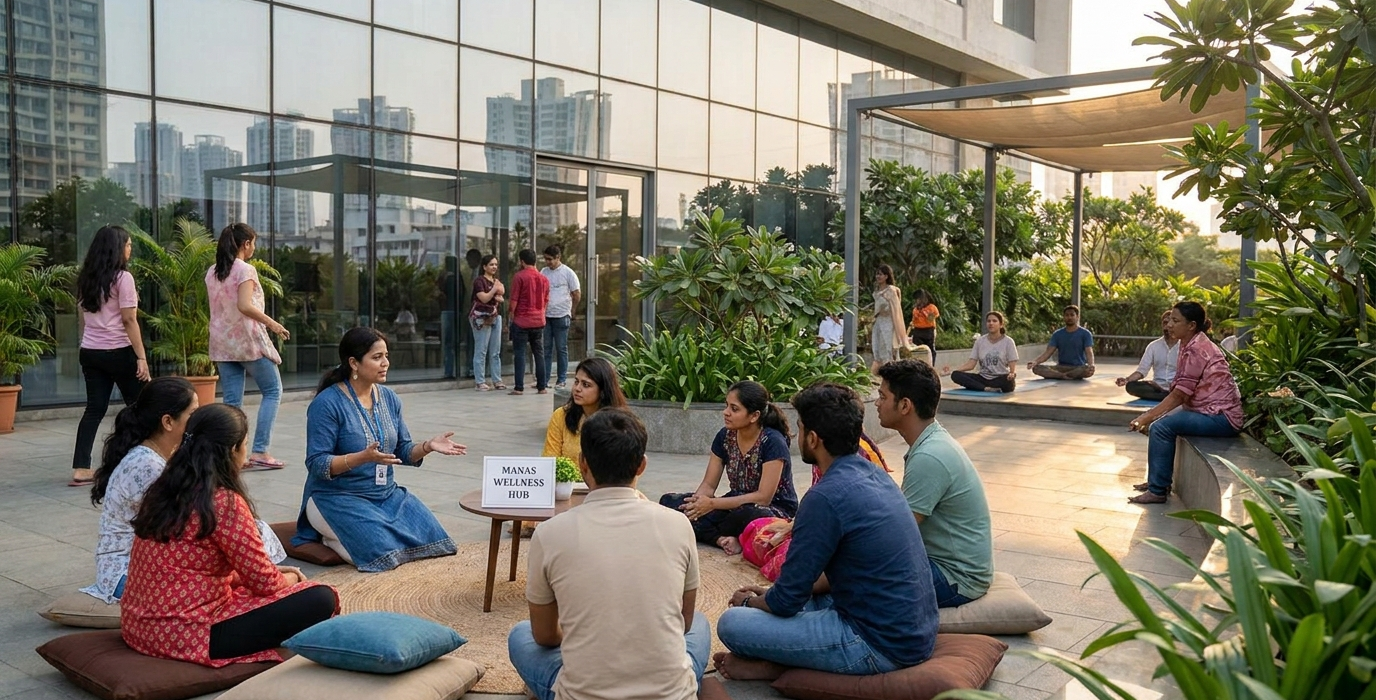
Beyond the digital frontier, a powerful groundswell of community-led initiatives is transforming the mental health landscape across India in 2026. In towns like Alwar, Rajasthan, and even in the bustling suburbs of Chennai, local groups are forming to create safe spaces for open dialogue and mutual support. These aren’t formal clinical settings, but rather gatherings in community centres, parks, or even people’s homes, where individuals can share their experiences without fear of judgment. These grassroots movements are crucial for dismantling the deep-seated stigma that has historically shrouded mental health discussions.
These initiatives often draw inspiration from traditional Indian concepts of community care and collective well-being. Think of ‘chai pe charcha’ (discussions over tea) that now include conversations about emotional struggles, or women’s self-help groups in villages near Udaipur that have expanded their mandate to include peer support for mental health challenges. We are also seeing the emergence of art therapy workshops and mindfulness retreats organised by local NGOs, making mental wellness practices accessible and engaging for diverse age groups and economic backgrounds. These events often incorporate elements of local culture, making the experience more relatable and impactful.
A particularly encouraging development is the integration of mental health awareness into existing community structures. Religious institutions, local sports clubs, and even street theatre groups are finding ways to weave mental health messages into their regular activities. This organic integration ensures that the conversation reaches people where they are, making it a part of everyday life rather than a separate, often intimidating, medical issue. The power of shared experience and collective empathy is proving to be an incredibly potent force in building resilience.
Corporate India’s Awakening: Wellness as a Strategic Imperative
The corporate sector in India, often seen as a crucible of stress and ambition, is undergoing a significant transformation in its approach to employee mental health in 2026. Forward-thinking companies, particularly in tech hubs like Hyderabad and financial centres like Gurugram, are now recognising that employee well-being is not merely a perk but a strategic imperative for productivity, retention, and overall organisational success. This shift reflects a growing understanding that a healthy mind is as crucial as a healthy body for an engaged workforce.
Many companies are implementing comprehensive wellness programs that go beyond basic health insurance. These now often include access to Employee Assistance Programs (EAPs) offering confidential counselling services, workshops on stress management and mindfulness, and even dedicated quiet rooms for employees to decompress. The stigma associated with using these services is also being actively addressed through internal awareness campaigns, leadership endorsement, and by ensuring the confidentiality of all interactions. It’s becoming more acceptable for managers to openly discuss the importance of mental health breaks.
Furthermore, there’s a growing emphasis on creating mentally healthy work environments. This involves fostering a culture of open communication, encouraging work-life balance, and providing training for managers to recognise and respond to signs of distress in their teams. Some innovative companies are even introducing ‘mental health days’ or flexible work arrangements that prioritise well-being. A surprising statistic we’ve encountered is that companies investing significantly in mental wellness programs have reported an average increase of 15% in employee engagement scores and a notable decrease in burnout-related attrition rates in the past year.
Bridging the Gap: Government Policies and Public Health Integration
The Indian government’s commitment to mental health is gaining significant momentum in 2026, with a more robust policy framework and increased integration into public health initiatives. The National Mental Health Programme is being actively revitalised, with a renewed focus on expanding accessibility to care, particularly in rural and remote areas. This involves strengthening the infrastructure of district mental health centres and training more healthcare workers, including auxiliary nurse midwives, to provide basic mental health support and referrals.
A key development is the push to integrate mental health services into primary healthcare settings. This ‘task-shifting’ approach allows general practitioners and community health workers to screen for common mental health conditions like depression and anxiety, and to provide initial management or timely referrals. This is crucial for overcoming the severe shortage of psychiatrists and clinical psychologists in many parts of India. We’re seeing successful pilot programs in states like Kerala and Maharashtra demonstrating the effectiveness of this model in identifying and treating mental health issues at an earlier stage, preventing them from escalating into more severe conditions.
Beyond direct healthcare provision, the government is also focusing on public awareness campaigns and destigmatisation efforts. Collaborations with media houses and educational institutions are underway to normalise conversations around mental health. Furthermore, there’s a growing recognition of the need to address the social determinants of mental health, including poverty, education, and access to safe living conditions. This holistic approach acknowledges that mental well-being is intricately linked to overall societal progress, making it a critical component of national development. The focus is shifting from just a health crisis to a societal well-being imperative.
A New Era of Prevention: Cultivating Emotional Resilience from Childhood
As India strides forward in 2026, there’s a palpable shift towards a proactive, preventative approach to mental wellness, with a particular emphasis on nurturing emotional resilience from the earliest stages of life. The understanding is dawning that addressing mental health challenges effectively means equipping individuals with the tools to navigate life’s inevitable stressors, rather than solely reacting to crises. This preventative mindset is beginning to permeate our educational systems and parenting approaches.
Schools in major cities like Pune and Kolkata are increasingly incorporating social-emotional learning (SEL) programs into their curricula. These programs teach children essential skills such as identifying and managing their emotions, developing empathy, building positive relationships, and making responsible decisions. The goal is to foster not just academic prowess, but also emotional intelligence and coping mechanisms that will serve them throughout their lives. This is a significant departure from the traditional focus solely on academic achievement.
Parenting workshops and resources are also evolving, providing guidance on how to create supportive home environments that foster open communication about feelings. The aim is to empower parents to recognise early signs of distress in their children and to provide age-appropriate support. We are also seeing a greater emphasis on mindfulness and meditation practices being introduced in age-appropriate ways, helping children develop self-awareness and emotional regulation skills. A surprising observation is the growing interest among parents in traditional Indian practices like yoga and storytelling, which are being adapted to promote emotional well-being in young minds.
Frequently Asked Questions
What are the most common mental health challenges faced in India today?
In 2026, the most prevalent mental health challenges in India continue to be depression and anxiety disorders. However, there is also a growing recognition and reporting of stress-related conditions, burnout, and issues stemming from life transitions. Increased awareness is also leading to better identification of conditions like PTSD and OCD.
How can I find affordable mental health support in India?
Affordable support is becoming more accessible. Look for government-run district mental health centres, NGOs offering subsidised counselling, and digital platforms that provide therapy at lower price points. Many corporate EAPs also offer free or low-cost sessions. Exploring community-led support groups can also be a valuable and cost-effective option.
Is seeking mental health treatment still stigmatised in India?
While significant progress has been made in destigmatising mental health, some stigma unfortunately persists, particularly in more traditional communities. However, the open dialogue, media coverage, and government initiatives are rapidly changing this. Seeking help is increasingly viewed as a sign of strength and self-care.
What role do traditional Indian practices play in modern mental wellness?
Traditional Indian practices like yoga, meditation, and Ayurveda are playing an increasingly important role. They are being integrated into modern wellness approaches for their holistic benefits in managing stress, improving focus, and promoting emotional balance. Many therapeutic centres now offer these alongside conventional treatments.