Key Takeaways
- West Bengal transforms into a lush paradise during the 2026 monsoon, offering unique experiences beyond the usual tourist trails.
- Explore the emerald tea gardens of Darjeeling and Dooars, vibrant with post-monsoon greenery and fewer crowds.
- Discover the spiritual serenity of Shantiniketan and the rich history of Murshidabad, both enhanced by the monsoon’s embrace.
- Embrace adventure with river cruises on the Hooghly and offbeat explorations in the Sunderbans, timing your visit for optimal wildlife sightings.
- Plan your trip carefully, considering specific regional weather patterns and local festivals for an unforgettable 2026 monsoon sojourn.
Embracing the Emerald Embrace: West Bengal’s Monsoon Allure in 2026
The monsoon in West Bengal is not just a season; it’s a transformation. As the first heavy drops fall, the parched earth drinks greedily, and the landscape erupts in a symphony of greens. For the discerning traveler in 2026, this is a prime time to witness a different kind of beauty, one that’s often overlooked in the rush for sunnier skies. We’re talking about mist-shrouded hills, swollen rivers reflecting a dramatic sky, and a palpable sense of rejuvenation that permeates the air. Forget the crowds; this is your chance to connect with the soul of Bengal when it’s at its most vibrant and introspective.
Our journey will take you from the majestic Himalayan foothills to the ancient plains, highlighting experiences that are truly special during the 2026 monsoon. We’ll delve into the unique charms of the tea estates, the spiritual aura of Tagore’s abode, and the historical echoes of a bygone era. This isn’t about dodging the rain; it’s about celebrating it, understanding how it shapes the land and its people, and discovering hidden gems that come alive only when the clouds open up. Prepare to be enchanted by a Bengal that is both wild and serene, a testament to nature’s enduring power and beauty.
The Verdant Highlands: Darjeeling and Dooars Reimagined
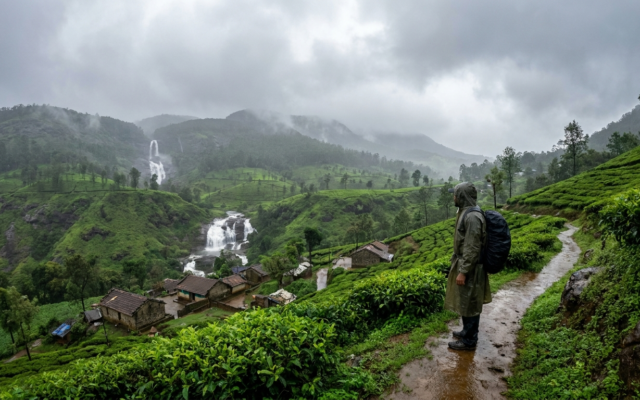
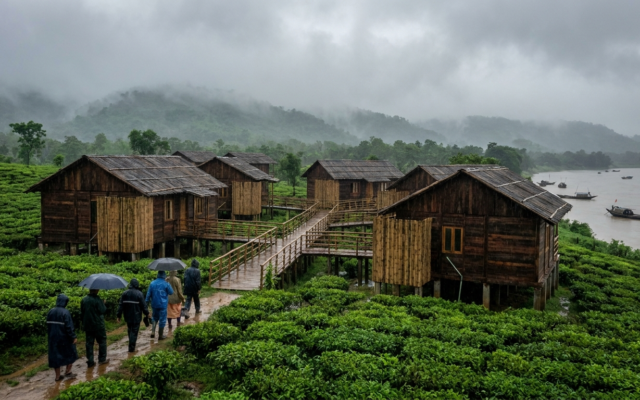
While Darjeeling might be synonymous with clear mountain vistas, its monsoon avatar in 2026 offers a different, yet equally captivating, charm. Imagine the rolling hills draped in a soft, ethereal mist, the tea leaves glistening with fresh raindrops, and the air alive with the scent of damp earth and blooming orchids. This is the time when the famed tea gardens, like those in Mirik or Lopchu, achieve a peak of lushness, appearing almost impossibly green. The usual tourist throngs are absent, allowing for a more intimate experience with the landscape and the local culture. You can walk through the quiet paths of the tea estates, perhaps even visit a factory processing the freshly plucked leaves, understanding the nuances of ‘monsoon flush’ tea, known for its delicate aroma and flavour profile.
Further down, the Dooars region, a gateway to Bhutan, transforms into an emerald paradise. The dense forests and expansive tea plantations become even more vibrant. While heavy rainfall can sometimes make jungle safaris challenging, it also means the rivers and streams are full, and the landscape is at its most fertile. Wildlife sightings can be particularly rewarding during this period, as animals often come closer to water sources. Places like Jaldapara National Park, though sometimes affected by accessibility, offer a unique chance to see rhinos and other fauna against a backdrop of verdant wilderness. The sound of rain drumming on the leaves and the mist clinging to the horizon create an atmosphere of profound peace and raw natural beauty, a truly immersive experience for those who venture here in 2026.
A Surprising Monsoon Treat: The ‘Monsoon Flush’ Tea
Did you know that the tea plucked during the monsoon months, often referred to as the ‘monsoon flush’, is highly prized by connoisseurs? In 2026, experiencing this firsthand in Darjeeling or the Dooars offers a unique sensory journey. The rapid growth during the rainy season imbues the leaves with a distinct flavour and aroma, often described as brisk and refreshing. Many tea estates offer special tasting sessions during this period, allowing you to savour this seasonal delicacy. It’s a subtle yet significant aspect of Bengal’s tea culture that flourishes under the monsoon skies.
Echoes of History and Art: Shantiniketan and Murshidabad
Moving away from the hills, West Bengal’s heartland offers a different kind of monsoon magic. Shantiniketan, Rabindranath Tagore’s utopian vision, takes on a serene and introspective quality during the rains in 2026. The red soil paths turn a rich, deep brown, and the university campus, with its open-air classes and art studios, feels infused with a sense of calm and creative energy. The monsoon showers often punctuate the day with gentle drizzles, perfect for exploring the various art installations, the Sonajhuri forest, or simply sitting under the ancient trees, listening to the raindrops. The absence of extreme heat makes it a far more comfortable time to engage with the philosophical and artistic legacy of this unique place.
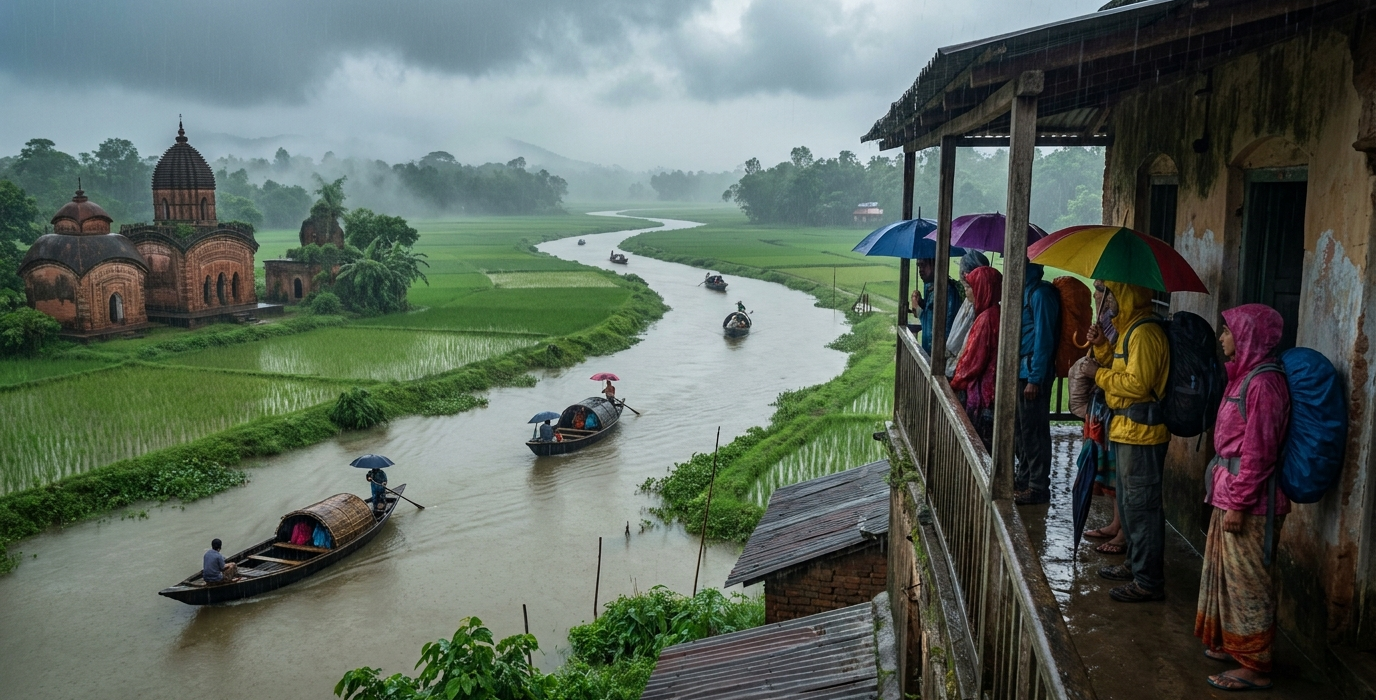
Further north, the historic city of Murshidabad, the former capital of Bengal, wears its past with a new layer of beauty during the monsoon. The magnificent Hazarduari Palace, the grand Imambara, and the tomb of Alivardi Khan are steeped in history. When the monsoon arrives in 2026, these architectural marvels are often framed by lush, overgrown gardens and reflected in the swollen waters of the Bhagirathi River. The atmosphere becomes more dramatic, the colours richer, and the sense of history more profound. Exploring these sites amidst the gentle or sometimes dramatic downpours offers a unique perspective on Bengal’s rich cultural heritage. The monsoon here doesn’t detract; it enhances, adding a layer of poignant beauty to these historical landmarks.
Murshidabad’s Waterways: A Monsoon Perspective
The Bhagirathi River is the lifeblood of Murshidabad, and during the monsoon, its presence is amplified. Boat rides, though dependent on weather conditions, can offer a unique vantage point for viewing the city’s monuments. The increased water levels bring a sense of grandeur and reflect the historical structures with a new intensity. It’s a stark reminder of the river’s historical significance in trade, communication, and the very shaping of Bengal’s past, a perspective best appreciated when the monsoon is in full swing.
The Sunderbans: A Wild Encounter in the Rains
A journey to the Sunderbans during the 2026 monsoon offers an unparalleled adventure for the nature enthusiast. While heavy rainfall can sometimes disrupt travel plans, the rewards for those who brave the elements are immense. The dense mangrove forests become even more verdant, their intricate root systems glistening under the monsoon showers. The waterways, teeming with life, become the primary mode of transport, with boat safaris offering intimate encounters with this unique ecosystem. The increased humidity and rainfall often lead to higher chances of spotting the elusive Bengal tiger, as they tend to come out to drier spots or bask in the sun after a shower.
Beyond the tiger, the Sunderbans in monsoon is a haven for a rich variety of birdlife. The wetlands are replenished, attracting migratory birds and providing ideal breeding grounds for resident species. Crocodiles and various reptiles are also more active. The dramatic skies, often filled with swirling clouds and punctuated by shafts of sunlight, add to the raw, untamed beauty of the landscape. Staying in a jungle camp or a riverside lodge provides a truly immersive experience, allowing you to witness the power of nature firsthand. It’s a trip that requires flexibility and a spirit of adventure, but the raw, unadulterated beauty of the Sunderbans in its monsoon glory is an unforgettable sight.
Timing Your Sunderbans Visit for Wildlife
While the monsoon season (June to September) is generally considered the off-season for the Sunderbans, the latter part of it, from August to September, can be ideal. The initial heavy rains subside, but the landscape remains lush. The water levels are high, making boat travel efficient, and the increased vegetation offers good cover for wildlife. Moreover, it’s a period with fewer visitors, offering a more exclusive and serene wildlife experience. Booking with a reputable tour operator is crucial for navigating the logistics and ensuring safety during this time.
The Hooghly River Cruise: A Serene Monsoon Sojourn
For a more relaxed yet equally captivating monsoon experience in 2026, consider a river cruise on the Hooghly. These cruises, often departing from Kolkata, offer a unique perspective on the state’s history and culture as you glide past ancient temples, colonial-era bungalows, and bustling riverside villages. The monsoon imbues the riverbanks with an extra layer of lushness, and the dramatic skies provide a stunning backdrop for the journey. Imagine sipping tea on deck as the rain gently falls, watching the verdant landscapes unfold, and listening to the symphony of nature. It’s a tranquil way to experience Bengal’s charm without the need for extensive travel on land.
Several operators offer multi-day cruises that can take you to historical towns like Chandannagar, Serampore, and Plassey, each with its own tales to tell. These cruises often include guided tours of historical sites, cultural performances, and delicious Bengali cuisine. The slower pace of the cruise allows for a deeper appreciation of the scenery and the rhythm of life along the river. The monsoon showers can add a dramatic flair to the proceedings, creating atmospheric views of the waterfront architecture and the surrounding greenery. It’s an experience that combines comfort, culture, and the serene beauty of Bengal under the monsoon sky, offering a refreshing alternative to traditional sightseeing.
The Literary Link: Hooghly and Bengali Literature
The Hooghly River has inspired countless Bengali poets and writers, featuring prominently in classic literature. During your 2026 monsoon cruise, you’re traversing a landscape that is deeply ingrained in Bengali cultural consciousness. Many authors have written about the river’s moods, its role in trade and society, and the lives of the people who inhabit its banks. This literary connection adds another dimension to the journey, allowing you to see the landscape not just with your eyes, but also through the lens of art and imagination.
Beyond the Beaten Path: Offbeat Monsoon Escapes
West Bengal’s monsoon season in 2026 is the perfect time to explore its lesser-known treasures. Venture into the Purulia district, for instance, and discover a landscape of rolling hills, ancient temples, and tribal villages that come alive with vibrant green after the rains. Places like Ajodhya Hills offer trekking opportunities, albeit with caution due to slippery trails, and the sight of waterfalls, swollen and powerful, is spectacular. The region’s tribal culture, often expressed through folk music and dance, is particularly vibrant during this season, offering a glimpse into a different facet of Bengal.
Another fascinating offbeat destination is Bishnupur, renowned for its terracotta temples. During the monsoon, the intricate carvings on these temples are highlighted by the moisture, and the surrounding greenery creates a picturesque contrast. The ‘Rarh’ region, of which Bishnupur is a part, transforms into a tapestry of green fields and red earth, a sight that is both rustic and profoundly beautiful. Exploring these areas requires a bit more planning and perhaps a private vehicle, but the reward is an authentic experience, far from the tourist circuit, where you can truly immerse yourself in the natural and cultural richness of Bengal during its most dramatic season.
The Terracotta Art of Bishnupur
Bishnupur’s terracotta temples are a UNESCO World Heritage site candidate and a testament to Bengal’s artistic heritage. The monsoon in 2026 offers a unique opportunity to see these temples in their full glory. The dampness accentuates the detailed carvings, showcasing the craftsmanship of the Malla dynasty. Walking through the temple complexes when the rain has just stopped, with the scent of wet earth in the air, provides a deeply atmospheric and historically significant experience. These temples, depicting scenes from Hindu epics and everyday life, become even more poignant under the monsoon skies.
Frequently Asked Questions
What is the best time to visit West Bengal during the monsoon in 2026?
The monsoon season typically runs from June to September. For a balance of lush greenery and manageable weather, consider visiting in late August or September. Early monsoon (June-July) can experience heavier rainfall, which might disrupt travel, especially in hilly or remote areas. The latter part of the season offers beautiful landscapes with fewer disruptions.
What are the essential items to pack for a monsoon trip to West Bengal in 2026?
You’ll need waterproof clothing, including a good quality raincoat and umbrella. Quick-drying footwear, such as waterproof sandals or trekking shoes with good grip, is essential. Pack insect repellent, as mosquitoes can be prevalent. Also, bring a waterproof bag or cover for your electronics and important documents. Consider carrying a small first-aid kit with basic medications.
Are there any specific festivals in West Bengal during the 2026 monsoon that I should know about?
Yes, the monsoon season often coincides with significant festivals. Raksha Bandhan (typically in August) and Janmashtami (also in August) are celebrated. The most prominent festival during this period is undoubtedly Durga Puja, which usually falls in September or October, marking the end of the monsoon season with grand celebrations, especially in Kolkata. While the main festivities are post-monsoon, the preparations and early rituals often begin during the latter part of the rains.
Is it safe to travel to the Sunderbans during the monsoon in 2026?
Travel to the Sunderbans during the monsoon requires careful planning and checking weather advisories. While the ecosystem is vibrant, heavy rainfall can lead to flooded areas and rough river conditions. It’s advisable to book with experienced tour operators who are equipped to handle monsoon travel and prioritize safety. Many lodges and boats are equipped to manage moderate monsoon conditions, but extreme weather can lead to cancellations.
How does the monsoon affect travel in the hilly regions like Darjeeling in 2026?
The monsoon can bring heavy rainfall, fog, and landslides to the hilly regions. While this creates a dramatic and misty landscape, it can also lead to road closures and travel disruptions. Flights to Bagdogra airport might face delays due to poor visibility. It’s crucial to check local weather updates and road conditions before and during your travel. However, the greenery and fewer crowds can be a significant draw for many travelers.