Key Takeaways
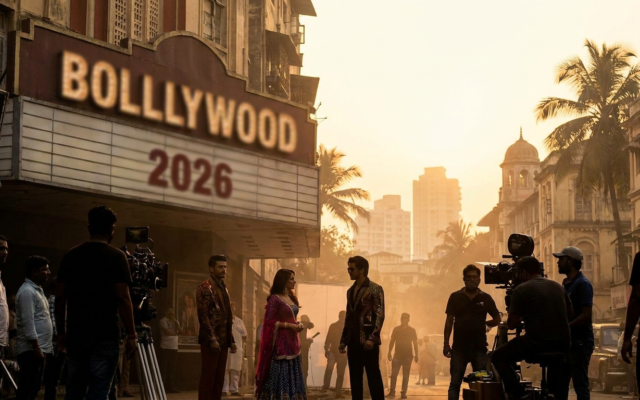
- The 2026 Bollywood calendar is packed with sequels, historical epics, and star-studded dramas poised to break box office records.
- Expect a significant push in VFX and storytelling innovation, aiming to recapture both domestic and international audiences.
- Several films are venturing into new genres and exploring diverse narratives, signaling a potential shift in Bollywood’s traditional output.
- The economic landscape for film distribution and exhibition is evolving, with streaming partnerships and international co-productions playing a crucial role.
The Grand Spectacle: Historical Epics and Grand Narratives
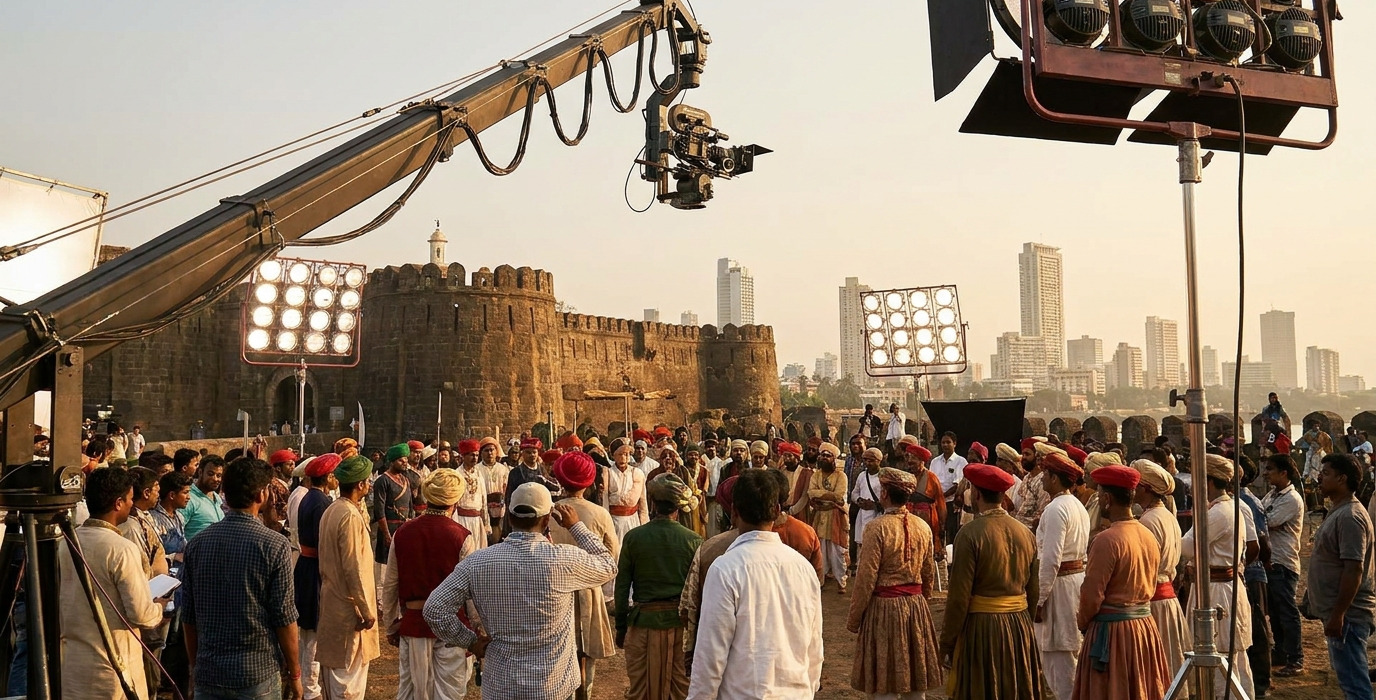
The year 2026 promises a breathtaking return to historical epics and grand narratives in Bollywood, aiming to recreate the magic of past blockbusters. We’re seeing a renewed focus on stories that resonate with India’s rich past, presented with modern cinematic flair. Filmmakers are investing heavily in authentic period detailing, lavish sets, and extensive research to bring these sagas to life. These films aren’t just about entertainment; they aim to educate and instill national pride, tapping into a deep-seated appreciation for history among Indian audiences.
One of the most anticipated projects is “Samrat Prithviraj Chauhan: The Unconquered,” a sprawling biographical drama chronicling the life of the legendary Rajput king. Directed by a renowned historical filmmaker, the movie boasts an all-star cast and a colossal budget, reportedly exceeding ₹300 crore. Early reports suggest extensive shooting schedules across Rajasthan and Gujarat, with meticulously crafted costumes and weaponry designed to transport viewers back to the 12th century. The film aims to capture the valour, strategic brilliance, and tragic end of Chauhan, a figure synonymous with bravery. Another significant contender is “The Mughal Empress,” a fictionalised account of a powerful but often overlooked female ruler from the Mughal era, promising a story of ambition, political intrigue, and personal sacrifice. The sheer scale of these productions signifies a bold statement from the industry, betting big on narratives that connect with India’s cultural consciousness.
The Rise of the Spectacle Film
The success of recent large-scale productions has emboldened producers to greenlight even more ambitious projects. The focus is on creating immersive cinematic experiences that draw audiences back to the theatres. This includes a significant emphasis on visual effects (VFX) and sound design, aiming to compete with global standards. The aim is to provide a spectacle that simply cannot be replicated on a home screen. It’s about transporting audiences to another time and place, making the cinema hall the ultimate destination for grand storytelling.
“We are not just making films; we are crafting legacies. The 2026 slate is a testament to Bollywood’s enduring power to tell stories that are both deeply Indian and universally resonant.”
Sequels and Franchise Power: Familiar Faces, New Adventures
Bollywood is leaning heavily on the power of established franchises and beloved sequels in 2026, a strategy that has consistently proven its mettle at the box office. Audiences have a built-in connection with these characters and their worlds, making them a safer bet for producers amidst increasing production costs. This year, we can expect several high-octane actioners, romantic comedies, and even some social dramas to return with fresh installments, promising to pick up where their predecessors left off. The key here is balancing fan expectations with fresh narrative arcs to avoid stagnation.
The highly anticipated “Dhoom 5: Race Against Time” is set to redefine high-speed chases and daring heists. Rumours suggest a new antagonist played by a global action star and exotic filming locations across South America. The franchise is known for its slick production values and chart-topping music, and this installment is expected to be no different. Equally exciting is the continuation of the “Gully Boy” universe with “Gully Boy 2: Apna Time Aayega,” delving deeper into the lives of the street rappers from Mumbai’s Dharavi. This film promises to explore new themes of fame, artistic integrity, and the challenges of navigating the mainstream music industry. We also have the return of the beloved detective franchise, “Sherlock Holmes in India,” which continues to blend classic mystery with a distinctly Indian flavour, exploring new cases set against the backdrop of bustling metropolises and serene hill stations.
The Franchise Formula
The success of franchises lies in their ability to build a loyal fanbase over time. Each new installment capitalises on this existing goodwill, reducing the marketing burden and guaranteeing a baseline audience. However, filmmakers are aware that relying solely on nostalgia isn’t enough. They need to inject new life into these series with innovative storylines, character development, and contemporary relevance to keep audiences engaged and attract new viewers. This often involves exploring darker themes, introducing new characters, or even shifting genres slightly to keep things fresh and exciting.
The industry is also exploring ways to expand these universes through interconnected stories and spin-off projects, creating a more comprehensive cinematic ecosystem. This strategic approach aims to maximise the longevity and profitability of each successful franchise, turning them into veritable Bollywood IPs. It’s a carefully calculated strategy to ensure sustained box office success.
The Social Conscience: Films Tackling Contemporary Issues
Beyond the glitz and grandeur, 2026 is also shaping up to be a significant year for films that tackle pressing social issues and contemporary concerns. Bollywood is increasingly using its powerful platform to spark conversations and reflect the realities faced by ordinary Indians. These films often blend compelling storytelling with a strong social message, aiming to provoke thought and inspire change. They resonate deeply with audiences who seek more than just escapism at the cinema.
One such film making waves is “The Water Crisis,” a hard-hitting drama set in a drought-stricken village in rural Maharashtra. It highlights the plight of farmers, the impact of climate change, and the struggle for basic resources. The film is praised for its realistic portrayal of hardship and its nuanced exploration of human resilience. Another noteworthy release is “Digital Divide,” a satirical comedy-drama that critiques the growing chasm between the digitally connected urban elite and the underserved rural population. It uses humour to highlight the absurdities of modern life and the often-unintended consequences of technological advancement. We also have “The Unseen Labour,” a poignant film shedding light on the often-overlooked contributions of domestic workers and migrant labourers in India’s economic engine. This film aims to humanise a segment of society frequently rendered invisible.
From Reel to Real Impact
These films often go beyond mere cinematic success, aiming to have a tangible impact on society. Many are associated with charitable initiatives or awareness campaigns, leveraging their release to drive real-world change. The intention is to use the power of storytelling to foster empathy, understanding, and a collective desire for a better future. It’s about making cinema a catalyst for positive social transformation.
The growing appetite for such content indicates a maturation of the Indian audience, who are increasingly looking for films that are not only entertaining but also meaningful and thought-provoking. This trend is encouraging for filmmakers who wish to use their art for a greater purpose. It signals a healthy evolution in Bollywood’s thematic landscape.
The Global Ambition: Cross-Cultural Collaborations and International Appeal
Bollywood’s gaze in 2026 is firmly set on the global stage, with an increasing number of productions aiming for international appeal and cross-cultural collaborations. Filmmakers are not only looking to capture the lucrative Indian diaspora market but also to penetrate mainstream international cinema. This involves adapting storytelling techniques, embracing diverse casting, and exploring universal themes that transcend geographical and cultural boundaries. The aim is to create films that can be appreciated and enjoyed by audiences worldwide.
A prime example of this global ambition is the highly anticipated action-thriller “Mumbai Noir,” a co-production between an Indian studio and a leading Hollywood production house. The film features a diverse cast, including prominent Indian actors and Hollywood stars, and is shot across various iconic locations in Mumbai and Los Angeles. It blends Bollywood’s signature song-and-dance sequences with Hollywood’s slick action choreography and narrative pacing, aiming for a broad appeal. We are also seeing a surge in collaborations with filmmakers and technicians from countries like South Korea, known for their high-quality genre films, and Europe, celebrated for its nuanced storytelling. These partnerships aim to infuse Bollywood with fresh perspectives and technical expertise.
Bridging the Cultural Divide
The challenge, and indeed the opportunity, lies in crafting narratives that feel authentically Indian while also being universally accessible. This means finding common ground in human emotions, relationships, and aspirations. It’s about telling stories that have a local flavour but a global heartbeat. The success of films like “Raja Babu’s Grand Adventure” (a fictionalised comedy about an Indian entrepreneur’s misadventures in Silicon Valley) demonstrates that a unique cultural premise can be a strength when executed with universal themes.
The integration of advanced VFX and global filmmaking standards is also crucial. Bollywood is investing in world-class studios and training programs to ensure its technical capabilities can match international benchmarks. This global outlook is not just about expanding market share; it’s about elevating Indian cinema to a truly global art form. It signifies a new era of confidence and ambition for the industry.
The Rise of Independent Voices and Niche Genres
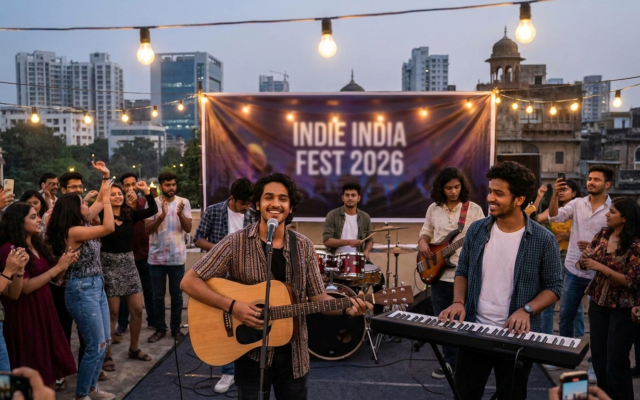
While the big-budget spectacles dominate headlines, 2026 is also witnessing a significant rise in independent voices and the exploration of niche genres within Bollywood. These films, often made with smaller budgets but immense creativity, are pushing boundaries and catering to a more discerning audience. They offer fresh perspectives, tackle unconventional subjects, and experiment with narrative structures, providing a vital counterpoint to mainstream cinema. This diversification is a sign of a healthy and evolving film industry.
We are seeing a growing interest in sci-fi thrillers, experimental dramas, and hyper-local stories that might have previously struggled to find a platform. For instance, “The Last Signal,” a low-budget sci-fi film set in a post-apocalyptic Mumbai, has garnered critical acclaim for its innovative storytelling and thought-provoking themes, proving that compelling narratives don’t always require massive budgets. Another exciting trend is the emergence of regional filmmakers gaining national recognition and Bollywood backing for their unique storytelling styles, bringing diverse cultural nuances to a wider audience. This cross-pollination enriches the entire cinematic landscape.
The Power of Unconventional Storytelling
These independent films often thrive on originality and a commitment to artistic vision. They are less constrained by commercial pressures, allowing filmmakers to take greater risks and explore subjects that mainstream cinema might shy away from. This often results in films that are more authentic, emotionally resonant, and intellectually stimulating. We’re seeing a deliberate move away from formulaic plots towards more nuanced and character-driven narratives.
The streaming revolution has played a pivotal role in providing a platform for these independent films, giving them a reach they might not have otherwise achieved. This accessibility allows them to find their audience and build a following, encouraging more filmmakers to pursue their creative visions. The success of these niche films is a testament to the fact that quality storytelling, regardless of budget, can find its audience. It’s a vibrant and essential part of Bollywood’s growth.
The Economic Landscape: Streaming, Exhibitions, and New Revenue Streams
The economic model for Bollywood in 2026 is undergoing a significant transformation, driven by the evolving landscape of streaming, traditional exhibition, and the emergence of new revenue streams. While cinema halls remain vital, their role is being redefined in conjunction with digital platforms. This hybrid approach is crucial for navigating the complexities of the modern entertainment market. The industry is adapting to ensure profitability and reach.
A key trend is the increased collaboration between studios and streaming giants. Many big-budget films are now opting for simultaneous theatrical and digital releases, or a staggered release strategy that allows them to capture audiences on multiple platforms. This provides flexibility and caters to diverse viewing habits. For example, “Chandni Chowk to China 2.0” will have an exclusive theatrical window followed by a premium video-on-demand (PVOD) release on a major streaming service within weeks. This strategy aims to maximise revenue and reach a wider audience, including those who prefer to watch from home.
Beyond the Box Office
The industry is also exploring innovative revenue streams beyond ticket sales and streaming rights. This includes merchandising, live events, virtual reality experiences, and even the development of related gaming franchises. The aim is to create a holistic entertainment ecosystem around successful films and characters. For instance, a popular historical epic might spawn a series of educational VR experiences or a mobile game that allows players to explore the film’s world.
The economic viability of multiplexes is also being re-evaluated. While they continue to be the primary destination for event cinema, there’s a growing emphasis on providing an enhanced viewing experience – from premium seating and gourmet food options to immersive sound and visual technologies. This is about making the cinema hall a destination, not just a place to watch a movie. The successful integration of these elements is vital for the long-term health of Bollywood.
Frequently Asked Questions
What are the biggest Bollywood movie genres expected in 2026?
The biggest genres are historical epics, action sequels, social dramas tackling contemporary issues, and globally-oriented cross-cultural collaborations. We’re also seeing a rise in independent films exploring niche genres like sci-fi and experimental drama.
How is streaming impacting Bollywood’s box office in 2026?
Streaming platforms are significantly impacting Bollywood by offering simultaneous or staggered releases, creating new revenue streams, and providing a platform for independent films. This hybrid model aims to maximise reach and profitability.
Are there any major Hollywood-Bollywood collaborations planned for 2026?
Yes, there are several significant cross-cultural collaborations planned, aiming for international appeal. These often involve shared production, diverse casting, and blending cinematic styles to reach a global audience.
What is the trend in film budgets for 2026?
While big-budget historical epics and action sequels continue to command large investments, there’s also a notable trend of successful, innovative films being made with smaller budgets by independent filmmakers. The focus is shifting towards strong storytelling and creative execution regardless of scale.
How is Bollywood adapting to changing audience preferences in 2026?
Bollywood is adapting by diversifying its content, exploring new genres, focusing on relatable social issues, and embracing global storytelling trends. There’s a conscious effort to move beyond traditional formulas and cater to a more discerning and varied audience.