Key Takeaways
- Independent artists in India are achieving significant commercial and critical success in 2026, breaking genre barriers.
- Digital platforms and savvy marketing are key to reaching global audiences from cities like Mumbai and Bengaluru.
- The fusion of traditional Indian sounds with contemporary global genres is a dominant trend, creating unique sonic landscapes.
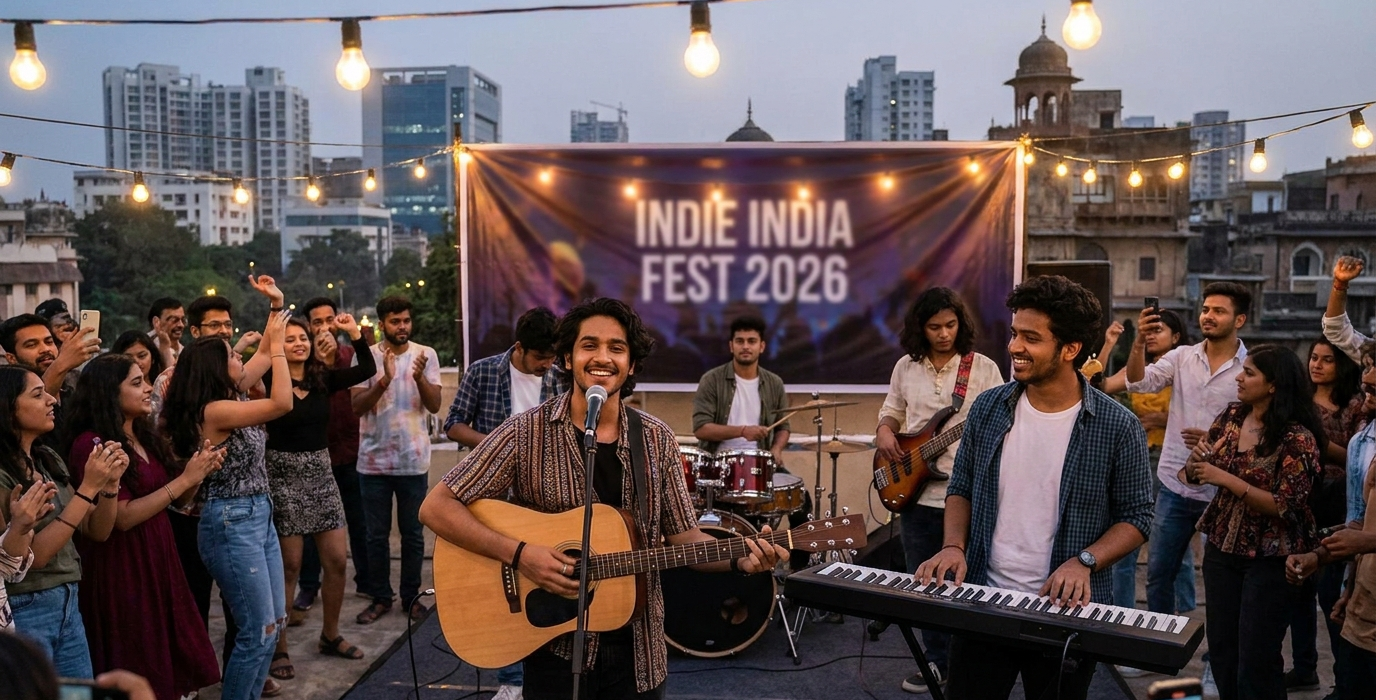
- Live performances and community building are vital for sustaining indie careers, with festivals and local gigs playing a crucial role.
The New Sound of India: Indie Artists Charting Their Own Course
The Indian music industry, long dominated by Bollywood soundtracks, is witnessing a vibrant revolution. In 2026, independent artists are not just creating music; they are building empires, captivating audiences worldwide, and redefining what success looks like. From the bustling streets of Mumbai to the tech-savvy hubs of Bengaluru, a new generation of musicians is leveraging digital platforms and innovative strategies to carve out their unique niches. We’re seeing an unprecedented surge in creativity, with artists pushing boundaries and blending diverse influences into compelling sonic narratives.
This isn’t just about niche appeal anymore. These independent acts are topping streaming charts, selling out shows, and even finding their way into mainstream media. Their independence allows them the freedom to experiment, to be authentic, and to connect directly with their fans. This direct connection is the bedrock of their burgeoning success, fostering a loyal community that champions their every release. We are truly at an inflection point, where the power has shifted, and the DIY spirit is leading the charge in the Indian music landscape.
Bengaluru’s Bassline: The Tech-Driven Rise of Electronic Independents
Bengaluru, India’s Silicon Valley, is also a pulsating heart for electronic music independents. Artists here are not just producers; they are often savvy technologists who understand the digital landscape intimately. In 2026, we see a strong contingent of electronic musicians who have mastered the art of online promotion, using platforms like SoundCloud, Bandcamp, and even localized streaming services to build a global following. Their music often features intricate sound design, drawing inspiration from both global techno and house scenes, as well as infused with subtle hints of Indian classical rhythms or regional folk melodies.
One such artist, Rohan “Rhythm Weaver” Desai, has seen his ambient techno track “Cauvery Dreaming” rack up over 10 million streams globally this year. His success is a testament to his meticulous production quality and his strategic use of social media to engage with a dedicated fanbase. Desai often hosts virtual listening parties and interactive Q&A sessions from his home studio in Indiranagar, fostering a sense of intimacy despite the vast digital distance. Another Bengaluru-based collective, “The Gherkin Collective,” known for their experimental fusion of breakbeat and Carnatic percussion, recently headlined a major European electronic music festival, a feat almost unheard of for an Indian indie act just a few years ago.
Their approach is data-driven. They meticulously track listener demographics, engagement rates, and promotional campaign effectiveness, using these insights to refine their outreach. This analytical mindset, honed in their day jobs in the tech sector, is a significant advantage. It allows them to optimize their releases, target specific audiences with precision, and build sustainable careers that aren’t solely reliant on traditional record label structures. This tech-forward approach is setting a new benchmark for aspiring artists across the country.
The Bengaluru Advantage
Bengaluru’s unique ecosystem provides fertile ground for this kind of innovation. The city’s cosmopolitan culture, its large population of young, tech-literate professionals, and its vibrant nightlife scene all contribute to a receptive audience for cutting-edge music. Furthermore, the presence of numerous co-working spaces and tech incubators often fosters cross-disciplinary collaboration, meaning musicians can easily connect with graphic designers, videographers, and marketing experts to create cohesive artistic projects. The city’s relatively affordable living costs compared to Mumbai also allow artists to dedicate more resources to their craft without the immediate pressure of massive financial burdens.
Mumbai’s Melody Makers: Genre-Bending Storytellers from the Metropolis
Mumbai, the undisputed capital of India’s entertainment industry, is now also a breeding ground for independent musicians who are challenging the status quo with their diverse sounds and compelling lyrical content. In 2026, we’re seeing artists from this sprawling metropolis who are masterfully blending hip-hop beats with Sufi poetry, folk melodies with indie-rock anthems, and pop sensibilities with experimental electronica. These artists are not afraid to tell stories that reflect the complex realities of urban Indian life, touching upon themes of identity, migration, social change, and personal struggle.
Take Ananya Sharma, whose latest EP, “Chai & City Lights,” has been a surprise hit. Her music, a soulful blend of R&B vocals and Marathi folk instrumentation, tells intimate stories of everyday Mumbaikars. Sharma’s breakout single, “Local Train Lullaby,” a poignant ode to the city’s commuters, resonated deeply, climbing the independent charts for weeks. Her live shows, often held in intimate venues like The Blue Frog’s successor or even open-air amphitheatres in Bandra, are known for their raw emotional power and audience participation, creating a profound connection.
Another artist making waves is “MC Kavi” (real name Karim Khan), a rapper whose intricate wordplay and socially conscious lyrics have earned him critical acclaim and a dedicated following. Kavi, who hails from the Dharavi slums, uses his music to highlight issues of poverty, inequality, and resilience. His recent track, “Dharavi Dreams,” featuring a chorus sung by a local community choir, has become an anthem for many, demonstrating the power of music to amplify marginalized voices. His success proves that authentic storytelling, coupled with undeniable lyrical skill, can transcend economic barriers.
The Power of Narrative
These Mumbai-based artists understand that in the crowded digital space, a strong narrative is as important as a catchy melody. They are using their music to paint vivid pictures of India’s diverse cultural tapestry, offering perspectives that are often overlooked by mainstream media. Their ability to weave personal experiences into universal themes allows them to connect with listeners on a deeply emotional level, fostering loyalty that translates into sustained engagement and commercial success. The city’s rich artistic heritage and its constant flux provide an inexhaustible source of inspiration for these storytellers.
The Fusion Frontier: Traditional Roots, Global Rhythms
A defining characteristic of India’s independent music scene in 2026 is the audacious fusion of traditional Indian musical elements with contemporary global genres. Artists are no longer content with mere sampling; they are engaging in deep cultural dialogues within their music, seamlessly integrating classical ragas, folk instruments, and regional vocal traditions into genres like jazz, rock, hip-hop, and electronic music. This sonic alchemy is creating a truly unique and universally appealing sound that is captivating audiences both within India and across the world.
Consider “The Baul Collective,” a group from West Bengal that has gained international recognition for their electrifying performances. They fuse the mystical devotional music of the Baul tradition with driving rock rhythms and psychedelic guitar solos. Their live shows are a sensory explosion, featuring traditional instruments like the ektara and khamak alongside electric guitars and synthesizers, all propelled by the soulful, trance-inducing vocals of their lead singer. Their recent album, “Mystic Mash,” has been lauded by international music critics for its innovative approach and its ability to transport listeners to another realm.
Similarly, in the South, artists are drawing from Carnatic and Hindustani classical music. A band like “Raga Rockers” from Chennai, for instance, has found success by incorporating complex Carnatic melodic structures into progressive rock arrangements. Their instrumental tracks often feature virtuosic improvisations on the sarod and tabla, interwoven with soaring electric guitar melodies and intricate drum patterns. This sophisticated blend appeals to both classical music aficionados and fans of complex rock music, demonstrating the broad appeal of this cross-cultural experimentation.
“We’re not just borrowing from tradition; we’re breathing new life into it, making it relevant for a generation that wants to hear its own stories told through its own music.” – Ananya Sharma, Mumbai-based independent artist.
This trend signifies a maturation of the Indian music industry, where artists are confidently exploring their heritage not as a relic of the past, but as a dynamic source of inspiration for the future. They are demonstrating that traditional elements can be modern, vibrant, and universally relatable when approached with creativity and respect. This fusion is not just a musical trend; it’s a cultural statement, showcasing India’s rich diversity on a global stage.
Surprising Success: Unlikely Genres Finding Mainstream Appeal
While established genres are evolving, 2026 is also proving to be a year where some of the most unexpected musical styles are finding significant traction among Indian indie audiences. We’re seeing artists in genres that were once considered too niche or experimental break through into the mainstream consciousness, often through viral online moments or well-placed collaborations. This indicates a growing adventurousness and openness among listeners to explore beyond the familiar.
One such surprising success story is that of “Hindustani Glitch,” a duo from Pune that creates intricate electronic music heavily influenced by 19th-century Marathi devotional poetry. Their sound, characterized by glitchy beats, distorted vocals, and unexpected shifts in tempo, might seem challenging on the surface. However, their track “Abhang of the Algorithm,” which humorously juxtaposes ancient spiritual verses with modern digital anxieties, went viral on TikTok in early 2026, leading to massive streaming numbers and even a feature in a popular streaming service’s ‘Global Electronic Discoveries’ playlist. This demonstrates how a clever concept and relatable modern themes can propel an experimental sound to new heights.
Another fascinating development is the rise of “Ghazal Punk.” This subgenre, pioneered by artists like “The Dissenters” from Lucknow, takes the melancholic and poetic structure of the ghazal and injects it with the raw energy and rebellious spirit of punk rock. Their live performances are legendary, featuring Urdu poetry set to aggressive guitar riffs and pounding drums, often attracting a young audience that might not have previously engaged with traditional ghazals. Their ability to merge the sophisticated lyrical tradition of the ghazal with the visceral power of punk has created a unique and potent artistic statement.
Beyond the Charts
These artists are not just achieving commercial success; they are also contributing to a richer, more diverse cultural landscape. They are proving that “niche” doesn’t have to mean “obscure” in the digital age. By embracing digital tools and fostering online communities, they are finding their audiences and demonstrating that musical innovation can come from the most unexpected corners of India. This willingness to experiment and to be unapologetically themselves is the hallmark of the new Indian indie wave.
The Road Ahead: Sustainability and Global Reach
As independent artists in India continue to gain momentum in 2026, the focus is shifting towards long-term sustainability and expanding their global reach. The initial surge of digital fame is one thing, but building a lasting career requires more than just viral hits. This involves developing robust business strategies, fostering stronger connections with international audiences, and navigating the evolving landscape of the music industry.
Many artists are now investing in their own production and distribution infrastructure, reducing reliance on traditional intermediaries. This includes building in-house marketing teams, developing merchandise lines, and exploring direct-to-fan sales models. For example, “The Baul Collective” has launched a successful crowdfunding campaign to fund their next album and international tour, offering exclusive fan experiences and early access to music as rewards. This direct engagement not only generates revenue but also strengthens their community ties.
Furthermore, international collaborations are becoming increasingly common. Artists are actively seeking partnerships with musicians, producers, and labels from around the world. This helps them tap into new markets and gain exposure to different musical perspectives. A recent collaboration between Mumbai rapper “MC Kavi” and a renowned Canadian hip-hop artist resulted in a track that charted in both countries, showcasing the power of cross-border creative synergy. The recent establishment of the “Indie Music Connect” initiative, supported by various cultural bodies, aims to facilitate these international exchanges through showcases and networking events.
Navigating the Future
The future for Indian indie music looks incredibly bright, but it also demands adaptability. Artists who can effectively manage their careers, build sustainable revenue streams, and continue to innovate musically are the ones who will thrive. The global appetite for authentic, diverse, and creatively rich music is growing, and India’s independent artists are perfectly positioned to meet that demand. We are witnessing a movement that is not just about music, but about cultural influence and artistic independence on a global scale.
Frequently Asked Questions
What are the biggest challenges for independent artists in India today?
The primary challenges often revolve around securing consistent funding for projects, navigating complex distribution channels, and cutting through the noise in an increasingly saturated digital market. Building a dedicated fanbase and achieving sustained visibility beyond viral moments requires significant effort and strategic planning.
How are Indian independent artists using social media for promotion in 2026?
In 2026, artists are employing a multi-platform strategy. This includes creating engaging short-form video content for platforms like Instagram Reels and TikTok, hosting live Q&A sessions and virtual performances on YouTube and Twitch, and building exclusive communities on platforms like Discord or Patreon for superfans. They also leverage targeted advertising and influencer collaborations.
What role do traditional Indian music schools play in supporting indie artists?
While the indie scene often thrives outside formal institutions, traditional music schools are increasingly embracing contemporary approaches. Some now offer courses in music production, digital marketing, and sound engineering alongside classical training. They also serve as hubs for networking, allowing students to connect with peers and mentors who might venture into independent music.
Are there specific government initiatives supporting independent musicians in India in 2026?
Yes, there are growing initiatives. The Ministry of Culture and various state governments are launching programs that offer grants for independent music projects, facilitate international cultural exchange, and support music festivals. Organizations like the Indian Performing Right Society (IPRS) also play a role in ensuring artists receive royalties and protections.