Key Takeaways
- Mumbai’s skyline is being redefined by ambitious projects, blending sustainable design with cutting-edge technology.
- Key developments like the Navi Mumbai International Airport and the Coastal Road are set to transform connectivity and urban living.
- Look out for innovative residential and commercial spaces that prioritize green living and community integration.
- These architectural shifts signal Mumbai’s growing prominence as a global hub, balancing rapid growth with environmental responsibility.
The Evolving Canvas: Mumbai’s Architectural Renaissance
Mumbai, the city that never sleeps, is once again proving its dynamism through a remarkable architectural renaissance. As of August 2026, the city’s skyline is not just growing taller, but smarter and more sustainable. Gone are the days when concrete jungles were the sole markers of progress. Today, we’re witnessing a conscious integration of nature, technology, and community into the very fabric of urban development. This shift is driven by a desire to not only accommodate a burgeoning population but to enhance the quality of life for its citizens. We are seeing ambitious projects that are not just buildings, but statements of intent for Mumbai’s future. The city is embracing innovation, pushing the boundaries of what’s possible in design and engineering. This transformation is palpable, from the southern tip to the northern suburbs, and it promises to reshape how we live, work, and interact within this vibrant metropolis.
The focus has moved beyond mere functionality to creating aesthetically pleasing, energy-efficient, and future-ready structures. Developers are increasingly incorporating elements like rainwater harvesting, solar power integration, and extensive green spaces. This isn’t just a trend; it’s a fundamental re-evaluation of urban living in the face of climate change and resource scarcity. You can see this commitment reflected in the design philosophies of the new commercial hubs and residential complexes alike. The city is actively trying to balance its relentless pace of development with a commitment to a greener tomorrow. This ambitious undertaking requires a concerted effort from architects, urban planners, government bodies, and citizens. The result is a city that is not only a testament to human ingenuity but also a responsible steward of its environment.
Bridging the Gaps: The Coastal Road and Navi Mumbai Airport
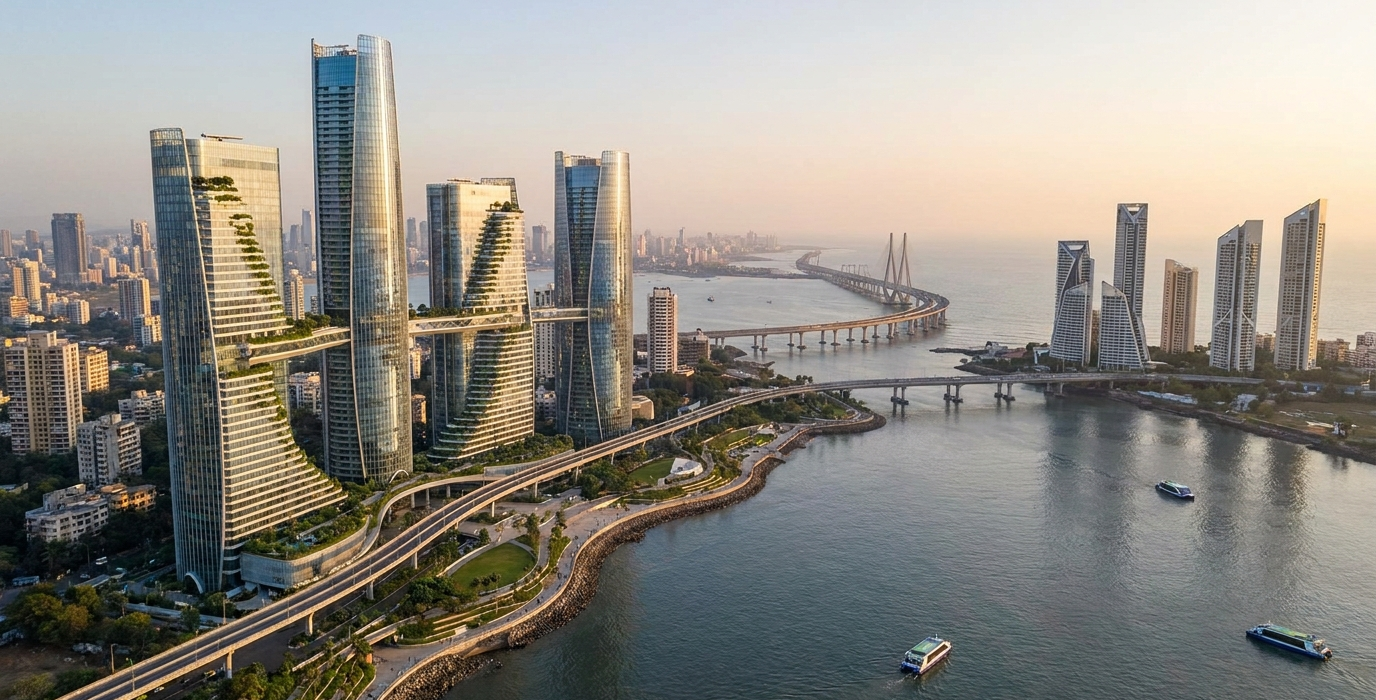
Perhaps the most visible signs of Mumbai’s ongoing transformation are the mega-infrastructure projects that are literally reshaping the city’s geography. The Mumbai Trans Harbour Sea Link (MTHL), now fully operational and a marvel of engineering, has drastically reduced travel time between South Mumbai and Navi Mumbai. This has opened up new avenues for development and eased congestion on existing routes. Imagine crossing this majestic bridge, a ribbon of concrete and steel over the Arabian Sea, in mere minutes. It’s a testament to India’s growing prowess in large-scale infrastructure development.
Complementing the MTHL is the much-anticipated Navi Mumbai International Airport (NMIA). As of August 2026, significant portions of its infrastructure are nearing completion, promising to alleviate the immense pressure on Mumbai’s Chhatrapati Shivaji Maharaj International Airport. This Greenfield airport, being built on a reclaimed land parcel, is designed to be one of the busiest and most technologically advanced airports in the world. Its construction itself is a feat, involving massive land reclamation and intricate planning. The NMIA is poised to be a gateway not just for travellers but for commerce and tourism, further cementing Mumbai’s status as a global hub.
The impact of these projects extends beyond mere connectivity. They are catalysts for economic growth, creating jobs and stimulating real estate development in previously underserved areas. They represent a bold vision for a more integrated and accessible Mumbai Metropolitan Region. You can already feel the ripple effect, with businesses looking to establish themselves closer to these new transit points. This is about creating a seamless urban experience, where distance is no longer a barrier to opportunity. The vision is clear: a Mumbai that is more connected, more efficient, and more livable for all its residents.
Vertical Villages and Sustainable Sanctuaries
The residential landscape of Mumbai is undergoing a profound metamorphosis. Beyond the iconic skyscrapers, developers are increasingly focusing on creating “vertical villages” – self-sufficient communities within towering structures. These aren’t just apartments; they are designed to offer a holistic living experience. Think of integrated schools, healthcare facilities, retail spaces, and extensive recreational zones, all within the confines of a residential complex. This approach aims to reduce the daily commute and foster a stronger sense of community among residents.
Sustainability is no longer an optional add-on but a core design principle. Many new projects are incorporating green building certifications like LEED or GRIHA. You’ll find buildings equipped with advanced water recycling systems, solar panels on rooftops to supplement energy needs, and intelligent waste management solutions. The use of eco-friendly materials and construction techniques is also on the rise. Developers are actively seeking ways to minimize the environmental footprint of their projects, recognizing the urgent need for responsible urban development. This move towards greener living spaces is crucial for mitigating the environmental impact of a densely populated city like Mumbai.
One surprising fact is the increasing adoption of passive cooling techniques in these new developments. Instead of relying solely on air conditioning, architects are using building orientation, natural ventilation shafts, and specialized facade designs to keep interiors cool. This not only reduces energy consumption but also contributes to a healthier indoor environment. We are also seeing a rise in rooftop gardens and vertical farms within residential towers, bringing a touch of nature right to people’s doorsteps and even contributing to local food production. These initiatives are transforming urban living from a concrete experience to one that is more harmonious with nature.
Commercial Hubs of the Future: Innovation Meets Infrastructure
Mumbai’s commercial real estate is also witnessing a remarkable evolution, moving beyond traditional office spaces to dynamic, mixed-use developments. The city is attracting significant investment in business districts that prioritize collaboration, innovation, and employee well-being. These new hubs are not just about desks and cubicles; they are designed to foster creativity and productivity. Imagine a workplace where natural light floods in, where green spaces are integrated into the office floor, and where amenities like gyms, cafes, and even childcare facilities are readily available.
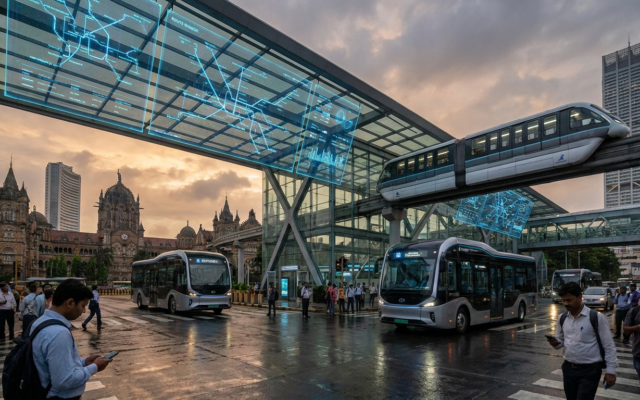
The integration of smart technology is another defining characteristic. Building Management Systems (BMS) are becoming standard, optimizing energy consumption, security, and occupant comfort. Internet of Things (IoT) devices are being deployed to monitor and control various aspects of the building, from lighting to air quality. This technological advancement creates more efficient and responsive work environments. You’ll find charging stations for electric vehicles are becoming a common sight in parking lots, reflecting a broader shift towards sustainable transportation.
A particularly noteworthy trend is the rise of flexible workspaces and co-working environments. These spaces cater to the growing number of startups, freelancers, and remote workers, offering adaptable solutions that can be scaled up or down as needed. They promote a culture of shared resources and networking, which is vital for a city like Mumbai that thrives on innovation and entrepreneurship. These are not just office buildings; they are ecosystems designed to support the future of work, blending cutting-edge design with practical functionality. They are becoming vibrant centers of economic activity, attracting talent and investment from across the globe.
Reimagining Public Spaces: From Concrete to Community Gardens
The transformation of Mumbai isn’t confined to private developments; public spaces are also being reimagined with a focus on community engagement and environmental stewardship. Parks and recreational areas are being revitalized, incorporating sustainable landscaping and interactive elements. The aim is to create vibrant, accessible, and inclusive spaces where people can connect with nature and with each other. You’ll find that new public plazas are often designed with permeable surfaces to help with rainwater absorption, reducing urban flooding.
A fascinating development is the urban gardening movement gaining traction within the city. Many housing societies and community groups are transforming underutilized spaces into vibrant gardens. These initiatives not only beautify the surroundings but also promote local food production and environmental awareness. It’s inspiring to see residents actively participating in creating greener, more sustainable urban landscapes. This grassroots approach is a powerful complement to larger government-led initiatives.
Consider the ambitious project to redevelop the Mahalaxmi Racecourse. While the final plans are still evolving, the discussions are heavily skewed towards incorporating extensive public green spaces, cultural venues, and improved pedestrian access, rather than just a purely commercial development. This signals a growing understanding of the importance of public amenities in enhancing the quality of urban life. The focus is shifting from purely functional infrastructure to spaces that nurture well-being and foster a sense of belonging. These are the lungs of the city, and their thoughtful design is paramount for a healthy, happy Mumbai.
A Glimpse into the Future: Smart Cities and Green Living
Mumbai is increasingly embracing the concept of a “smart city,” where technology and data are used to improve urban services and enhance the quality of life for citizens. This includes intelligent traffic management systems that reduce congestion and optimize commute times, smart waste management solutions that improve sanitation, and a more responsive public utility network. The aim is to make the city more efficient, sustainable, and livable. You’ll see more sensor networks being deployed across the city to gather real-time data on everything from air quality to traffic flow.
The emphasis on green living is perhaps the most significant and enduring trend. As environmental concerns grow, Mumbai’s developers and policymakers are prioritizing sustainable practices. This includes promoting renewable energy sources, improving waste management and recycling rates, and creating more green spaces. The goal is to build a city that can thrive ecologically as well as economically. This is a long-term commitment, requiring continuous innovation and adaptation.
A surprising fact about Mumbai’s green initiatives is the significant role played by “upcycling” and “waste-to-energy” projects. Instead of just landfilling waste, innovative projects are transforming it into usable materials or energy. This not only reduces the burden on landfills but also creates valuable resources. The vision for Mumbai is one of a resilient, technologically advanced, and environmentally conscious metropolis. It’s a city that is not afraid to innovate and to embrace the challenges of the 21st century, striving to be a model for urban development in India and beyond.
Frequently Asked Questions
What are the major new infrastructure projects in Mumbai?
Key projects include the Mumbai Trans Harbour Sea Link (MTHL) and the Navi Mumbai International Airport (NMIA). These are set to significantly improve connectivity and reduce travel times within the Mumbai Metropolitan Region.
Are new buildings in Mumbai focusing on sustainability?
Yes, there is a strong emphasis on sustainability. New developments often feature green building certifications, solar power integration, rainwater harvesting, and advanced water recycling systems.
What is a “vertical village” in Mumbai’s context?
A “vertical village” refers to self-sufficient residential complexes that integrate amenities like schools, healthcare, retail, and recreational spaces within a single high-rise development. This aims to reduce daily commutes and foster community living.
How is technology being used in Mumbai’s new commercial hubs?
Smart technology is widely adopted, including Building Management Systems (BMS) for energy efficiency and security, and IoT devices for monitoring and control. Flexible workspaces and co-working environments are also becoming prevalent.
What is being done to improve Mumbai’s public spaces?
Public spaces are being revitalized with a focus on community engagement and sustainability. This includes revamping parks, creating urban gardens, and redeveloping areas like the Mahalaxmi Racecourse to include more green spaces and cultural venues.