Key Takeaways
- Discover Sikkim’s burgeoning eco-villages, offering a unique blend of sustainable living and pristine Himalayan landscapes for 2026 travellers.
- Experience authentic local culture and cuisine while supporting community-led conservation efforts in these off-the-beaten-path destinations.
- Learn practical tips for responsible travel, from waste management to engaging respectfully with local traditions, ensuring a positive impact.
- Sikkim’s eco-villages provide an unparalleled opportunity for digital detox and mindful exploration, far from the usual tourist crowds.
The Dawn of a Greener Sikkim: Exploring a New Era of Eco-Tourism
The crisp mountain air of Sikkim, already a byword for serene beauty, is now carrying whispers of a new kind of travel. In 2026, the Himalayan state is quietly pioneering a wave of eco-villages, destinations that promise not just breathtaking vistas but a genuine connection to sustainable living. These aren’t just places to visit; they are living laboratories of environmental consciousness, inviting us to step away from our bustling lives and immerse ourselves in a more mindful existence.
For years, Sikkim has strived to be an environmental vanguard, famously being the first Indian state to achieve organic certification. Now, this ethos is seeping into its tourism sector, fostering small, community-run initiatives that prioritize ecological preservation and local empowerment. These villages are offering an alternative to conventional tourism, one that respects the delicate balance of nature and enriches the lives of those who call the mountains home.
We’re talking about places where traditional practices meet modern sustainability, where homestays are built with local materials, and where waste is managed with ingenuity. It’s an invitation to experience the Himalayas not just as a backdrop, but as a living, breathing entity that we can learn from and contribute to protecting. Prepare to be inspired by a vision of travel that’s as good for the soul as it is for the planet.
Pangthong: A Symphony of Sustainable Living and Verdant Hills
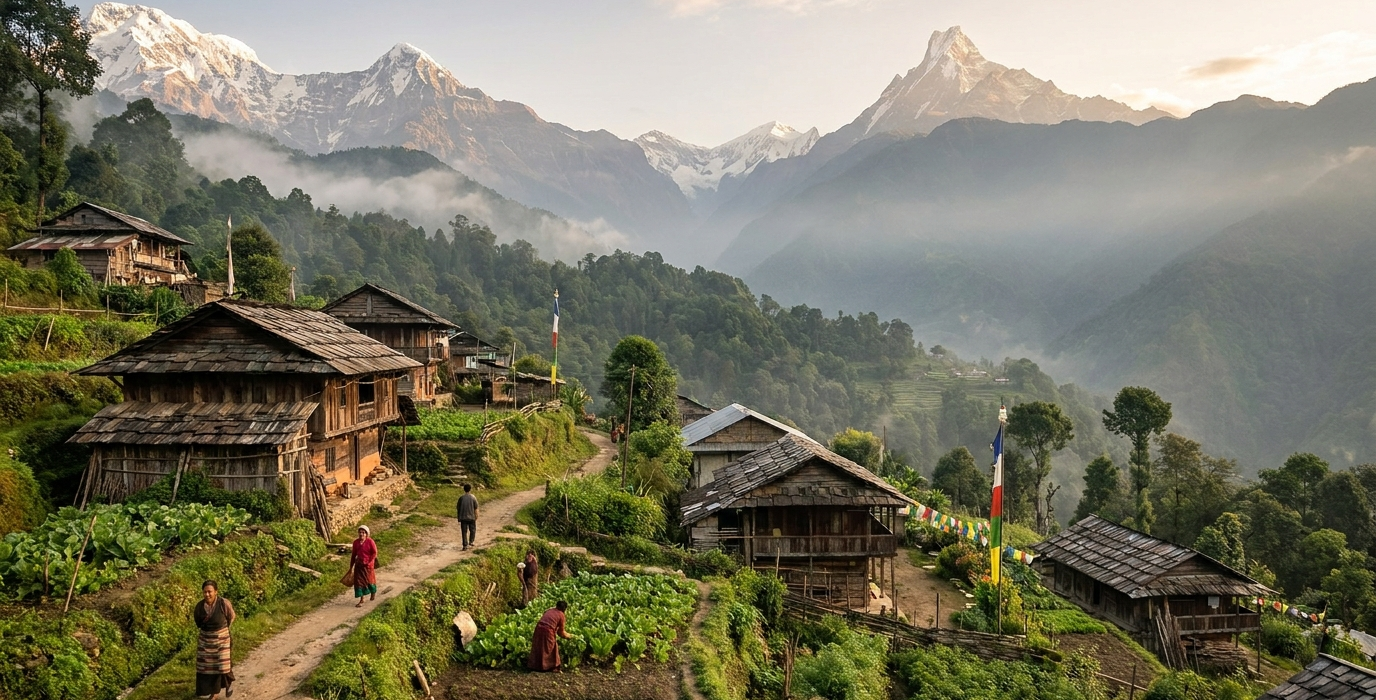
Nestled amidst rolling emerald hills, Pangthong is emerging as a beacon of Sikkim’s eco-tourism ambitions. This serene village, relatively untouched by mass tourism, offers a glimpse into a lifestyle deeply rooted in nature’s rhythms. Imagine waking up to the gentle chime of prayer flags and the distant murmur of a mountain stream, with panoramic views of snow-capped peaks as your constant companions.
The charm of Pangthong lies in its commitment to preserving its natural and cultural heritage. Local families, who are the custodians of this pristine environment, have opened their homes and their lives to visitors. These aren’t just accommodations; they are invitations to share in the daily lives of the villagers, from tending to organic farms to participating in traditional cooking. You’ll find that the food here is as fresh as the air, with ingredients sourced directly from the surrounding land, often prepared using age-old recipes passed down through generations.
What makes Pangthong truly special is the palpable sense of community and shared responsibility for the environment. You’ll see rainwater harvesting systems in action, organic composting being a way of life, and a conscious effort to minimise plastic waste. This is a place where every visitor is encouraged to tread lightly, to participate in conservation efforts, and to leave with a deeper appreciation for the symbiotic relationship between humans and nature. It’s a refreshing antidote to the hurried pace of urban living, offering a genuine opportunity for rejuvenation.
Rinchenpong: Where Tradition Meets Tranquility in an Eco-Conscious Haven
Venture further into the western reaches of Sikkim, and you’ll discover Rinchenpong, a village that perfectly embodies the harmonious blend of tradition and tranquil eco-living. Famous for its ancient monasteries and the breathtaking views of Mount Kanchenjunga, Rinchenpong is now cultivating a reputation as a destination for conscious travellers seeking an authentic, low-impact experience.
The local community in Rinchenpong has taken significant strides in developing sustainable tourism practices. Homestays are designed to blend seamlessly with the natural landscape, often utilizing locally sourced timber and stone. The emphasis is on providing comfort without compromising the environment, ensuring that your stay contributes positively to the local economy and ecological well-being. You’ll find that the hospitality here is warm and genuine, reflecting the strong community spirit that permeates the village.
Beyond the stunning vistas and the spiritual ambiance, Rinchenpong offers opportunities for immersive cultural experiences. Participate in traditional Sikkimese cooking classes, learn about local herbal remedies, or join in community-led nature walks that highlight the region’s rich biodiversity. The village actively promotes responsible waste management, encouraging visitors to carry their own reusable water bottles and to be mindful of their consumption. One surprising fact about Rinchenpong is its historical significance as a battleground, with ancient fortifications still visible, offering a unique historical layer to its serene present.
Barsey Rhododendron Sanctuary: A Living Tapestry of Flora and Fauna
While not a village in itself, the Barsey Rhododendron Sanctuary, bordering several emerging eco-destinations, plays a crucial role in Sikkim’s sustainable tourism narrative. This vast expanse of natural beauty is a testament to the state’s commitment to biodiversity conservation. Visiting this sanctuary offers a profound connection to the wild heart of the Himalayas, a stark contrast to the concrete jungles many of us call home.
The sanctuary is renowned for its spectacular display of rhododendrons, which bloom in a riot of colours during the spring months, transforming the landscape into a painter’s dream. However, its ecological significance extends far beyond these vibrant flowers. It is a vital habitat for a diverse range of flora and fauna, including various species of birds, mammals, and rare medicinal plants. Responsible tourism here means treading lightly, sticking to designated trails, and ensuring that our presence does not disturb the delicate ecosystem.
Local communities surrounding the sanctuary are increasingly involved in its protection and in offering eco-friendly tours and guiding services. This provides them with an alternative livelihood that incentivizes conservation. When you explore Barsey, you’re not just witnessing nature’s grandeur; you’re actively supporting a model where the environment’s preservation directly benefits the people who live alongside it. A fascinating aspect of Barsey is the presence of the elusive Red Panda, a shy creature that finds refuge in its dense forests, making any sighting a truly memorable and rare encounter for dedicated wildlife enthusiasts.
The Pillars of Sustainability: What Makes a Sikkimese Eco-Village
The concept of an “eco-village” in Sikkim is more than just a label; it’s a holistic approach to living and tourism. At its core, it’s about fostering a profound respect for the environment and empowering local communities. These villages are built on principles that aim to regenerate, rather than deplete, the natural resources they depend on.
One of the most visible pillars is sustainable agriculture. You’ll find villages actively practicing organic farming, using traditional methods that enhance soil health and biodiversity. This means that the food you eat is not only healthy and delicious but also grown in harmony with nature, free from harmful pesticides and chemicals. This commitment extends to promoting local produce, reducing the carbon footprint associated with long-distance food transportation.
Another key element is responsible waste management. Sikkim, as a whole, has been a leader in this regard, and its eco-villages are at the forefront. Expect to see well-managed composting systems, efforts to minimize single-use plastics, and initiatives to recycle and upcycle materials. Visitors are often educated on these practices, encouraging them to be mindful of their own waste generation. The goal is to leave no trace, or as close to it as possible, ensuring the pristine beauty of these locations is preserved for future generations.
Furthermore, community involvement and empowerment are central. Eco-villages are not top-down initiatives; they are driven by the people who live there. Local residents are actively involved in decision-making, in managing homestays, guiding tours, and preserving their cultural heritage. This ensures that tourism benefits the community directly, creating sustainable livelihoods and fostering a sense of ownership and pride in their unique environment.
Planning Your Conscious Journey: Practical Tips for Eco-Travellers
Embarking on a journey to Sikkim’s eco-villages is a rewarding experience, but it requires a thoughtful approach. To ensure your trip is both enjoyable and truly sustainable, here are some practical tips we’ve gathered. They’ll help you tread lightly and maximise your positive impact.
Firstly, pack smart and light. Bring reusable water bottles and purification tablets or a filter; many homestays offer filtered water, but having your own is always a good backup. Carry a reusable shopping bag for any local purchases. Opt for eco-friendly toiletries and biodegradable products. Consider packing clothes made from natural fibres like cotton or bamboo, which are breathable and have a lower environmental impact.
Secondly, engage respectfully with local culture. Learn a few basic phrases in Nepali or Sikkimese; a simple “Namaste” goes a long way. Always ask for permission before taking photographs of people, especially elders. Dress modestly when visiting monasteries or interacting with the local community. Be open to trying local cuisine and participating in cultural activities – this is where the real learning happens.
Thirdly, support local initiatives. Choose homestays and tour operators that are genuinely community-run and demonstrate a commitment to sustainability. Purchase handicrafts directly from artisans. Your spending power can significantly contribute to the economic well-being of these villages, providing a strong incentive for continued conservation efforts. Consider donating to local environmental projects if opportunities arise.
Finally, be a mindful traveller. Minimize your energy consumption, conserve water, and avoid disturbing wildlife. Familiarise yourself with the village’s waste management practices and adhere to them strictly. Remember, you are a guest in their home and their environment. By following these guidelines, you ensure your visit is not just a vacation, but a meaningful contribution to the preservation of Sikkim’s incredible natural and cultural heritage.
| Aspect | Eco-Village Experience | Conventional Tourism |
|---|---|---|
| Accommodation | Homestays, locally sourced materials, minimal environmental footprint. | Hotels, resorts, potentially higher resource consumption. |
| Food | Locally grown organic produce, traditional recipes, reduced food miles. | Wider menu variety, potentially imported ingredients, higher carbon footprint. |
| Activities | Nature walks, cultural immersion, community engagement, conservation participation. | Sightseeing, adventure sports, often less focus on local interaction. |
| Environmental Impact | Low impact, focus on waste reduction, water conservation, biodiversity preservation. | Variable, can be high impact with significant waste generation and resource use. |
| Community Benefit | Direct economic benefit to local families, empowerment, cultural preservation. | Benefits can be less direct, sometimes accrue to larger corporations. |
The true luxury of visiting Sikkim’s eco-villages in 2026 isn’t in opulent amenities, but in the profound sense of peace that comes from living in harmony with nature and supporting a community that cherishes its environment.
Frequently Asked Questions
What are the best times to visit Sikkim’s eco-villages?
The ideal time to visit is during the spring (March to May) for pleasant weather and blooming rhododendrons, or post-monsoon (September to November) for clear skies and stunning mountain views. Winters (December to February) can be very cold with snow at higher altitudes, offering a different kind of serene beauty.
How can I ensure my visit is truly sustainable?
Pack reusable items (water bottle, bags, cutlery), minimise waste, conserve water and energy, choose local homestays and guides, respect local customs, and avoid purchasing products made from endangered species. Be mindful of your carbon footprint during travel to and within the region.
Are these villages accessible for travellers with limited mobility?
Generally, eco-villages are located in remote, mountainous areas with uneven terrain. While some facilities are improving, accessibility can be challenging for those with significant mobility issues. It’s advisable to research specific village infrastructure or consult with local tour operators for detailed information.
What kind of cultural experiences can I expect?
You can expect to participate in traditional Sikkimese cooking, learn about local farming practices, visit local monasteries, attend cultural performances (if available), and interact with villagers to understand their way of life. These experiences are often informal and deeply authentic.
Is it safe to travel to these remote eco-villages in 2026?
Sikkim is known for its safety and low crime rates. The eco-villages, being community-oriented, are generally very welcoming and safe. However, as with any travel, it’s always wise to exercise common sense, stay informed about local conditions, and inform someone of your itinerary.