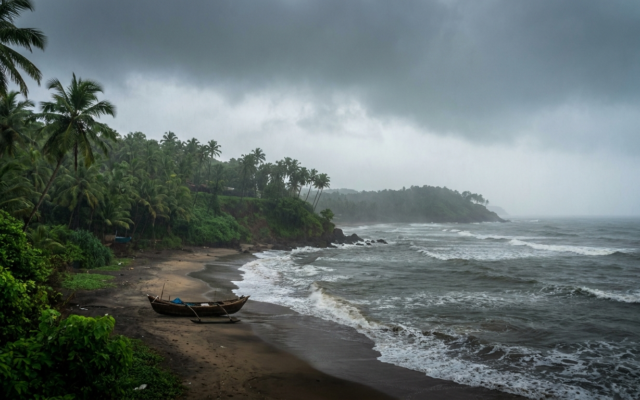
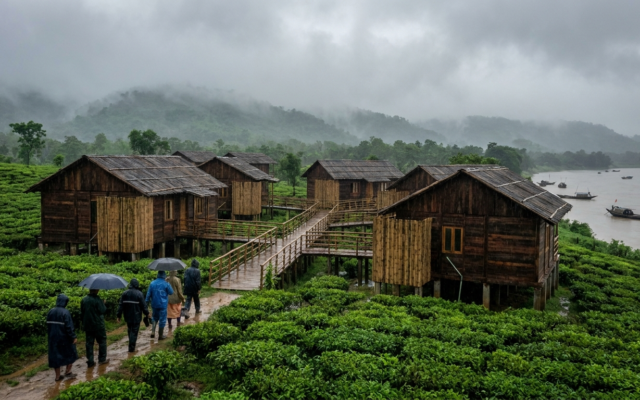
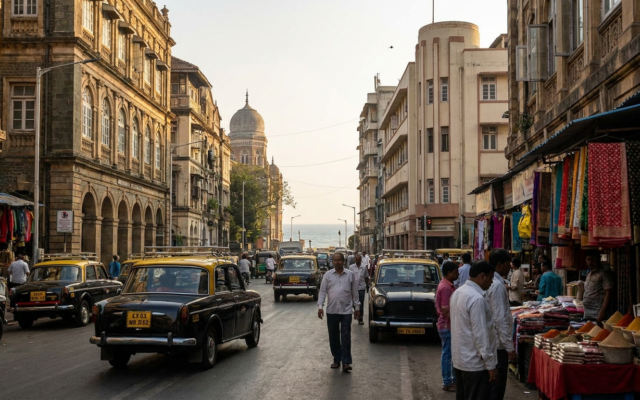
As the biting winter chill descends upon the Western Ghats, Igatpuri transforms from a monsoon getaway into a crisp, serene sanctuary for those seeking to escape the urban chaos of Mumbai and Pune. While most tourists flock to the well-trodden trails, the discerning traveler knows that the true magic of this Sahyadri jewel lies tucked away in its lesser-known, mist-covered valleys.
Key Takeaways
- Igatpuri in winter 2026 offers a distinct climate, with temperatures often dropping below 10 degrees Celsius, perfect for trekking and lakeside retreats.
- Beyond the popular Vipassana center, hidden gems like the Vaitarna backwaters and Tringalwadi fort provide seclusion and unmatched panoramic views.
- Strategic planning is essential; winter is the peak season for local agro-tourism, making early bookings for homestays a necessity.
- Access is best achieved via the Indian Railways network, which connects Igatpuri to all major metropolitan hubs.
1. The Silent Majesty of Tringalwadi Fort
If you want to experience history without the selfie-stick crowds found at more commercial hill stations, Tringalwadi Fort is your primary destination. Perched at an altitude of 3,000 feet, this 10th-century fortification offers a vantage point that overlooks the entire Igatpuri plateau. You will find that the climb is moderate, making it accessible even if you aren’t a seasoned mountaineer.
The fort is uniquely shaped like a turban, a structural quirk that has baffled historians for decades. It is not just the stone walls that capture your imagination; the view of the Kalsubai peak—the highest point in Maharashtra—on a clear winter morning is nothing short of spiritual. Bring a sturdy pair of hiking boots, as the path can be uneven and occasionally slippery due to the morning dew.
Local lore suggests the fort was once a strategic lookout for the Maratha Empire, protecting the trade routes between the Konkan coast and the Deccan plateau. Today, the surrounding Tringalwadi Lake acts as a mirror for the sky, creating a breathtaking vista that remains largely untouched by modern development. It is an ideal spot for photography enthusiasts who prefer golden hour lighting without the interference of massive crowds.
2. Exploring the Emerald Vaitarna Backwaters
Often overshadowed by the more famous dams in the region, the Vaitarna backwaters are a hidden sanctuary for migratory birds. During the winter months, the water levels stabilize, creating vast, tranquil lagoons surrounded by dense forest cover. You can hire a local fisherman’s boat to navigate the silence, interrupted only by the call of rare avian species.
The biodiversity here is significant; the region serves as a crucial catchment area for the state’s water security, as detailed in the Water Resources Department of Maharashtra guidelines. Beyond birdwatching, the backwaters offer a unique opportunity for kayaking. Gliding through the still water while the Sahyadri mountains loom in the background provides a perspective of Igatpuri that few visitors ever witness.
It is a curious fact that the Vaitarna Dam is one of the primary lifelines providing drinking water to Mumbai. Despite this, the area remains remarkably pristine, protected by its geography from the industrial sprawl seen elsewhere. If you plan to visit, pack a light windbreaker, as the breeze coming off the water can be surprisingly sharp in late December and January.
3. The Spiritual Solitude of Bhatsa River Valley
The Bhatsa River Valley is essentially a deep gorge that slices through the landscape, offering some of the most dramatic terrain in the Western Ghats. While many drive past it on the way to Nashik, descending into the valley requires a bit of effort and a local guide who knows the secret pathways. The air here is noticeably cooler, and the dense canopy provides a natural acoustic dampener, making it one of the quietest places in the state.
The valley is home to a variety of endemic flora that blooms during the post-monsoon transition into winter. You will find wild orchids clinging to rock faces and ancient banyan trees that have stood for centuries. It is a place for quiet reflection, away from the digital noise of city life. The Maharashtra Forest Department frequently monitors these zones to ensure that the delicate ecosystem is not disturbed by unchecked tourism.
“The true essence of Igatpuri in winter is not found in the grand monuments, but in the silence that settles between the mountain peaks when the rest of the world is rushing to reach their destination.”
4. The Hidden Waterfalls of Ashoka Falls
While the Vihigaon waterfall is a well-known stop for those traveling to Igatpuri, the lesser-known Ashoka Falls offers a far more intimate experience. Named for the legendary emperor who purportedly rested here, the waterfall is nestled in a thicket of trees that keeps it hidden from the main highway. You will need to trek about a kilometer through a forested trail to reach the base of the falls.
Unlike the roaring torrents of the monsoon, the winter flow is gentle and clear, creating turquoise pools that are remarkably inviting. It is a fantastic spot for a quiet picnic, provided you carry your waste back with you to maintain the sanctity of the site. Local villagers often share stories about the area being part of an ancient trade route, adding a layer of historical intrigue to your nature excursion.
5. Comparing Your Igatpuri Retreat Options
Deciding where to stay can significantly alter your experience. From luxury resorts to rustic farm-stays, Igatpuri caters to diverse preferences. Use the table below to decide which environment suits your winter itinerary best.
| Stay Category | Best For | Average Winter Cost (Per Night) |
|---|---|---|
| Luxury Hill Resorts | Families & Couples | ₹8,000 – ₹15,000 |
| Agro-Tourism Homestays | Nature Enthusiasts | ₹3,000 – ₹6,000 |
| Tented Campsites | Adventure Seekers | ₹1,500 – ₹3,500 |
When choosing your accommodation, prioritize locations that emphasize sustainable practices. Many farm-stays in the region now participate in local organic farming initiatives, allowing guests to participate in the winter harvest. This adds a unique, hands-on dimension to your trip that you simply cannot find at a hotel in the city.
6. Navigating the Winter Agro-Tourism Circuit
Winter is the harvest season in the Sahyadris, and Igatpuri’s hinterlands offer a rare glimpse into rural Indian agriculture. Many local farms open their gates to visitors, offering “farm-to-table” experiences that are miles apart from typical restaurant dining. You can pick your own strawberries, learn about traditional rice cultivation, or simply enjoy a meal cooked on a wood-fire stove.
This shift toward experiential travel has turned Igatpuri into a model for rural development. By staying at these farms, you are directly contributing to the local economy. It is a mutually beneficial arrangement where you get to experience authentic rural life, and the hosts gain a sustainable livelihood during the slower tourist months.
Always ensure you check the current status of local roads and farm access via the National Highways Authority of India if you are driving, especially during the foggy mornings of December. Staying flexible with your schedule will allow you to embrace the slower pace of life that defines the winter season in these hills.
Frequently Asked Questions
Is Igatpuri safe for solo female travelers in winter?
Yes, Igatpuri is generally very safe for solo travelers. However, stick to well-marked trails during the day and ensure you return to your accommodation before sunset, as the mountainous terrain becomes difficult to navigate in the dark.
What should I pack for a winter trip to Igatpuri?
Pack in layers. While the afternoons are pleasant, temperatures can drop significantly once the sun goes down. A high-quality fleece or light jacket, comfortable walking shoes with good grip, and a flashlight are essential items for your winter kit.
Are the popular tourist spots too crowded during the winter?
While spots like the Vipassana center can get busy, the hidden gems mentioned in this guide remain largely quiet. If you visit on a weekday rather than a weekend, you will likely have most of the trails and viewpoints entirely to yourself.
What is the best way to travel around Igatpuri once I arrive?
Renting a local taxi for the day is the most convenient method for exploring remote forts and waterfalls. Public transport is limited to the main roads, so having a dedicated vehicle gives you the freedom to reach the hidden spots tucked deep in the valleys.