Key Takeaways
- India’s electric scooter market is booming, driven by government incentives and rising fuel prices, making it a significant part of the nation’s green mobility push.
- Beyond environmental benefits, e-scooters offer substantial cost savings on fuel and maintenance for everyday commuters in Indian cities.
- Navigating the diverse e-scooter landscape requires understanding battery technology, range, charging infrastructure, and local regulations specific to your city.
- As the market matures, we’re seeing innovations in battery swapping and improved charging networks, addressing key consumer concerns.
The E-Scooter Surge: India’s Silent Revolution on Two Wheels
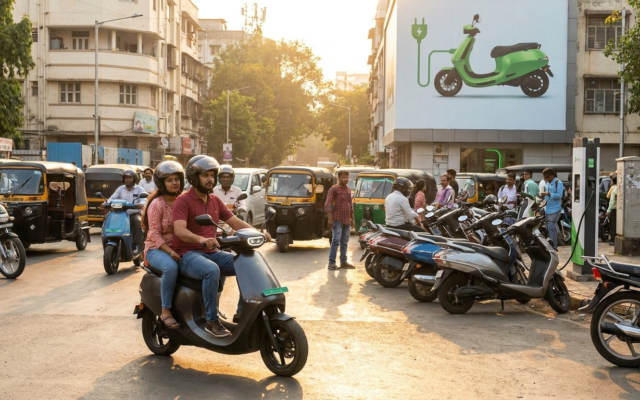
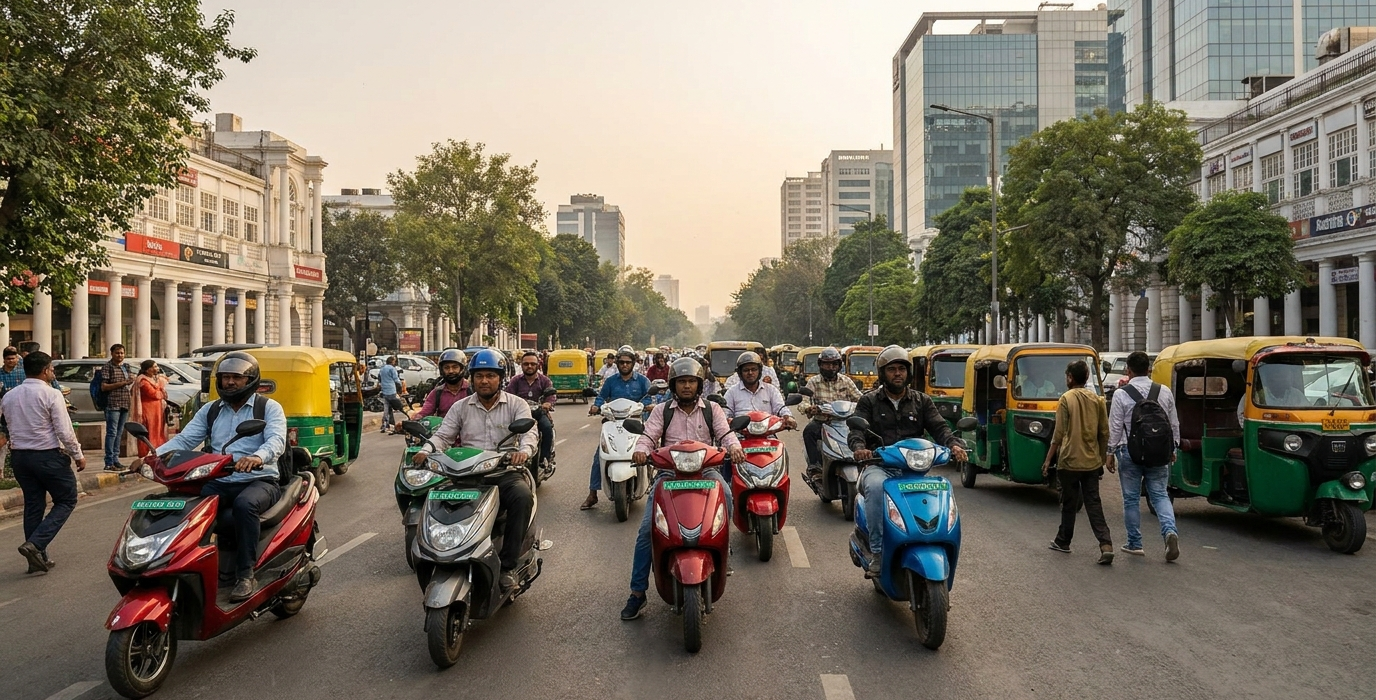
The hum of electric scooters is becoming the new soundtrack to Indian urban life. From the bustling streets of Delhi to the tech hubs of Bengaluru, these sleek machines are rapidly replacing their petrol-powered predecessors. This isn’t just a trend; it’s a fundamental shift in how millions of Indians approach daily commutes. The reasons are manifold: a growing environmental consciousness, escalating fuel costs, and supportive government policies are all converging to propel e-scooters to the forefront of sustainable transportation.
By 2026, the Indian electric two-wheeler market, dominated by scooters, is projected to be one of the largest globally. This surge is not merely about individual choices; it signifies a national commitment to cleaner air and reduced carbon footprints. You’ll see these scooters weaving through traffic, dropping off children at school, and making deliveries, all while emitting zero tailpipe emissions. This quiet revolution is fundamentally reshaping our cities, offering a tangible solution to chronic air pollution issues that have plagued metropolises like Chennai and Kolkata for years.
The transformation is palpable. What was once a niche market is now a mainstream phenomenon. This rapid adoption is a testament to the increasing affordability and practicality of electric mobility for the average Indian household. We are witnessing a genuine grassroots movement towards a greener future, powered by innovation and consumer demand.
Beyond the Buzz: The Economic Advantage for Indian Commuters
While the environmental benefits of electric scooters are widely celebrated, the economic case for adopting them is equally compelling, especially for the cost-conscious Indian consumer. The daily commute in cities like Mumbai or Pune can be a significant drain on household budgets, primarily due to fluctuating petrol prices. E-scooters offer a powerful antidote to this financial strain.
Consider the operational costs. A typical petrol scooter might consume around 50-60 ml of petrol per kilometre. With petrol prices often hovering around ₹100 per litre, the cost per kilometre quickly adds up. In contrast, charging an electric scooter, which uses electricity, is dramatically cheaper. A full charge, enough to cover 60-80 kilometres depending on the model, might cost a mere ₹10-₹15 in electricity. This translates to substantial savings, potentially thousands of rupees annually per household.
Maintenance is another area where e-scooters shine. They have far fewer moving parts than their internal combustion engine counterparts. There are no oil changes, spark plugs, or complex exhaust systems to worry about. This significantly reduces the frequency and cost of servicing. For a family in a tier-2 city like Indore, where every rupee counts, these savings can be transformative, freeing up funds for education, healthcare, or other essential needs. The long-term ownership cost of an e-scooter is demonstrably lower, making it a financially sound decision for millions.
Decoding the Specs: What to Look for in Your Electric Ride
As you explore the burgeoning e-scooter market, you’ll encounter a bewildering array of specifications. Understanding these key features will empower you to make an informed choice that perfectly suits your daily needs in cities like Hyderabad or Lucknow. The most crucial factors are range, battery type, charging time, and motor power.
Range is arguably the most important metric. This refers to how far the scooter can travel on a single full charge. For city commutes, a range of 60-80 kilometres is generally sufficient for most users. However, if you have a longer daily commute or frequently travel outside the city limits, you’ll need to look for models offering 100 kilometres or more. Always check the manufacturer’s claimed range against independent reviews, as real-world usage can vary significantly based on riding style and terrain.
Battery technology is central to performance and longevity. Most e-scooters today use Lithium-ion batteries, known for their energy density and relatively long lifespan. However, the battery’s capacity, measured in kilowatt-hours (kWh), directly impacts the range. Pay attention to the battery’s warranty, as it’s typically the most expensive component of the scooter. Some newer models are also exploring swappable battery technology, which could revolutionize convenience by allowing you to exchange a depleted battery for a fully charged one at designated stations, much like refuelling a petrol vehicle.
Charging time is another practical consideration. Full charging can take anywhere from 3 to 8 hours, depending on the battery size and the charger’s wattage. If you can charge your scooter overnight at home or at work, this might not be an issue. However, for those who need quick top-ups, fast-charging capabilities or battery swapping solutions become highly attractive. Finally, motor power, measured in kilowatts (kW), dictates the scooter’s acceleration and ability to handle inclines. For hilly areas or carrying a pillion rider, a motor of 2 kW or higher is recommended.
Navigating the Charging Landscape: From Home Plugs to Swapping Stations
The infrastructure for charging electric scooters is rapidly evolving, addressing one of the primary concerns for potential buyers: where and how will I charge my vehicle? For many urban dwellers in cities like Jaipur or Ahmedabad, the convenience of home charging is the primary enabler of e-scooter adoption. Most e-scooters come with a standard portable charger that can be plugged into any regular 15-ampere wall socket, often found in apartment balconies or garages.
This home-based charging model is ideal for overnight charging. You simply plug in your scooter before you go to bed, and it’s ready to go by morning. However, for those living in apartments without dedicated parking or easy access to power outlets, this can be a challenge. This is where public charging infrastructure and innovative solutions come into play. Many malls, office complexes, and public parking lots are now installing EV charging points, making it easier to top up your scooter during the day.
The most exciting development is the rise of battery swapping networks. Companies are establishing dedicated swapping stations where you can quickly exchange your depleted battery for a fully charged one in a matter of minutes. This model is particularly beneficial for ride-sharing services and delivery fleets, which require minimal downtime. While still in its nascent stages, battery swapping has the potential to significantly alleviate range anxiety and make electric two-wheelers as convenient as their petrol counterparts. Keep an eye on these developments, as they are poised to redefine the e-scooter ownership experience across India.
Government Push and Consumer Demand: The Twin Engines of Growth
The phenomenal growth of the electric scooter market in India isn’t an accident; it’s a deliberate outcome of synergistic forces. On one side, you have a determined government championing green mobility through a raft of policies and incentives. On the other, you have a burgeoning consumer base increasingly receptive to sustainable and economically viable transportation options.
The central government’s Faster Adoption and Manufacturing of Hybrid and Electric Vehicles (FAME) scheme has been instrumental. FAME II, in particular, has provided significant subsidies on the purchase of electric two-wheelers, directly reducing the upfront cost for consumers. This has made electric scooters competitive, and in many cases cheaper, than comparable petrol models. Additionally, several state governments have introduced their own incentives, such as road tax waivers and registration fee exemptions, further sweetening the deal for buyers in states like Tamil Nadu and Karnataka.
This policy push is complemented by a growing consumer awareness. Driven by rising fuel prices, concerns about air quality, and a desire for modern, tech-enabled vehicles, Indians are actively seeking alternatives. The younger generation, in particular, is embracing e-scooters as a stylish, eco-friendly, and cost-effective mode of transport. This demand, in turn, spurs manufacturers to innovate and expand their offerings. The interplay between supportive government policies and robust consumer interest is creating a powerful virtuous cycle, ensuring the sustained growth of India’s electric scooter revolution.
The Surprising Facts You Might Have Missed About India’s E-Scooter Boom
While the mainstream narrative of the e-scooter revolution focuses on emissions and savings, there are some fascinating, less-discussed aspects to this transformation. One such surprise is the impact on the traditional mechanic ecosystem. As e-scooters gain traction, the demand for mechanics skilled in internal combustion engines is slowly shifting towards those who can service electric powertrains, battery management systems, and regenerative braking technologies.
Another often-overlooked point is the crucial role of battery recycling and disposal. While the batteries are the heart of these scooters, their end-of-life management is critical for true sustainability. Companies are increasingly investing in robust battery recycling programs, aiming to recover valuable materials and minimize environmental impact. For instance, some manufacturers in the NCR region are partnering with specialized recycling firms to ensure responsible disposal and repurposing of old lithium-ion batteries, a practice that will become even more vital as the installed base grows.
“The true measure of India’s e-scooter success won’t just be in the number of units sold, but in how effectively we establish a circular economy for batteries.”
Finally, consider the potential for vehicle-to-grid (V2G) technology. While still largely in its experimental phase for two-wheelers in India, the concept of using e-scooter batteries to store and even supply power back to the grid during peak demand hours holds immense promise. Imagine a scenario where your parked scooter could subtly contribute to grid stability, earning you credits. This futuristic application highlights the broader potential of electric mobility to become an integral part of India’s energy ecosystem, moving beyond mere personal transportation.
Frequently Asked Questions
What is the average range of an electric scooter in India?
The average range of electric scooters in India typically varies between 60 to 80 kilometres on a single charge for most models. However, higher-end models can offer ranges exceeding 100 kilometres, while some budget options might offer around 50 kilometres.
Are electric scooters expensive to maintain in India?
No, electric scooters are generally significantly cheaper to maintain than petrol scooters. They have fewer moving parts, meaning no oil changes, fewer replacements, and less frequent servicing. The primary cost of maintenance is typically related to battery health over the long term.
Where can I charge my electric scooter in Indian cities?
You can charge your electric scooter at home using a standard wall socket, at public charging stations in malls and parking lots, and increasingly, at battery swapping stations in select cities. Many manufacturers also offer portable chargers for convenience.
What government subsidies are available for electric scooters in India?
The Indian government offers subsidies through the FAME II (Faster Adoption and Manufacturing of Hybrid and Electric Vehicles) scheme, which reduces the upfront purchase price. Many state governments also provide additional incentives like road tax waivers and registration fee exemptions.
How long does it take to charge an electric scooter?
The charging time for electric scooters can range from 3 to 8 hours for a full charge, depending on the battery capacity and the charger’s wattage. Some models offer fast-charging capabilities, significantly reducing this time.