Key Takeaways
- India’s EV market is experiencing unprecedented growth, fueled by targeted government incentives and evolving consumer preferences.
- New policies, including enhanced FAME III subsidies and production-linked incentives, are significantly reducing the upfront cost of EVs.
- Beyond financial benefits, improvements in charging infrastructure and wider model availability are addressing key adoption barriers.
- We explore the specific schemes, their impact, and what you can expect as an Indian consumer looking to switch to electric mobility in 2026.
The Electric Tide: India’s EV Boom in 2026
The hum of electric motors is becoming an increasingly familiar sound on Indian streets, a testament to a dramatic surge in electric vehicle (EV) adoption. By August 2026, it’s clear that the Indian government’s sustained push, coupled with growing consumer awareness, has transformed the EV landscape. This isn’t just a niche market anymore; electric cars and two-wheelers are rapidly becoming mainstream choices for millions across the subcontinent.
Several factors are converging to create this perfect storm of EV enthusiasm. The most significant driver remains the robust policy framework. Schemes like the Faster Adoption and Manufacturing of Hybrid and Electric Vehicles (FAME) programme, now in its third iteration (FAME III), continue to offer substantial subsidies. These incentives directly translate into lower upfront costs for consumers, making EVs more competitive with their internal combustion engine (ICE) counterparts.
Beyond subsidies, the Production Linked Incentive (PLI) schemes for automotive and battery manufacturing are also playing a crucial role. By encouraging domestic production, these policies aim to reduce reliance on imports and further drive down costs over time. This strategic approach ensures a sustainable growth trajectory for the Indian EV ecosystem. We’ll delve into how these policies specifically benefit you, the consumer.
FAME III: Subsidies That Make a Difference
The FAME III scheme, launched earlier this year, represents a significant upgrade to previous iterations, offering enhanced financial support for a wider range of electric vehicles. For electric two-wheelers, the subsidy has been increased, making them even more attractive for daily commutes and last-mile delivery services. This is particularly impactful in cities like Bengaluru and Delhi, where two-wheelers dominate personal transportation.
For electric cars, the focus has shifted slightly. While direct purchase subsidies remain, there’s a greater emphasis on encouraging the adoption of locally manufactured EVs. This means that vehicles assembled or manufactured in India, using a certain percentage of local components, often qualify for the maximum subsidy. This policy is directly stimulating our domestic automotive industry, creating jobs and fostering innovation right here at home.
Consider the impact: a popular electric hatchback that might have previously cost upwards of ₹15 lakh can now be purchased for closer to ₹12 lakh after the FAME III subsidy. This price reduction is critical for bridging the gap with comparable ICE vehicles. The government has also expanded the eligibility criteria to include more categories of electric three-wheelers and commercial vehicles, accelerating the decarbonisation of public transport and logistics fleets in cities like Mumbai and Chennai.
Beyond Subsidies: The Charging Revolution
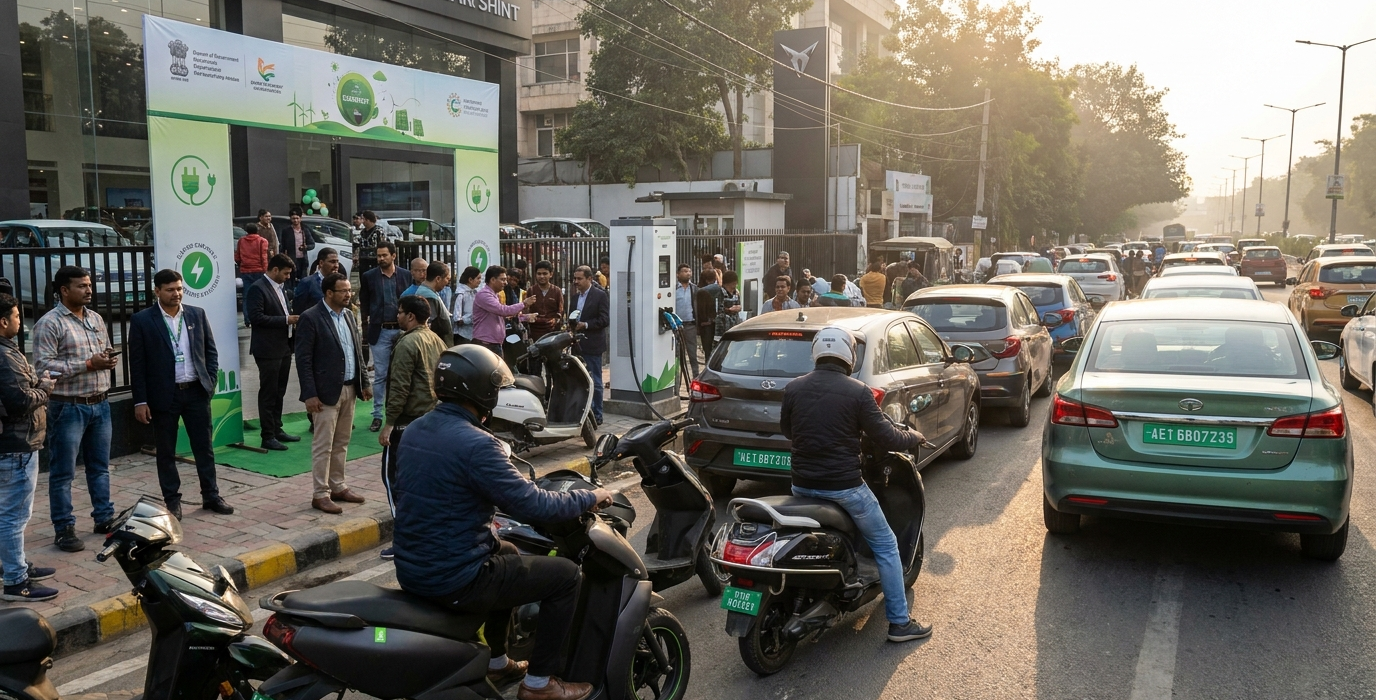
While purchase incentives are vital, the long-term success of EVs hinges on a robust and accessible charging infrastructure. Thankfully, this is an area where we’re seeing remarkable progress. The government, alongside private players, is investing heavily in expanding the public charging network across India. You’ll find more charging stations popping up in metro cities like Kolkata and Hyderabad, as well as along major national highways connecting cities like Pune and Nashik.
The quality and speed of charging are also improving. We’re seeing a proliferation of DC fast chargers, which can replenish a significant portion of an EV’s battery in under an hour. This addresses the ‘range anxiety’ that has historically been a concern for many potential buyers. Moreover, smart charging solutions are being integrated, allowing for more efficient grid management and even enabling vehicle-to-grid (V2G) capabilities in some advanced models.
A surprising development has been the innovative approach to charging in residential societies and commercial complexes. Many new developments now come with pre-installed EV charging points as a standard amenity. This proactive integration ensures that owners have convenient access to charging at home or at work. This infrastructure push is not just about numbers; it’s about making EV ownership as seamless as refueling a petrol car. We’ve seen pilot projects in Gujarat demonstrating solar-powered charging stations integrated with community energy grids, a glimpse into a truly sustainable future.
Evolving Consumer Mindset and Expanding Choices
It’s not just government policy that’s driving this change; consumer attitudes are undergoing a profound shift. Increasingly, Indian consumers are looking beyond just price and performance. Environmental concerns, lower running costs, and the quiet, smooth driving experience offered by EVs are becoming significant decision-making factors. This is especially true for younger demographics and urban dwellers in cities like Chandigarh and Jaipur.
The range of EV models available in the Indian market has also exploded. Gone are the days of limited options. Today, you can choose from a wide spectrum of electric vehicles, from compact city cars and feature-rich SUVs to robust electric motorcycles and utilitarian three-wheelers. Manufacturers are responding to diverse needs, offering vehicles with varying battery capacities, range, and price points. This competition is driving innovation and further pushing down prices.
We’re also seeing a rise in demand for used EVs, indicating a growing secondary market and increased consumer confidence in the technology. This indicates that EVs are not just a fleeting trend but a sustainable shift. The increasing availability of service centers and trained technicians is also alleviating concerns about maintenance and repair, making the overall ownership experience more reassuring for the average Indian buyer.
The Economic Impact: Manufacturing and Job Creation
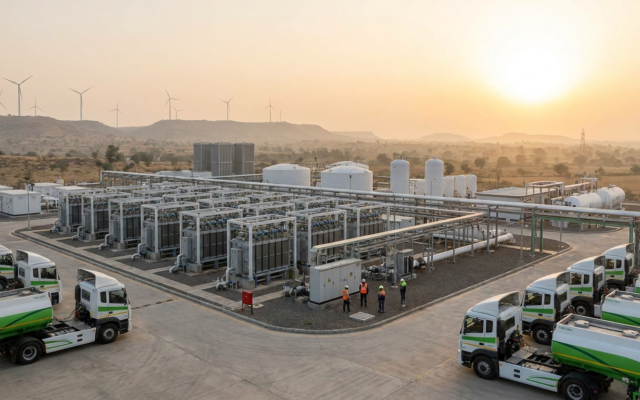
The surge in EV adoption is having a profound positive impact on India’s economy. The PLI schemes are attracting significant investment from both domestic and international automotive manufacturers, keen to establish their EV production bases in India. This is leading to the creation of new manufacturing facilities, particularly in states like Tamil Nadu and Gujarat, which are fast becoming EV manufacturing hubs.
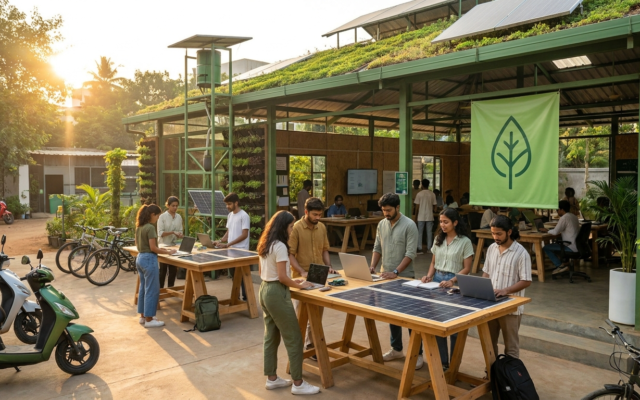
This industrial growth translates directly into job creation. We’re seeing new opportunities emerging in areas such as battery manufacturing, component production, software development for EV systems, and the installation and maintenance of charging infrastructure. This is not just about assembling vehicles; it’s about building a comprehensive and self-reliant EV ecosystem.
Furthermore, a shift towards EVs contributes to energy security by reducing India’s dependence on imported crude oil. The economic savings from lower fuel import bills can be substantial, bolstering the nation’s financial health. The development of a strong domestic battery manufacturing sector, in particular, is seen as a strategic imperative, reducing reliance on global supply chains and fostering technological sovereignty. A surprising statistic reveals that the demand for lithium-ion battery recycling facilities is projected to grow by over 300% in the next five years, underscoring the scale of this industrial transformation.
What This Means for You: Navigating the EV Landscape
So, what does this accelerating EV adoption mean for you, the prospective buyer or even an existing car owner? Firstly, the cost of ownership is becoming increasingly competitive. While the upfront price might still be a consideration for some, the significantly lower running costs (electricity is generally cheaper than petrol or diesel) and reduced maintenance requirements of EVs mean substantial savings over the vehicle’s lifetime. Factor in government subsidies, and the initial price gap is narrowing considerably.
Secondly, range anxiety is becoming a relic of the past. With improvements in battery technology and the expanding charging network, most new EVs offer ranges that are more than adequate for daily commutes and even longer inter-city journeys. Planning your trips is still important, but the fear of getting stranded is diminishing rapidly. We recommend checking out apps like PlugShare or the official government EV portal to locate charging stations near you before embarking on longer drives.
Thirdly, your choices are broader than ever. Whether you’re looking for an affordable electric scooter for your daily office commute in a city like Indore, a spacious electric SUV for family road trips, or a robust electric commercial vehicle for your business in the industrial belts of Haryana, there’s likely an EV that fits your needs and budget. The market is dynamic, with new models and technologies being introduced regularly. Keep an eye on emerging players and established manufacturers alike.
Frequently Asked Questions
Are electric vehicles really cheaper to run in India?
Yes, generally, electric vehicles are cheaper to run. The cost of electricity per kilometre is significantly lower than that of petrol or diesel. Additionally, EVs have fewer moving parts, leading to reduced maintenance costs compared to traditional internal combustion engine vehicles.
How is the charging infrastructure developing in smaller Indian cities?
While major metropolitan areas have the most developed charging networks, there is a concerted effort to expand infrastructure to Tier 2 and Tier 3 cities. The government and private companies are actively installing charging stations, and many new residential and commercial projects are incorporating EV charging facilities, making it increasingly accessible beyond the metros.
What kind of range can I expect from a new electric car in 2026?
In 2026, most new electric cars launched in India offer a real-world range of 300-500 kilometres on a single charge. Some premium models can even exceed 600 kilometres. This is more than sufficient for most daily commutes and many inter-city journeys without needing frequent recharges.
Are there any specific government schemes I should be aware of when buying an EV in 2026?
The primary scheme to be aware of is FAME III, which provides direct subsidies on the purchase of electric vehicles. Additionally, various state governments offer their own incentives, such as road tax exemptions or registration fee waivers. It’s advisable to check the latest announcements from the Ministry of Heavy Industries and your respective state transport department for the most up-to-date information.