Key Takeaways
- The Mumbai Coastal Road, fully operational in 2026, offers a dramatic transformation of the city’s western seaboard.
- Expect significantly reduced travel times, enhanced recreational spaces, and a visual upgrade to the Arabian Sea coastline.
- Discover new attractions like the promenade, open-air theatre, and art installations, integrating culture with commute.
- Be mindful of new traffic rules and timings to fully leverage the benefits of this ambitious infrastructure project.
The Arabian Sea Unveiled: A New Mumbai Beckons
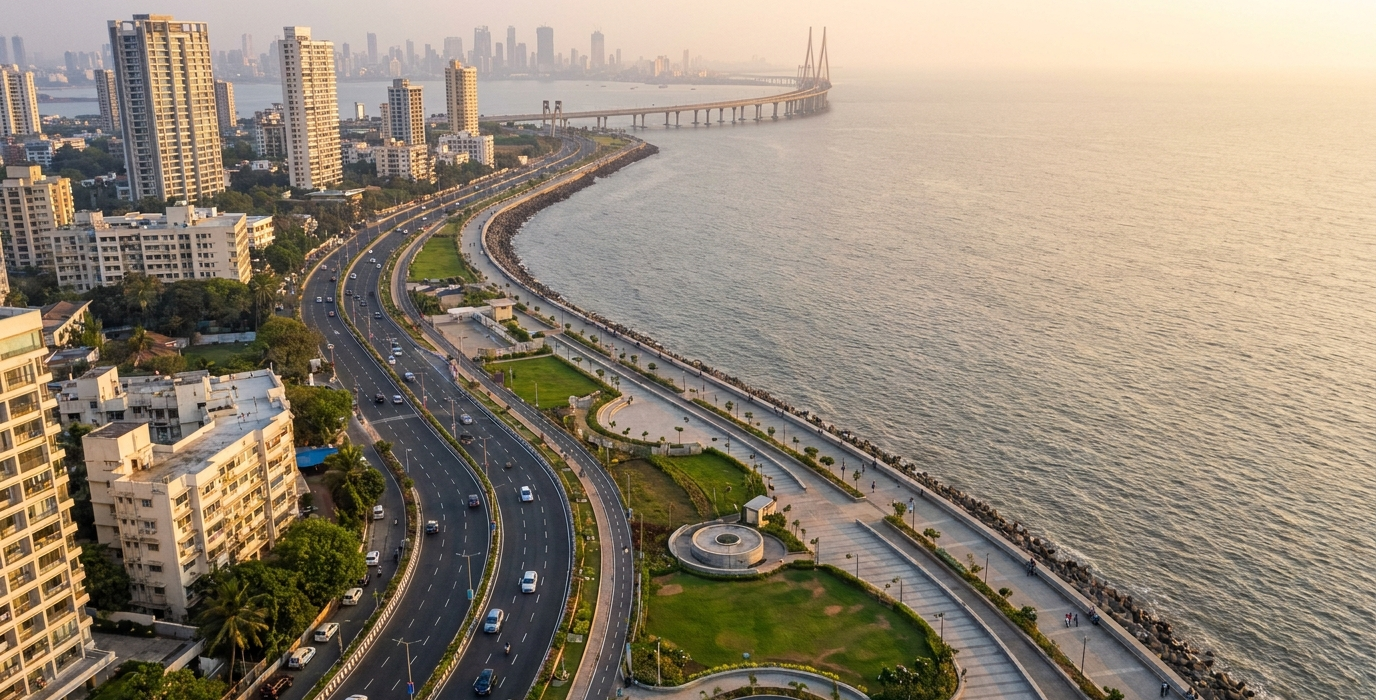
Mumbai’s coastline, long a cherished but often congested artery, has undergone a monumental metamorphosis. As of 2026, the Mumbai Coastal Road is not just an infrastructure project; it’s a bold statement of intent, reshaping how you experience India’s financial capital. This isn’t merely about faster commutes, though that’s a significant boon. It’s about reclaiming the sea-facing edge of the city, transforming it into a vibrant public space that blends utility with leisure. For decades, Mumbaikars have dreamt of a seamless connection along the western seaboard, a dream now realised with this engineering marvel. We’re talking about a significant reduction in travel time between the southern tip of the city and its northern suburbs, a change that will ripple through daily life, from office commutes to weekend getaways. The project’s sheer scale and ambition are breathtaking, a testament to what can be achieved when vision meets execution in a city that never sleeps.
The initial phases of the Coastal Road have already opened, offering tantalizing glimpses of the completed vision. You can now drive along stretches that were once inaccessible, with the vast Arabian Sea stretching out to your right, a constant, calming presence. This isn’t just about concrete and steel; it’s about creating breathing room in a densely populated metropolis. The project aims to decongest key arterial roads like Marine Drive and Pedder Road, offering a much-needed alternative. It’s an invitation to see Mumbai with fresh eyes, to appreciate its natural beauty alongside its urban dynamism. The impact on tourism is also expected to be substantial, drawing visitors eager to experience this new facet of the city. We believe this will redefine urban planning not just for Mumbai, but for other coastal cities grappling with similar challenges.
Navigating the New Arterial: What to Expect on the Road
The primary benefit of the Mumbai Coastal Road is, undeniably, the drastic reduction in travel time. For those commuting between South Mumbai and suburbs like Bandra, Versa, or even further north, this project is a game-changer. Imagine cutting down a journey that used to take upwards of an hour, battling traffic at every turn, to a mere fraction of that time. The road is designed with multiple lanes and efficient interchanges, ensuring a smooth flow of traffic. However, it’s crucial to understand that this isn’t a free-for-all; there are specific rules and timings in place to manage the flow and maximise its benefits. For instance, certain sections might have restrictions on heavy vehicles during peak hours, and speed limits are strictly enforced to ensure safety.
As you traverse the Coastal Road, you’ll notice distinct zones, each designed with a specific purpose. The initial stretches have focused on creating a direct, fast link, but the upcoming phases promise much more. These include dedicated lanes for public transport, cycling paths, and pedestrian walkways, reflecting a holistic approach to urban mobility. The integration of green spaces and public amenities along the route is a key highlight. You won’t just be driving; you’ll be experiencing a new urban landscape. The promenade, in particular, is set to become a major attraction, offering stunning sea views and a place to relax and unwind. This thoughtful planning ensures that the road serves not just as a transit corridor but as a destination in itself, enhancing the quality of life for all Mumbaikars.
Beyond the Commute: A Hub for Recreation and Culture
The Mumbai Coastal Road is far more than just asphalt and flyovers; it’s a blueprint for integrating recreational and cultural spaces into the urban fabric. The project developers have envisioned a coastline that is accessible and enjoyable for everyone, not just motorists. One of the most exciting additions is the open-air amphitheatre, designed to host performances, concerts, and community events, right by the sea. Imagine watching a play or a musical performance with the sound of the waves as your backdrop – a truly unique experience. This initiative aims to foster a sense of community and provide a vibrant platform for artistic expression in a city that thrives on culture.
Furthermore, the Coastal Road will feature art installations and public sculptures, transforming the drive into a visual journey. These artistic elements are not just decorative; they are intended to spark conversation and reflect the city’s diverse cultural identity. You’ll find strategically placed artworks that complement the natural beauty of the coastline and the architectural elegance of the city. For fitness enthusiasts, there are plans for dedicated jogging tracks and cycling lanes, encouraging a healthier, more active lifestyle. The promenade, stretching for kilometres, will offer unparalleled opportunities for leisurely walks, with breathtaking views of the Arabian Sea. This commitment to creating multi-functional public spaces sets a new standard for urban development in India.
The Engineering Marvel: Innovations and Challenges Overcome
Building a project of this magnitude along Mumbai’s fragile coastline presented a unique set of engineering challenges. The land reclamation process itself was a significant undertaking, requiring innovative techniques to create stable landmasses without causing ecological damage. Sophisticated dredging and filling methods were employed, alongside advanced soil stabilisation technologies. The project also had to contend with Mumbai’s monsoon climate, designing structures that could withstand heavy rainfall and tidal surges. This involved rigorous testing and the use of high-strength, corrosion-resistant materials. The careful planning ensures the long-term durability and safety of the infrastructure.
One of the most remarkable aspects of the Coastal Road’s construction is its commitment to environmental sustainability. Despite the scale of land reclamation, efforts have been made to minimise the ecological footprint. This includes the creation of artificial reefs to encourage marine biodiversity and the careful management of sediment runoff. The project also incorporates advanced drainage systems to prevent waterlogging, a perennial problem in Mumbai, especially during the monsoon. The tunnels, a crucial part of the design to navigate through densely populated areas, were constructed using state-of-the-art Tunnel Boring Machines (TBMs), a first for a road project of this scale in India. This intricate engineering ensures minimal disruption to the city above and below ground.
Cost and Affordability: Understanding the Toll and Investment
The Mumbai Coastal Road project is a massive investment, funded through a combination of municipal bonds, state government contributions, and potentially private partnerships. As of its full operational phase in 2026, there is a toll system in place for vehicular access. This toll is designed to help recoup the substantial construction and ongoing maintenance costs, ensuring the road remains in optimal condition. The toll structure aims to be fair and accessible, with different rates for various vehicle types. For daily commuters, the cost is expected to be significantly lower than the cumulative cost of fuel and time lost in traffic jams on alternative routes.
Here’s a simplified look at the anticipated toll structure. Please note that these are indicative figures for 2026 and subject to change based on final government notifications and inflation adjustments.
| Vehicle Type | One-Way Toll (₹) | Monthly Pass (₹) |
|---|---|---|
| Motorcycle/Scooter | 25 | 400 |
| Car/Jeep/SUV | 75 | 1200 |
| Commercial Vehicle (Light) | 150 | 2400 |
| Bus/Truck | 250 | 4000 |
The investment in the Coastal Road is not just about infrastructure; it’s about economic upliftment. Reduced travel times mean greater efficiency for businesses, faster movement of goods, and potentially increased tourism revenue. The property values in areas adjacent to the Coastal Road are also expected to see a positive impact, making it a significant long-term investment for the city. While the initial cost is substantial, the projected benefits in terms of economic growth, reduced pollution, and improved quality of life are expected to far outweigh the expenditure. It’s about building a more connected, more efficient, and more liveable Mumbai for generations to come.
Future Prospects and Integration: Mumbai’s Evolving Skyline
The Mumbai Coastal Road is not a standalone project; it’s a crucial component of a larger vision for the city’s future. As of 2026, we are seeing the first major fruits of this long-term planning, but the integration with other transportation networks is key to its ultimate success. Plans are underway to connect the Coastal Road seamlessly with the Mumbai Trans Harbour Sea Link (MTHL), further enhancing connectivity between the island city and the mainland. This will create an unprecedented transportation corridor, significantly boosting Mumbai’s status as a global financial hub. The aim is to create a multi-modal transport system that prioritises efficiency and reduces reliance on private vehicles.
Moreover, the development of surrounding areas is being carefully planned. The reclaimed land is not just for the road; it will also accommodate public parks, commercial hubs, and residential spaces, creating vibrant new urban nodes. This holistic development approach ensures that the benefits of the Coastal Road extend beyond mere traffic management. The Smart City initiative is also being integrated, with plans for intelligent traffic management systems, real-time information dissemination for commuters, and enhanced security features along the entire stretch. The environmental impact studies continue, with ongoing efforts to maintain and enhance the coastal ecosystem. This forward-thinking approach ensures that Mumbai’s growth is sustainable and inclusive, transforming its skyline and its way of life.
The Mumbai Coastal Road is more than just concrete and steel; it’s a testament to Mumbai’s indomitable spirit, a fusion of engineering prowess and a deep understanding of urban living, promising a future where the city’s coastline is not a barrier, but a vibrant, accessible public realm.
Frequently Asked Questions
What are the main timings for the Mumbai Coastal Road in 2026?
The Coastal Road operates for vehicular traffic primarily during daylight hours, typically from 6:00 AM to 11:00 PM. Specific timings for certain sections or days may vary, especially during weekends or for special events, and it’s advisable to check the latest updates from the Brihanmumbai Municipal Corporation (BMC) before your journey.
Are there any restrictions for pedestrians or cyclists on the Coastal Road?
While dedicated pedestrian and cycling pathways are being developed and integrated into later phases, direct access for pedestrians and cyclists onto the main carriageways of the Coastal Road is generally restricted for safety reasons. Designated promenades and recreational zones will offer safe spaces for walking and cycling.
How will the Mumbai Coastal Road impact pollution levels?
By diverting traffic from congested city roads and offering a smoother commute, the Coastal Road is expected to reduce idling time for vehicles, leading to a decrease in vehicular emissions and noise pollution in the island city. The use of more fuel-efficient vehicles on a less congested road will further contribute to cleaner air.
Is the Mumbai Coastal Road accessible to all types of vehicles?
The main carriageways are designed for most types of motor vehicles, including cars, buses, and commercial vehicles. However, there might be restrictions on very heavy or oversized vehicles, and specific lanes may be designated for public transport or emergency services. Always adhere to the signage and traffic regulations.