Key Takeaways
- Explore South Mumbai’s architectural marvels like CSMVS and Haji Ali Dargah for a blend of history and culture.
- Discover vibrant street art and unique boutiques in areas like Kala Ghoda, offering a contemporary artistic flair.
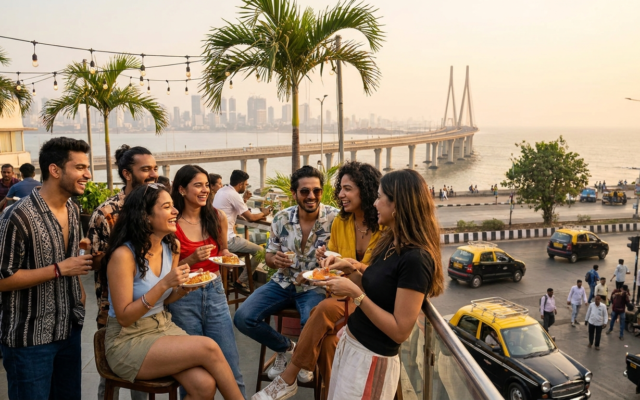
- Experience the city’s culinary diversity, from historic Irani cafes to modern rooftop restaurants, providing a true taste of Mumbai.
- Navigate South Mumbai efficiently using its well-connected local train network and ride-sharing services for seamless travel.
An Ode to South Mumbai’s Enduring Charm in 2026
South Mumbai, a tapestry woven with colonial grandeur and pulsating modernity, continues to captivate travellers in 2026. This historical heart of the city offers a sensory explosion, from the salty tang of the Arabian Sea to the cacophony of its bustling streets. Whether you’re a history buff, an art aficionado, a culinary adventurer, or simply seeking to soak in the vibrant local life, this southern strip of the Mumbai peninsula promises an unforgettable experience.
We’ve curated a guide that balances the iconic landmarks with lesser-known treasures, ensuring your 2026 visit is both comprehensive and deeply personal. Prepare to be swept away by the sheer energy and the enduring allure of South Mumbai, a place that truly embodies the spirit of India’s financial capital. Let’s embark on a journey through its most captivating corners.
Colonial Echoes and Architectural Grandeur
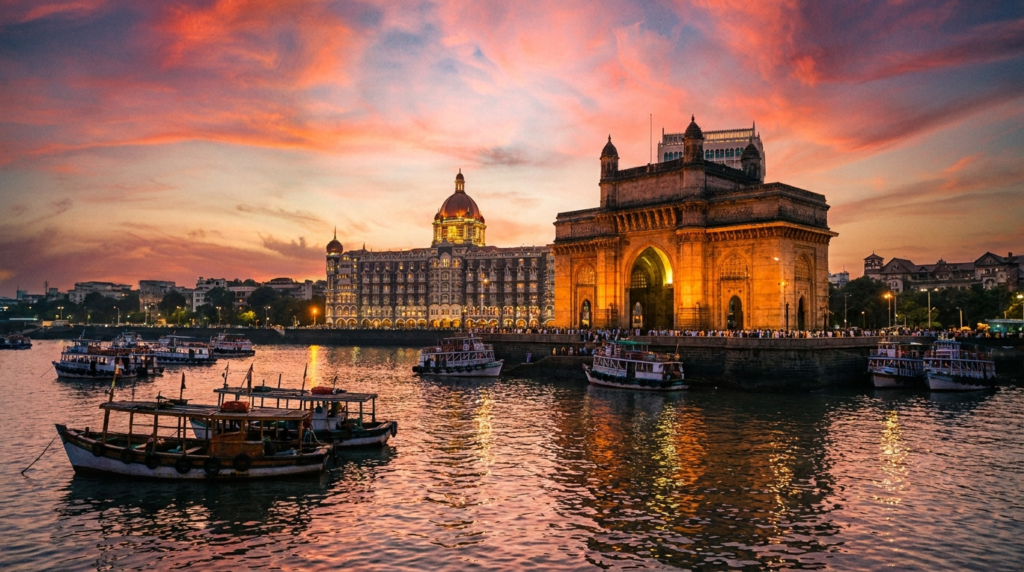
South Mumbai’s skyline is a testament to its rich past, a harmonious blend of Victorian Gothic, Indo-Saracenic, and Art Deco architecture. Your journey must begin at the magnificent Gateway of India, an imposing basalt arch built in 1924. Standing majestically at the water’s edge, it has witnessed centuries of history unfold. Imagine the triumphant arrivals and poignant departures that have graced this very spot. Adjacent to it, the iconic Taj Mahal Palace Hotel, a heritage property since 1903, offers a glimpse into opulent hospitality.
From there, a short walk leads you to the Chhatrapati Shivaji Maharaj Vastu Sangrahalaya (CSMVS), formerly the Prince of Wales Museum. This sprawling museum houses an impressive collection of Indian art, archaeology, and natural history, spread across three main buildings. You can easily spend an entire day here, delving into the subcontinent’s vast cultural heritage. Don’t miss the chance to explore its galleries showcasing ancient sculptures, miniature paintings, and decorative arts. For a different architectural style, wander towards the Bombay High Court, a stunning example of Gothic Revival architecture, its imposing structure a reminder of India’s colonial legal history. The intricate stonework and soaring spires are a photographer’s delight.
Another must-visit is the majestic Victoria Terminus (VT), now officially known as Chhatrapati Shivaji Maharaj Terminus (CSMT). This UNESCO World Heritage Site is a breathtaking fusion of Victorian Gothic Revival and traditional Indian architecture. Its sheer scale and intricate detailing are awe-inspiring, making it one of the most photographed railway stations globally. While it remains a bustling hub of commuter activity, take a moment to appreciate its historical significance and architectural brilliance. The sheer scale of this structure, completed in 1887, is remarkable, and it’s a vibrant intersection of past and present.
Art, Culture, and Bohemian Rhapsody in Kala Ghoda
For art lovers and those seeking a more contemporary cultural pulse, the Kala Ghoda Art Precinct is an absolute must. This vibrant neighbourhood, named after a black stone statue of a horse that once stood here, has transformed into Mumbai’s premier art district. It’s a delightful maze of narrow lanes lined with art galleries, heritage buildings, designer boutiques, and charming cafes. In 2026, the precinct continues to buzz with creativity, hosting numerous exhibitions, workshops, and the much-anticipated Kala Ghoda Arts Festival, typically held in February.
You can spend hours exploring galleries like the Jehangir Art Gallery, a cornerstone of the Indian art scene, showcasing a diverse range of contemporary and traditional works. Nearby, the David Sassoon Library and Reading Room, with its distinctive red sandstone architecture, offers a tranquil escape and a peek into classic Mumbai. Beyond the galleries, Kala Ghoda is also a treasure trove of independent boutiques offering unique fashion, jewellery, and home decor. It’s the perfect place to discover local designers and pick up one-of-a-kind souvenirs.
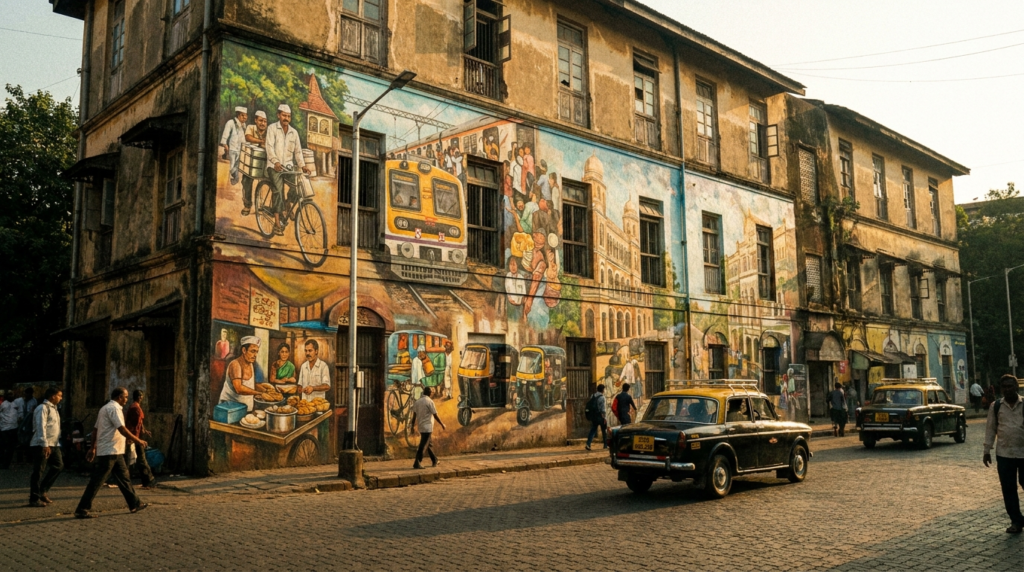
The street art scene here is also thriving, with vibrant murals adorning many walls, adding a splash of colour and social commentary to the urban landscape. Take your time to stroll through the lanes, discover hidden street art gems, and perhaps stumble upon a pop-up exhibition. The area also hosts several museums, including the Chhatrapati Shivaji Maharaj Vastu Sangrahalaya (CSMVS), which we touched upon earlier, but it’s worth reiterating its proximity and importance to this cultural hub. Many of the buildings in Kala Ghoda themselves are architectural marvels, showcasing Indo-Saracenic and Victorian styles, remnants of the British Raj era.
Spiritual Sanctuaries and Seaside Serenity
South Mumbai is home to spiritual sites that draw devotees and curious visitors alike, offering moments of peace amidst the city’s relentless pace. The most iconic of these is the Haji Ali Dargah, a mosque and tomb situated on an islet off the coast of Worli. Accessible via a narrow causeway that disappears during high tide, the Dargah is a significant pilgrimage site for Muslims and a revered monument for people of all faiths. The journey across the causeway, with the Arabian Sea stretching out on either side, is an experience in itself.
The serene white structure against the azure backdrop of the sea creates a picturesque scene. Inside, the atmosphere is one of profound peace and devotion. Visitors are expected to dress modestly. Another spiritual landmark is the Babulnath Temple, dedicated to Lord Shiva, perched on a hillock near Girgaum Chowpatty. The climb up to the temple, though not arduous, offers panoramic views of the coastline. Legend has it that the idol of Shiva was discovered by a shepherd who noticed his cow offering milk to a hole in the ground.
For a more secular yet equally captivating seaside experience, head to Marine Drive, affectionately known as the ‘Queen’s Necklace’. This 3.6-kilometre-long, C-shaped boulevard along the coast is perfect for an evening stroll. As the sun dips below the horizon, the streetlights illuminate, creating a dazzling spectacle that resembles a string of pearls. It’s a popular spot for Mumbaikars to relax, unwind, and enjoy the sea breeze. You’ll find people jogging, couples chatting, and families enjoying the open space. The promenade is a vital lung for the city, offering a much-needed respite from the urban density. The architectural style of the buildings lining Marine Drive is predominantly Art Deco, adding to its unique charm and character.
A Culinary Journey Through South Mumbai’s Flavours
South Mumbai is a paradise for food enthusiasts, offering a diverse range of culinary experiences that reflect the city’s multicultural heritage. From historic Irani cafes to upscale restaurants, your taste buds are in for a treat. No visit is complete without experiencing the charm of an Irani cafe. These establishments, established by Persian immigrants, are institutions in themselves. Sip on a strong, milky chai, savour a fluffy bun maska (buttered bun), and indulge in their signature berry pulao or keema pav.
Iconic names like Britannia & Co. Restaurant in Ballard Estate and Cafe Mondegar in Colaba are must-visits. Britannia, in particular, is renowned for its rustic charm and its legendary Sali Boti and Berry Pulao. For a taste of traditional South Indian cuisine, explore the eateries around Matunga, a neighbourhood known for its authentic vegetarian fare. Here, you can find some of the best dosas, idlis, and vadas in the city. Don’t miss trying a traditional thali for a comprehensive sampling of regional dishes.
As dusk settles, the vibrant street food scene comes alive. Sample delicious pav bhajis at stalls near Girgaum Chowpatty, or indulge in spicy sev puris and bhel puris. For a more refined dining experience, South Mumbai boasts an array of excellent restaurants. From fine-dining establishments offering global cuisine to rooftop restaurants providing stunning city views, the options are endless. Consider exploring the restaurants in the Colaba and Fort areas, which offer a mix of contemporary and classic dining experiences. The culinary landscape here is constantly evolving, with new eateries opening regularly, but the timeless classics continue to hold their ground, offering a delicious bridge between Mumbai’s past and present.
Navigating the Labyrinth: Your South Mumbai Transport Guide
Getting around South Mumbai in 2026 is an adventure in itself, a testament to the city’s resilient and dynamic spirit. The backbone of its public transport is the extensive Mumbai Suburban Railway network. While often crowded, especially during peak hours, the local trains are the fastest and most economical way to cover long distances within the city. Key stations in South Mumbai include Churchgate, Marine Lines, Charni Road, and Grant Road, connecting you to various parts of the peninsula.
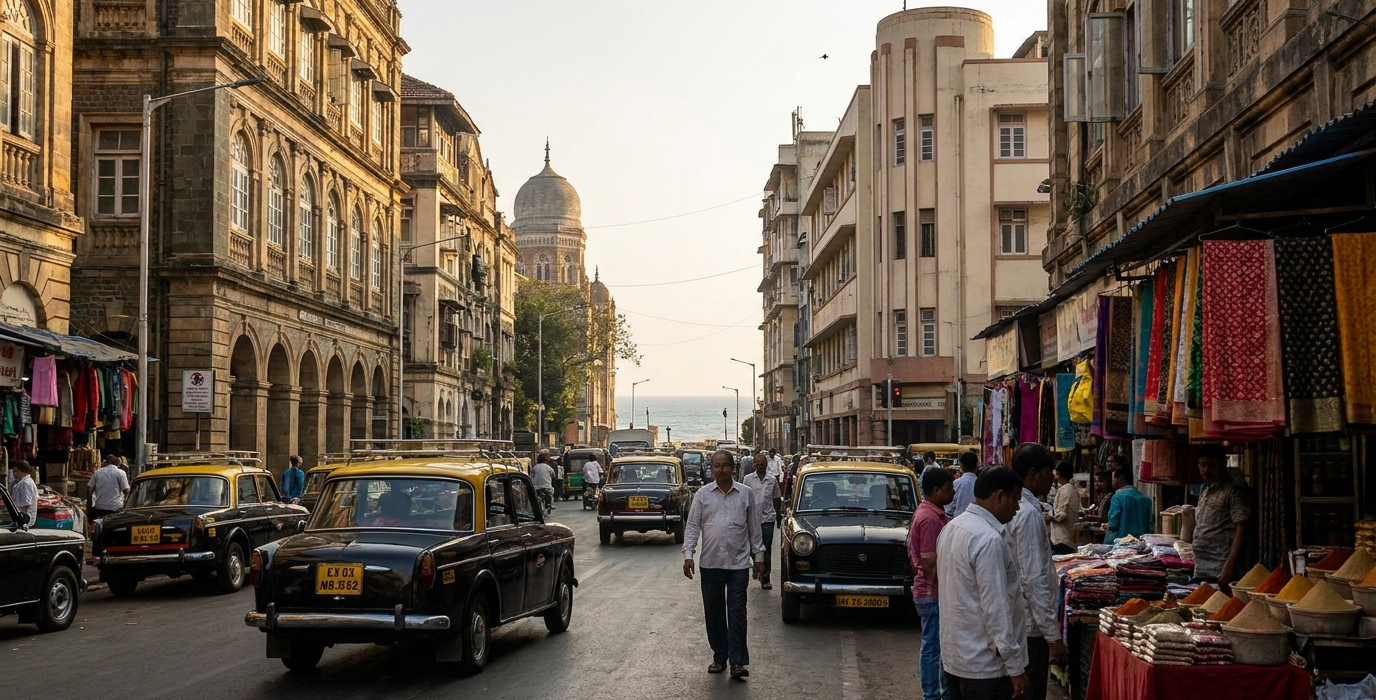
For shorter distances or when the train routes don’t quite suffice, the ubiquitous black-and-yellow taxis (Premier Padminis and Ambassadors) and the more modern fleet of app-based ride-sharing services like Uber and Ola are readily available. These services offer convenience and comfort, allowing you to navigate the city’s often-congested streets with ease. We highly recommend downloading the apps before your arrival for seamless booking and payment. Booking a taxi through a reputable aggregator also provides a degree of safety and transparency that traditional street hails might not always offer.
The BEST (Brihanmumbai Electric Supply and Transport) undertaking operates a vast network of city buses, which are another affordable option for getting around. While they can be slower due to traffic, buses offer a more intimate glimpse into local life and can take you to areas not directly served by the railway. Route maps are available at bus depots and online. Walking is also a fantastic way to explore specific neighbourhoods like Colaba, Fort, and Kala Ghoda, where many attractions are clustered together. Just remember to stay hydrated and wear comfortable shoes. The city’s humidity can be a factor, so planning your walks for the cooler parts of the day is advisable. A surprising fact is that Mumbai’s local train network carries over 7 million passengers daily, making it one of the busiest commuter rail systems in the world.
Beyond the Beaten Path: Hidden Gems of South Mumbai
While the iconic landmarks of South Mumbai are undeniable draws, venturing slightly off the well-trodden path reveals a different, equally enchanting side of the city. Tucked away in the Fort area is the David Sassoon Library and Reading Room, a stunning example of Indo-Saracenic architecture dating back to 1870. Its imposing red sandstone facade and tranquil interior offer a peaceful respite from the city’s hustle. Inside, you can browse its vast collection of books or simply admire the grandeur of its reading hall. It’s a place where history breathes and quiet contemplation is encouraged.
Another fascinating, though often overlooked, spot is the Asiatic Society of Mumbai, housed in the historic Durbar Hall. This institution is one of the city’s oldest learned societies, established in 1804. Its library boasts an impressive collection of rare books and manuscripts, including a 14th-century copy of Dante’s Divine Comedy. The building itself is a magnificent piece of colonial architecture, and visiting it feels like stepping back in time. The sheer volume of historical documents preserved here is staggering, offering invaluable insights into India’s past.
For a truly unique experience, explore the narrow lanes of Ballard Estate. This area, designed by British architect George Wittet, features beautifully preserved Art Deco buildings and cobblestone streets, offering a serene escape from the more chaotic parts of Fort. It feels like a small piece of Europe transplanted into Mumbai. You can discover charming cafes and independent shops nestled within these architectural gems. One surprising fact is that the buildings in Ballard Estate were designed to resemble a grid, making navigation simpler, a stark contrast to the organic growth of many older city areas. Exploring these less-hyped locales allows for a more intimate connection with South Mumbai’s enduring spirit and its layered history.
“South Mumbai isn’t just a place; it’s an experience that engages all your senses, a city that whispers tales of its past while embracing the dynamism of the present. It’s a destination that rewards curiosity with discovery at every turn.”
Frequently Asked Questions
What is the best time to visit South Mumbai?
The best time to visit South Mumbai is during the winter months, from October to March. The weather is pleasant, with cooler temperatures and lower humidity, making it ideal for exploring the city on foot and enjoying outdoor activities. Monsoon season (June to September) can be beautiful but disruptive, while summers (April to May) are extremely hot and humid.
How can I get around South Mumbai efficiently?
You can get around South Mumbai efficiently using a combination of the Mumbai Suburban Railway for longer distances, app-based ride-sharing services (Uber/Ola) or black-and-yellow taxis for shorter trips, and city buses. Walking is also highly recommended for exploring specific neighbourhoods like Colaba, Fort, and Kala Ghoda, where many attractions are clustered together.
What are some must-try local foods in South Mumbai?
You must try the iconic bun maska and chai at an Irani cafe, Vada Pav (a popular street food), Pav Bhaji, Bhel Puri, and Sev Puri. For more substantial meals, sample the Berry Pulao at Britannia & Co. Restaurant or explore the authentic South Indian vegetarian thalis in areas like Matunga. Don’t shy away from the street food vendors for an authentic taste of Mumbai.
Are there any specific dress codes for visiting religious sites in South Mumbai?
Yes, when visiting religious sites like the Haji Ali Dargah or temples, it is important to dress modestly. This typically means covering your shoulders and knees. It is also customary to remove your shoes before entering mosques and temples. Some sites may provide headscarves for women.