Key Takeaways
- Indian consumers are increasingly adopting health wearables, driven by rising health consciousness and affordability.
- Beyond fitness tracking, these devices now offer advanced health monitoring features like ECG and blood oxygen, empowering proactive health management.
- The integration of AI and telemedicine is revolutionising diagnostics and remote patient care, making healthcare more accessible.
- Data privacy and accuracy remain critical considerations as the digital health landscape matures.
The Pulse of Progress: Wearables Go Beyond Fitness
The year is 2026, and the landscape of personal health in India is undergoing a profound transformation, powered by a wave of sophisticated wearable technology. Gone are the days when smartwatches and fitness bands were merely gadgets for counting steps and tracking sleep. Today, these devices have evolved into sophisticated health companions, offering insights that were once the exclusive domain of medical professionals. We’re witnessing a significant shift in how Indians approach their well-being, with a growing emphasis on proactive monitoring and early detection. This surge in adoption is fuelled by a confluence of factors: increasing health awareness post-pandemic, a burgeoning middle class with disposable income, and the ever-improving affordability and accessibility of these advanced gadgets. From the bustling streets of Mumbai to the serene valleys of Himachal Pradesh, the common thread is a desire to stay informed and in control of one’s health journey.
This isn’t just about vanity metrics; it’s about genuine health empowerment. Imagine receiving an alert on your wrist, prompting you to consult a doctor about an irregular heartbeat detected by your smartwatch’s ECG feature. This is the reality for millions of Indians in 2026. Companies are investing heavily in research and development, pushing the boundaries of what’s possible with miniaturised sensors. We’re seeing devices that can monitor blood oxygen saturation (SpO2) with remarkable accuracy, a feature that became a household necessity during recent health scares. Furthermore, continuous glucose monitoring (CGM) is slowly making its way into the mainstream wearable market, offering immense value to individuals managing diabetes. The ability to track vital signs in real-time, coupled with actionable insights delivered through user-friendly apps, is fundamentally changing our relationship with our own bodies. It’s about fostering a culture of preventive care rather than reactive treatment, a paradigm shift that promises to reshape India’s healthcare narrative for the better.
AI and Telemedicine: Bridging the Healthcare Gap
The integration of Artificial Intelligence (AI) with wearable technology and telemedicine platforms marks perhaps the most significant leap in India’s digital health revolution. In 2026, AI algorithms are no longer just processing raw data from your smartwatch; they are actively learning from it, identifying subtle patterns that might indicate an impending health issue long before you experience symptoms. These intelligent systems can analyse ECG readings to flag potential arrhythmias, monitor sleep patterns for signs of sleep apnea, and even predict stress levels based on heart rate variability and other biometric data. This predictive power is a game-changer, allowing for early intervention and personalized health recommendations. For instance, an AI-powered app could suggest dietary changes or specific exercises based on your real-time physiological responses, moving beyond generic advice to truly tailored wellness plans.
Telemedicine, amplified by these AI-driven insights, is making quality healthcare accessible to even the most remote corners of India. Imagine a farmer in a village in Rajasthan, who can now share detailed health data from their wearable directly with a specialist in Jaipur via a secure telemedicine portal. This eliminates the need for arduous travel, saving time and money, and crucially, ensuring timely medical attention. Doctors, equipped with a comprehensive view of a patient’s health history and real-time data, can make more informed diagnoses and treatment plans. This symbiotic relationship between wearables, AI, and telemedicine is particularly vital in a country like India, where healthcare infrastructure can be unevenly distributed. It democratises access to medical expertise, ensuring that geographical barriers no longer dictate the quality of care an individual receives. This digital bridge is not just about convenience; it’s about equity and saving lives.
Beyond the Metro: Rural India Embraces Digital Wellness
The narrative that digital health is confined to India’s metropolitan cities is rapidly becoming obsolete. In 2026, we are seeing a remarkable adoption of health wearables and digital wellness solutions even in Tier-2 and Tier-3 cities, and increasingly, in rural areas. Several factors are contributing to this expansion. Firstly, the falling price points of many basic and mid-range smartwatches and fitness trackers have made them accessible to a wider demographic. Secondly, government initiatives promoting digital literacy and internet connectivity, particularly through programs like the Digital India campaign, are creating a more receptive environment for technology adoption. Local health workers and community centres are also playing a crucial role, acting as facilitators and educators, helping individuals understand and utilise these devices.
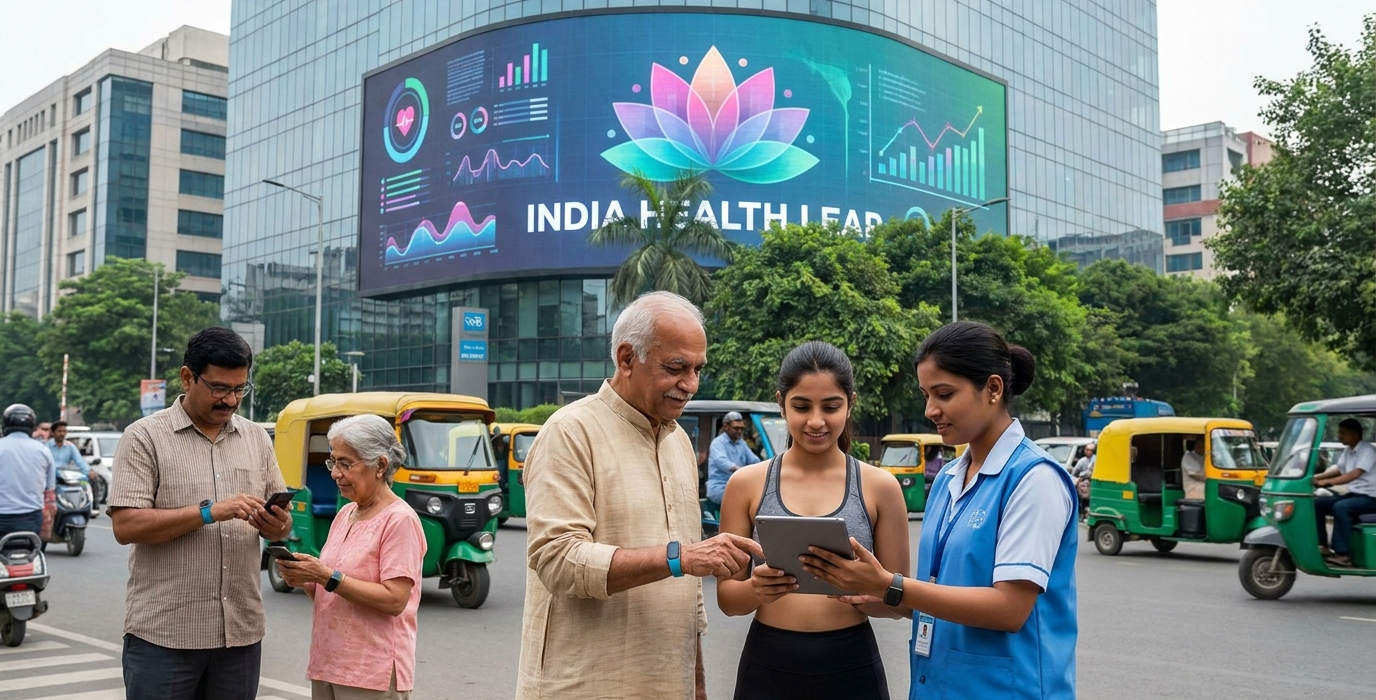
Consider the impact in a village near Madurai, where a community health worker might use a tablet to guide elders in using their new fitness band. This band, which tracks daily steps and heart rate, can alert the worker to any anomalies, prompting them to check in on the individual. This creates a decentralised, proactive healthcare network. Furthermore, the gamification of health challenges, often integrated into these wearable apps, is fostering a sense of community and friendly competition, encouraging healthier habits. Surprisingly, a recent survey revealed that a significant percentage of users in rural Maharashtra reported using their SpO2 monitors to gauge their respiratory health, especially during periods of air pollution, demonstrating a practical application of the technology beyond mere fitness tracking. This grassroots adoption signifies a fundamental shift: health and wellness are no longer perceived as luxuries but as essential components of daily life, empowered by accessible technology.
Data Privacy and Security: The Crucial Underside
As we celebrate the remarkable advancements in India’s digital health ecosystem in 2026, it’s imperative to address the critical concerns surrounding data privacy and security. The proliferation of health wearables means that vast amounts of sensitive personal health information are being collected, transmitted, and stored. While the convenience and insights offered by these devices are undeniable, the potential for misuse of this data is a serious consideration. Robust regulatory frameworks are essential to ensure that your health data is protected against unauthorised access and breaches. We’ve seen increased efforts by the Indian government and tech companies to establish guidelines for data anonymisation, encryption, and secure storage. However, the evolving nature of cyber threats means that this is an ongoing battle.
It’s crucial for consumers to be aware of how their data is being used. Many wearable apps have privacy policies that outline data sharing practices with third parties, often for research or targeted advertising. Understanding these policies is your first line of defence. We recommend exercising caution when granting permissions to apps and regularly reviewing your privacy settings. Furthermore, the accuracy of the data collected by wearables is paramount, especially when it influences medical decisions. While accuracy has improved dramatically, it’s important to remember that these devices are not medical-grade instruments in all instances. They are powerful tools for monitoring and providing insights, but diagnosis and treatment should always be guided by qualified healthcare professionals. A surprising fact emerging in 2026 is the rise of ‘data brokers’ specifically focused on aggregating anonymised health data for research institutions, highlighting the immense value and potential risks associated with this data.
The Rise of Holistic Wellness Platforms
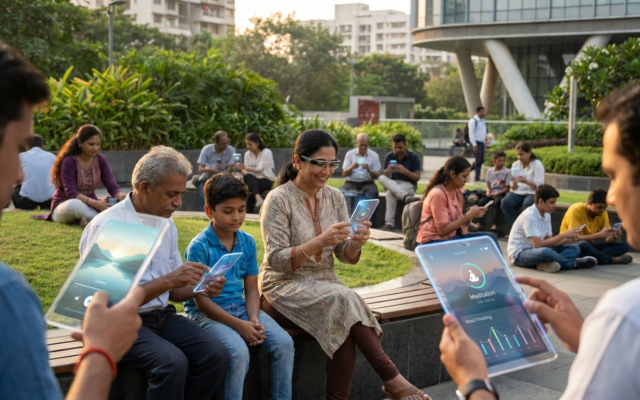
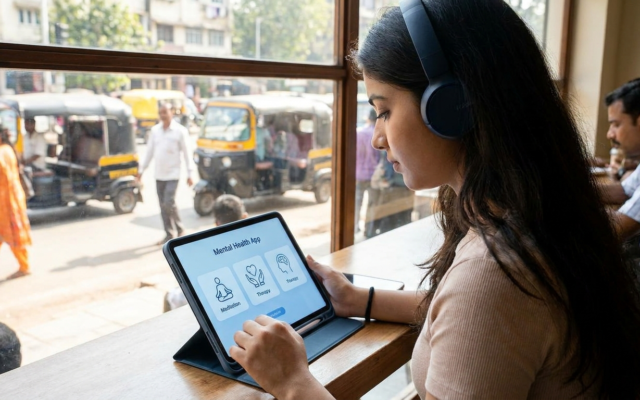
The health tech evolution in India in 2026 extends beyond individual devices to encompass integrated, holistic wellness platforms. These platforms aim to provide a comprehensive view of an individual’s health by aggregating data from various sources – wearables, health apps, and even electronic health records (EHRs). They move beyond simply tracking fitness metrics to encompass mental well-being, nutrition, and preventative care. Imagine a platform that not only tracks your daily activity and sleep but also integrates your meditation session logs, food diary, and even reminds you about scheduled doctor appointments. This unified approach to wellness empowers users to understand the interconnectedness of different aspects of their health.
These platforms are increasingly leveraging AI to provide personalised wellness journeys. For example, an AI coach might suggest a combination of physical exercises, mindfulness techniques, and dietary adjustments based on your cumulative data. The goal is to foster sustainable lifestyle changes rather than short-term fixes. Companies are also partnering with insurance providers, offering incentives for users who actively engage with these platforms and demonstrate healthy habits. This incentivisation model is proving to be effective in encouraging long-term commitment to wellness. One unexpected development is the growing popularity of these platforms among corporate employers in India, who are using them to promote employee well-being and reduce healthcare costs. This indicates a broader societal recognition of the preventive power of integrated digital health solutions.
Decoding the Future: What to Expect Next
Looking ahead from our vantage point in August 2026, the trajectory of health tech in India is undeniably exciting. We can anticipate even greater integration of advanced sensor technologies into wearables. Expect devices that can non-invasively monitor blood pressure with higher accuracy, track hydration levels, and perhaps even provide early indicators of infectious diseases through subtle changes in body temperature and heart rate. The miniaturisation of these sensors will likely lead to more discreet and comfortable form factors, moving beyond wristbands to smart clothing or even bio-integrated patches. Furthermore, the AI capabilities will become even more sophisticated, moving from predictive analytics to prescriptive interventions, essentially acting as personalised health advisors guiding us through complex health decisions.
The interoperability of health data will also be a major focus. In 2026, we are still grappling with siloed data, but the future points towards seamless data sharing between different devices, platforms, and healthcare providers, all with user consent and stringent privacy controls. This will unlock unprecedented opportunities for medical research and personalised treatment. Another surprising trend we’re starting to see is the emergence of “digital twins” – highly personalised AI models of individuals based on their health data, allowing for simulated testing of treatments and lifestyle changes before they are implemented in real life. This hyper-personalisation promises to revolutionise preventative medicine and chronic disease management, truly ushering in an era where technology empowers us to live healthier, longer lives.
Frequently Asked Questions
Are health wearables accurate enough for medical diagnosis in 2026?
While the accuracy of health wearables has significantly improved, they are generally considered supplementary tools for monitoring and insights, not replacements for professional medical diagnosis. Features like ECG and SpO2 offer valuable data, but any concerns should always be discussed with a qualified healthcare provider.
How can I ensure my health data collected by wearables is secure?
To enhance security, use strong, unique passwords for your wearable apps, enable two-factor authentication where available, and regularly review your app’s privacy settings. Be cautious about the permissions you grant and understand the app’s data usage policy.
What are the key benefits of AI in health wearables?
AI enhances health wearables by enabling predictive analytics, identifying subtle health patterns, offering personalised insights and recommendations, and making data interpretation more accessible. This moves beyond simple tracking to proactive health management.
Can I use my health wearable data to get discounts on health insurance in India?
Some insurance providers in India are exploring or offering incentives for users who demonstrate healthy habits tracked through verified wellness platforms. It’s advisable to check directly with your insurance provider for current programs and eligibility criteria.
Which Indian cities are leading in health wearable adoption?
While adoption is growing nationwide, metro cities like Bengaluru, Delhi, and Mumbai generally show higher adoption rates due to greater tech familiarity and disposable income. However, Tier-2 and Tier-3 cities are rapidly catching up, driven by increasing affordability and awareness.