Key Takeaways
- India’s electric vehicle market is experiencing rapid growth, driven by government incentives, falling battery costs, and new model launches in 2026.
- Innovations in battery technology, charging infrastructure, and vehicle design are making EVs more practical and appealing for Indian consumers.
- Electric two-wheelers and three-wheelers continue to dominate the market, but passenger car adoption is steadily increasing, with significant new entrants expected.
- Challenges remain in areas like widespread charging availability, grid stability, and consumer upfront cost, but proactive solutions are emerging.
The Electric Tide Rises: A New Era for Indian Mobility
The air in India’s metropolises is starting to feel a little cleaner, and the hum of engines is gradually being replaced by a quieter, more futuristic sound. In 2026, the electric vehicle (EV) revolution isn’t just a distant possibility; it’s a palpable reality unfolding across the subcontinent. From bustling streets in Delhi to the scenic routes of Kerala, electric two-wheelers, three-wheelers, and increasingly, passenger cars, are becoming a common sight.
This surge isn’t a sudden phenomenon but the culmination of years of strategic policy, technological advancement, and a growing consumer consciousness. The Indian government’s ambitious targets, coupled with substantial investments from both domestic and international players, have created a fertile ground for EV adoption. We’re witnessing a paradigm shift, where sustainability and cutting-edge technology are no longer niche interests but mainstream drivers of the automotive industry.
As you navigate the evolving landscape of Indian mobility, understanding these shifts is crucial. Whether you’re a seasoned car buyer, a daily commuter, or an investor, the electric future is here, and it’s accelerating faster than many predicted. This report dives deep into the innovations, challenges, and the promising outlook for India’s electric vehicle ecosystem in 2026.
Innovations Sparking the EV Boom
The core of the EV revolution lies in its relentless innovation, particularly in battery technology. In 2026, we’re seeing significant leaps in energy density, leading to longer ranges that alleviate range anxiety, a major concern for Indian consumers. Furthermore, battery costs have continued their downward trajectory, making EVs more competitive with their internal combustion engine (ICE) counterparts. This isn’t just about lithium-ion anymore; solid-state batteries, while still nascent for mass adoption, are showing immense promise for faster charging and enhanced safety, with pilot projects already underway in select Indian research facilities.
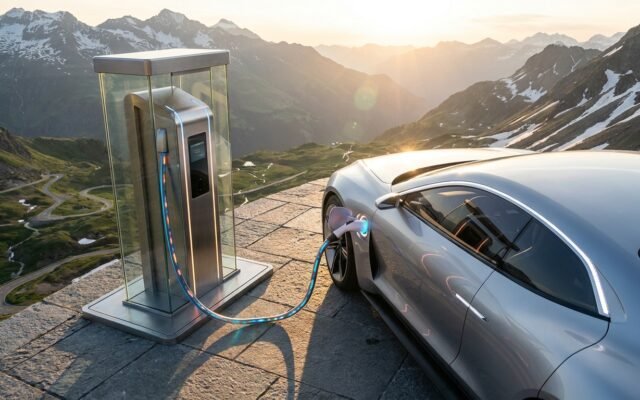
Charging infrastructure is another area experiencing rapid evolution. Gone are the days of a handful of scattered charging points. India is now witnessing a concerted push to build a robust network. Public charging stations are proliferating in urban centers, highways, and even in smaller towns. Companies are deploying smart charging solutions that can optimize charging times based on grid load and electricity prices, offering significant savings to EV owners. We’re also seeing innovative battery-swapping solutions, especially for commercial fleets and two-wheelers, which can bring a vehicle back to full power in mere minutes, akin to refuelling an ICE vehicle.
Beyond batteries and charging, vehicle design is also adapting to Indian conditions. Manufacturers are focusing on rugged suspensions, higher ground clearance, and efficient cooling systems to handle the diverse terrains and climatic conditions across the country. The focus is on creating EVs that are not just environmentally friendly but also practical, durable, and suited to the unique demands of the Indian market. This holistic approach to innovation is what’s truly accelerating the adoption curve.
The Dominance of Two and Three Wheels, and the Rise of Cars
For years, the narrative of India’s EV market has been largely dominated by electric two-wheelers and three-wheelers. This trend continues strongly into 2026, and for good reason. These vehicles are the backbone of urban transportation and last-mile delivery services, where lower running costs and reduced emissions offer immediate and tangible benefits. Start-ups and established players alike are flooding the market with a dizzying array of electric scooters and motorcycles, catering to diverse needs, from daily commutes to performance-oriented rides. Electric auto-rickshaws and delivery vans are also making significant inroads, powered by their cost-effectiveness and government push for cleaner commercial transport.
However, the most exciting development in 2026 is the accelerating adoption of electric passenger cars. While upfront costs have historically been a barrier, falling battery prices and attractive government subsidies under schemes like the FAME (Faster Adoption and Manufacturing of Hybrid and Electric Vehicles) II program are making EVs a more viable option for a larger segment of the population. Several new models have been launched this year, offering a wider range of price points and features, from compact city cars to more spacious SUVs.
We are also seeing increased localization of manufacturing, which is helping to bring down production costs and create a more resilient supply chain. Companies are investing heavily in R&D and manufacturing facilities within India, signalling a long-term commitment to the electric passenger car market. This increased competition and product diversity is a win for consumers, offering more choices and driving down prices further. The shift from two/three-wheelers to four-wheelers is no longer a question of ‘if’, but ‘when’ and ‘how quickly’.
Navigating the Charging Landscape: Challenges and Solutions
Despite the impressive progress, the widespread availability of charging infrastructure remains a critical hurdle for mass EV adoption in India. While urban centers are seeing a significant increase in charging points, the situation in smaller towns and rural areas is still nascent. The sheer density of charging options needed to truly match the convenience of petrol pumps is a monumental task. This is where we see a multi-pronged approach emerging. The government is actively promoting public-private partnerships to expand the charging network, encouraging investments from energy companies, oil marketing companies, and even real estate developers.
Home charging solutions are also gaining traction, with many EV owners opting for dedicated charging points in their parking spaces. However, this is contingent on consistent electricity supply, which can still be a challenge in some parts of the country. Grid stability is a growing concern as more EVs connect to the power network. Utility providers are investing in grid upgrades and smart grid technologies to manage the increased load, and the integration of renewable energy sources for EV charging is a key focus to ensure the entire ecosystem remains truly green.
Innovative solutions are also being explored, such as mobile charging vans that can provide on-demand charging in remote areas or during peak demand periods. Battery-swapping stations, as mentioned earlier, offer a different model altogether, reducing the reliance on fixed charging points. The industry is also advocating for standardization of charging connectors and protocols to ensure interoperability and ease of use across different EV models and charging networks. This collaborative effort is essential to build a seamless charging experience for all EV users.
A Surprising Fact: The Rise of Solar-Powered Charging
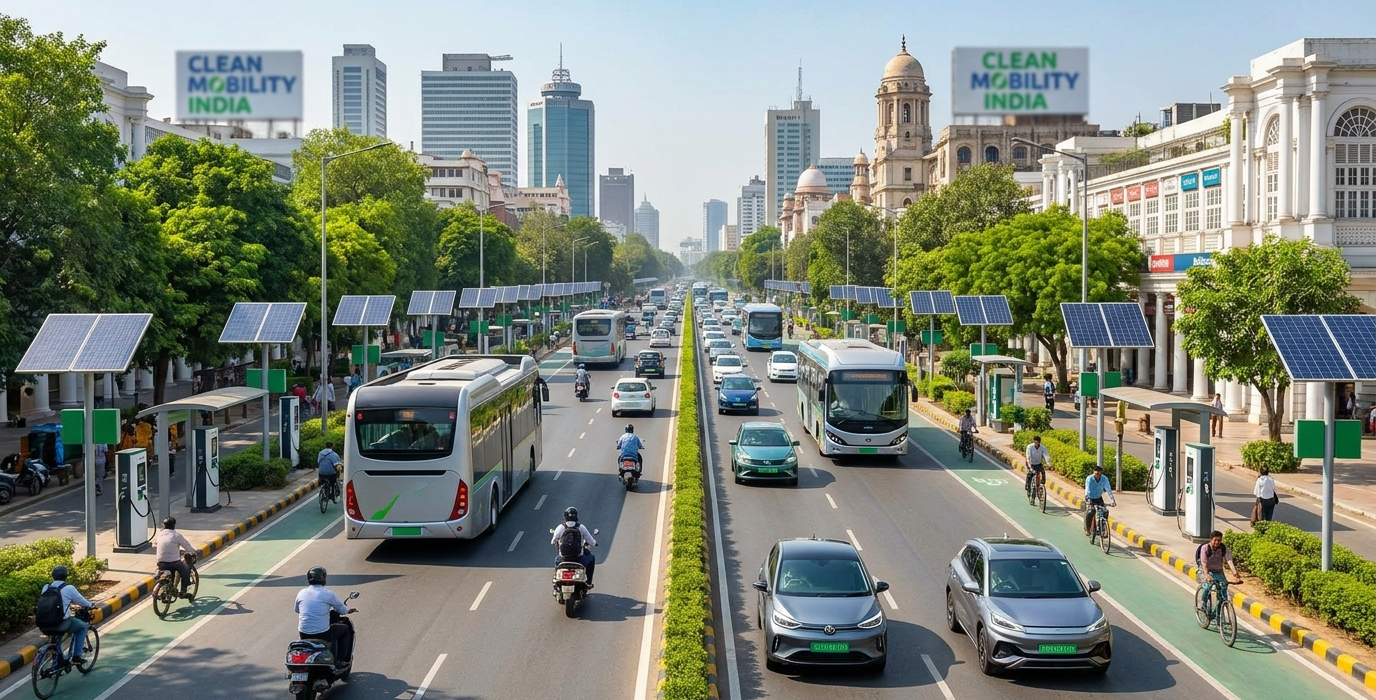
One of the most fascinating developments we’re observing in 2026 is the increasing integration of solar power into EV charging solutions. Many new charging stations are now being equipped with solar panels, allowing EVs to be charged using clean, renewable energy. This not only reduces the carbon footprint of the charging process but also helps to stabilize electricity costs. Some forward-thinking residential complexes are even exploring community solar farms to power their EV charging infrastructure, offering a glimpse into a self-sufficient energy future for electric mobility.
Government Support and Policy Drivers
The Indian government’s commitment to electric mobility is a pivotal factor driving the current surge. Schemes like FAME II, which offers direct subsidies to buyers of EVs, and the Production Linked Incentive (PLI) scheme for Advanced Chemistry Cell (ACC) battery manufacturing and the automobile sector, have been instrumental. These policies aim to not only accelerate adoption but also to foster domestic manufacturing capabilities, reduce import dependence, and create a robust EV ecosystem within India.
Furthermore, several state governments have introduced their own EV policies, offering additional incentives such as road tax exemptions, registration fee waivers, and subsidies for charging infrastructure installation. Cities like Delhi, Maharashtra, and Tamil Nadu are leading the charge with comprehensive policies designed to encourage the transition to electric vehicles. The emphasis is on creating a supportive environment that makes owning and operating an EV more attractive than ever before.
Beyond direct financial incentives, the government is also focusing on non-fiscal measures. This includes mandating fleet operators to transition to EVs, promoting EV awareness campaigns, and setting ambitious targets for EV penetration in public transport. The establishment of dedicated task forces and regulatory bodies to oversee the EV transition ensures that progress is monitored and challenges are addressed proactively. This unwavering policy support provides a crucial foundation for the sustained growth of India’s EV market.
“The real game-changer isn’t just the vehicles themselves, but the intelligent integration of charging, grid management, and renewable energy that makes electric mobility a truly sustainable and practical choice for the average Indian consumer in 2026.”
Looking Ahead: The Road to a Greener Future
The trajectory of India’s electric vehicle market in 2026 is undeniably upward. The confluence of technological advancements, supportive government policies, increased consumer awareness, and a growing range of competitive products paints a very bright picture. We can expect to see continued innovation in battery technology, leading to even longer ranges and faster charging times. The charging infrastructure network will expand further, becoming more ubiquitous and user-friendly.
The passenger car segment is poised for significant growth, with more global and domestic manufacturers entering the fray, offering diverse options across various price points. The commercial vehicle sector, particularly for last-mile delivery and public transportation, will continue its electrification journey at a rapid pace, driven by operational cost savings and environmental regulations. The sheer scale of India’s population and its aspirations for sustainable development mean that the EV revolution here has the potential to be one of the most significant in the world.
However, challenges will persist. Ensuring grid stability to handle the increased demand, developing a robust and accessible charging network in rural areas, and addressing the upfront cost for certain segments of the population will require continued focus and investment. Yet, the momentum is undeniable. We are on the cusp of a transformation that will redefine Indian mobility, making it cleaner, quieter, and more sustainable for generations to come. The electric dream is fast becoming an electric reality.
Frequently Asked Questions
What is the average range of an electric car in India in 2026?
In 2026, most new electric passenger cars available in India offer a real-world range of 250-400 kilometers on a single charge, with some premium models exceeding 500 kilometers. This is a significant improvement from previous years, largely due to advancements in battery technology.
Are electric vehicles becoming more affordable in India?
Yes, electric vehicles are becoming more affordable. While the initial purchase price can still be higher than comparable ICE vehicles, falling battery costs, government subsidies, and lower running costs (electricity vs. petrol/diesel) are making EVs a more economically viable option over their lifetime. We are also seeing more budget-friendly EV models entering the market.
What are the main government incentives for buying an EV in India?
Key government incentives include subsidies under the FAME II scheme, which directly reduce the purchase price of eligible EVs. Additionally, many state governments offer exemptions on road tax and registration fees, further lowering the overall ownership cost.
Is the charging infrastructure sufficient for electric cars in Indian cities?
Charging infrastructure in major Indian cities has improved considerably. While it’s no longer a major deterrent for city dwellers, expanding the network to smaller towns and highways remains an ongoing effort. Many users rely on home charging, and public charging stations are increasingly available in commercial areas and apartment complexes.
Will electric two-wheelers and three-wheelers continue to dominate the Indian market?
Yes, electric two-wheelers and three-wheelers are expected to continue dominating the Indian EV market in terms of volume due to their suitability for urban commuting, last-mile delivery, and their lower upfront costs. However, the passenger car segment is experiencing the fastest growth rate.