Key Takeaways
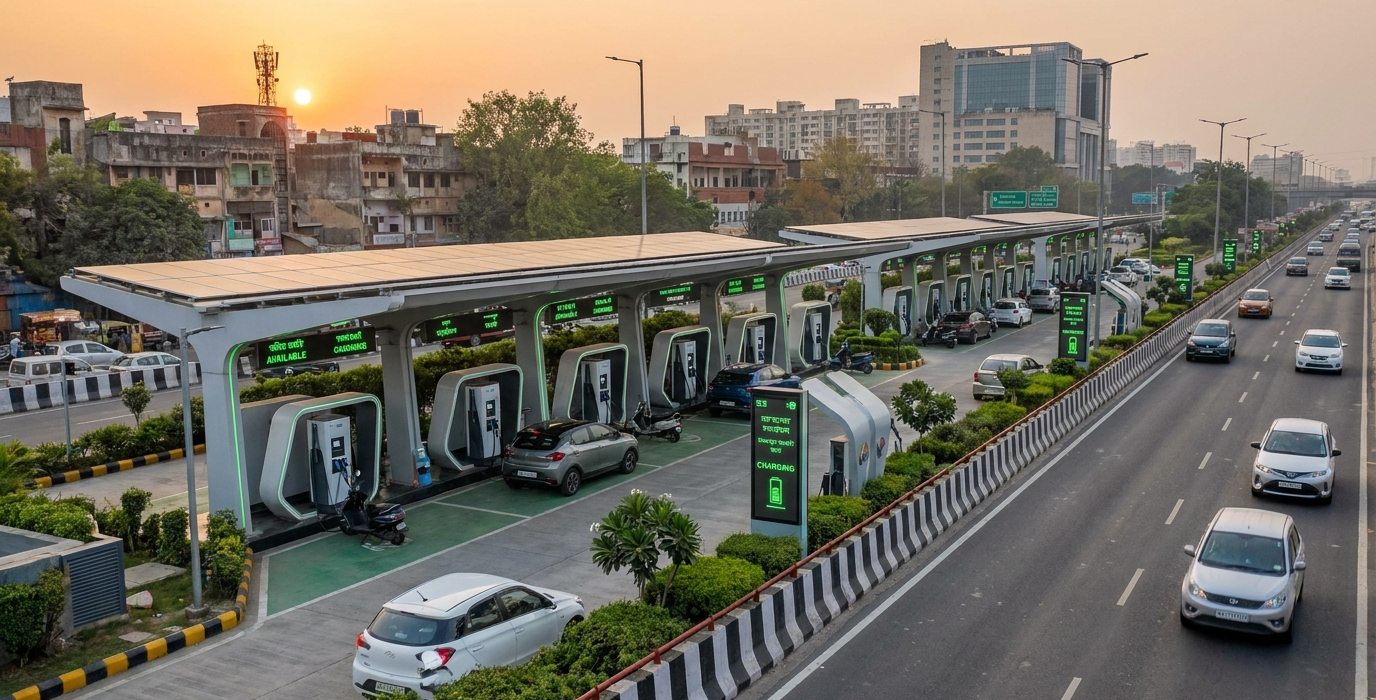
- India’s EV charging infrastructure has seen unprecedented growth, with over 30,000 public charging points now operational across the nation as of August 2026.
- Key cities like Delhi, Mumbai, Bengaluru, and Chennai are leading the charge, but significant expansion is also visible in Tier-2 and Tier-3 cities, making EV ownership more viable.
- New charging technologies, including ultra-fast DC chargers and battery swapping stations, are rapidly being deployed, addressing range anxiety and reducing downtime.
- Government incentives and private sector investments continue to fuel this expansion, creating a robust ecosystem for electric mobility.
The Charging Boom: Powering India’s Electric Future
The hum of electric vehicles is becoming an increasingly familiar sound on Indian roads, and the engine driving this transformation is our rapidly expanding charging network. As of August 2026, India has surpassed the 30,000 public charging point mark, a monumental leap from just a few years ago. This isn’t just about numbers; it signifies a tangible shift, making electric mobility a practical and attractive choice for millions.
We’ve moved beyond the initial skepticism. The sheer volume of charging stations now available means you can plan longer journeys with greater confidence. Whether you’re navigating the bustling streets of Mumbai or embarking on a road trip from Jaipur to Udaipur, the availability of charging points is no longer a significant hurdle. This robust growth is a testament to the combined efforts of government policies and private sector innovation, creating a virtuous cycle of adoption and infrastructure development.
Metros Lead, But Bharat is Catching Up
The electrification wave, as expected, began in our major metropolises. Delhi, Mumbai, Bengaluru, and Chennai have emerged as frontrunners, boasting the highest densities of charging stations. These urban centres, with their proactive municipal policies and higher adoption rates, have become laboratories for EV charging solutions. You’ll find a diverse range of charging options here, from AC slow chargers at residential complexes to high-speed DC chargers at commercial hubs and highways.
However, the real story of 2026 is the aggressive expansion into Tier-2 and Tier-3 cities. Places like Indore, Lucknow, and Coimbatore are witnessing a surge in charging infrastructure development. This democratisation of EV charging is crucial for widespread adoption, bringing the benefits of electric mobility to a much larger segment of the Indian population. We’re seeing charging stations pop up in unexpected places – near local markets, at community centres, and even along state highways connecting smaller towns. This broad reach is essential for building a truly national EV ecosystem.
Innovations in Charging: Faster, Smarter, More Convenient
The charging landscape in India is not just growing; it’s evolving at lightning speed. We’re moving beyond basic AC charging. The deployment of ultra-fast DC chargers is accelerating, dramatically reducing charging times for EVs. Imagine pulling into a highway service station near, say, the Golden Temple in Amritsar, and being able to add 200 kilometres of range in under 20 minutes. That’s the reality many EV owners are experiencing today.
Battery swapping technology is also gaining significant traction, particularly for commercial fleets and two-wheelers. Companies like Sun Mobility are rapidly expanding their network of battery swapping stations across major cities. This offers a compelling alternative for users who need to minimise downtime. Instead of waiting for a charge, you simply swap your depleted battery for a fully charged one in a matter of minutes. This is a game-changer for ride-sharing services and delivery fleets operating in congested urban environments like Hyderabad.
A Surprising Fact: India’s First Solar-Powered EV Charging Hub
Did you know that India now boasts its first fully solar-powered EV charging hub? Located near the coastal town of Pondicherry, this innovative facility leverages solar energy to power a bank of fast chargers. It’s a beacon of sustainable mobility, showcasing how renewable energy can be seamlessly integrated into our EV charging infrastructure, even in remote or off-grid locations. This initiative, launched in early 2026, is paving the way for more eco-conscious charging solutions across the country.
Government Push and Private Sector Prowess
The Indian government’s commitment to electric mobility is unwavering, and this is directly reflected in the charging infrastructure boom. Policies like the Faster Adoption and Manufacturing of Electric Vehicles (FAME) scheme, along with production-linked incentive (PLI) schemes, have provided crucial financial impetus for both EV manufacturers and charging infrastructure developers. These incentives have lowered the barrier to entry for private players, encouraging substantial investment.
Companies like Tata Power, ChargeZone, and Fortum are at the forefront, establishing vast charging networks. We’re seeing an increasing number of public-private partnerships, where state governments and private entities collaborate to identify locations and deploy charging stations. This synergistic approach ensures that the expansion is not only rapid but also strategically planned to meet the growing demand. The sheer scale of investment by companies like Ather Energy, who are integrating charging into their retail experience, further underscores the industry’s confidence.
Navigating the Charging Options: A Comparative Glance
As the charging network expands, so does the variety of options available to you. Understanding these can help you make the most of your EV experience. Here’s a quick comparison of common charging types you’ll encounter:
| Charging Type | Typical Charging Speed | Best For | Example Locations |
|---|---|---|---|
| AC Slow Charger (Level 1/2) | 3-7 kW (Adds ~15-30 km per hour) | Home charging, overnight charging, destinations where the vehicle will be parked for extended periods. | Residential societies, office parking lots, hotels. |
| DC Fast Charger (Level 3) | 50 kW and above (Adds ~200-300 km in 30-60 minutes) | Quick top-ups during travel, highway journeys, commercial fleets needing rapid turnaround. | Highway rest stops, busy commercial areas, dedicated charging hubs. |
| Ultra-Fast DC Charger | 150 kW and above (Adds ~200-300 km in 15-30 minutes) | Minimising downtime on long journeys, high-performance EVs. | Major highway corridors, select urban charging stations. |
| Battery Swapping | Seconds to minutes (for battery exchange) | Two-wheelers, three-wheelers, commercial fleets requiring minimal operational disruption. | Dedicated swapping stations, petrol pumps, fleet depots. |
The Future: Smart Grids and Interoperability
Looking ahead, the evolution of India’s EV charging network is poised for even greater sophistication. We are increasingly seeing the integration of charging infrastructure with smart grids. This means chargers can communicate with the grid, optimising charging based on electricity prices and grid load. Imagine your EV charging automatically during off-peak hours when electricity is cheaper, helping to balance the national power demand.
Interoperability is another key focus for 2026 and beyond. Currently, you might need multiple apps or cards to access different charging networks. However, efforts are underway to create a more unified system, allowing you to seamlessly charge at any station regardless of the provider. This will significantly enhance user convenience and further drive EV adoption. The goal is a future where charging your EV is as effortless as refuelling a petrol car, but with the added benefits of sustainability and lower running costs.
“The rapid expansion of charging infrastructure is not just about convenience; it’s about building the foundational pillars for India’s sustainable mobility future, unlocking economic opportunities and cleaner air for all.”
Challenges and Opportunities Ahead
Despite the remarkable progress, challenges remain. Ensuring grid stability with a massive influx of EVs, standardising charging protocols, and ensuring equitable access across all regions are ongoing tasks. The sheer demand for electricity, especially during peak charging times, requires careful planning and investment in grid upgrades. Furthermore, while urban areas are well-served, ensuring charging availability in remote rural areas presents a significant logistical and economic challenge.
However, these challenges also present immense opportunities. They are driving innovation in energy storage, grid management, and smart charging solutions. The demand for skilled technicians to install and maintain charging stations is also creating new job opportunities. As we continue to electrify our transportation, we are simultaneously building a more resilient, intelligent, and sustainable energy ecosystem for India. The journey is ongoing, but the momentum is undeniable.
Frequently Asked Questions
What is the total number of public EV charging stations in India as of August 2026?
As of August 2026, there are over 30,000 public EV charging stations operational across India. This number continues to grow rapidly.
Are EV charging stations available in smaller Indian cities?
Yes, the charging network is expanding significantly into Tier-2 and Tier-3 cities, making EV ownership increasingly viable beyond the major metropolitan areas.
What are the fastest types of EV chargers available in India?
Ultra-fast DC chargers, capable of adding significant range in 15-30 minutes, are becoming more common, especially along major highways and in urban hubs.