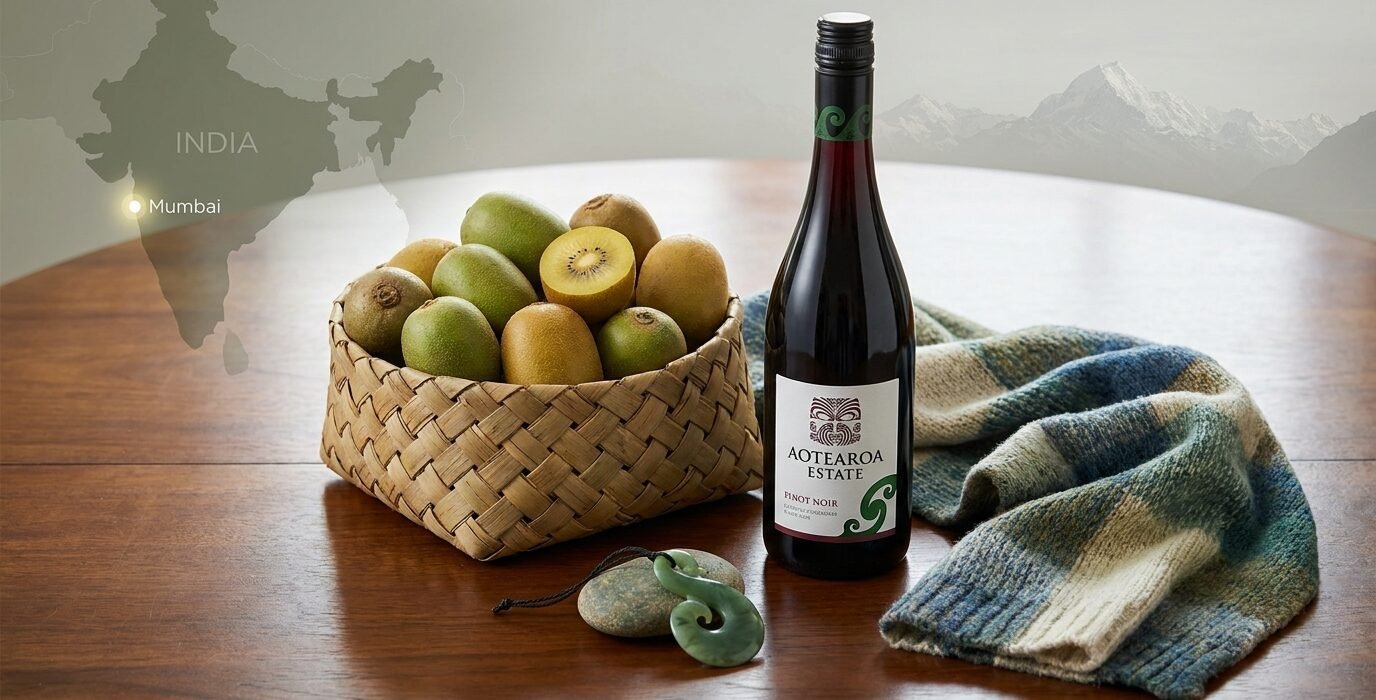
New Zealand’s dairy farmers might be the first thing that comes to mind when you think of exports to India. But what if I told you that the opportunity is far, far bigger than just milk powder? Imagine a bustling marketplace, millions of new consumers eager for quality products, and a government keen on building stronger trade ties. That’s the India we’re talking about.
Key Takeaways:
- India’s rising middle class represents a significant, often overlooked, export market for New Zealand businesses.
- Beyond traditional sectors like agriculture, opportunities exist in technology, education, and specialized consumer goods.
- Navigating India’s diverse regional markets and complex regulatory landscape requires a tailored, patient approach.
- Digital platforms and strategic partnerships are crucial for effective market entry and sustained growth.
- New Zealand’s reputation for quality and sustainability can be a powerful differentiator in the Indian market.
The Shifting Sands of Indian Demand
For decades, the narrative of India’s economy often focused on its vast population and potential. Now, that potential is rapidly materializing. The Indian middle class is not just growing; it’s expanding at an astonishing rate. This growth is fueled by rising incomes, increased urbanization, and a burgeoning aspiration for global brands and experiences.
Think of Mumbai’s glittering malls. Picture the tech hubs of Bengaluru buzzing with young professionals. Imagine the growing demand for premium products in cities like Pune. This isn’t a future prospect; it’s a present reality.
According to recent reports, India’s middle-class households are projected to grow by over 100 million in the next decade. This demographic shift means a substantial increase in disposable income. That translates directly into demand for goods and services that were once considered luxuries.
For New Zealand companies, this presents an electrifying, though complex, export frontier. It’s no longer just about selling raw materials. It’s about offering tailored solutions, high-quality consumer goods, and specialized services to a discerning and increasingly affluent audience. The sheer scale is staggering.
Consider the implications for a country like New Zealand. It’s renowned for its quality produce, innovative technology, and strong educational institutions. We’re talking about a market that can absorb significant volumes and value, provided businesses understand its nuances.
New Zealand’s traditional export strengths in agriculture, particularly dairy and meat, have found a solid footing in India. The demand for high-quality, safe, and nutritious food products is a constant. However, the true excitement lies in the diversification of consumer needs.
Young Indians, often educated abroad or exposed to global trends through digital media, are seeking products that reflect their evolving lifestyles. This includes everything from health and wellness supplements and specialized beverages to fashion, technology gadgets, and even advanced educational programs. The “Made in New Zealand” label carries significant weight. It’s synonymous with purity, sustainability, and innovation.
This reputation can be leveraged to command premium pricing and build brand loyalty. Companies based in regions like the Waikato, known for its agricultural prowess, or the tech-focused Silicon Valley of New Zealand in Auckland, should be looking closely at how their offerings can meet this surging demand. The key is to move beyond the generic. Identify specific niches within this vast market.
It requires a deep dive into consumer behaviour, regional preferences, and the evolving economic landscape. The narrative is shifting from what India needs to what India wants. Increasingly, it wants the best.
Beyond the Usual Suspects: New Avenues for Growth
When we talk about New Zealand’s export story in India, the conversation often defaults to Fonterra’s milk powder or Zespri’s kiwifruit. These are, of course, vital pillars of our bilateral trade. However, confining our vision to these established categories would be a grave miscalculation.
The burgeoning Indian middle class, with its expanding purchasing power and a growing appetite for novelty and quality, is opening up a panorama of new opportunities. Think about the tech sector. India is a global hub for IT services. Yet, its domestic market is also hungry for advanced software solutions, cybersecurity expertise, and innovative digital platforms.
Companies in Christchurch, with its growing tech scene, could find fertile ground for their specialized software. Consider the education sector. Indian families are increasingly investing in quality education for their children. They seek international exposure and specialized vocational training.
New Zealand’s polytechnics and universities, with their world-class facilities and innovative teaching methods, are well-positioned to attract a significant number of Indian students. This isn’t just for undergraduate and postgraduate degrees. It’s also for short-term professional development courses and skill-based training programs. This isn’t just about student fees; it’s about building long-term relationships, fostering cultural exchange, and creating a pipeline for future trade.
The health and wellness industry is another area ripe for exploration. As incomes rise, so does the focus on personal well-being. New Zealand’s reputation for natural, organic, and high-quality health supplements, skincare, and functional foods aligns perfectly with this trend.
Imagine a brand from the picturesque Marlborough region, known for its pristine environment, marketing its natural health products to health-conscious Indian consumers. The growing awareness of preventive healthcare and the desire for natural alternatives to conventional medicines present a substantial market.
Even in the realm of niche consumer goods, there’s immense potential. Think about sustainable fashion brands from Wellington. Consider artisanal food products, or even specialized sporting equipment. These are not mass-market items. They are products that appeal to a segment of the Indian middle class that values uniqueness, ethical production, and superior quality.
For instance, a company specializing in high-performance outdoor gear, perhaps based in Queenstown, could find a receptive audience among adventure-seeking urban Indians. The key is to identify these specific segments. Tailor marketing strategies to resonate with their aspirations and values.
We need to move beyond the bulk commodity mindset. Embrace the opportunity to export value-added products and unique services. Showcase New Zealand’s innovation and its commitment to excellence. The Indian market is vast and diverse. But within it lies a growing segment actively seeking what New Zealand has to offer.
Navigating the Labyrinth: Understanding India’s Market Dynamics
Entering the Indian market is often described as akin to navigating a labyrinth. It’s not a monolithic entity. It’s a collection of diverse states, each with its own language, culture, consumer preferences, and regulatory framework. What works in Delhi might not resonate in Chennai. What’s popular in Kolkata might be unheard of in Ahmedabad.
This complexity, while daunting, is also where the opportunity lies for agile and well-prepared New Zealand businesses. Understanding these regional nuances is paramount. For instance, food preferences vary dramatically.
While dairy might be popular nationwide, the specific types of dairy products or the way they are consumed can differ. Similarly, taste profiles for snacks, beverages, and even packaged meals will have regional variations. Companies need to invest in thorough market research. This research should extend beyond the national level, to the state and even city levels.
This means understanding local festivals, cultural events, and media consumption habits. A marketing campaign that focuses on Diwali celebrations in North India will need a different approach than one targeting Pongal in Tamil Nadu.
The regulatory landscape is another critical aspect. India has a complex web of regulations. This includes import duties, standards, and licensing requirements that can vary by sector and state. Navigating these can be time-consuming and require expert guidance. This is where partnerships become invaluable.
Engaging with local distributors, legal advisors, and trade consultants who have a deep understanding of the Indian system can save businesses considerable time and resources. For a company in a region like Hawke’s Bay, known for its wine production, understanding the specific excise policies and distribution channels for alcoholic beverages in different Indian states would be crucial before making any significant moves.
Furthermore, the digital landscape in India is rapidly evolving. Yet, traditional distribution channels still hold significant sway, especially outside the major metros. Building a strong online presence and leveraging e-commerce platforms is important. But so is establishing robust offline distribution networks. This often involves working with a network of wholesalers and retailers.
It’s a multi-pronged approach that requires patience and a long-term perspective. Building trust and relationships is key in Indian business culture. A quick win is rare. Instead, sustained effort, demonstrating commitment, and understanding the local way of doing business will pave the way for success.
The Digital Bridge: Leveraging Technology for Market Entry
In the age of instant connectivity, digital platforms have emerged as powerful bridges connecting New Zealand businesses with the vast Indian market. For companies looking to export to India, ignoring the digital realm would be akin to building a shop on a deserted island. India has an estimated 700 million internet users. This number is projected to grow significantly.
This digital penetration means that consumers across various demographics, including the aspirational middle class, are increasingly discovering, researching, and purchasing products online. E-commerce giants like Amazon India, Flipkart, and Myntra have become primary shopping destinations for millions.
For New Zealand businesses, this offers a direct channel to reach consumers. This is possible without the immediate need for extensive physical infrastructure. Imagine a small artisan cheese producer from the South Island setting up a shop on Amazon India. They can showcase their unique products, tell their story, and reach consumers in metros like Delhi and Bangalore. These consumers are actively seeking premium, authentic food items.
However, simply listing products online is not enough. Success on digital platforms requires a nuanced understanding of the Indian consumer’s online behaviour. This includes optimizing product listings with relevant keywords in both English and Hindi. It means using high-quality imagery and videos that resonate with local aesthetics. Offering competitive pricing and attractive shipping options is also key.
Customer service is also paramount. Prompt responses to queries, efficient handling of returns, and positive reviews can significantly impact sales. Beyond e-commerce, social media plays a crucial role in brand building and customer engagement. Platforms like Instagram, Facebook, and YouTube are widely used by Indian consumers for product discovery and brand interaction.
New Zealand companies can leverage these platforms to tell their brand story. They can showcase the quality and sustainability of their products. They can engage with potential customers through targeted advertising and influencer marketing. Consider a New Zealand skincare brand using Instagram influencers in India to demonstrate their products’ benefits and build credibility.
Furthermore, the rise of digital payment systems in India, such as UPI (Unified Payments Interface), has made online transactions seamless and secure. This has further boosted e-commerce growth. For businesses looking to establish a stronger foothold, developing localized websites or dedicated Indian versions of their online presence can also be highly effective.
The digital bridge allows New Zealand to showcase its best. This ranges from the natural beauty of its landscapes reflected in sustainable products to the innovation driving its tech sector. It reaches directly to millions of eager Indian consumers.
Building Trust: The Power of Partnerships and Local Expertise
While digital channels offer a direct route, building sustained success in India often hinges on forging strong, reliable partnerships. For a New Zealand company, the idea of going it alone in such a vast and complex market can be overwhelming. This is where local expertise becomes not just an advantage, but a necessity.
Collaborating with Indian distributors, agents, and business partners who possess an intimate understanding of the local market dynamics, regulatory environment, and consumer behaviour can be a game-changer. These partners act as invaluable navigators. They help to overcome cultural barriers, decipher complex import procedures, and establish effective sales and distribution networks.
For example, a New Zealand software company looking to sell its enterprise solutions in India would benefit immensely from partnering with an established Indian IT solutions provider. This partner would not only have existing relationships with potential clients but also understand the specific business challenges faced by Indian companies. This allows for a more tailored and effective sales pitch.
The concept of “trust” is deeply embedded in Indian business culture. It’s not built overnight. It’s cultivated through consistent reliability, transparency, and a genuine commitment to long-term relationships. This is where New Zealand’s reputation for integrity and fair dealing can be a significant asset.
When New Zealand businesses demonstrate these qualities through their interactions with partners and customers, they can build a strong foundation of trust. Consider a New Zealand wine producer looking to enter the Indian market. Partnering with a reputable Indian wine importer who understands the nuances of alcohol distribution laws and has established relationships with hotels and retailers across key cities would be crucial.
This importer can guide the New Zealand company through the intricacies of licensing, warehousing, and last-mile delivery. This ensures compliance and market penetration. Beyond formal partnerships, engaging with industry associations, chambers of commerce, and government trade agencies on both sides can provide invaluable support and insights.
These organizations can facilitate introductions, offer market intelligence, and help resolve trade-related issues. Ultimately, while New Zealand offers world-class products and services, it’s the ability to weave these offerings into the fabric of the Indian market, through trusted local connections, that will unlock true export potential and foster enduring economic ties.
The ‘Kiwi Premium’: Quality as a Differentiator
In the bustling, price-sensitive Indian market, New Zealand’s greatest exportable asset is arguably its “Kiwi Premium.” This isn’t just about higher prices. It’s about a perception of inherent quality, purity, sustainability, and ethical production that resonates deeply with an increasingly discerning segment of the Indian middle class.
For a country like New Zealand, blessed with pristine landscapes and a commitment to natural values, this reputation is a powerful differentiator. Think about the appeal of New Zealand lamb, raised in open pastures. Consider the purity of Manuka honey, known for its unique health benefits. These aren’t just food items. They are stories of origin, health, and natural goodness that command attention and loyalty.
This premium perception extends beyond food. New Zealand’s commitment to innovation in sectors like biotechnology, renewable energy, and advanced manufacturing also carries this halo effect. When a New Zealand tech firm pitches its solutions in India, the association with a country known for its forward-thinking and high-standard approach can be a significant advantage.
The growing awareness among Indian consumers about health, wellness, and environmental sustainability further amplifies the value of the “Kiwi Premium.” They are increasingly willing to pay more for products they perceive as safer, healthier, and more ethically produced. This is a stark contrast to the traditional focus on price alone.
For instance, New Zealand-made skincare products that emphasize natural ingredients and eco-friendly packaging can find a receptive audience among Indian consumers. These consumers are wary of harsh chemicals and seeking sustainable alternatives. Similarly, New Zealand’s educational institutions can leverage their reputation for providing high-quality, well-rounded education. They focus on critical thinking and practical skills.
This attracts students who are looking for an investment in their future, not just a degree. Even in the competitive apparel market, New Zealand brands known for their natural fibres, ethical manufacturing, and unique designs can carve out a niche. The key for New Zealand businesses is to effectively communicate this inherent value proposition.
It’s not enough to simply have a quality product. You must tell its story, highlight its provenance, and emphasize the values it represents. This narrative, combined with tangible proof of quality through certifications and transparent practices, allows New Zealand to stand out in a crowded marketplace. It turns its inherent advantages into a compelling competitive edge that drives demand and builds lasting brand equity.
A New Horizon Beckons
The opportunity for New Zealand businesses in India is not a distant dream. It’s a vibrant, evolving reality waiting to be embraced. The sheer scale of India’s growing middle class, coupled with their increasing aspirations for quality and unique experiences, presents an unparalleled market for Kiwi ingenuity and produce. While the path may be intricate, marked by cultural nuances and regulatory complexities, the rewards for those who approach it with diligence, adaptability, and a spirit of partnership are substantial.
We’ve seen how beyond traditional sectors, new avenues in technology, education, and specialized consumer goods are emerging, ready for exploration. The digital revolution acts as a powerful enabler, bridging geographical distances and providing direct access to millions of eager consumers. Yet, the enduring power of trust, built through authentic local partnerships, remains the bedrock of sustainable success. New Zealand’s reputation for quality, sustainability, and integrity – the “Kiwi Premium” – is not just a marketing slogan. It’s a tangible asset that can unlock premium markets and foster deep customer loyalty.
As you consider this vast frontier, remember that patience, cultural sensitivity, and a long-term vision are your most valuable tools. The story of New Zealand’s export success in India is still being written. Your business could be a pivotal chapter. The horizon beckons, filled with the promise of growth and mutually beneficial relationships.