Key Takeaways
- India’s eco-tourism scene is booming in 2026, offering immersive experiences focused on conservation and local community support.
- Discover responsible stays in the Western Ghats, from cardamom plantations to tiger reserves, with a focus on biodiversity.
- Explore the unique cultural and ecological heritage of Ladakh through sustainable homestays and mindful trekking.
- Experience Kerala’s backwaters responsibly, focusing on low-impact boat tours and supporting local artisans.
- Learn about India’s commitment to wildlife conservation through dedicated eco-lodges and citizen science initiatives.
- Plan your 2026 eco-trip by focusing on certifications, local engagement, and minimizing your environmental footprint.
The Rise of Conscious Exploration: India’s Eco-Tourism Landscape in 2026
As the world increasingly grapples with the impacts of climate change, the way we travel is undergoing a profound transformation. In 2026, India stands at the forefront of this shift, with its burgeoning eco-tourism sector offering travellers not just destinations, but profound experiences that connect them with nature and local cultures in a deeply respectful manner. Forget the hurried tourist trails; we’re talking about journeys that actively contribute to conservation efforts and uplift local communities, leaving a positive imprint long after you’ve departed.
This isn’t just a fleeting trend; it’s a movement. Travellers are actively seeking out experiences that align with their values, demanding transparency and authenticity from their tour operators and accommodations. India, with its incredible biodiversity and rich cultural tapestry, is uniquely positioned to meet this demand. From the mist-shrouded Western Ghats to the stark beauty of Ladakh, conscious exploration is becoming the new benchmark for memorable travel.
We’ll guide you through some of the most inspiring eco-tourism hotspots across India in 2026, highlighting destinations where sustainability is not an afterthought, but the very essence of the experience. Prepare to discover places where your journey directly supports the preservation of natural habitats and the empowerment of the people who call them home. This is more than just a holiday; it’s an opportunity to be part of the solution, one responsible adventure at a time.
Western Ghats: Biodiversity Hotspots and Cardamom Dreams
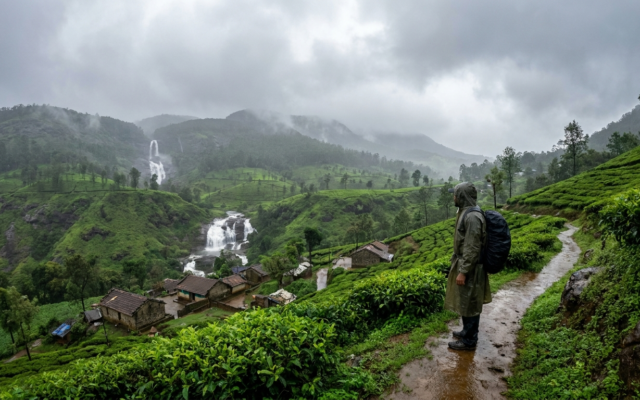
The Western Ghats, a UNESCO World Heritage Site, unfurls as a verdant paradise, teeming with life and ancient traditions. In 2026, this magnificent mountain range is a beacon for eco-conscious travellers seeking an immersive experience. Imagine waking up to the symphony of birdsong in a sustainably managed plantation stay, where the aroma of freshly harvested spices fills the air. These are not mere hotels; they are living laboratories of biodiversity, often run by families who have been custodians of this land for generations.
Consider a visit to Wayanad in Kerala, where you can participate in guided nature walks through dense forests, learning about medicinal plants and the delicate ecosystem from local naturalists. Many resorts here are built using traditional techniques and local materials, minimizing their environmental impact. You might even find yourself contributing to reforestation projects or learning about organic farming practices directly from the source. The focus is on slow travel, appreciating the intricate web of life that sustains this region.
Further south, in the Nilgiris, explore initiatives that protect the endangered Nilgiri Tahr. Eco-lodges here often partner with wildlife conservation organisations, offering guests the chance to contribute to research and monitoring efforts. Some even provide opportunities for birdwatching tours led by ornithologists, deepening your understanding of avian diversity. One surprising fact is that the Western Ghats are home to over 30% of India’s flowering plant species, many of which are found nowhere else on Earth. Your visit can directly support the protection of these unique botanical treasures, ensuring they thrive for future generations.
Ladakh: High-Altitude Heritage and Gentle Footprints
Ladakh, often referred to as the “Moonland of India,” presents a starkly beautiful landscape that demands a mindful approach to tourism. In 2026, its remote villages and towering peaks are increasingly becoming destinations for travellers committed to preserving its fragile environment and unique Buddhist culture. The emphasis here is on low-impact travel, encouraging visitors to tread lightly and engage respectfully with the local communities.
Sustainable homestays are revolutionising the way you can experience Ladakh. Instead of large hotels, you can opt to stay with local families, gaining intimate insights into their daily lives, their agricultural practices, and their deep spiritual connection to the land. These homestays often utilise solar energy and rainwater harvesting, reflecting the region’s resourcefulness. You’ll be treated to delicious, home-cooked Ladakhi cuisine, made with locally sourced ingredients, further supporting the village economy.
Trekking in Ladakh requires careful planning, and responsible tour operators are now prioritizing routes that minimise erosion and waste. They encourage practices like ‘leave no trace’ camping and provide opportunities to visit remote monasteries without disrupting monastic life. A particularly inspiring initiative involves supporting local women’s cooperatives that produce traditional handicrafts, offering you the chance to purchase authentic souvenirs and directly contribute to their economic empowerment. A surprising fact about Ladakh is that despite its arid conditions, it is a vital watershed for many Indian rivers, making its ecological health crucial for the entire subcontinent.
Kerala’s Backwaters: Responsible Cruising and Cultural Immersion
The tranquil network of canals, lakes, and lagoons that make up Kerala’s backwaters offers a serene escape, and in 2026, experiencing this natural wonder responsibly is more accessible than ever. Gone are the days of noisy, polluting houseboats dominating the waterways. Today, eco-conscious tourism focuses on preserving the delicate balance of this unique ecosystem while celebrating the vibrant culture that thrives along its shores.
You can now opt for solar-powered boats or traditional canoes, offering a silent and environmentally friendly way to explore the backwaters. These smaller vessels allow for intimate encounters with local life, gliding past paddy fields, coconut groves, and charming villages. Many tours are designed to stop at artisan workshops, where you can witness the creation of coir products, pottery, and intricate wood carvings, providing direct support to local craftspeople. This is a chance to connect with the soul of Kerala.
Many eco-lodges and homestays in the backwater region are committed to sustainable practices, including organic farming, waste management, and water conservation. They often offer cooking classes using ingredients from their own gardens, giving you a taste of authentic Keralan cuisine. Participating in village walks with local guides can provide invaluable insights into the agrarian lifestyle and the history of this enchanting region. A truly surprising fact is that the Keralan backwaters are a vital habitat for numerous species of fish, migratory birds, and even otters, underscoring the importance of preserving their pristine condition for ecological balance.
Wildlife Sanctuaries: Conservation Through Experience
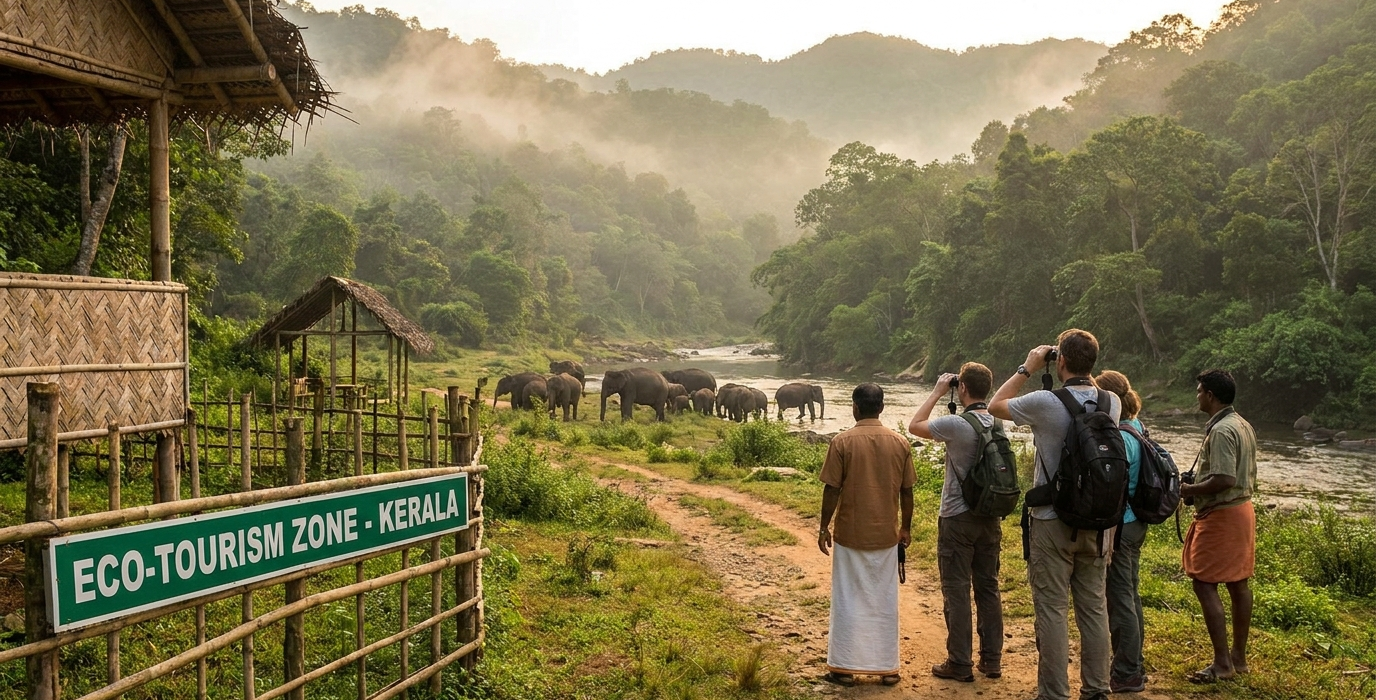
India’s commitment to safeguarding its magnificent wildlife is evident in its expanding network of national parks and sanctuaries. In 2026, eco-tourism plays a pivotal role in these conservation efforts, transforming your visit into a tangible contribution to the protection of endangered species and their habitats. These experiences go beyond mere wildlife viewing; they offer a deep dive into the science and dedication behind preserving India’s natural heritage.
Consider visiting areas like the Ranthambore National Park in Rajasthan, renowned for its tiger population. Responsible eco-lodges surrounding the park often work closely with forest departments, contributing funds for anti-poaching patrols and habitat restoration. Some lodges even offer opportunities to engage with conservationists, learning about camera trapping techniques or the challenges of human-wildlife conflict mitigation. Your stay directly supports these vital initiatives.
In the Northeast, places like Kaziranga National Park in Assam, famous for its one-horned rhinoceros, are seeing a rise in eco-camps that prioritize minimal disturbance to wildlife. These camps often employ local guides who have an intimate knowledge of the terrain and animal behaviour, ensuring a respectful and educational safari experience. Citizen science initiatives are also gaining traction, where tourists can assist in data collection, such as documenting bird sightings or recording animal behaviour, contributing valuable information for research. A surprising fact is that India’s Project Tiger, initiated in 1973, has been instrumental in increasing the tiger population in several reserves, demonstrating the power of dedicated conservation efforts supported by responsible tourism.
Planning Your Sustainable Indian Adventure in 2026
Embarking on an eco-conscious journey through India in 2026 requires thoughtful planning, but the rewards are immense. The key is to move beyond traditional tourism and embrace experiences that prioritise environmental stewardship and community well-being. Your choices as a traveller have a direct impact, and by making informed decisions, you can ensure your adventure leaves a positive legacy.
Look for accommodations and tour operators that have credible sustainability certifications, such as those recognised by the Global Sustainable Tourism Council. These certifications indicate adherence to stringent environmental and social standards. Don’t hesitate to ask questions about their waste management practices, water conservation efforts, and how they engage with and benefit local communities. Transparency is a hallmark of genuine eco-tourism.
When planning your itinerary, consider destinations that are actively involved in conservation projects or community-based tourism initiatives. Engaging with local guides, purchasing locally made handicrafts, and patronising local eateries all contribute to the economic sustainability of the regions you visit. Remember to pack reusable water bottles and bags, and be mindful of your energy consumption. A surprising fact is that many remote Indian villages are now leading the way in adopting innovative renewable energy solutions, often supported by tourism revenue, showcasing a powerful synergy between conservation and local development.
Frequently Asked Questions
What are the key benefits of choosing eco-tourism in India?
Eco-tourism in India offers the chance to connect deeply with nature and local cultures while directly supporting conservation efforts and empowering local communities. It provides authentic experiences that leave a positive impact, distinct from conventional mass tourism.
How can I identify genuine eco-friendly accommodations in India?
Look for official sustainability certifications, ask about their environmental policies (waste management, water conservation), and inquire about their community engagement initiatives. Websites of reputable eco-tourism providers often detail their commitment to sustainability.
Are there specific regions in India that are leaders in eco-tourism?
Yes, regions like the Western Ghats, Ladakh, Kerala’s backwaters, and various wildlife sanctuaries across India are increasingly recognized for their commitment to responsible tourism practices in 2026.
What is the environmental impact of traditional houseboats in Kerala?
Traditional houseboats can have a significant environmental impact due to waste disposal and fuel emissions. Modern eco-tourism in Kerala promotes solar-powered boats and canoes as sustainable alternatives to minimise this impact.
How can I ensure my travel contributes positively to local economies?
By choosing locally owned accommodations and restaurants, hiring local guides, and purchasing authentic handicrafts directly from artisans, you directly support the economic well-being of the communities you visit.