Key Takeaways
- Discover the burgeoning trend of lesser-known Himalayan trails in 2026, offering solitude and pristine beauty.
- Explore new routes like the Ghangaria-Badrinath link and the Spiti-Kinnaur traverse, promising unique cultural immersion.
- Understand the essential preparation for these demanding treks, including fitness, acclimatisation, and gear.
- Learn how to choose the right trek based on your experience level and desired challenges.
Embracing the Untamed: 2026’s Himalayan Frontier Beckons
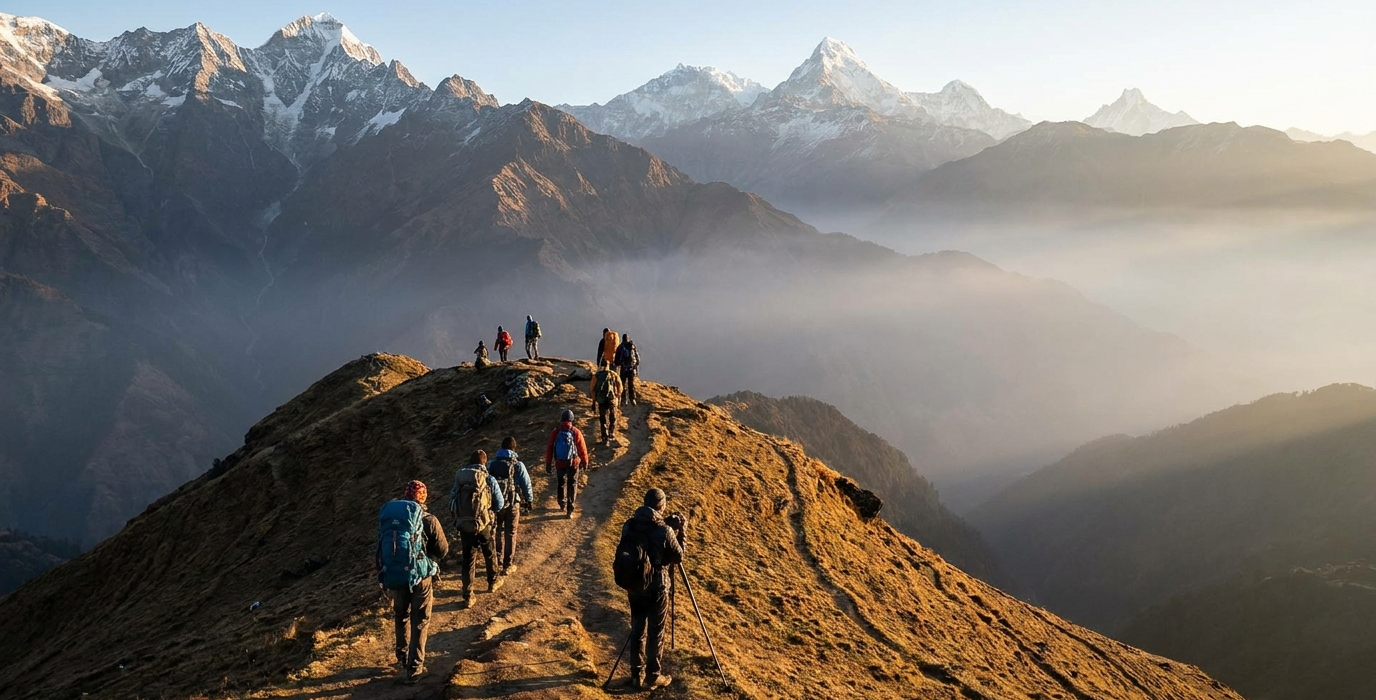
The allure of the Himalayas, a crown of snow-clad peaks gracing India’s northern expanse, continues to draw adventurers and spiritual seekers alike. As we step into 2026, the familiar trails of Everest Base Camp and the Valley of Flowers still hold their magic, but a new wave of exploration is cresting. This year, we’re witnessing a burgeoning interest in the Himalayas’ more secluded corners, where the air is thinner, the silence profound, and the connection to nature, unparalleled. Forget the crowds; this is about forging your own path amidst raw, untamed beauty.
For many, the thought of the Himalayas conjures images of well-trodden paths. However, the true spirit of adventure lies in venturing beyond the ordinary. This season, we’re highlighting routes that offer not just breathtaking vistas but also a deep dive into the unique cultures that thrive in these high-altitude regions. Imagine waking up to a panorama of peaks untouched by mass tourism, sharing stories with local villagers whose traditions have remained unchanged for centuries. These are the experiences that redefine travel, leaving an indelible mark on your soul.
This guide is your compass to navigating the evolving landscape of Himalayan trekking in 2026. We’ll delve into the exciting new routes that are opening up, discuss the vital preparation needed for these challenging expeditions, and offer insights on how to select the trek that perfectly aligns with your aspirations and capabilities. Prepare to redefine your understanding of what an Indian Himalayan adventure can be.
Unveiling the New Horizons: Emerging Trails for 2026
While established routes like Kedarkantha and Roopkund remain popular, 2026 is ushering in exciting new possibilities for trekkers seeking novelty and exclusivity. These emerging trails often bypass the usual tourist circuits, offering a more intimate encounter with the Himalayas. We’re talking about routes that are gaining traction due to their pristine beauty and the unique cultural experiences they offer, often connecting remote villages and ancient monasteries.
One such promising route is the Ghangaria-Badrinath Link Trek. Traditionally, trekkers to the Valley of Flowers and Hemkund Sahib reach Ghangaria, then either return or proceed to Badrinath via road. This new linkage offers a continuous trekking experience, allowing you to traverse through diverse alpine meadows and dense forests, culminating at the revered Badrinath temple. This trek provides a perfect blend of natural splendour and spiritual pilgrimage, with fewer trekkers compared to the main Badrinath pilgrimage route.
Another significant development is the gradual opening up of the Spiti-Kinnaur Traverse. This is not entirely new, but its organised and accessible trekking routes are gaining momentum. This route connects the stark, moon-like landscapes of Spiti with the lush, apple-laden valleys of Kinnaur. Imagine walking through ancient villages, crossing high mountain passes, and witnessing the dramatic shift in scenery. A surprising fact is that parts of this route are ancient trade routes, used for centuries to connect Tibet with the Indian plains, carrying salt, wool, and spices.
These new trails are often less commercialised, meaning you’ll likely encounter fewer trekkers and have more opportunities for genuine interactions with local communities. They demand a higher level of preparedness and self-sufficiency, but the rewards – solitude, unspoiled nature, and authentic cultural encounters – are immeasurable. This is the frontier of Himalayan trekking in 2026, waiting to be discovered.
The Art of Preparation: Mastering the Himalayan Ascent
Embarking on a Himalayan trek, especially a less-trodden path in 2026, is not a decision to be taken lightly. Proper preparation is the bedrock of a safe, enjoyable, and successful expedition. It’s not just about packing the right gear; it’s about conditioning your body and mind for the rigours of high-altitude trekking. We’re talking about a holistic approach that ensures you can not only reach your destination but also savour the journey.
Physical Fitness: The Foundation. Your training regimen should focus on building cardiovascular endurance and leg strength. This means regular activities like jogging, cycling, and stair climbing. Incorporate long hikes with a weighted backpack, mimicking trek conditions. Aim for at least 3-4 months of consistent training before your trek. The fitter you are, the less you’ll struggle with altitude and the more you’ll appreciate the views.
Acclimatisation: Your Body’s Best Friend. Altitude sickness, or Acute Mountain Sickness (AMS), is a serious concern. The key is to ascend gradually, allowing your body time to adjust to lower oxygen levels. This means building rest days into your itinerary and avoiding rapid ascents. Hydration is also crucial; drink plenty of water, even if you don’t feel thirsty. Your trek itinerary should be designed with acclimatisation in mind, with shorter trekking days in the initial stages and gradual increases in altitude.
Gear Up Wisely. Investing in good quality gear is paramount. This includes sturdy, broken-in trekking boots, layered clothing (base layers, fleece, waterproof and windproof outer shell), a warm sleeping bag, a headlamp, and a reliable backpack. Don’t forget essentials like sunscreen, sunglasses, a hat, and a basic first-aid kit. A surprising insight is that many seasoned trekkers swear by using trekking poles, not just for stability on steep terrain, but also to significantly reduce the strain on your knees.
Finally, mental preparedness is equally important. Be ready for challenges, unpredictable weather, and moments of fatigue. A positive attitude and a willingness to adapt will see you through. This comprehensive preparation ensures you’re not just a visitor to the Himalayas, but a respectful and resilient explorer.
Choosing Your Himalayan Odyssey: A Guide for Every Trekker
With an ever-expanding array of Himalayan trails in 2026, selecting the right trek can feel overwhelming. The ideal trek for you depends on several factors, primarily your experience level, fitness, and what you hope to gain from the journey. Are you looking for a gentle introduction to mountain walking, a challenging test of endurance, or a cultural immersion like no other? Understanding these aspects will guide you to the perfect Himalayan experience.
Beginner Treks. If you’re new to high-altitude trekking, opt for trails that are well-marked, have shorter daily distances, and offer lower altitudes. Treks like the Chopta-Tungnath-Chandrashila in Uttarakhand are excellent starting points. Tungnath, the highest Shiva temple in the world, is accessible via a well-maintained path, and the Chandrashila summit offers panoramic views without extreme exertion. These treks typically range from 3-5 days and are ideal for building confidence and basic trekking skills.
Intermediate Treks. For those with some trekking experience, the Himalayas offer a wealth of options that increase in duration and altitude. The Markha Valley Trek in Ladakh is a popular choice, taking you through remote villages and arid landscapes, with opportunities to visit ancient monasteries. Another excellent option is the Goecha La Trek in Sikkim, offering stunning views of Kanchenjunga. These treks usually last 7-10 days and require a good level of fitness and acclimatisation.
Advanced Treks. Experienced trekkers seeking the ultimate challenge can consider expeditions like the Pin Parvati Pass Trek in Himachal Pradesh, a strenuous route crossing a high mountain pass, or the demanding Kalam Valley Trek in Pakistan (though often accessed via Indian administered areas, it’s geographically significant). These treks are longer, often exceeding 10-14 days, involve significant altitude gains, and demand excellent physical and mental fortitude, along with advanced navigation skills. A surprising point for advanced trekkers is that some of the most rewarding, yet challenging, routes in 2026 are in the Zanskar region, often requiring glacier crossings and remote camping.
Consider the time of year as well. Spring (April-May) and autumn (September-October) generally offer the most favourable weather conditions for most Himalayan treks. Research thoroughly, consult with experienced guides or trekking agencies, and be honest about your capabilities. The Himalayas are a land of wonder, and choosing wisely ensures you experience their grandeur safely and joyfully.
The Cultural Tapestry: Beyond the Peaks
While the snow-capped peaks and vast valleys are undeniable draws, the true soul of the Himalayas lies in its rich and diverse cultural tapestry. In 2026, as we explore more remote trails, the opportunities for genuine cultural immersion are greater than ever. These regions are home to communities whose ways of life have been shaped by the mountains, fostering unique traditions, spiritual practices, and a deep respect for nature.
In villages scattered across Himachal Pradesh and Uttarakhand, you’ll find ancient temples, intricate wood carvings, and vibrant local festivals. Imagine participating in a village fair in Kinnaur, sampling locally grown apples and walnuts, or witnessing the masked dances during a Losar celebration in Spiti. These are not staged performances for tourists; they are living traditions passed down through generations. The warmth and hospitality of the local people are often the most cherished memories of any trek.
The spiritual dimension is profound. From the Buddhist monasteries of Ladakh and Spiti, like the iconic Key Monastery, to the sacred Hindu pilgrimage sites of Uttarakhand, the Himalayas are a land of deep spirituality. Spending time in these serene environments, observing monks in prayer, or listening to the chanting of mantras can be a deeply moving experience. The philosophy of living in harmony with nature, so prevalent in these cultures, offers valuable lessons for our fast-paced modern lives.
A surprising cultural aspect is the intricate system of community-based resource management that has sustained these remote settlements for centuries. For example, in many high-altitude villages, water sources and grazing lands are managed collectively, with strict rules and equitable distribution. This communal spirit is what allows life to thrive in such challenging environments. Engaging respectfully with these communities, learning about their customs, and understanding their challenges enriches the trekking experience immeasurably, transforming a physical journey into a profound human connection.
Sustainable Trekking: Protecting the Pristine Frontier
As more trekkers venture into the Himalayas in 2026, the imperative of sustainable tourism becomes increasingly critical. The fragile ecosystems and unique cultures of these high-altitude regions are vulnerable to the impact of human activity. Embracing responsible trekking practices is not just good for the environment; it ensures that these breathtaking landscapes and vibrant cultures can be enjoyed by future generations.
Leave No Trace. This is the golden rule of responsible trekking. It means packing out everything you pack in, including all waste. Avoid using disposable plastics and opt for reusable water bottles and containers. Properly dispose of human waste by digging catholes at least 200 feet away from water sources, trails, and campsites. Minimising our footprint ensures that the natural beauty we came to admire remains unspoiled.
Respect Local Culture and Wildlife. Engage with local communities in a respectful manner. Always ask permission before taking photographs of people. Support local economies by purchasing handicrafts and using local guides and porters. When it comes to wildlife, observe from a distance and never feed animals. Avoid disturbing their natural habitat. Remember, you are a guest in their environment.
Choose Eco-Conscious Operators. When booking your trek, look for tour operators who demonstrate a commitment to sustainability. This includes practices like waste management, employing local staff fairly, and educating trekkers on environmental ethics. Many operators in 2026 are now actively involved in conservation efforts and community development projects. A surprising fact is that some of the most effective conservation initiatives in the Himalayas are driven by local women’s groups, who manage waste segregation and promote eco-friendly practices within their villages.
Support Conservation Efforts. Consider contributing to local conservation projects or organisations working to protect the Himalayan environment. Even small contributions can make a significant difference. By being mindful of our actions, we can ensure that the magic of the Himalayas endures, preserving its natural wonders and cultural heritage for years to come. Sustainable trekking is not just a choice; it’s a responsibility we all share.
Frequently Asked Questions
What is the best time for Himalayan treks in 2026?
The best time for most Himalayan treks in 2026 is during the spring (April-May) and autumn (September-October) months. Spring offers blooming flowers and pleasant temperatures, while autumn provides clear skies and stunning mountain views. However, specific timings can vary depending on the region and altitude; always research the ideal season for your chosen trek.
How much training is required for a moderate Himalayan trek?
For a moderate Himalayan trek lasting 7-10 days, you should aim for at least 3-4 months of consistent physical training. Focus on building cardiovascular endurance through activities like jogging and cycling, and strengthen your legs with squats and lunges. Incorporate regular hiking with a backpack to simulate trek conditions.
Are there any risks of altitude sickness on new Himalayan trails in 2026?
Yes, altitude sickness is a significant risk on any Himalayan trek, including new trails in 2026. The key to prevention is gradual ascent, proper acclimatisation, staying hydrated, and avoiding strenuous activity on arrival at higher altitudes. Listen to your body and inform your guide immediately if you experience symptoms.
What is the role of local guides and porters on Himalayan treks?
Local guides are invaluable for their knowledge of the terrain, weather, culture, and safety protocols. Porters carry your heavier luggage, making the trek more comfortable for you. Employing local guides and porters not only enhances your experience but also directly supports the local economy and communities, a crucial aspect of sustainable trekking.