Key Takeaways
- The e₹ is evolving beyond pilot phases, with potential for broader retail and wholesale use in 2026 and beyond.
- Cross-border payments and programmable money are key areas where the e₹ could significantly impact efficiency and innovation.
- Understanding the e₹’s integration with existing financial infrastructure is crucial for consumers and businesses alike.
- Security, privacy, and interoperability remain critical considerations as the digital rupee expands its reach.
The Digital Rupee Takes Flight: What’s Next for India’s Economy?
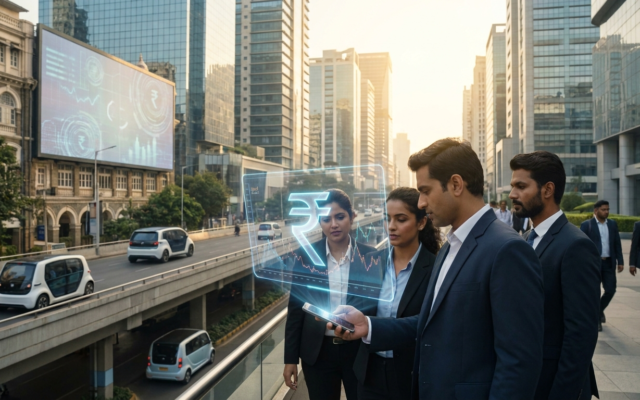
The hum of innovation in India’s financial landscape is growing louder, and at its centre is the digital rupee, or e₹. No longer just a concept discussed in hushed tones within central bank halls, the e₹ is rapidly evolving, poised to reshape how we transact, save, and even invest. As we move further into 2026, the Reserve Bank of India (RBI) is subtly but surely expanding the e₹’s footprint, moving beyond initial pilot programs to explore its full potential. This isn’t just about digitising cash; it’s about building a more efficient, inclusive, and innovative financial ecosystem for India and potentially the world.
We’re witnessing a significant shift, from limited testing to exploring real-world applications. The RBI’s cautious yet determined approach suggests a future where the e₹ plays a more integral role in daily economic activities. Whether you’re a small business owner in Kochi looking for faster settlements or an individual investor in Delhi eyeing new avenues, understanding these developments is becoming increasingly important. The journey of the digital rupee is a dynamic one, and its next steps will undoubtedly have far-reaching consequences.
Expanding Horizons: Retail and Wholesale Use Cases Emerge
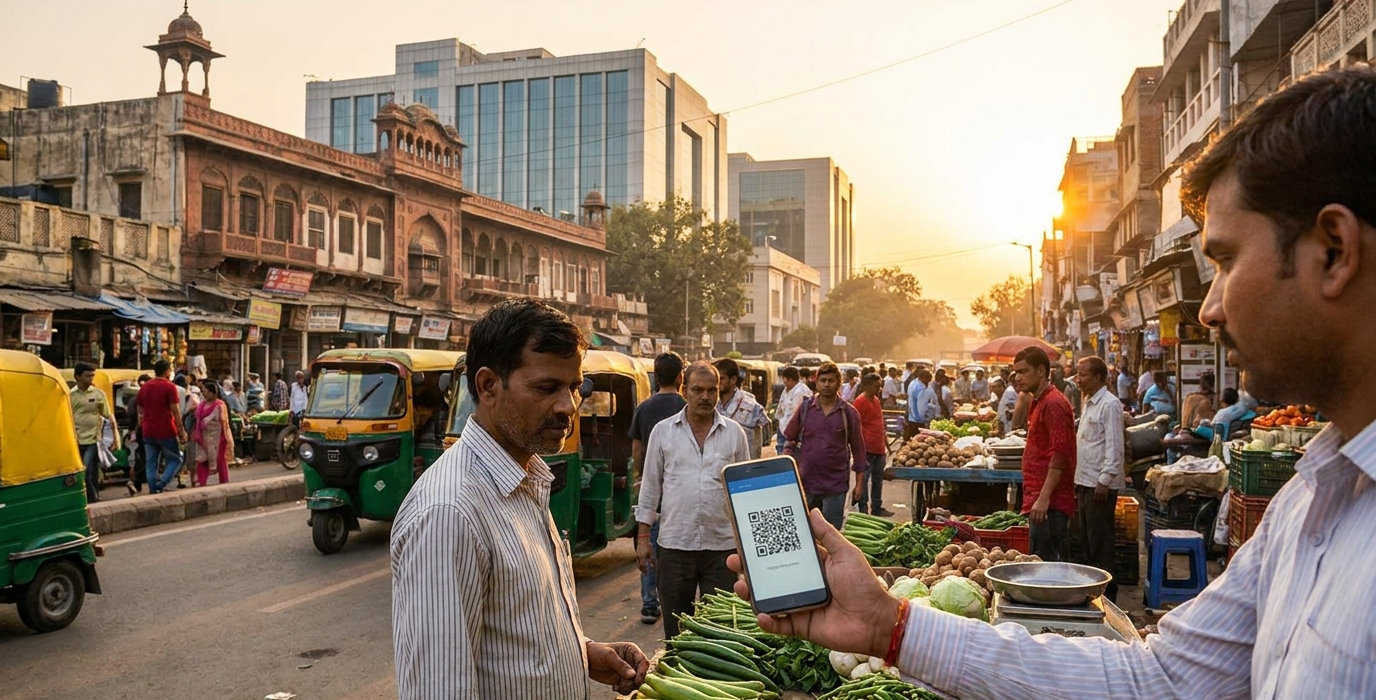
The initial phases of the e₹ pilot, primarily focused on wholesale transactions for interbank settlements, have provided invaluable data and insights. Now, the RBI is actively exploring the expansion of e₹ use cases into the retail segment. Imagine paying for your morning chai in Mumbai or buying groceries in Bengaluru with a digital rupee directly from your bank account or a dedicated digital wallet. This transition aims to offer a safe, convenient, and efficient alternative to physical cash and existing digital payment methods.
The potential benefits are substantial. For consumers, it could mean instant transactions, reduced reliance on cash, and enhanced security. For businesses, especially micro, small, and medium enterprises (MSMEs), it offers the promise of faster settlements, lower transaction costs, and greater transparency. The RBI is meticulously studying the infrastructure, regulatory frameworks, and public acceptance required for a widespread retail rollout. We can anticipate further pilot programs and gradual integration with existing payment systems like UPI, ensuring a smooth transition for everyday users.
The wholesale segment is also seeing deeper exploration. The e₹ is being tested for its ability to facilitate more complex financial instruments and reduce counterparty risk. Think of bond trading, securities settlement, and even cross-border transactions becoming more streamlined and secure. This advanced functionality is crucial for enhancing the depth and liquidity of India’s financial markets. The move towards a more robust digital currency infrastructure is a testament to India’s commitment to financial innovation and efficiency.
Programmable Money: The Future of Transactions
One of the most exciting frontiers for the digital rupee is the concept of “programmable money.” This means that e₹ transactions can be embedded with specific rules or conditions, automating payments based on predefined criteria. For instance, a government subsidy could be disbursed directly to beneficiaries, with the e₹ automatically unlocking for specific essential goods or services. This capability opens up a world of possibilities for targeted financial assistance and efficient resource allocation.
Consider the implications for businesses. A supply chain payment could be programmed to be released only upon verified delivery of goods. Or, a corporate bond coupon payment could be automatically executed on the due date. This automation reduces the need for manual intervention, minimises errors, and speeds up financial processes significantly. It transforms money from a passive medium of exchange into an active, intelligent tool.
This programmability also extends to smart contracts, enabling sophisticated financial agreements to be executed automatically. The RBI is carefully exploring the legal and technical aspects of programmable money, ensuring that it aligns with existing regulations and consumer protection principles. As this technology matures, we could see innovative financial products and services emerge that were previously unimaginable, making financial operations more efficient and transparent for all stakeholders.
Cross-Border Payments: A Global Game Changer?
The global financial system often grapples with the complexities and costs associated with cross-border payments. Traditional methods can be slow, expensive, and opaque, involving multiple intermediaries and currency conversions. The digital rupee, particularly in its wholesale form, holds immense potential to revolutionise this space. India, as a major global economic player, is strategically positioned to leverage its CBDC for more efficient international transactions.
Imagine a small textile exporter in Surat receiving payment from a buyer in Germany almost instantaneously, with significantly lower fees than current methods. The RBI is actively collaborating with other central banks and international financial institutions to explore the interoperability of the e₹ with other nations’ central bank digital currencies or payment systems. This could lead to a more interconnected and fluid global financial network.
This initiative is not just about convenience; it’s about reducing the friction in international trade and investment. Faster settlement times can improve cash flow for businesses and reduce currency exchange rate risks. The potential for a more seamless and cost-effective global payment infrastructure is a significant driver for the e₹’s continued development. We are on the cusp of a potential paradigm shift in how countries interact financially.
Security and Privacy: Building Trust in the Digital Age
As the digital rupee gains traction, the paramount importance of security and privacy cannot be overstated. The RBI is committed to ensuring that the e₹ infrastructure is robust, secure, and resilient against cyber threats. This involves employing advanced encryption techniques, multi-factor authentication, and continuous monitoring to protect user data and prevent fraudulent activities. The goal is to build a system that is both technologically sound and inspires confidence among its users.
For individuals, this means peace of mind knowing that their digital rupee holdings and transaction data are protected. For businesses, it translates to secure and reliable transactions that underpin their operations. The RBI is also keenly aware of the privacy concerns associated with digital transactions and is working on implementing measures to safeguard user anonymity where appropriate, while still allowing for regulatory oversight. The balance between privacy and transparency is a delicate one, and the RBI is charting a careful course.
A key aspect of building trust is interoperability. The e₹ needs to seamlessly integrate with existing digital payment systems, bank accounts, and other financial platforms. This ensures that users can transition smoothly and that the e₹ complements, rather than disrupts, the current financial ecosystem. We can expect ongoing efforts to enhance the user experience and ensure that the digital rupee is accessible and easy to use for everyone.
The Road Ahead: Challenges and Opportunities
The journey of the digital rupee is not without its hurdles. Scalability is a significant consideration, ensuring that the infrastructure can handle millions of transactions concurrently as adoption grows. Financial literacy and digital inclusion are also crucial; we must ensure that all segments of society, including those in remote areas or with limited digital access, can benefit from the e₹. The RBI and other stakeholders are actively working on educational campaigns and accessible technological solutions.
Another challenge lies in educating the public about the nature of the e₹. It’s important to clarify that it is a liability of the RBI, just like physical currency, and not a cryptocurrency or a deposit with a commercial bank. This distinction is vital for managing expectations and ensuring a clear understanding of its function and safety. The move towards programmable money and cross-border applications also presents complex regulatory and technical challenges that require careful navigation.
Despite these challenges, the opportunities are immense. The digital rupee has the potential to foster greater financial inclusion, reduce the costs of financial intermediation, enhance payment system efficiency, and promote innovation in financial services. It is a strategic move to future-proof India’s financial system and position it as a leader in the global digital economy. We are witnessing the birth of a new era in digital transactions, and the e₹ is at its forefront.
“The digital rupee is not just an evolution; it’s a revolution in how we conceive and conduct financial transactions. Its programmability and potential for seamless cross-border integration promise to unlock unprecedented efficiencies and innovative applications for economies worldwide.”
Frequently Asked Questions
What is the difference between digital rupee and cryptocurrency?
The digital rupee (e₹) is a Central Bank Digital Currency (CBDC) issued by the Reserve Bank of India. It is a legal tender backed by the central bank, just like physical cash. Cryptocurrencies, on the other hand, are decentralised digital assets that are not issued or backed by any central authority and can be highly volatile.
Will I need a special app to use the digital rupee?
Initially, you might use dedicated apps or features integrated within your existing bank apps or popular payment platforms. As the e₹ evolves, its integration is expected to become more seamless, potentially allowing transactions through various channels, similar to how UPI works today.
Is my digital rupee transaction data private?
The RBI is committed to robust security and privacy measures. While digital transactions inherently create a trail, the framework being developed aims to balance transparency for regulatory purposes with user privacy, employing advanced encryption and data protection protocols.
Can I use the digital rupee for international payments right now?
Currently, international use cases are primarily in the pilot and exploration phase. The RBI is collaborating with international partners to establish interoperability, but widespread cross-border functionality is expected to be a medium-to-long-term development.