Key Takeaways
- The Indian government is significantly expanding digital infrastructure in rural areas through initiatives like BharatNet Phase II and the PM-WANI scheme, aiming for ubiquitous internet access by 2026.
- These programs focus on affordability, accessibility, and digital literacy, with a special emphasis on empowering women and small businesses in villages.
- New smartphone penetration and localized digital services, including e-governance and telemedicine, are transforming rural life, creating new economic opportunities.
- Challenges remain in ensuring consistent power supply and addressing digital literacy gaps, but innovative solutions are emerging.
The Unfolding Digital Tapestry of Rural India
In 2026, the digital revolution in India is no longer confined to its bustling metropolises. The ambitious vision of Digital India 2.0 is rapidly transforming the rural landscape, weaving a new tapestry of connectivity, opportunity, and empowerment across the subcontinent. For millions living in villages, once considered on the fringes of the digital age, access to high-speed internet is becoming a tangible reality.
This isn’t just about faster downloads; it’s about unlocking potential. From farmers accessing real-time weather data and market prices to students attending online classes and entrepreneurs launching small businesses, the impact is profound and far-reaching. We are witnessing a fundamental shift in how rural India lives, works, and connects with the world.
The government’s commitment, demonstrated through substantial investments and policy frameworks, is the bedrock of this transformation. Initiatives like BharatNet Phase II and the PM-WANI scheme are not mere acronyms; they are the conduits through which this digital future is flowing into every corner of our nation.
Bridging the Last Mile: BharatNet’s Evolving Role
The cornerstone of India’s rural digital ambition is undoubtedly BharatNet. By August 2026, Phase II of this ambitious project is set to achieve its goal of connecting over 625,000 inhabited villages with high-speed broadband. This is a monumental undertaking, involving the laying of optical fibre cables across challenging terrains, from the plains of Uttar Pradesh to the remote hills of Himachal Pradesh.
The aim is to provide a minimum bandwidth of 100 Mbps to Gram Panchayats, which then act as hubs for further dissemination. This infrastructure is crucial for enabling a host of digital services. Imagine a farmer in a village near Madurai being able to access agricultural advisories from the Indian Council of Agricultural Research (ICAR) instantaneously, or a student in a remote village in Arunachal Pradesh attending a live lecture from an IIT professor.
BharatNet’s success hinges on robust Public-Private Partnerships (PPPs). Telecom operators and infrastructure providers are actively involved in the last-mile connectivity, ensuring that the fibre laid translates into actual internet access for villagers. The initial challenges of deployment have been largely overcome, paving the way for a more stable and widespread network.
A surprising fact is that despite the vast geographical challenges, the pace of fibre deployment has accelerated significantly in the last two years, often exceeding initial targets. This has been made possible by improved project management and the use of innovative trenchless technology in certain areas, reducing disruption to local life.
Empowering Local Access: The PM-WANI Revolution
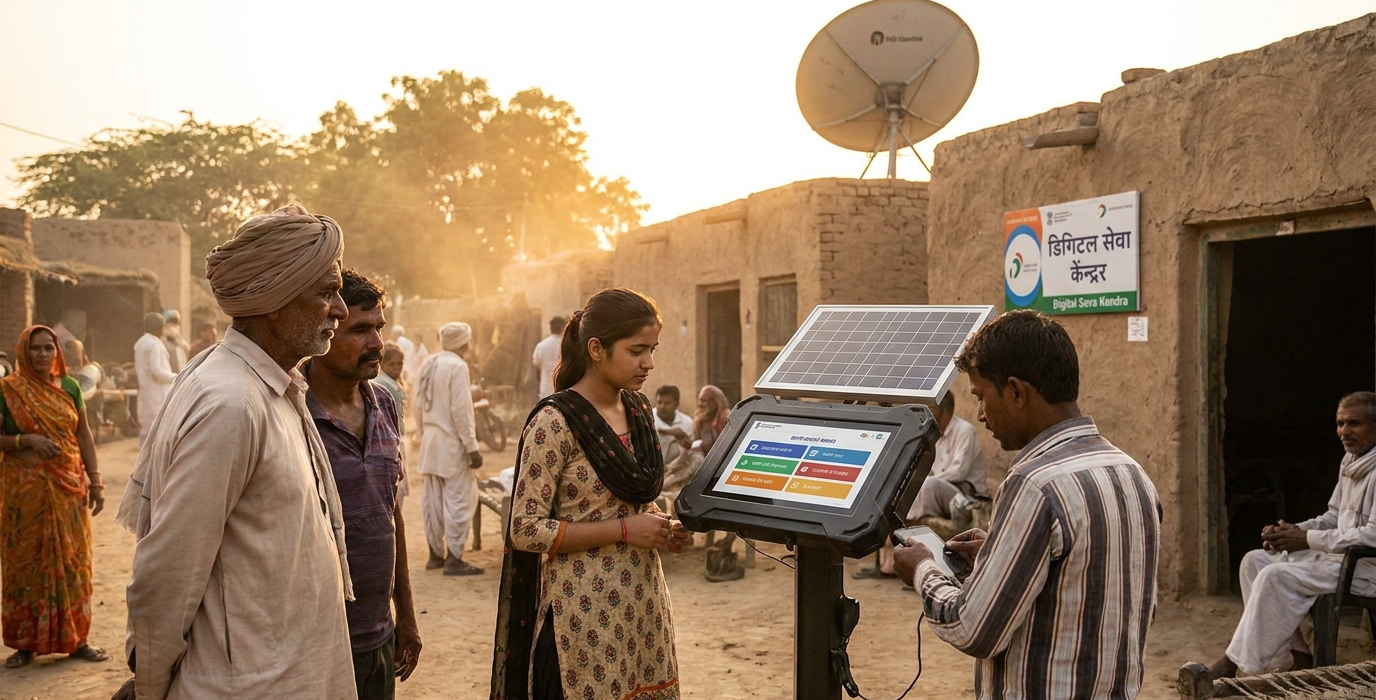
While BharatNet provides the backbone, the Prime Minister Wi-Fi Access Network Interface (PM-WANI) scheme is democratizing access at the grassroots level. Launched to de-license public Wi-Fi hotspots, PM-WANI allows Public Data Offices (PDOs) to offer Wi-Fi services, making internet access as simple as buying a tea. This is particularly vital in areas where traditional mobile broadband might still be expensive or inconsistent.
The beauty of PM-WANI lies in its simplicity and affordability. Local entrepreneurs, small shopkeepers, or even community centres can become PDO aggregators, setting up Wi-Fi hotspots and providing internet access on a pay-as-you-go basis. This has a dual benefit: it creates small-scale employment opportunities and makes internet readily available to everyone in the vicinity.
Users can easily connect through a mobile app, linking their Aadhaar for authentication, and choose from various affordable data packs. This ease of use is critical for bridging the digital literacy gap. We’ve seen this model successfully implemented in villages across Rajasthan, where local kirana stores have become vital internet access points.
The scheme’s design encourages local innovation. For instance, in coastal villages of Kerala, PDOs are bundling internet access with local news portals and e-commerce platforms, tailoring services to community needs. This decentralized approach ensures that the internet serves local economies effectively.
Digital Literacy and Skill Development: The Human Element
Connectivity is only one part of the equation; meaningful digital inclusion requires digital literacy. Recognizing this, Digital India 2.0 places a strong emphasis on empowering citizens with the skills to navigate the digital world confidently. Programs like the Pradhan Mantri Gramin Digital Saksharta Abhiyan (PMGDISHA) are now in full swing across the country.
PMGDISHA aims to make at least one person per rural household digitally literate. The curriculum covers basic computer operations, internet browsing, email, digital payments, and accessing government services online. This initiative is particularly focused on reaching women, senior citizens, and marginalized communities. For a woman in a village in Bihar, learning to operate a smartphone might mean accessing essential health information or enrolling her children in school online.
Beyond basic literacy, there’s a growing focus on vocational digital skills. Training centres are being established in rural blocks, offering courses in digital marketing, content creation, and basic IT support. This is crucial for enabling rural youth to participate in the digital economy and create new employment avenues locally, reducing the need for migration to cities.
We’ve observed remarkable stories of women in Uttar Pradesh using their newfound digital marketing skills to sell local handicrafts online, reaching customers far beyond their village. This signifies a tangible economic upliftment driven by digital empowerment.
Transformative Digital Services: Beyond Connectivity
The real impact of Digital India 2.0 is seen in the tangible services now accessible to rural citizens. E-governance has taken a significant leap forward, with services like applying for land records, obtaining certificates, and accessing social welfare schemes moving online. This drastically reduces the need for long journeys to district headquarters, saving time and money.
Telemedicine is another game-changer. With reliable internet, remote villagers can now consult doctors via video calls, access specialist opinions, and receive timely medical advice. This is particularly beneficial for maternal and child health, and for managing chronic illnesses in areas with limited healthcare infrastructure. A farmer in a remote part of Jharkhand can now get a quick consultation for his child’s fever without needing to travel hours to the nearest clinic.
Furthermore, digital platforms are empowering farmers with better agricultural practices. Apps providing weather forecasts, soil health information, and pest management advice are becoming commonplace. E-commerce platforms are also expanding their reach, allowing rural artisans and producers to sell their goods directly to a wider market, cutting out middlemen and improving their income.
A surprising development is the rise of localized digital content in regional languages. This includes educational apps, entertainment, and information portals tailored to specific rural communities, making the digital experience more relevant and engaging for everyone.
Addressing the Hurdles: Power, Maintenance, and Future-Proofing
Despite the rapid progress, challenges persist. The most significant hurdle remains the consistent availability of electricity in many rural areas. While solar power initiatives are being integrated, ensuring uninterrupted power supply for digital devices and internet infrastructure is critical for sustained access.
The maintenance of the vast network of optical fibre and Wi-Fi hotspots also requires a robust local support ecosystem. Training local technicians and ensuring the availability of spare parts are essential to prevent the digital infrastructure from falling into disrepair. Without these, the investment in connectivity risks becoming obsolete.
Another area of focus is cybersecurity and digital safety. As more citizens come online, educating them about online scams, data privacy, and safe internet practices becomes paramount. This is an ongoing effort that needs to be integrated into all digital literacy programs.
Looking ahead, the focus is on future-proofing this infrastructure. This involves upgrading bandwidth capacities and exploring technologies like 5G rollout in rural areas, ensuring that India’s digital villages are not left behind by technological advancements. The long-term vision is to create a digitally self-sufficient rural India, capable of driving its own economic growth.
Frequently Asked Questions
What is BharatNet Phase II aiming to achieve by 2026?
BharatNet Phase II aims to connect over 625,000 inhabited villages across India with high-speed broadband internet, providing a minimum bandwidth of 100 Mbps to Gram Panchayats.
How does the PM-WANI scheme make internet access affordable in rural areas?
PM-WANI enables local entrepreneurs to set up Public Data Offices (PDOs) offering Wi-Fi services. This decentralized model allows for affordable, pay-as-you-go internet access plans, making it accessible to a wider population.
What role does digital literacy play in Digital India 2.0?
Digital literacy programs like PMGDISHA are crucial for empowering rural citizens with the skills to use digital devices and services effectively. This includes basic computer operations, internet browsing, online payments, and accessing e-governance platforms.
What are some of the key digital services being made available in rural India?
Key services include e-governance (online applications for certificates, land records), telemedicine (remote doctor consultations), and agricultural advisories (weather forecasts, pest management). Digital platforms also help rural artisans and producers reach wider markets.
What are the main challenges in achieving complete digital inclusion in rural India?
Major challenges include ensuring consistent electricity supply, maintaining the digital infrastructure effectively, and addressing digital literacy gaps. Cybersecurity and digital safety are also ongoing concerns.