Key Takeaways
- Mumbai’s urban farming movement is transforming city rooftops into productive agricultural spaces, offering residents access to hyper-local, fresh produce.
- These initiatives range from individual balcony gardens to large-scale community rooftop farms, driven by a growing demand for healthy, sustainable food options.
- Challenges include space constraints, water management, and initial investment, but innovative solutions are emerging, supported by government grants and private sector interest.
- The economic and social benefits are significant, fostering community engagement, reducing food miles, and creating micro-entrepreneurship opportunities.
The Concrete Jungle Sprouts Green: Mumbai’s Rooftop Revolution
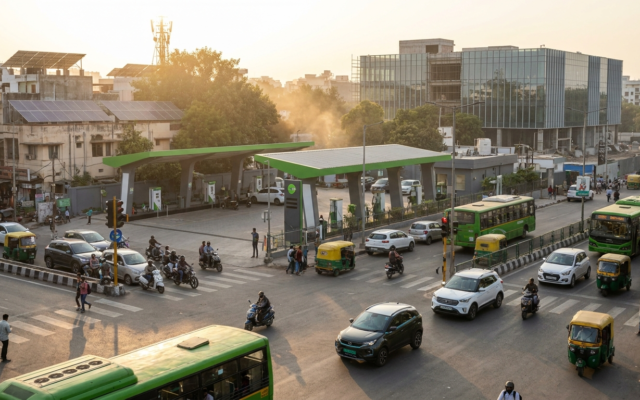
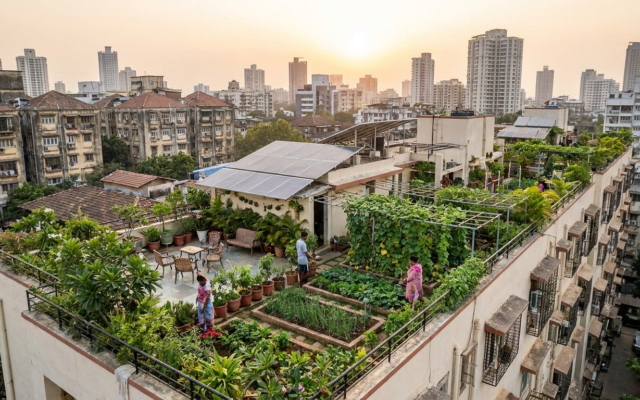
Mumbai, a city synonymous with relentless urban sprawl and towering skyscrapers, is witnessing a remarkable transformation. Beneath the endless grey of concrete and steel, a quiet revolution is taking root – on its rooftops. We’re talking about urban farming, a movement that’s turning previously barren, sun-baked surfaces into vibrant, productive green spaces. Residents, from individual apartment dwellers to larger housing societies, are embracing the opportunity to cultivate their own fresh produce, right in the heart of India’s financial capital.
This isn’t just a hobby for a select few; it’s a growing trend driven by a conscious desire for healthier living and a more sustainable future. The sheer convenience of plucking your own tomatoes for a salad or harvesting fresh herbs for your cooking, just steps from your kitchen, is a powerful motivator. Beyond personal satisfaction, these rooftop farms are helping to bridge the gap between the consumer and their food source, fostering a deeper connection to nature within an intensely urban environment. We’re seeing a surge in interest, fueled by a growing awareness of the benefits of locally sourced, chemical-free food.
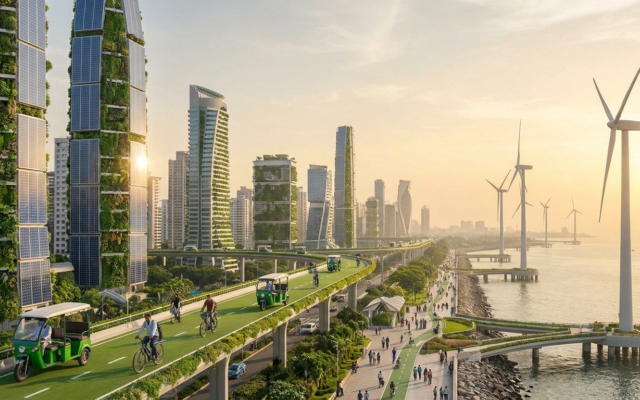
The vision is simple yet profound: to reimagine the urban landscape not just as a place to live and work, but as a place to grow. This rooftop revolution is more than just planting seeds; it’s about cultivating a more resilient, self-sufficient, and ultimately, a greener Mumbai for all its inhabitants. It’s a testament to human ingenuity and the enduring power of nature, even in the most unlikely of settings.
From Balconies to Business: The Spectrum of Urban Farms
The scope of Mumbai’s urban farming scene is incredibly diverse, reflecting the varied needs and aspirations of its residents. On one end of the spectrum, you have the personal balcony gardens. These compact, often vertical, setups are perfect for individuals or small families looking to supplement their diet with a few essential herbs and vegetables. Think of fragrant basil, crisp mint, and juicy cherry tomatoes, all grown in repurposed containers or small planters. These micro-farms are a testament to how even the smallest urban spaces can be made productive.
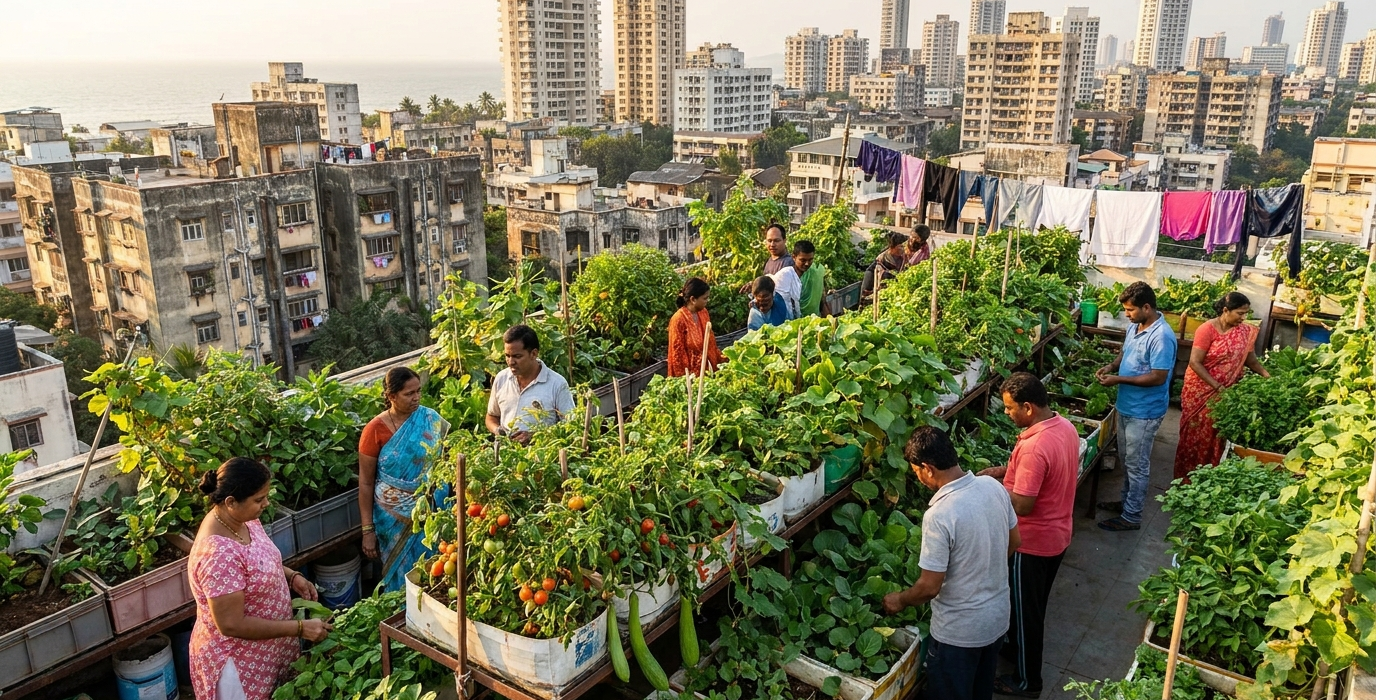
Moving up the scale, we encounter community rooftop farms. These are often spearheaded by housing societies or apartment complexes, pooling resources and space to create larger, more ambitious agricultural projects. Here, you might find rows of leafy greens, diverse vegetable varieties, and even small fruit trees. These communal efforts not only provide a substantial amount of fresh produce for multiple households but also foster a strong sense of community. Neighbours come together, share gardening tips, and collectively manage the harvest, strengthening social bonds.
Beyond these, a few enterprising individuals and groups are even exploring the commercial potential of urban farming. They are establishing dedicated rooftop farms that supply local restaurants, organic stores, and even direct-to-consumer subscription boxes. These ventures often employ more sophisticated techniques, such as hydroponics and aquaponics, to maximize yield and efficiency. The economic viability of these commercial urban farms is proving that this movement is not just about lifestyle but also about creating sustainable micro-enterprises within the city. This entrepreneurial spirit is a key driver of the ongoing expansion and innovation.
The Tech and Techniques: Cultivating Success in the City
Cultivating crops in Mumbai’s dense urban environment presents unique challenges, but innovation is flourishing. Space is at a premium, and many rooftop farms rely on space-saving techniques. Vertical gardening systems, where plants are grown in stacked layers or on trellises, are becoming increasingly popular. This maximizes the use of vertical space, allowing for a higher yield in a smaller footprint. Hydroponic and aquaponic systems are also gaining traction, enabling growth without soil and often using significantly less water.
Water management is another critical aspect. With Mumbai’s distinct monsoon patterns, efficient water harvesting and conservation methods are essential. Many farms incorporate rainwater harvesting systems, collecting and storing precious water for irrigation during drier periods. Drip irrigation is widely used to deliver water directly to the plant roots, minimizing evaporation and wastage. Some advanced systems even use sensors to monitor soil moisture levels and automatically adjust watering schedules, ensuring optimal hydration without excess.
The choice of crops is also strategic. Farmers often select varieties that are well-suited to the local climate and can thrive in container gardening. Fast-growing greens like lettuce, spinach, and kale are common, as are herbs, tomatoes, chilies, and certain types of beans. Companion planting, a practice where different plant species are grown together for mutual benefit, is also employed to enhance pest control and soil health naturally. These techniques are vital for ensuring consistent yields and reducing reliance on chemical interventions.
Overcoming the Hurdles: Navigating Space, Water, and Investment
Despite the burgeoning success, Mumbai’s urban farmers face a distinct set of obstacles. The most obvious is the sheer lack of space. While rooftops offer a solution, they aren’t limitless, and competition for prime spots can arise. Property ownership and permissions can also be complex, especially in older buildings or areas with stringent regulations. Navigating these bureaucratic pathways requires patience and persistence.
Water scarcity, particularly outside the monsoon season, is another significant concern. While rainwater harvesting helps, it’s not always sufficient. Access to a reliable, affordable water source can be a challenge for some urban farms. Furthermore, the initial investment in setting up a productive rooftop farm can be substantial. This includes the cost of containers, soil, seeds, irrigation systems, and potentially, specialized growing mediums or hydroponic equipment. For many individuals and communities, securing this initial capital can be a barrier to entry.
However, solutions are emerging. The Mumbai Metropolitan Region Development Authority (MMRDA) and various NGOs are increasingly offering grants and subsidies for urban agriculture projects, recognizing their environmental and social benefits. Community buy-in and collaborative funding models are also proving effective. For water, innovative greywater recycling systems are being explored in some larger projects. The spirit of innovation in overcoming these hurdles is a hallmark of Mumbai’s resilience.
The Ripple Effect: Economic and Social Gains for Mumbai
The impact of Mumbai’s urban farming movement extends far beyond the fresh produce it yields. Economically, it’s creating new opportunities. Individuals are finding ways to supplement their income or even build small businesses around their rooftop gardens, selling surplus produce to neighbours, local markets, or restaurants. This micro-entrepreneurship is empowering residents and contributing to the local economy. Moreover, it significantly reduces food miles. Produce travels from the rooftop to the kitchen, cutting down on transportation costs and the associated carbon emissions, which is vital for a city as sprawling as Mumbai.
Socially, the benefits are equally profound. These farms act as community hubs, bringing people together from diverse backgrounds. Neighbours who might otherwise remain strangers now collaborate on planting, watering, and harvesting. This shared activity fosters a sense of belonging and strengthens community ties. For children, it offers a valuable opportunity to connect with nature, learn about where their food comes from, and understand the importance of sustainable practices. It instills a sense of responsibility and appreciation for the environment.
Furthermore, the availability of fresh, nutritious, and often organic produce directly impacts public health. Residents have easier access to healthier food options, contributing to improved diets and well-being. The psychological benefits of tending to a garden, even a small one, are also well-documented, offering a therapeutic escape from the pressures of urban life. This holistic impact underscores the far-reaching significance of this green movement.
Surprising Facts and Future Visions
Did you know that Mumbai’s urban farming initiatives are not just limited to fruits and vegetables? Several rooftop farms are now experimenting with cultivating edible mushrooms, a high-value crop that can be grown in controlled, indoor environments on rooftops, requiring minimal space and specific substrates. This adds another layer of diversity to the urban agricultural landscape. Another surprising development is the emergence of community-supported agriculture (CSA) models specifically for rooftop produce. Residents subscribe to a farm’s output for a season, paying upfront and receiving a regular share of the harvest, creating a direct financial link and commitment between growers and consumers.
Looking ahead, the vision for Mumbai’s urban farms is ambitious. There’s a growing push to integrate these green spaces more formally into urban planning. Imagine new developments with mandatory rooftop farming allocations, or existing buildings being retrofitted with hydroponic systems as a standard feature. The goal is to create a network of urban farms that contribute not only to food security but also to urban biodiversity, by attracting pollinators and improving air quality. We might even see ‘agri-tourism’ experiences emerging, where city dwellers can visit and participate in rooftop farm activities.
The potential for innovation is vast. We could see the development of smart rooftop farms that utilize AI to optimize growth conditions, predict yields, and manage resources more efficiently. The integration of renewable energy sources, like solar panels, to power these farms is also a likely future development, making them even more sustainable. The transformation of Mumbai’s rooftops from neglected spaces to productive agricultural assets is a testament to what can be achieved when we reimagine our urban environments with sustainability and community at their core.
Frequently Asked Questions
How can I start a small urban farm on my Mumbai apartment balcony?
Begin with small, easy-to-grow plants like herbs (mint, basil, coriander) and leafy greens (lettuce, spinach). Use lightweight planters and ensure good drainage. Vertical gardening solutions are excellent for maximizing space. Start with a few pots and gradually expand as you gain experience.
What are the biggest challenges for urban farmers in Mumbai?
The primary challenges are limited space, water management, especially during dry spells, and the initial investment required for setting up the farm. Navigating building permissions and regulations can also be complex.
Are there any government schemes or subsidies available for urban farming in Mumbai?
Yes, the Mumbai Metropolitan Region Development Authority (MMRDA) and various non-governmental organizations (NGOs) are increasingly offering grants, subsidies, and technical support for urban agriculture projects. It’s advisable to research local initiatives and contact relevant authorities.
Can rooftop farms in Mumbai supply produce to restaurants?
Absolutely. Several commercial urban farms are already supplying fresh, local produce to restaurants and organic stores in Mumbai. Building relationships with chefs and understanding their specific needs is key to successful commercial ventures.
How much water does a typical rooftop farm use compared to traditional farming?
Urban farms, especially those using hydroponic or drip irrigation systems, typically use significantly less water than traditional agriculture. Rainwater harvesting and efficient watering techniques further reduce consumption, often by 50-70% or more.