Key Takeaways
- Discover India’s leading eco-resorts in 2026, focusing on holistic wellness and environmental stewardship.
- Explore unique sustainable practices, from zero-waste kitchens to renewable energy sources and community engagement.
- Find retreats offering diverse wellness experiences, including yoga, meditation, Ayurvedic treatments, and nature immersion.
- Learn how responsible tourism supports local economies and preserves India’s natural beauty for future generations.
Embracing Serenity: India’s 2026 Eco-Resort Revolution
The year is 2026, and a powerful shift is underway in how we travel. More than ever, we seek journeys that not only refresh our minds and bodies but also tread lightly on our planet. India, with its ancient wisdom and breathtaking landscapes, is at the forefront of this wellness wanderlust, boasting a growing collection of eco-resorts that redefine sustainable luxury. These havens are not just about escaping the hustle; they are about reconnecting with nature, oneself, and the communities that nurture these pristine environments.
Imagine waking up to the gentle chirping of birds in a villa powered entirely by solar energy, or savouring meals crafted from organic produce grown just steps away. This is the reality at India’s premier eco-resorts. They are pioneering a model where luxury and sustainability are not mutually exclusive but rather symbiotic. From the snow-capped Himalayas to the sun-drenched coasts of Kerala, these destinations offer a sanctuary for the soul, deeply rooted in respect for the Earth.
We’ve curated a selection of these exceptional retreats, highlighting their commitment to preserving local ecosystems, empowering communities, and offering unparalleled wellness experiences. This isn’t just about a vacation; it’s about investing in your well-being while contributing to a more sustainable future for travel. Let’s explore the serene landscapes and mindful practices that make these resorts truly stand out in 2026.
The Himalayan Hideaways: Rejuvenation Amidst the Peaks
The majestic Himalayas continue to draw seekers of peace and transformation, and in 2026, several eco-resorts nestled within these towering ranges offer an unparalleled blend of spiritual rejuvenation and environmental consciousness. These retreats understand that true wellness extends beyond physical treatments; it encompasses mental clarity, emotional balance, and a profound connection to the natural world. Here, the crisp mountain air itself seems to purify the spirit, encouraging introspection and mindful living.
Consider The Ananda in the Himalayas, a pioneer in this space, which continues to set benchmarks. Set in a 100-acre sal forest overlooking the Ganges River, it offers a comprehensive Ayurvedic and Vedanta-inspired approach to wellness. Their commitment to sustainability is evident in their integrated waste management systems and their focus on sourcing local, organic ingredients for their exquisite cuisine. Guests can immerse themselves in personalized wellness programs, from detoxifying retreats to stress-management journeys, all while surrounded by the serene beauty of Uttarakhand.
Further north, in Himachal Pradesh, smaller, boutique eco-lodges are emerging, often run by local families dedicated to preserving their heritage and environment. These lodges might feature architecture that blends seamlessly with the landscape, utilise traditional building materials like stone and wood, and generate their own renewable energy. Activities often include guided nature walks to discover local flora and fauna, meditation sessions with panoramic views, and workshops on traditional Himachali crafts. The emphasis is on an authentic, low-impact experience that directly benefits the surrounding communities, offering a glimpse into a harmonious way of life.
A surprising fact about some of these Himalayan retreats is their dedication to water conservation. In regions where water scarcity can be a challenge, they implement rainwater harvesting systems, greywater recycling, and water-efficient fixtures. This commitment is not just an operational detail; it’s a reflection of a deep respect for the natural resources that sustain them and the communities they serve. The tranquility you find here is intricately linked to their mindful stewardship of the land.
Kerala’s Coastal Sanctuaries: Ayurvedic Bliss and Backwater Peace
Southern India’s verdant embrace, particularly the backwaters and coastlines of Kerala, has long been synonymous with holistic healing. In 2026, the eco-resorts here continue to champion Ayurveda, the ancient Indian system of medicine, offering deeply personalised wellness journeys in settings of unparalleled natural beauty. These resorts are not just places to stay; they are centres for profound physical and mental restoration, where time seems to slow down, allowing for true rejuvenation.
Renowned for its serene backwaters and lush greenery, Kerala hosts many resorts that are deeply integrated with their environment. Many of these establishments have achieved significant milestones in sustainable tourism. For instance, a number of them operate on principles of minimal waste, often composting all organic refuse and meticulously segregating recyclables. Their culinary offerings are a testament to this ethos, featuring fresh, locally sourced ingredients, many of which are grown in their own organic gardens, reducing their carbon footprint significantly.
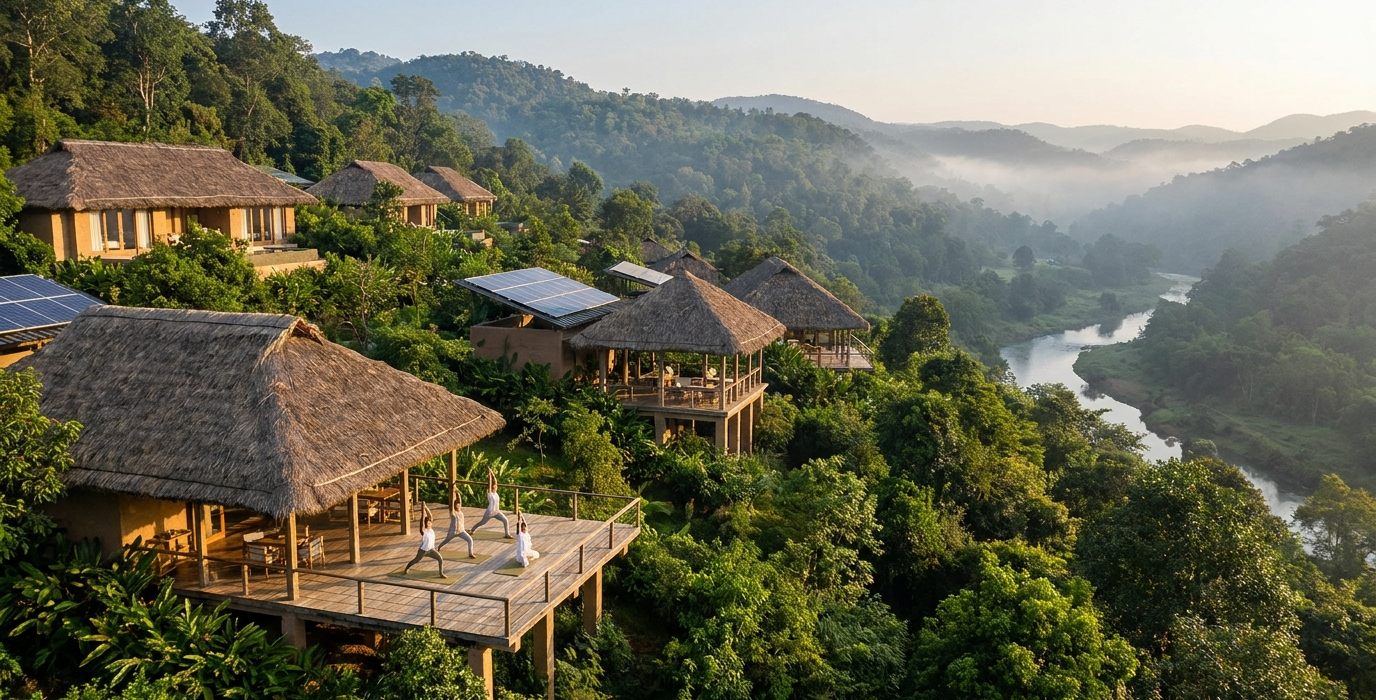
The wellness programmes are, of course, centred around authentic Ayurvedic treatments. From Shirodhara, where warm oil is poured onto the forehead, to Abhyanga, a full-body massage, these therapies are administered by experienced practitioners. Guests can embark on multi-day rejuvenation packages designed to detoxify, de-stress, and revitalise. Yoga and meditation sessions are daily occurrences, often held in open-air pavilions overlooking tranquil waters or verdant paddy fields, enhancing the sense of peace and connection.
Beyond the treatments, the experience of being in Kerala’s natural environment is therapeutic in itself. Many resorts offer opportunities to explore the backwaters on traditional houseboats (kettuvallams) that have been converted into luxurious, yet eco-conscious, accommodations. These journeys allow you to witness local life, observe diverse bird species, and simply bask in the symphony of nature. Some resorts actively engage with local fishing communities, ensuring that their tourism benefits extend beyond their property lines and support the livelihoods of those who call this paradise home. It’s a holistic approach to wellness that benefits everyone involved.
The Thar Desert’s Tranquil Oasis: Sustainable Stays in Rajasthan
When one thinks of Rajasthan, images of majestic forts and vibrant bazaars often come to mind. However, nestled within the vast expanse of the Thar Desert are hidden gems that offer a unique perspective on wellness and sustainability. In 2026, these eco-resorts are proving that even in arid landscapes, a harmonious existence with nature is not only possible but can lead to profound experiences of peace and self-discovery. They offer a starkly beautiful backdrop for a journey inward.
These desert retreats often showcase an incredible ingenuity in adapting to the harsh environment. Many are built using traditional Rajasthani architecture, employing local materials like mud, stone, and thatch that provide natural insulation, reducing the need for extensive air conditioning. Solar power is a ubiquitous feature, harnessed to provide electricity and hot water. Water conservation is paramount, with sophisticated rainwater harvesting systems and strategies to minimise water usage becoming standard practice.
Wellness here takes on a different character, deeply connected to the desert’s raw beauty and quietude. Guests can enjoy camel safaris at sunrise or sunset, a deeply grounding experience that allows for quiet contemplation. Stargazing sessions are particularly spectacular, far from the light pollution of cities, offering a breathtaking view of the cosmos. Many resorts offer yoga and meditation classes in open courtyards, where the silence of the desert amplifies the practice.
The culinary experience is also a highlight, focusing on traditional Rajasthani flavours prepared with locally grown or sourced ingredients. This supports local farmers and reflects a commitment to sustainable food practices. Some resorts go a step further by involving guests in their organic gardens or cooking workshops, sharing the rich culinary heritage of the region. A surprising aspect of these desert eco-resorts is their commitment to reviving and celebrating traditional Rajasthani music and dance. Evening performances by local artists not only provide authentic cultural immersion for guests but also offer vital economic support and preservation opportunities for these traditional art forms, making the wellness experience truly multi-dimensional.
Goa’s Green Shores: Eco-Conscious Escapes by the Sea
While Goa is often celebrated for its lively beaches and vibrant nightlife, a growing number of travellers in 2026 are seeking a different kind of Goan experience: one of mindful relaxation and environmental responsibility. The state’s eco-resorts are leading this charge, offering serene escapes that prioritise sustainability without compromising on comfort or the quintessential Goan charm. These sanctuaries provide a tranquil counterpoint to the more bustling tourist hubs.
These Goan eco-resorts are deeply committed to preserving the delicate coastal ecosystems. Many are located in quieter, less developed areas, often tucked away amidst cashew groves or near serene, less-frequented beaches. Their architectural designs typically favour natural materials like bamboo, reclaimed wood, and local laterite stone, blending harmoniously with the tropical landscape. Energy efficiency is a key focus, with solar panels powering many of their operations and intelligent lighting systems in place.
The wellness offerings here are tailored to the coastal environment. Imagine practicing yoga on a deck overlooking the Arabian Sea as the sun rises, or enjoying a massage infused with local herbs and essential oils. Many resorts offer guided nature walks along the coast, birdwatching excursions, and opportunities to learn about marine conservation efforts. The emphasis is on reconnecting with the rhythm of the ocean and the lush greenery that surrounds you.
Food at these resorts is a celebration of Goan flavours, with a strong emphasis on fresh, sustainable seafood and organic produce sourced from local farmers and fishermen. This not only ensures the freshest, most delicious meals but also supports the local economy and promotes responsible sourcing. Some resorts even have their own organic gardens, providing a farm-to-table experience that is both healthy and environmentally sound. A fascinating aspect is their dedication to community-based tourism initiatives. Many partner with local villages to offer authentic cultural experiences, such as cooking classes with local families or visits to traditional salt pans, ensuring that tourism revenue directly benefits the local population and helps preserve their way of life.
The Western Ghats’ Verdant Retreats: Biodiversity and Bliss
The Western Ghats, a UNESCO World Heritage site renowned for its exceptional biodiversity, provides a breathtaking canvas for a new wave of eco-resorts in 2026. These retreats are not just about escaping to nature; they are about immersing oneself in one of the planet’s most ecologically significant regions while practicing responsible and regenerative tourism. They offer a profound opportunity to witness nature’s grandeur up close, in its purest form.
These resorts are often situated within or on the fringes of coffee and spice plantations, or amidst dense forests, offering a sanctuary of peace and natural beauty. Their design philosophy typically centres on minimal environmental impact. This means using sustainable building materials, integrating structures into the landscape to minimise disruption, and employing renewable energy sources like solar and micro-hydro power. Waste management is a critical component, with comprehensive composting and recycling programs in place, and a focus on eliminating single-use plastics entirely.
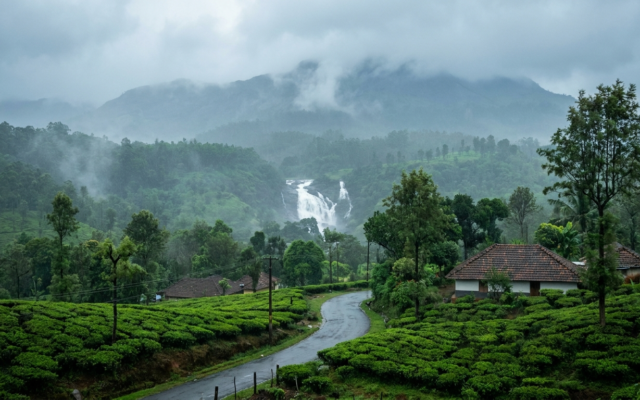
The wellness programmes here are deeply intertwined with the surrounding biodiversity. Guests can embark on guided treks through ancient forests with experienced naturalists, learning about the region’s unique flora and fauna, including its numerous endemic species. Birdwatching is a popular activity, with the Ghats being a paradise for ornithologists. Yoga and meditation sessions are often held in serene settings, such as overlooking mist-covered valleys or beside gurgling streams, enhancing the sense of tranquility and connection to the Earth.
Culinary experiences focus on fresh, local, and seasonal ingredients, often sourced directly from the resort’s own organic farms or from neighbouring communities. This supports sustainable agriculture and provides guests with authentic flavours. Some resorts offer immersive experiences like learning about organic farming practices or participating in traditional cooking classes. A surprising aspect of many of these Western Ghats eco-resorts is their active involvement in reforestation projects and wildlife conservation initiatives. They often collaborate with local environmental organisations, allowing guests to participate in tree-planting drives or learn about the conservation challenges and successes in the region, transforming a holiday into a meaningful contribution to the planet’s health.
Frequently Asked Questions
What are the typical wellness activities offered at Indian eco-resorts?
You can expect a wide range of activities focused on holistic well-being. These often include daily yoga and meditation sessions, personalised Ayurvedic consultations and treatments, nature walks and treks, organic cooking classes, and opportunities for quiet contemplation in serene natural settings. Some resorts also offer workshops on mindfulness and stress management.
How do eco-resorts in India ensure sustainability?
Sustainability is usually multi-faceted. Resorts often employ renewable energy sources like solar power, implement robust waste management and recycling programs, focus on water conservation through rainwater harvesting and efficient usage, use locally sourced organic produce for their kitchens, and prioritise eco-friendly building materials and designs that minimise environmental impact. Community engagement and support for local economies are also key.
Are these eco-resorts suitable for families?
Yes, many eco-resorts are designed to be family-friendly, offering a safe and engaging environment for children to connect with nature. Some provide nature-based activities specifically for younger guests, while others offer spacious accommodations and amenities suitable for families. The emphasis on natural beauty and peaceful surroundings can also provide a calming experience for children.
How can I find an eco-resort that aligns with my specific wellness goals?
Start by identifying your primary wellness focus, whether it’s detoxification, stress reduction, spiritual growth, or simply a deep connection with nature. Research resorts that specialise in those areas, perhaps those with strong Ayurvedic programmes, extensive nature immersion opportunities, or dedicated meditation retreats. Reading recent reviews and checking the resort’s own sustainability reports can also provide valuable insights into their ethos and offerings.