The 2026 travel landscape is shifting, and for Indian travelers looking beyond the usual Beijing-Shanghai circuit, China’s vast, mist-covered provinces offer experiences that feel like stepping into a living ink-wash painting. If you are ready to trade the neon lights of the Bund for ancient tea routes and karst mountain ranges, these seven hidden gems will redefine your understanding of the Middle Kingdom.
Key Takeaways
- Explore remote, culturally rich provinces like Guizhou and Fujian that are now more accessible via high-speed rail.
- Understand the nuances of the 2026 visa-free entry policies and digital payment integration for international tourists.
- Focus on sustainable, slow-travel itineraries that prioritize local heritage over mass-market attractions.
- Leverage the expanded China Railway network to reach Tier-3 cities that remain largely untouched by international crowds.
1. The Karst Landscapes of Xingyi, Guizhou
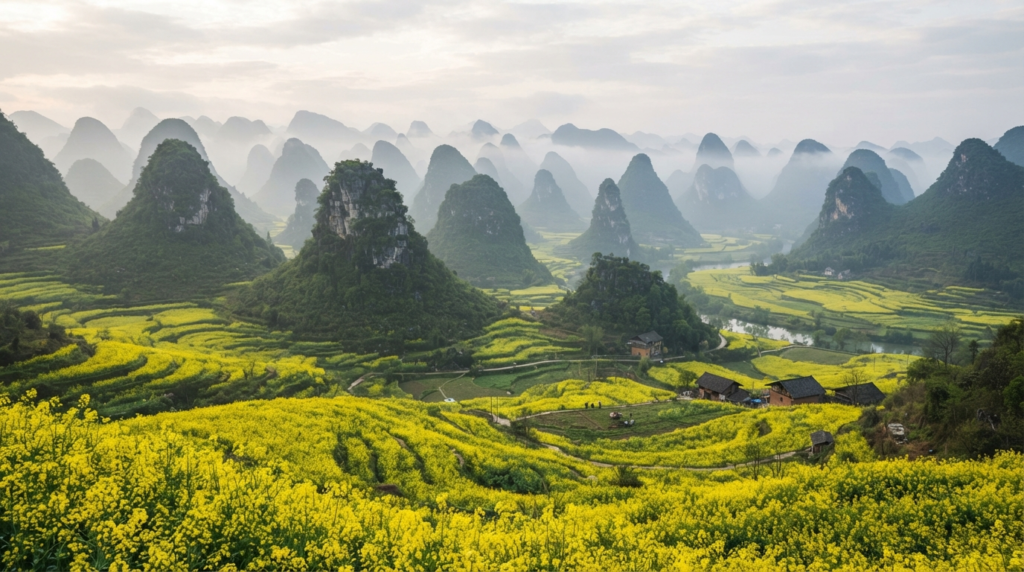
While most travelers flock to the crowded tourist hubs of Yangshuo, the city of Xingyi in the southwestern Guizhou province remains a secret whispered among seasoned explorers. This region is defined by the Maling River Canyon, a geological wonder where waterfalls cascade directly into a deep, jagged abyss. Unlike the commercialized parks of the north, the hiking trails here offer an authentic look at the Buyi ethnic minority culture.
You should plan your visit for the spring, specifically late March, when the rapeseed flowers bloom across the Wanfenglin, or “Forest of Ten Thousand Peaks.” The scenery is surreal, with thousands of cone-shaped hills rising abruptly from the flat plains. It is a photographer’s paradise, yet surprisingly devoid of the massive tour groups that clog other parts of the country.
Getting here is significantly easier in 2026 thanks to the expansion of the regional high-speed rail network linking Guiyang to the southern provinces. You can find up-to-date scheduling and connectivity information through the official China Railway portal. When you visit, make sure to sample the local Suantang Yu, a sour fish soup that defines the bold flavor profile of Guizhou cuisine. It is a sharp, refreshing contrast to the heavier oils found in northern dishes.
2. The Tulou Clusters of Fujian Province
Hidden deep within the mountains of Fujian are the Tulou, massive earthen fortresses built by the Hakka people between the 12th and 20th centuries. These structures are not just houses; they are self-contained, circular villages designed to protect entire clans from bandits and invaders. Walking into the central courtyard of a Tulou, you feel the weight of centuries of history held within the thick, rammed-earth walls.
According to the UNESCO World Heritage Centre, these unique architectural feats are among the most structurally resilient traditional buildings in the world. Many of them are still inhabited today, allowing you to share a cup of Oolong tea with a family whose lineage traces back dozens of generations within these very walls. Staying in a converted Tulou guesthouse offers an immersive experience that no hotel in a city like Guangzhou could ever replicate.
Do not skip the Chuxi or Hongkeng clusters, as they are less renovated and maintain a more rugged, authentic atmosphere. Pack light, as navigating the narrow, stone-paved alleys of these mountain villages is best done on foot. Always carry a digital translation app, as English signage is sparse, but the warmth of the local hosts bridges the language barrier effortlessly.
3. The Ancient Water Town of Zhouzhuang
While many travelers head to Wuzhen, Zhouzhuang remains the quintessential “Venice of the East” with a more tranquil pace of life. Located in the Jiangsu province, its canals are lined with Ming and Qing dynasty architecture that has been meticulously preserved. The town is famous for its intricate stone bridges, particularly the Twin Bridges, which have become a symbol of classical Chinese aesthetic design.
To make the most of your trip, arrive early in the morning before the day-trippers arrive from Suzhou or Shanghai. Renting a small wooden skiff steered by a local boatman allows you to drift through the narrow water lanes, providing a perspective of the town that is impossible to gain from the shore. The reflection of white-walled, black-tiled houses in the water creates a serene atmosphere that feels frozen in time.
The local delicacy here is the “Wansan Pork Shank,” a slow-cooked, melt-in-your-mouth dish named after a legendary wealthy merchant. If you are traveling as a family, the proximity of Zhouzhuang to major urban hubs makes it an ideal day trip, but staying overnight in a canal-side boutique hotel is highly recommended. It allows you to see the town illuminated by red lanterns once the sun sets and the crowds disperse.
4. The Untamed Beauty of Enshi Grand Canyon
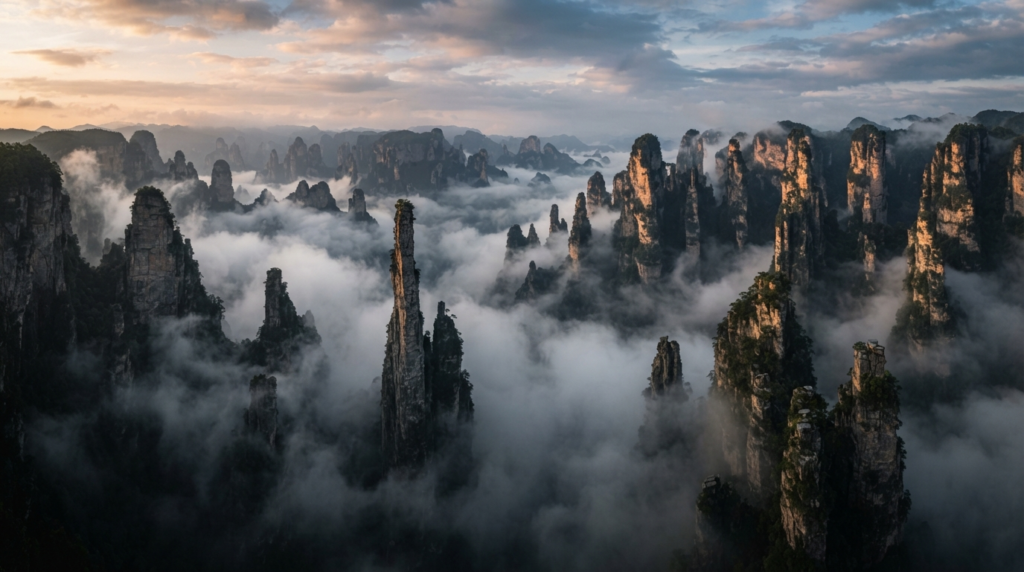
Located in Hubei province, the Enshi Grand Canyon is often described as China’s answer to the Grand Canyon, but with a lush, green, and vertical twist. The sheer scale of the limestone cliffs is dizzying, and the “Seven Star Trail” offers a challenging trek for those who want to get away from the paved walkways. You will encounter the unique Tujia minority culture here, known for their elaborate singing rituals and distinctive stilted wooden architecture.
One of the most surprising facts about this region is that it remained largely isolated until the mid-2010s due to the difficult topography. This isolation has preserved the local ecology and customs in a way that is increasingly rare globally. Today, the canyon is reachable by a modern high-speed train, yet the sheer size of the park ensures that you can always find a secluded spot to admire the dramatic karst formations.
Be prepared for rapid weather changes in the mountains; even in summer, the temperatures can drop quickly as you climb the trails. Investing in a good pair of waterproof hiking boots is non-negotiable here. The local government has invested heavily in park infrastructure to ensure safety, yet the trails remain rugged enough to provide a genuine sense of adventure for the modern traveler.
5. The High-Altitude Serenity of Shangri-La
Situated in the northwestern corner of Yunnan province, the city of Shangri-La is the gateway to the Tibetan plateau. At an elevation of over 3,000 meters, this destination offers a radical change in scenery from the tropical south. The centerpiece is the Ganden Sumtseling Monastery, a sprawling complex often referred to as the “Little Potala Palace” due to its striking resemblance to the iconic structure in Lhasa.
Travelers should be mindful of altitude sickness and plan for at least two days of acclimation upon arrival. The air is crisp, the sky is an impossibly deep shade of blue, and the spiritual energy of the town is palpable. Visiting in the autumn allows you to witness the changing colors of the alpine meadows, which turn a vibrant, fiery gold as the season transitions.
“The true value of traveling to China’s periphery lies not in the landmarks you check off, but in the slow moments of exchange with local communities whose ways of life are defined by the geography surrounding them.”
While the area has seen increased tourism, the vastness of the surrounding Pudacuo National Park ensures that you can find solitude. Whether you are trekking near Bitahai Lake or visiting local yak-cheese makers, the experience is profoundly grounding. This is not a destination for a rushed itinerary; it is a place that demands you slow your breathing and observe.
6. Comparison of Travel Logistics
Planning a trip to these hidden gems requires a different approach than booking a standard tour. You must navigate regional transportation and diverse weather conditions. The following table provides a quick reference for travelers comparing the primary modes of access and the best times to visit these unique Chinese destinations.
| Destination | Primary Access | Best Season | Travel Vibe |
|---|---|---|---|
| Xingyi | High-speed rail to Guiyang | Spring | Photographic/Cultural |
| Fujian Tulou | High-speed rail to Xiamen | Autumn | Architectural/Historical |
| Zhouzhuang | Bus/Taxi from Suzhou | Spring/Autumn | Relaxed/Romantic |
| Enshi Canyon | High-speed rail to Enshi | Summer/Autumn | Adventure/Hiking |
| Shangri-La | Domestic flight/Bus | Autumn | Spiritual/Scenic |
When you consider these logistics, remember that digital payments are the standard across China. Ensure your mobile wallet is linked to your international bank account before departure, as cash is rarely used even in rural markets. You can verify the latest financial regulations and digital payment compatibility for tourists through the People’s Bank of China official website.
Frequently Asked Questions
Is it difficult to navigate these regions without speaking Mandarin?
While Mandarin is the primary language, using a reliable, offline translation app allows you to communicate basic needs with locals. In more remote areas, the hospitality is often so genuine that gestures and smiles bridge the gap, and many younger locals are increasingly comfortable using translation tools on their phones.
Are these hidden gems safe for solo travelers?
China is consistently ranked as one of the safest countries for solo travelers. Even in rural provinces like Guizhou or Yunnan, public safety standards are high. However, always exercise common sense, stick to well-marked trails in canyon areas, and ensure you have a mobile roaming plan or local SIM card for constant connectivity.
What is the best way to handle money while traveling in China?
The country is effectively a cashless society. Before you land, download the major digital payment apps and link your international credit or debit card. While some high-end hotels may still accept physical cash, street food stalls, local transport, and even small village shops operate almost exclusively through QR code payments.