Key Takeaways
- Explore Goa’s monsoon season for a unique, less crowded experience away from typical beach tourism.
- Discover hidden waterfalls like Kesarval Spring and the Dudhsagar Falls’ accessible routes in 2026.
- Embrace the lush green landscapes by trekking through wildlife sanctuaries and spice plantations.
- Find curated monsoon packages offering a blend of nature, culture, and relaxation in offbeat locations.
Goa in the Green Season: A Different Kind of Magic
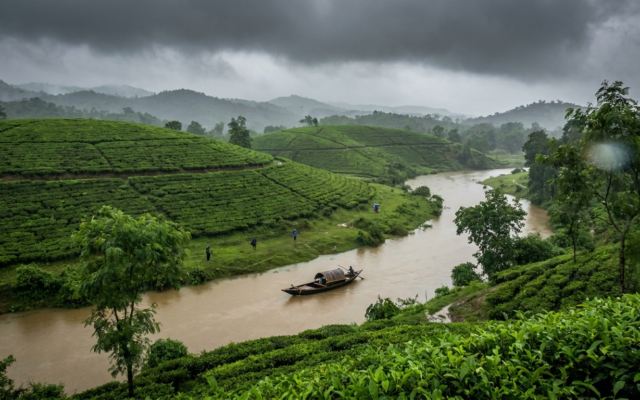
When most people think of Goa, they picture sun-drenched beaches and bustling nightlife. But as the monsoon clouds gather in 2026, a different Goa emerges – one cloaked in emerald green, alive with the roar of waterfalls, and offering a tranquility rarely found during the peak tourist season. This is the season for those who crave raw nature, fewer crowds, and a truly immersive experience.
Forget the packed sands of Baga and Calangute for a moment. We’re talking about a Goa where the air is thick with the scent of damp earth and jasmine, where mist clings to the hillsides, and where the rivers swell with life. This is the time to explore the state’s interior, its hidden trails, and its most spectacular natural wonders. If you’re looking for an adventure that goes beyond the usual tourist trail, the Goan monsoon of 2026 awaits with open arms and a refreshing downpour.
Chasing Waterfalls: Beyond the Tourist Trail
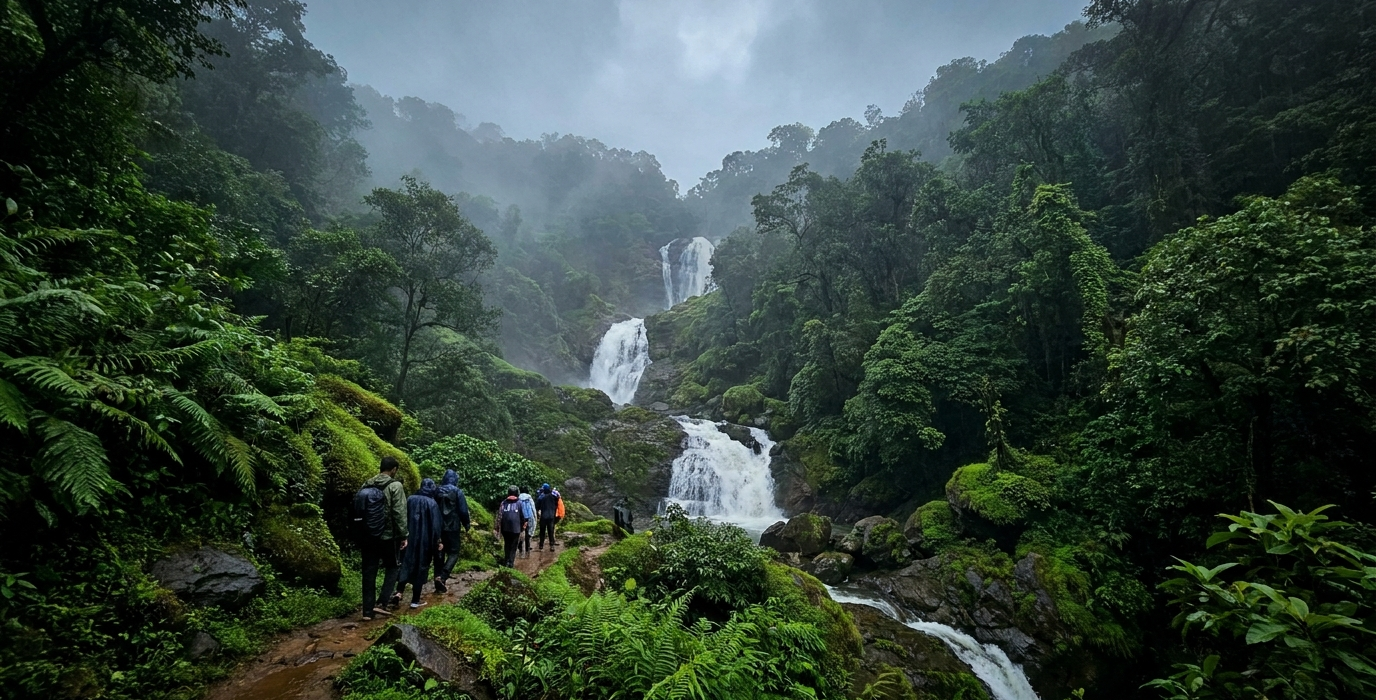
While Dudhsagar Falls remains Goa’s undisputed queen of waterfalls, the monsoon of 2026 offers numerous other cascades and springs that are equally breathtaking, and often, more accessible and serene. Imagine standing before a curtain of water, mist kissing your face, with only the symphony of nature as your soundtrack. These are the moments that define a truly special getaway.
One such gem is the Kesarval Spring near Verna. While it’s known for its medicinal properties year-round, the monsoon amplifies its beauty. The surrounding hills turn into a vibrant tapestry of green, making the short trek to the spring a delight. You’ll find locals frequenting this spot, offering a glimpse into authentic Goan life. Another must-visit is the Tambdi Surla Waterfall, nestled within the Bhagwan Mahavir Wildlife Sanctuary. The journey itself is an adventure, winding through dense forests. This lesser-known cascade offers a more intimate experience, perfect for photography and quiet contemplation.
For those seeking the grandeur of Dudhsagar, the 2026 monsoon season presents opportunities for a more comfortable journey. While the jeep safari remains the primary access, exploring the routes from the Goa-Karnataka border can offer different perspectives. Some operators now provide guided treks that lead to vantage points offering stunning, unobstructed views of the tiered falls, especially after a good spell of rain. It’s crucial to book with reputable guides who prioritize safety and responsible tourism.
Surprising Fact: The Unique Geology of Goa’s Waterfalls
Did you know that many of Goa’s waterfalls, including Kesarval, are not just geological formations but are often associated with specific mineral deposits? The water from Kesarval Spring, for instance, is believed to be rich in calcium and sulphur, which contributes to its reputed healing properties. This natural spa experience, enhanced by the monsoon’s lush surroundings, is a unique aspect of Goa’s interior tourism in 2026.
Trekking Through Emerald Jungles: The Sanctuaries Awaken
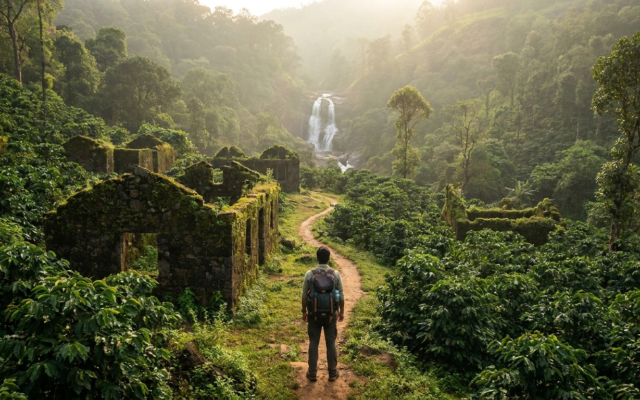
Goa is not just its coastline; its heart lies in its verdant Western Ghats hinterland. The monsoon transforms these forests into a living, breathing spectacle. For trekkers and nature enthusiasts in 2026, the state’s wildlife sanctuaries offer an unparalleled opportunity to connect with nature in its most vibrant form. The usual dry, dusty trails become lush, carpeted with new growth and teeming with life.
The Bhagwan Mahavir Wildlife Sanctuary in South Goa is a prime example. During the monsoon, its dense deciduous forests come alive. You can explore trails leading to hidden viewpoints, discover exotic flora and fauna that are rarely seen at other times of the year, and listen to the chorus of rain and wildlife. The Cotigao Wildlife Sanctuary, though smaller, offers equally rewarding experiences with its network of trails and the chance to spot various deer species, monkeys, and a plethora of birdlife.
A guided trek is highly recommended during this season. Local guides possess invaluable knowledge of the terrain, weather patterns, and the best spots for wildlife sightings. They can also ensure your safety, as some trails can become slippery or inaccessible due to heavy rainfall. Many eco-tourism initiatives in 2026 are focusing on responsible trekking, minimizing human impact while maximizing the visitor’s connection with the environment. This is your chance to witness Goa’s biodiversity at its peak, far from the madding crowds.
The Sound of the Forest
The monsoon in the Goan hinterland is a sensory experience unlike any other. Beyond the visual spectacle of green, the air is filled with the constant, soothing sound of rain. This is punctuated by the calls of unseen birds, the rustling of leaves, and the distant murmur of flowing water. It’s a natural orchestra that washes away the stress of everyday life.
Spice Plantations: Aromatic Escapes in the Monsoon Mist
Goa’s spice plantations are a fragrant testament to its historical trade routes. During the monsoon months of 2026, these plantations are particularly enchanting. The rain nourishes the crops, intensifying their aromas and bringing out the rich, earthy hues of the landscape. A visit here offers a delightful blend of sensory pleasure, cultural insight, and culinary exploration.
Many plantations, such as the Sahakari Spice Farm or the Tropical Spice Plantation, offer guided tours that are a highlight of the monsoon experience. You’ll learn about the cultivation of spices like black pepper, cardamom, cinnamon, and vanilla, and understand their medicinal and culinary uses. The guides often demonstrate how these spices are harvested and processed, providing a fascinating glimpse into the agricultural heart of Goa. The cool, misty air and the vibrant green surroundings create a uniquely tranquil atmosphere.
A typical tour often concludes with a traditional Goan meal, where the freshly harvested spices are used to create authentic dishes. This culinary experience is a true celebration of the land’s bounty. Some plantations also offer Ayurvedic massages and nature walks, making them perfect destinations for a day trip or even an overnight stay. In 2026, consider booking a package that includes a plantation visit alongside other monsoon activities for a well-rounded itinerary.
Surprising Fact: The Historical Significance of Goan Spices
Goa’s spice trade was so lucrative historically that it attracted traders and colonizers for centuries. The region was a major hub for the export of spices, particularly pepper, which was once considered more valuable than gold. This rich heritage is palpable when you walk through the fragrant plantations today, a living connection to Goa’s global past.
Offbeat Stays: Finding Your Monsoon Sanctuary
While luxury resorts on the coast might be less appealing during the heavy rains, the monsoon season is perfect for discovering Goa’s charming homestays and boutique guesthouses tucked away in its interior. These accommodations offer a more intimate and authentic experience, allowing you to truly immerse yourself in the local culture and the serene natural environment of 2026.
Imagine waking up to the sound of rain drumming on a tiled roof, sipping a hot cup of chai on a veranda overlooking misty paddy fields, or enjoying a home-cooked Goan meal prepared with local ingredients. Many of these properties are located near rivers, waterfalls, or within walking distance of spice plantations and nature trails. They provide a peaceful retreat from the usual tourist hustle and bustle, offering a chance to reconnect with yourself and nature.
When choosing your monsoon sanctuary, look for places that emphasize sustainability and community involvement. Many boutique stays in areas like Bicholim, Sattari, or Cuncolim offer unique experiences, from bird-watching tours to cooking classes. Some even provide guided nature walks or yoga sessions, perfectly complementing the tranquil monsoon ambiance. Booking in advance is advisable, as these hidden gems often have limited availability, especially for the more popular monsoon packages in 2026.
The Cozy Charm of Goan Interiors
These interior stays often feature traditional Goan architecture, with terracotta roofs, wooden beams, and open courtyards. They exude a rustic charm that is amplified by the monsoon’s embrace. Staying in one of these places is not just about accommodation; it’s about experiencing a slower pace of life and the genuine warmth of Goan hospitality.
Exploring Goa’s Riverine Pulse: Backwaters and Boat Rides
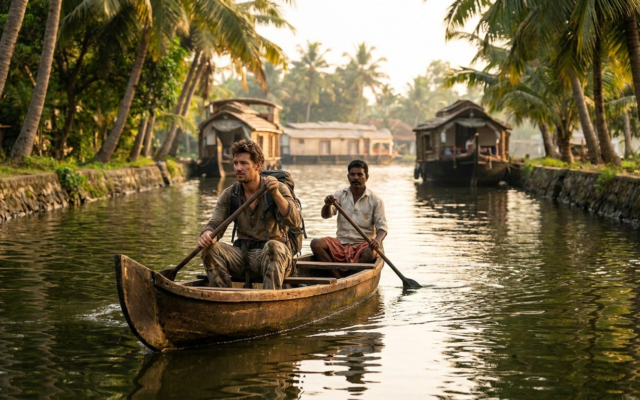
The monsoon season revitalizes Goa’s numerous rivers and backwaters, transforming them into crucial lifelines and offering a unique perspective of the landscape. While beach activities might be limited, the swollen rivers provide an excellent opportunity for serene boat rides, kayaking, and exploring the rich mangrove ecosystems that thrive in these areas.
The Mandovi and Zuari rivers, along with their tributaries, become more navigable and picturesque during this time. A boat trip through the Sal River, particularly in South Goa, offers a chance to witness the lush green banks teeming with life. You might spot kingfishers, egrets, and other water birds, and perhaps even glimpse the elusive otters that inhabit these waters. For a truly immersive experience in 2026, consider a guided kayaking tour through the mangroves, allowing you to get up close with this vital ecosystem.
Many eco-tourism operators offer guided tours focusing on the biodiversity of these riverine areas. These tours often include stops at small fishing villages, where you can learn about traditional fishing techniques and the local way of life. The tranquility of gliding through the water, surrounded by verdant foliage and the gentle rhythm of the rain, is a profoundly calming experience. Some tours also include visits to ancient temples or churches located along the riverbanks, adding a cultural dimension to your adventure.
A Deeper Dive: The Importance of Mangroves
Goa’s mangrove forests are not just beautiful; they are critical ecosystems that protect the coastline from erosion, act as natural nurseries for fish, and help filter water. During the monsoon, their importance is amplified, providing vital habitat and protection during the heavy rains.
Embracing the Monsoon: Practical Tips for 2026
Visiting Goa during the monsoon season offers a unique and rewarding experience, but it requires a bit of preparation. Embracing the ‘green season’ means adjusting your expectations and embracing the charm of the rain-drenched landscape. Here are some practical tips to ensure your trip in 2026 is smooth and enjoyable.
Pack Wisely: Quick-drying clothes, waterproof footwear, a good quality umbrella, and a rain jacket are essential. Don’t forget insect repellent, as mosquitoes can be more prevalent. Waterproof bags or covers for your electronics are also a must. Consider bringing a lightweight travel towel that dries quickly.
Stay Informed: Keep an eye on weather forecasts. While monsoons are expected, heavy rainfall can sometimes lead to local flooding or temporary disruptions. Have flexible plans and be prepared to adapt. Check with local authorities or your accommodation about road conditions, especially in interior areas.
Embrace the Pace: The monsoon encourages a slower pace of life. Don’t try to cram too much into your itinerary. Instead, savor the moments – a cup of tea while watching the rain, a leisurely meal, a quiet walk through a mist-covered village. This is the time for rejuvenation, not rushing.
Choose Accommodation Carefully: As mentioned earlier, interior homestays and boutique hotels offer a unique monsoon experience. Ensure your chosen accommodation is well-equipped for the rains and offers comfortable common areas where you can relax if venturing out is difficult.
Safety First: Be cautious when walking on slippery trails or near water bodies. Always inform someone of your trekking plans, and stick to well-marked paths or go with a local guide. Avoid swimming in strong currents or unknown waters.
| Activity | Best for | Monsoon Considerations | Typical Cost (2026 Estimate) |
|---|---|---|---|
| Waterfall Visit (e.g., Dudhsagar, Kesarval) | Nature Lovers, Photographers | Increased flow, vibrant greenery. Access may vary. | ₹500 – ₹3,000 (depending on access & tour) |
| Trekking in Wildlife Sanctuaries | Adventure Seekers, Bird Watchers | Lush trails, potential for wildlife sightings. Requires caution on slippery paths. | ₹800 – ₹2,500 (with guide) |
| Spice Plantation Tour | Foodies, Culture Enthusiasts | Intensified aromas, lush surroundings. Pleasant climate for walking. | ₹700 – ₹1,800 (incl. lunch) |
| Backwater/Mangrove Boat Ride | Nature Enthusiasts, Relaxation Seekers | Calm waters, rich biodiversity. Excellent for birdwatching. | ₹600 – ₹2,000 |
| Homestay/Boutique Stay | Those seeking tranquility and local culture | Cozy ambiance, immersive experience. Limited availability. | ₹3,000 – ₹7,000 per night |
“The monsoon in Goa isn’t just about rain; it’s a transformation. It’s when the land truly breathes and reveals its most vibrant, untamed self. This is the season to discover the soul of Goa, beyond the usual tourist glare.”
Frequently Asked Questions
Is Goa safe to visit during the monsoon of 2026?
Yes, Goa is generally safe during the monsoon, provided you take necessary precautions. Stick to main roads, avoid venturing into flooded areas or strong currents, and be mindful of slippery surfaces when trekking. The interior regions, away from the coast, are particularly serene and safe.
What kind of clothing should I pack for a Goa monsoon trip in 2026?
Pack lightweight, quick-drying clothes. Essential items include a good raincoat or poncho, waterproof footwear (like sandals or quick-dry shoes), an umbrella, and insect repellent. Also, bring waterproof covers for your phone and camera.
Are the beaches in Goa open and enjoyable during the monsoon of 2026?
While the beaches remain accessible, swimming can be hazardous due to rough seas and strong currents. Many beach shacks might be closed or operate with limited hours. The primary appeal shifts from sunbathing to enjoying the dramatic, rain-swept coastal scenery from a safe vantage point.
What are the best offbeat places to visit in Goa during the monsoon of 2026?
Consider exploring the hinterlands of Sattari and Bicholim for lush green landscapes, visiting spice plantations like Sahakari, or staying in charming homestays near Dudhsagar or in villages like Netravali. The western ghats region offers a completely different, tranquil experience.
How can I experience Dudhsagar Falls during the monsoon of 2026?
The most common way is via a jeep safari from Kulem. The roads can be muddy and challenging, making the jeep ride an adventure in itself. It’s advisable to book with reputable tour operators who prioritize safety and ensure the falls are accessible and at their best after good rainfall.