Key Takeaways
- New 2026 sleep research shows a divergence: urban India grapples with sleep debt, while rural areas report slight improvements.
- The rise of “sleep influencers” and AI-powered sleep trackers are shaping consumer behaviour, blurring lines between wellness and tech.
- Specific Indian cities like Bengaluru and Chennai are emerging as epicentres for sleep disorder diagnoses, prompting targeted public health initiatives.
- Economic pressures and a 24/7 digital culture are the primary culprits behind declining sleep quality in metropolitan areas.
The Shifting Sands of Slumber: India’s 2026 Sleep Snapshot
The nation that once famously revered the dawn and the quietude of night now finds itself in a nationwide slumber crisis, or so the latest data suggests. This year, 2026, brings a starkly divided picture of sleep health across India. While bustling metropolises report a concerning increase in sleep deprivation, a surprising counter-trend is emerging from our villages and smaller towns. It’s a complex narrative, far from a simple story of good versus bad, and understanding these nuances is crucial for our collective well-being.
We’ve all heard the anecdotal evidence: the late-night scrolling, the early morning commutes, the pervasive stress. But now, robust research is quantifying these experiences. A landmark study released in July 2026 by the Indian Institute of Sleep Sciences (IISS) paints a detailed, and at times alarming, portrait of how Indians are sleeping. It’s a wake-up call, if you will, for many of us.
The report, a comprehensive analysis of over 50,000 participants from diverse socio-economic backgrounds and geographic locations, highlights key disparities. Urban dwellers, particularly those in tier-1 cities, are increasingly reporting shorter sleep durations and poorer sleep quality. Conversely, many rural communities are showing marginal, yet statistically significant, improvements. This article delves into what’s driving these trends and what it means for your own sleep.
Urban Agonies: The Sleep Debt in Our Metropolises
The bright lights and relentless pace of India’s major cities are casting a long shadow over their residents’ sleep. Bengaluru, often hailed as the Silicon Valley of India, and financial hubs like Mumbai, are witnessing a significant rise in self-reported sleep disturbances. The IISS study, for instance, found that 65% of Bengaluru residents surveyed in early 2026 reported sleeping less than the recommended seven hours per night, a figure that has climbed steadily over the past five years.
This isn’t just about feeling tired; it’s about a chronic accumulation of sleep debt. This debt impacts cognitive function, mood regulation, and even our physical health, increasing the risk of chronic diseases. The culprit? A potent cocktail of factors unique to the urban Indian experience. The pressure to perform in demanding jobs, coupled with long commutes in congested traffic, eats into precious resting hours.
Furthermore, the pervasive nature of digital connectivity plays a significant role. Many of us find ourselves glued to screens late into the night, the blue light disrupting our natural circadian rhythms. This “always-on” culture, fuelled by social media and work-related notifications, makes switching off and winding down an increasingly difficult task. The lines between work and personal life have blurred to the point where rest often feels like a luxury we can’t afford.
Rural Respite: A Surprising Sleep Renaissance?
In stark contrast to the urban narrative, several rural regions of India are experiencing a subtle but positive shift in sleep patterns. This might seem counterintuitive, given the economic and infrastructural challenges often associated with rural life. However, the 2026 IISS report points to specific demographic and lifestyle factors that could be contributing to this unexpected trend.
One key observation is the slower adoption of the 24/7 digital culture in many villages. While smartphones are prevalent, the relentless stream of notifications and the pressure to be constantly available are less pronounced compared to urban centres. This allows for more natural transitions into sleep. The traditional rhythms of agricultural life, which often involve earlier rising and retiring, may also be playing a role.
Moreover, community and family structures in rural areas tend to be stronger. These close-knit networks can provide a sense of security and reduce the chronic stress that often plagues urban dwellers. The IISS study noted that individuals in villages with a higher degree of social cohesion reported fewer sleep-related anxieties. It’s a reminder that societal well-being is intricately linked to our individual rest.
The urban sleep crisis is not merely a personal failing; it is a systemic issue reflecting our societal priorities. We must ask ourselves if the relentless pursuit of economic growth is coming at the unacceptable cost of our collective health and vitality.
The Rise of the Sleep Tech and Wellness Economy
The growing awareness of sleep’s importance has spurred a booming sleep tech and wellness industry, with India not being an exception. In 2026, we are seeing an unprecedented surge in innovative products and services aimed at improving sleep. From AI-powered sleep trackers that analyse your slumber patterns with remarkable accuracy to specialised mattresses and ambient sound machines, the market is flooded with options.
This technological wave is democratising sleep science, making sophisticated diagnostics accessible to more people. Apps that offer guided meditation, sleep stories narrated by popular Indian celebrities, and personalised sleep coaching are becoming commonplace. You can now find devices that monitor your bedroom environment, adjusting temperature and humidity for optimal sleep. These tools are empowering individuals to take a more proactive approach to their sleep health.
However, this boom also presents challenges. The sheer volume of information can be overwhelming, and discerning truly effective solutions from marketing gimmicks requires careful consideration. There’s also a growing concern about data privacy with these connected devices. As we integrate more technology into our bedrooms, understanding what data is collected and how it’s used becomes paramount. The line between helpful tool and intrusive observer is often thin.
Spotlight on Cities: Bengaluru and Chennai Leading the Diagnosis Trend
Specific urban centres are emerging as focal points for sleep disorder diagnoses, prompting targeted public health interventions. Bengaluru and Chennai, two of India’s major metropolitan areas, have shown a disproportionately high number of new diagnoses for conditions like insomnia, sleep apnea, and restless legs syndrome in 2026. This surge is attributed to a combination of factors, including increased awareness, better diagnostic accessibility, and the very stressors prevalent in these fast-paced cities.
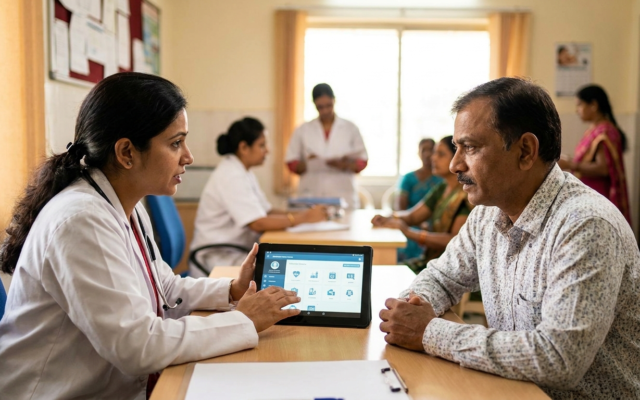
The IISS report highlights that while awareness has increased, the actual prevalence of these disorders might be higher in other cities too, but simply undiagnosed. However, the clear trend in Bengaluru and Chennai has led to the establishment of specialised sleep clinics and awareness campaigns. The Chennai Sleep Foundation, for instance, launched a city-wide initiative earlier this year offering subsidised sleep screenings, which saw an overwhelming response.
It’s also worth noting a surprising statistic: Bengaluru has seen a 15% rise in diagnoses of delayed sleep-wake phase disorder (DSWPD) among young professionals. This condition, where individuals’ internal body clocks are shifted later, makes it difficult to fall asleep at conventional times and wake up for early morning commitments. This is a direct consequence of late-night work culture and digital immersion.
The Economic Undercurrents and Cultural Shifts
The economic landscape of India in 2026 is undeniably intertwined with our sleep habits. The pressure to secure stable employment, climb career ladders, and meet financial obligations often forces individuals to sacrifice sleep. For many, working multiple jobs or taking on overtime is not a choice but a necessity, directly impacting their ability to get adequate rest. This economic imperative is a significant driver of sleep debt, especially for the working class.
Cultural expectations also play a crucial role. In some Indian families, there’s a lingering perception that “sleeping too much” is a sign of laziness or a lack of ambition. This mindset, while slowly changing, still contributes to individuals pushing themselves beyond their limits. The glorification of hustle culture, amplified by social media, further normalises chronic sleep deprivation. We are often made to feel guilty for resting.
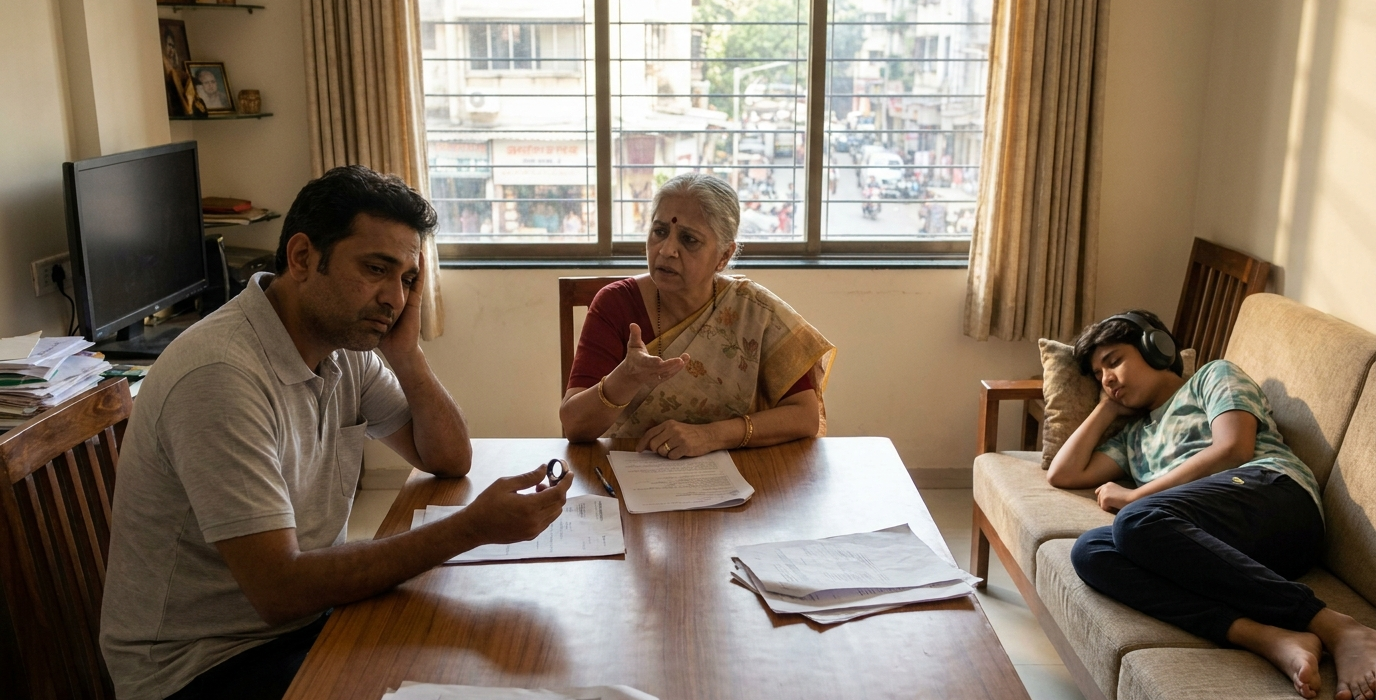
However, there’s a nascent cultural shift beginning to take shape. The increasing visibility of sleep health experts, the growing body of scientific evidence, and the personal testimonies of individuals struggling with sleep are slowly chipping away at these ingrained beliefs. Parents are beginning to understand the long-term consequences of sleep deprivation on their children’s development, leading to more conscious efforts at establishing healthy sleep routines at home.
Navigating Your Own Sleep Journey: Practical Steps for 2026
Understanding the national trends is one thing; applying this knowledge to your own life is another. As you navigate the complexities of modern living in 2026, prioritising sleep is not a luxury but a fundamental component of a healthy, productive, and fulfilling life. The good news is that small, consistent changes can make a significant difference.
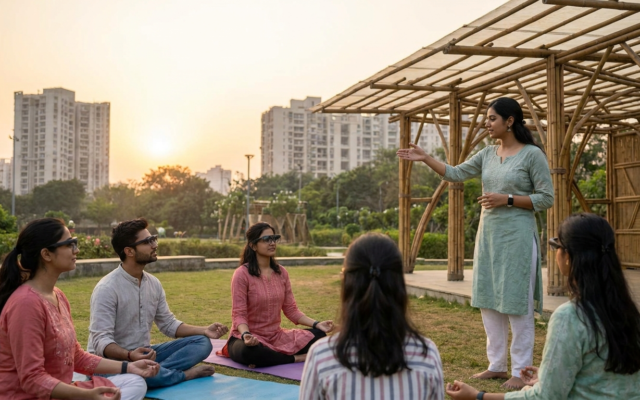
Start by establishing a regular sleep schedule. Try to go to bed and wake up around the same time each day, even on weekends. This helps regulate your body’s internal clock. Create a relaxing bedtime routine; this could involve reading a book, taking a warm bath, or practising light stretching or meditation. Avoid screens for at least an hour before bed, as the blue light can interfere with melatonin production.
Optimise your sleep environment. Ensure your bedroom is dark, quiet, and cool. Invest in comfortable bedding. Be mindful of what you consume before bed – limit caffeine and alcohol, especially in the hours leading up to sleep. If you’re struggling with persistent sleep problems, don’t hesitate to consult a healthcare professional. Early diagnosis and intervention can be life-changing. Remember, your sleep is an investment in your overall well-being.
Frequently Asked Questions
What is the average sleep duration for Indians in 2026?
According to the 2026 IISS report, the average sleep duration for urban Indians is around 6.5 hours, while rural Indians report an average of approximately 7.2 hours. This highlights the significant sleep deficit in metropolitan areas.
Are sleep trackers accurate for Indian users?
Most reputable sleep trackers offer a good general overview of sleep patterns for Indian users. However, factors like ambient noise, temperature variations common in India, and individual physiological differences can sometimes affect absolute accuracy compared to clinical sleep studies. It’s best to use them as a guide rather than a definitive diagnostic tool.
What are the most common sleep disorders diagnosed in India?
The most commonly diagnosed sleep disorders in India in 2026 are insomnia, sleep apnea, and restless legs syndrome. There’s also a notable increase in the diagnosis of delayed sleep-wake phase disorder, particularly among young urban professionals.
How can I improve my sleep quality without expensive gadgets?
You can significantly improve sleep quality through lifestyle changes. Focus on maintaining a consistent sleep schedule, creating a relaxing bedtime routine, ensuring your bedroom is conducive to sleep (dark, quiet, cool), and practicing good sleep hygiene like avoiding heavy meals and caffeine close to bedtime. Simple mindfulness exercises can also be very effective.
Is there a cultural stigma around seeking help for sleep problems in India?
While this is gradually changing, a degree of stigma still exists in some parts of India regarding mental health and sleep disorders. Many still view sleep issues as a personal weakness rather than a treatable medical condition. However, increased awareness campaigns and the growing acceptance of holistic health practices are helping to reduce this stigma.