Key Takeaways
- Bengaluru’s tech landscape is evolving, with hybrid models becoming the norm, not the exception, by 2026.
- Companies are investing heavily in ‘activity-based’ office designs and robust digital infrastructure to support flexible work.
- Employee well-being, including mental health and digital fatigue, is a top priority for employers navigating these shifts.
- The ‘Great Indian Talent Pool’ remains a significant draw, but retaining it now hinges on offering genuine flexibility and a supportive work environment.
Bengaluru’s Hybrid Horizon: Navigating the New Normal
Bengaluru, the Silicon Valley of India, is no longer just a hub for IT services; it’s a crucible for the future of work. As we navigate 2026, the once-ubiquitous five-day-a-week office commute has largely faded into memory for many of its knowledge workers. Instead, a sophisticated hybrid model has taken root, blending the advantages of remote flexibility with the collaborative energy of physical workspaces. This isn’t a temporary phase; it’s a fundamental recalibration of how and where work gets done.
The shift has been driven by a confluence of factors: the pandemic accelerated digital adoption, employees have tasted the freedom of flexible hours, and companies have realized the potential for wider talent acquisition. However, this evolution isn’t without its challenges. Companies are grappling with how to maintain culture, foster innovation, and ensure equitable opportunities for both remote and in-office employees. The “new normal” demands continuous adaptation, thoughtful policy-making, and a deep understanding of employee needs.
The key takeaway for professionals and businesses alike is that embracing this hybrid future isn’t optional; it’s essential for staying competitive. Bengaluru’s companies are actively shaping this future, and understanding their strategies can provide invaluable insights for anyone working within or looking to tap into India’s dynamic tech ecosystem. We’ll explore the practical implications of these changes, from office design to employee well-being, and what it means for your career and your company’s success.
Redefining the Office: From Cubicle Farms to Collaboration Hubs
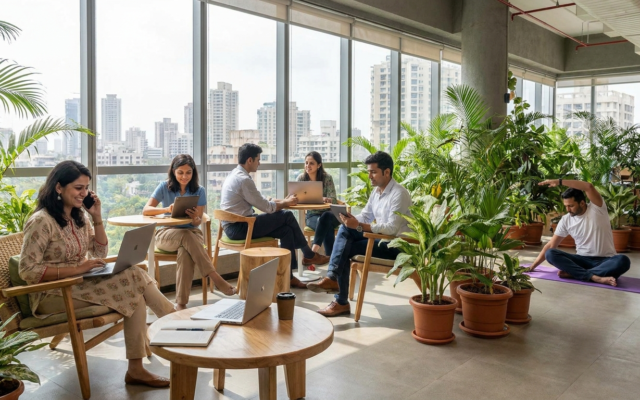
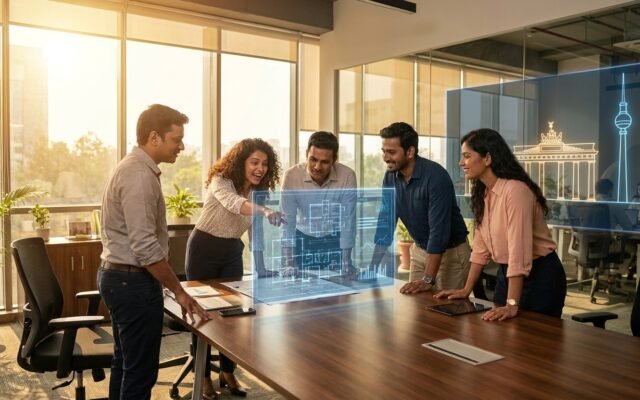
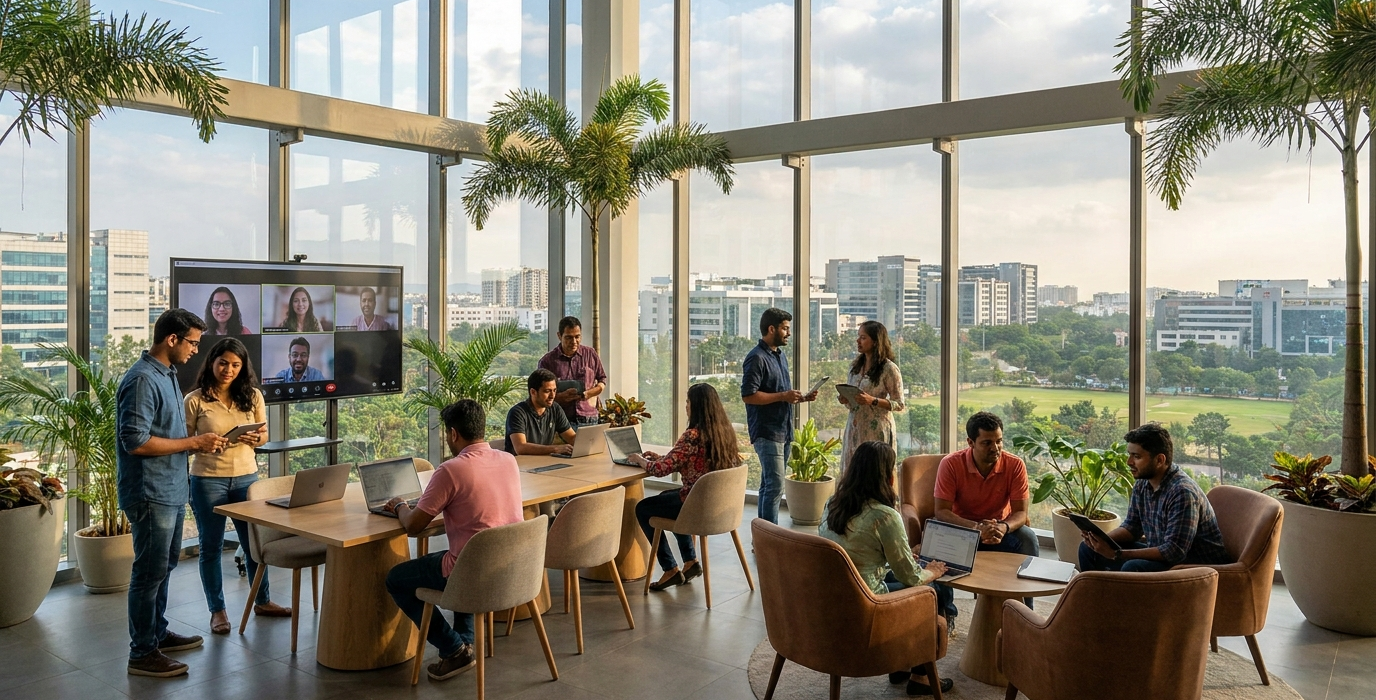
The traditional office space in Bengaluru is undergoing a radical transformation. Forget rows of identical cubicles; the modern workspace is now designed to be a destination, a place for specific activities rather than just daily attendance. Companies are investing in flexible layouts, huddle rooms, quiet zones, and advanced audiovisual equipment to facilitate seamless collaboration between remote and in-office teams. This is often referred to as ‘activity-based working,’ where employees choose their environment based on the task at hand.
Think of it as a palette of spaces: a quiet corner for deep work, a comfortable lounge for informal brainstorming with colleagues, and well-equipped meeting rooms for hybrid team discussions. This approach acknowledges that not everyone needs to be in the office five days a week, but when they are, the space should serve a purpose beyond simply occupying a desk. Companies are also focusing on creating a ‘wow’ factor – think biophilic designs with abundant greenery, ergonomic furniture, and amenities that enhance the employee experience, making the office a place people *want* to come to.
“The office of 2026 is less about ‘having a desk’ and more about ‘accessing resources and fostering connection.’ It’s a curated experience designed to amplify human interaction and innovation.”
Advertisement300×250 / native
A surprising statistic that emerged from recent surveys of Bengaluru’s leading tech firms is that nearly 70% of companies have either redesigned or are in the process of redesigning their office spaces specifically to accommodate hybrid work models. This isn’t just cosmetic; it’s a strategic investment in their workforce’s productivity and well-being. The goal is to make the physical office an indispensable tool for collaboration and culture-building, even when the majority of the workforce operates remotely.
The Digital Backbone: Ensuring Connectivity and Collaboration
For remote and hybrid work to thrive, a robust digital infrastructure is paramount. In Bengaluru, companies are pouring resources into ensuring seamless connectivity, secure data access, and efficient communication tools. This extends beyond just providing laptops and internet allowances; it involves investing in enterprise-grade VPNs, cloud-based collaboration platforms, and advanced cybersecurity measures. The aim is to create an environment where geographical location is no barrier to productivity or collaboration.
Imagine a typical workday in 2026 for a software engineer based in Indiranagar working with a team spread across Koramangala and even international locations. They might start their day with a virtual stand-up meeting, followed by deep coding work in their home office, then join a collaborative design session using real-time whiteboarding tools, and perhaps have an informal virtual coffee chat with colleagues to maintain social connections. All of this relies on a stable, high-speed internet connection and reliable digital tools.
The emphasis is on creating a ‘frictionless’ digital experience. This means reducing the technical hurdles that can disrupt workflow and ensuring that every employee, regardless of their location, has access to the same resources and support. Companies are also exploring AI-powered tools to streamline task management, automate repetitive processes, and even provide personalized support for employees experiencing digital fatigue. The goal is to make technology an enabler, not a hindrance, to effective work.
This digital transformation also includes a significant focus on employee training and support. Many organizations are offering workshops on effective remote communication, digital etiquette, and mastering collaboration software. It’s not just about the tools themselves, but about equipping employees with the skills to use them effectively in a distributed environment. The investment in this digital backbone is a critical factor in the long-term success of hybrid work models in Bengaluru’s competitive landscape.
Employee Well-being: Addressing the Human Element in a Digital World
As work patterns shift, the focus on employee well-being has intensified significantly in Bengaluru’s corporate culture. The lines between work and personal life can easily blur in a remote setup, leading to potential burnout and mental health challenges. Companies are recognizing that a productive workforce is a healthy workforce, and they are implementing comprehensive strategies to support their employees’ holistic well-being. This goes beyond the occasional yoga session.
This includes fostering a culture that encourages employees to set boundaries, take breaks, and disconnect from work. Managers are being trained to recognize signs of stress and burnout, and to proactively offer support. Many organizations are expanding their mental health benefits, providing access to counseling services, mindfulness apps, and employee assistance programs (EAPs). The aim is to destigmatize mental health conversations and make support readily available.
Furthermore, companies are experimenting with ‘well-being days’ or encouraging flexible schedules that allow employees to manage personal appointments or family needs without guilt. The emphasis is on promoting a sustainable work-life integration, where individuals can perform at their best without sacrificing their personal health and happiness. This proactive approach to well-being is becoming a key differentiator in attracting and retaining talent.
A particularly interesting initiative gaining traction is the concept of ‘digital detox’ programs. These aren’t mandatory but are encouraged, offering resources and guidance for employees to consciously reduce screen time and engage in offline activities. This signals a mature understanding that sustained productivity requires a balance, and that continuous digital engagement can be detrimental. It’s a thoughtful response to the challenges of an always-on work culture.
Talent Acquisition & Retention: The Flexibility Imperative
Bengaluru’s status as a global talent magnet is undeniable, but the rules of engagement for attracting and retaining top professionals have fundamentally changed. In 2026, offering genuine flexibility is no longer a perk; it’s a baseline expectation. Companies that rigidly adhere to traditional office-centric models are finding themselves at a significant disadvantage in the war for talent. The ability to attract diverse talent from across India and beyond is now directly linked to the quality of their remote and hybrid work policies.
The ‘Great Indian Talent Pool’ is vast and highly skilled, but these individuals are increasingly seeking roles that offer autonomy and work-life balance. Companies that provide clear guidelines on hybrid work, support remote collaboration effectively, and offer opportunities for career growth regardless of an employee’s location are winning the talent race. This includes transparent communication about expectations, performance metrics that are location-agnostic, and a commitment to inclusivity.
Retention, in particular, is a critical area. Employees who have experienced the benefits of remote work are less likely to return to rigid, office-bound environments. Therefore, fostering a positive and engaging remote work culture is crucial. This involves regular virtual team-building activities, opportunities for professional development that cater to remote learners, and ensuring that remote employees have an equal voice and opportunity for advancement.
A surprising trend is the rise of ‘remote-first’ companies in Bengaluru, even for roles traditionally considered office-based. These companies often don’t maintain large physical offices, opting instead for co-working spaces or fully remote operations. This model appeals to a segment of the workforce that prioritizes ultimate flexibility and is willing to forgo the traditional office environment entirely. It’s a bold strategy that is proving successful for attracting a specific, highly motivated talent demographic.
Navigating the Future: Strategies for Success
As Bengaluru continues to lead the charge in redefining work, companies and individuals alike must remain agile and forward-thinking. The hybrid model is not a static endpoint but an evolving landscape. Success in this new era hinges on a proactive and adaptive approach, focusing on continuous learning and improvement. For businesses, this means regularly soliciting employee feedback, analyzing productivity metrics, and being willing to iterate on policies and practices.
Investing in technology that supports seamless remote collaboration and communication is non-negotiable. This includes everything from cloud-based project management tools to high-quality video conferencing solutions. Equally important is fostering a culture of trust and accountability, where employees are empowered to manage their time effectively and deliver results, regardless of their physical location.
For individuals, it’s about developing new skills and mindsets. Mastering digital communication, time management, and self-discipline are essential for thriving in a hybrid environment. Proactively engaging with colleagues, seeking out opportunities for connection, and taking ownership of one’s career development are also crucial. The future of work in Bengaluru is bright, but it requires a shared commitment to adaptation and innovation from all stakeholders.
A key strategy for businesses is to clearly define the purpose of their physical office space. Is it primarily for collaboration, for client meetings, for fostering company culture, or a combination? Having a clear vision will guide investments in office design, technology, and the types of activities that will be prioritized in the physical workspace. This clarity ensures that the hybrid model is intentional and serves the strategic goals of the organization.
Frequently Asked Questions
What is the most common work model in Bengaluru in 2026?
The most common work model in Bengaluru is hybrid, blending remote and in-office work. While some companies remain fully remote or fully in-office, the hybrid approach offers a balance that has become the de facto standard for many knowledge-based industries.
How are companies in Bengaluru supporting employee well-being in hybrid models?
Companies are investing in expanded mental health benefits, promoting work-life balance through flexible scheduling, offering digital detox resources, and training managers to identify and address signs of burnout. The focus is on holistic well-being.
What are the key technologies enabling remote work in Bengaluru?
Key technologies include robust internet connectivity, secure VPNs, cloud-based collaboration platforms (like Slack, Microsoft Teams), real-time whiteboarding tools, and advanced video conferencing solutions. Cybersecurity is also a major focus.
Is it still possible to find a fully remote job in Bengaluru?
Yes, it is still possible, and the number of ‘remote-first’ companies is growing. However, many roles are now structured as hybrid, requiring a certain number of days in the office. Your job search strategy should account for these different models.