Key Takeaways
- The National Education Policy 2026 continues the foundational shifts introduced in 2020, emphasizing foundational literacy and numeracy, and skill-based learning.
- Significant progress is noted in integrating technology into classrooms and establishing multidisciplinary higher education, though challenges in equitable access persist.
- The policy’s focus on vocational training and Indian Knowledge Systems is reshaping curriculum design and teacher training programs across the nation.
- Parents and students should be aware of the evolving assessment patterns, moving towards holistic development and competency-based evaluations.
Foundational Pillars: Laying the Groundwork for Future Learners
The National Education Policy (NEP) 2026 is not a radical overhaul, but a crucial evolution of the vision laid out in 2020. At its heart lies a renewed commitment to foundational literacy and numeracy (FLN). This isn’t just about reading and arithmetic; it’s about building the cognitive architecture necessary for all subsequent learning. You’ll see this reflected in early childhood education, with an emphasis on play-based learning and engaging pedagogical approaches.
Across India, from the bustling streets of Delhi to the serene villages of Kerala, educators are being trained to implement these FLN strategies. The goal is ambitious: to ensure that every child entering Grade 3 has mastered basic reading and comprehension skills, and can perform simple arithmetic. This forms the bedrock upon which higher-level learning will be built. We are seeing a concerted effort to bridge the learning gaps that have historically plagued our education system.
The policy also champions the Early Childhood Care and Education (ECCE) framework. This recognizes that the formative years are critical for a child’s holistic development. By providing access to quality ECCE, we are investing in a future where children are not just academically prepared, but also socially and emotionally well-adjusted. This focus is a direct response to research indicating that early interventions have a lifelong impact. The Ministry of Education has been actively monitoring the rollout of these foundational programs.
The Reshaped Curriculum: From Rote to Reasoning
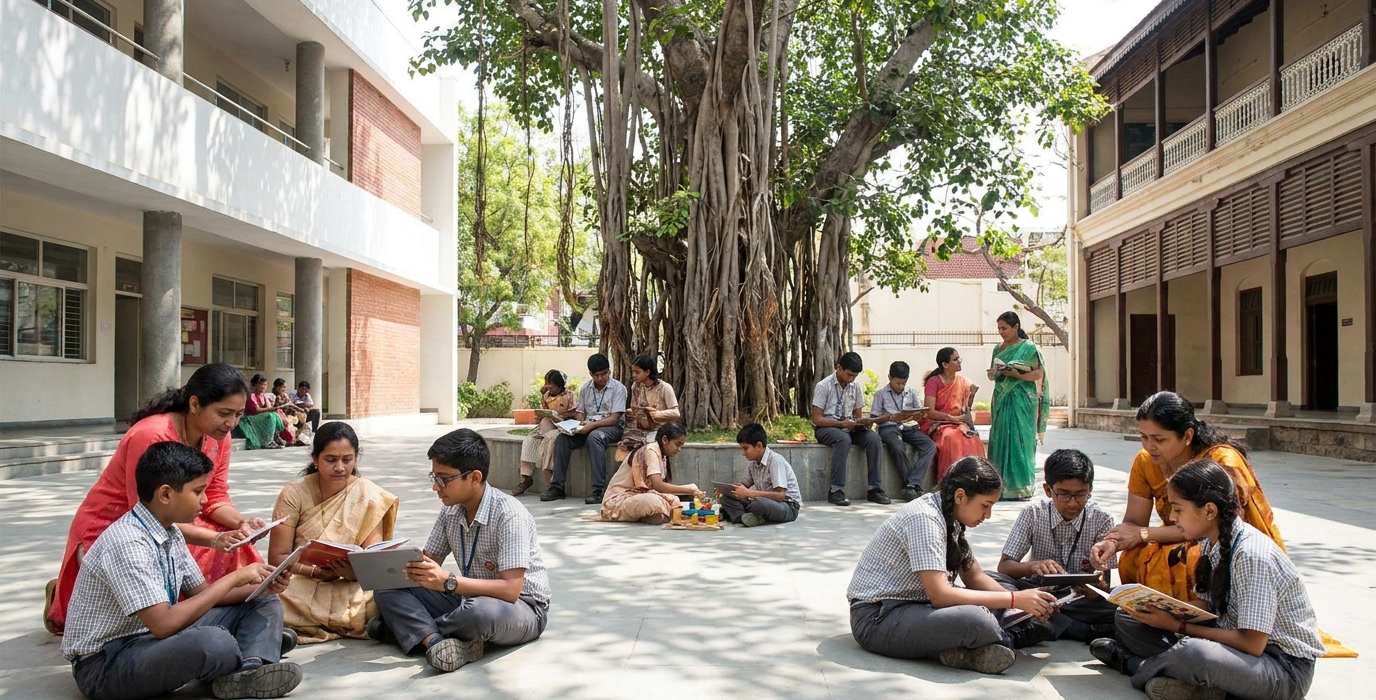
One of the most visible changes under NEP 2026 is the restructuring of the school curriculum. Gone are the rigid subject silos that often limited interdisciplinary thinking. The policy advocates for a more holistic and multidisciplinary approach, encouraging students to explore connections between different fields of study. This means you’ll find subjects like art, music, and physical education being integrated more meaningfully, rather than being treated as mere add-ons.
The 5+3+3+4 structure continues to guide this transformation. The early years focus on foundational skills, followed by preparatory, middle, and secondary stages. This phased approach allows for a gradual introduction of complexity and a deeper exploration of subjects as students progress. We are moving away from a system that prioritized memorization towards one that fosters critical thinking, problem-solving, and creativity.
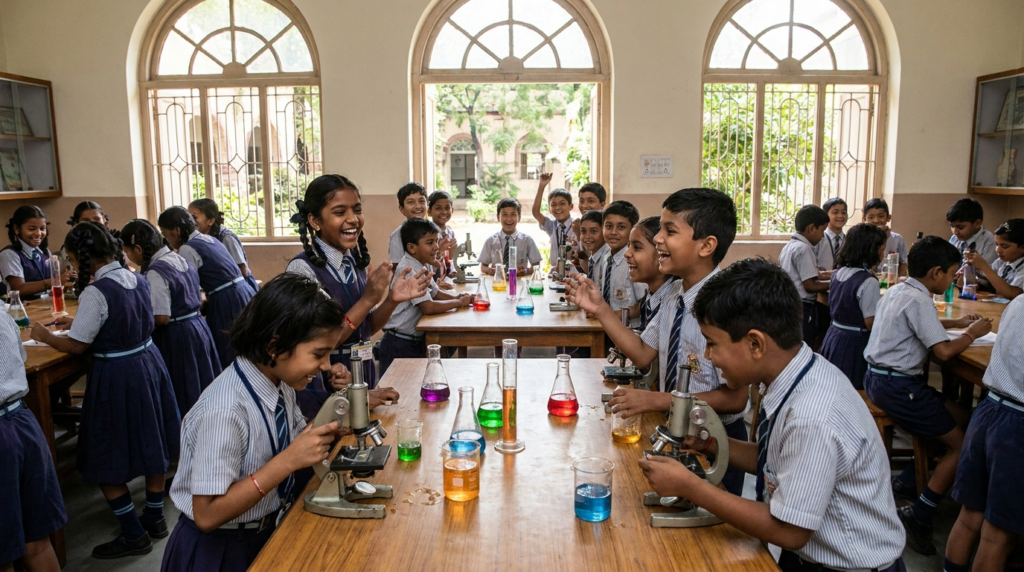
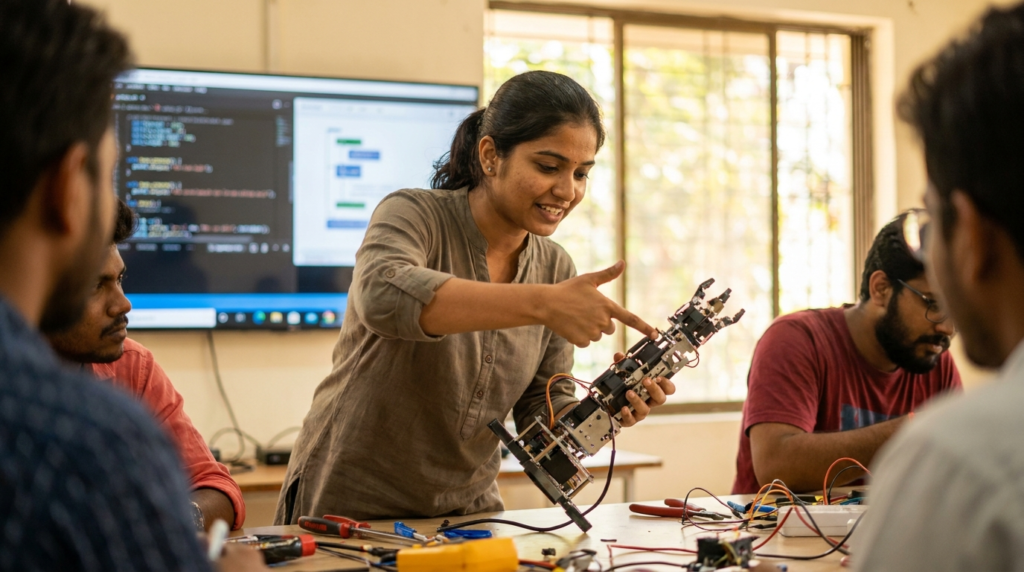
A significant development is the integration of experiential learning. This means more hands-on activities, project-based learning, and real-world applications of theoretical concepts. Imagine students in a rural school near Jaipur collaborating on a project to design a sustainable water harvesting system, or students in a coastal town like Kochi learning about marine biology through field trips. These experiences are designed to make learning engaging and relevant to their lives. The aim is to equip students with the skills they need to thrive in a rapidly changing world.
Empowering Teachers: The Backbone of Educational Reform
No educational policy can succeed without empowered and well-trained teachers. NEP 2026 places a strong emphasis on improving teacher education, professional development, and career progression. This is a critical area, as teachers are at the forefront of implementing these ambitious changes in classrooms across India. We are seeing a significant investment in making the teaching profession more attractive and respected.
Teacher training programs are being revamped to align with the new pedagogical approaches. This includes training in FLN strategies, digital literacy, and inclusive education. The goal is to equip teachers with the skills to cater to the diverse learning needs of all students. Furthermore, there’s a push towards creating a continuous professional development (CPD) ecosystem, ensuring that teachers remain updated with the latest advancements in education.
Moreover, the policy aims to improve the career paths for teachers, offering opportunities for growth and leadership. This includes recognition for outstanding performance and pathways for teachers to move into administrative or specialized roles. The aim is to create a motivated teaching force that feels valued and supported. You might see new initiatives like mentorship programs or research grants becoming more common. The National Council of Educational Research and Training (NCERT) is playing a pivotal role in developing these revised training modules.
Technology in Education: Bridging Gaps and Enhancing Learning
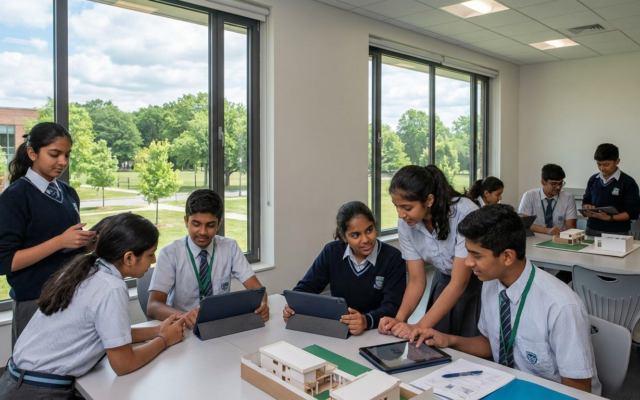
The integration of technology in education has accelerated under NEP 2026, and for good reason. Technology offers unprecedented opportunities to enhance learning experiences, broaden access to resources, and personalize education. From smart classrooms in metropolitan cities to digital learning initiatives in remote areas, the impact is becoming increasingly evident. We are no longer looking at technology as an optional add-on, but as an integral part of the modern learning environment.
The policy promotes the use of digital tools for teaching and learning, including online learning platforms, educational apps, and digital content repositories. This is particularly crucial for bridging the digital divide. Initiatives are underway to ensure that students and teachers in underserved areas have access to the necessary devices and internet connectivity. For instance, government schemes are providing tablets and laptops to students in rural schools, along with training on how to use them effectively.
Furthermore, technology is being leveraged to create adaptive learning platforms that can tailor content to individual student needs and pace. This allows for differentiated instruction, ensuring that students who need extra support receive it, while those who are ready for more advanced material can progress accordingly. We are seeing exciting developments in AI-powered educational tools that can provide real-time feedback and personalized learning pathways. The Digital India initiative is a key enabler of these technological advancements in education.
Higher Education: Multidisciplinary Learning and Global Standards
The transformation extends to higher education with NEP 2026. The policy champions the creation of multidisciplinary universities and colleges, breaking down the traditional departmental barriers. This means students will have the flexibility to pursue a combination of subjects, fostering a more holistic understanding and a wider range of skills. Imagine a student at a university in Chennai pursuing a degree that combines computer science with economics, or literature with environmental studies.
A significant aspect is the push for academic flexibility and credit transfer. Students will be able to earn credits for courses taken at different institutions, including online courses and vocational programs. This modular approach to learning makes higher education more accessible and adaptable to individual career aspirations. The National Academic Depository is crucial in managing these credits and ensuring seamless transfer.
The policy also aims to improve the quality and global competitiveness of Indian higher education. This includes strengthening research capabilities, promoting international collaborations, and ensuring that degrees are recognized globally. There’s a renewed focus on establishing Higher Education Commission of India (HECI) as a single overarching body to regulate the sector, replacing multiple existing bodies. This aims to streamline governance and improve the overall quality of higher education institutions.
Vocational Training and Indian Knowledge Systems: A Dual Focus
NEP 2026 places a strong emphasis on two crucial, yet often overlooked, areas: vocational training and Indian Knowledge Systems (IKS). This dual focus aims to equip students with practical skills for employment while also fostering a deeper appreciation for India’s rich cultural heritage. We are seeing a concerted effort to make vocational education a mainstream and respected pathway, not a secondary option.
The policy advocates for the integration of vocational courses into the mainstream curriculum from the secondary level onwards. This means students will have opportunities to learn practical skills in areas like carpentry, plumbing, digital marketing, and healthcare, alongside their academic studies. This is crucial for enhancing employability and addressing the skill gap in the Indian workforce. The establishment of Skill India Centres and partnerships with industry are key components of this initiative.
Simultaneously, NEP 2026 seeks to revitalize and integrate Indian Knowledge Systems into the curriculum. This includes promoting the study of ancient Indian languages, philosophy, art, and science. The aim is not just to preserve these traditions but to explore their contemporary relevance and potential contributions to global knowledge. You might see university departments dedicated to Sanskrit studies or research into ancient Indian medical practices gaining prominence. A surprising fact is that the policy actively encourages the translation of classical Indian texts into modern Indian languages and English to make them accessible to a wider audience.
“The true measure of education in 2026 lies not just in what our students know, but in their ability to adapt, innovate, and contribute meaningfully to society.”
Frequently Asked Questions
What are the main changes in NEP 2026 compared to NEP 2020?
NEP 2026 builds upon the foundation of NEP 2020, with a significant emphasis on the implementation and scaling up of initiatives. Key areas of deepened focus include the holistic development of foundational literacy and numeracy (FLN), further integration of technology in classrooms, and the strengthening of vocational education and Indian Knowledge Systems. While the core philosophy remains, NEP 2026 is characterized by more concrete action plans and monitoring mechanisms.
How does NEP 2026 impact higher education admissions?
NEP 2026 continues the move towards a unified entrance examination for higher education institutions, aiming to reduce the burden on students. The policy also promotes multidisciplinary learning, allowing students greater flexibility in choosing their subjects and creating their own academic pathways. Admissions will increasingly focus on a student’s aptitude and holistic profile, rather than just board exam scores.
What role does technology play in NEP 2026?
Technology is envisioned as a critical enabler across all levels of education. NEP 2026 promotes the use of digital tools for teaching, learning, and assessment. This includes online learning platforms, educational apps, and AI-powered personalized learning systems. A significant effort is also being made to bridge the digital divide by ensuring equitable access to technology for all students and teachers.
Are there any specific provisions for students with disabilities under NEP 2026?
Yes, NEP 2026 places a strong emphasis on inclusive education. The policy advocates for special training for teachers to support students with disabilities, and the provision of assistive devices and learning materials. The aim is to ensure that all students, regardless of their abilities, have access to quality education and can participate fully in the learning process.
How is vocational education being promoted under NEP 2026?
NEP 2026 aims to integrate vocational education into the mainstream curriculum from the secondary stage. This involves offering a variety of vocational courses alongside academic subjects, thereby enhancing students’ employability and practical skills. There’s also a focus on partnerships with industry to ensure that vocational training is relevant and aligns with market demands.