Key Takeaways
- The Indian gig economy in 2026 offers diverse opportunities across tech, creative, and support roles, with platforms like Upwork and local alternatives playing a crucial role.
- Building a strong personal brand, mastering essential digital tools, and understanding taxation are paramount for sustained freelance success.
- Navigating payment complexities, client communication, and the inherent unpredictability of freelance work requires strategic planning and adaptability.
- The rise of AI presents both challenges and opportunities, demanding upskilling and a focus on uniquely human skills.
The Evolving Landscape of Freelancing in India: 2026 and Beyond
The year 2026 finds India’s gig economy not just thriving, but actively reshaping traditional employment paradigms. For millions across the subcontinent, from the bustling metropolises of Mumbai and Delhi to smaller towns in Kerala and Rajasthan, freelancing has transitioned from a supplementary income source to a primary career path. This shift is fueled by an increasing demand for specialized skills, the pervasive digitalization of businesses, and a growing desire for autonomy and flexibility among the workforce.
We’re witnessing a significant expansion beyond the traditional IT and creative sectors. While software development, graphic design, and content writing remain popular choices, new frontiers are opening up in areas like virtual assistance, digital marketing, data analysis, and even specialized consulting for emerging industries. Platforms, both global giants like Upwork and local players, are becoming more sophisticated, offering better tools for project management, secure payments, and dispute resolution. Understanding this dynamic environment is the first step for anyone looking to carve out a successful freelance career in 2026.
Unlocking Opportunities: Where the Gigs Are
In 2026, the spectrum of freelance opportunities in India is broader than ever. The ever-present demand for IT professionals continues, with roles in cloud computing, cybersecurity, AI development, and full-stack development consistently in high regard. Companies are actively seeking freelancers who can offer specialized expertise without the long-term commitment of full-time hires. This is particularly true for startups and small and medium-sized enterprises (SMEs) that form the backbone of India’s economic growth.
Beyond tech, the creative industries are booming. Demand for skilled video editors, animators, social media managers, and UI/UX designers is soaring. Businesses are investing heavily in their online presence, making compelling visual and interactive content a necessity. Furthermore, the rise of the ‘creator economy’ has opened avenues for freelance content strategists, podcasters, and influencers who can build and engage communities. Don’t overlook the essential support roles either; virtual assistants are in high demand for administrative tasks, customer support, and even specialized research, offering flexibility to clients and freelancers alike.
The Digital Nomad Dream: Reality vs. Expectation
The romantic notion of being a digital nomad, working from a beach in Goa or a cafe in Dharamshala, is a tangible reality for some, but it requires rigorous discipline. The core of successful freelancing, regardless of location, is consistent delivery and professionalism. You need to be your own boss, which means managing your time, finances, and client relationships effectively. While the freedom is immense, so is the responsibility. Building a reliable client base and ensuring a steady income stream are the cornerstones of making this dream sustainable.
Mastering the Freelance Toolkit: Essential Skills and Platforms
To thrive as a freelancer in 2026, a robust set of skills and a keen understanding of available platforms are non-negotiable. Beyond your core professional expertise, you need to cultivate strong communication skills, both written and verbal. Being able to clearly articulate project scope, timelines, and deliverables to clients, many of whom may be in different time zones, is crucial. Proficiency in project management tools like Asana, Trello, or Monday.com will help you stay organized and on track, ensuring you meet deadlines consistently.
Digital literacy extends to mastering collaboration tools such as Slack and Zoom, and understanding cloud storage solutions like Google Drive or Dropbox. For many, a professional online presence is vital. This might involve having a well-maintained LinkedIn profile, a personal website showcasing your portfolio, or active profiles on freelance marketplaces. Speaking of marketplaces, platforms like Upwork, Fiverr, and Freelancer.com remain dominant, but it’s worth exploring niche platforms tailored to your specific industry. For instance, Dribbble for designers or ProBlogger Job Board for writers can offer targeted opportunities. A surprising fact is that many successful Indian freelancers are leveraging platforms like Kaggle for data science projects, demonstrating a move towards highly specialized, competitive bidding environments.
Building Your Brand: More Than Just a Profile
Your personal brand is your most valuable asset. It’s not just about having a polished profile; it’s about the consistent quality of your work, your reliability, and your reputation. Actively seek testimonials from satisfied clients. Consider creating a consistent visual identity for your brand – a logo, color palette, and tone of voice. Engaging in industry-specific online communities and contributing valuable insights can also elevate your profile. Think of your brand as a promise to your clients; your consistent delivery is how you keep that promise.
Navigating the Financial Maze: Payments, Taxes, and Growth
One of the most critical aspects of freelancing is managing your finances effectively. In 2026, while payment gateways like PayPal and Stripe are common, many Indian freelancers are increasingly opting for direct bank transfers or utilizing local payment solutions like Razorpay and PayU for domestic clients. It’s essential to have a clear payment schedule agreed upon with your clients upfront, including details on advance payments, milestone payments, and final payments. For international clients, understanding currency conversion rates and potential transfer fees is vital to ensure you receive the full value of your earnings.
Taxation is another area that requires diligent attention. As a freelancer, you are responsible for paying your own income tax. Depending on your income bracket, you may need to pay advance tax quarterly. Understanding the Goods and Services Tax (GST) implications for your services is also crucial. Many freelancers register for GST if their annual turnover exceeds the threshold. It’s highly advisable to consult with a chartered accountant specializing in freelance income to ensure compliance and optimize your tax planning. This proactive approach can save you significant trouble and financial penalties down the line. We’ve heard from many who wish they’d sorted this out earlier.
Investing in Your Future: Reinvestment and Savings
Beyond immediate income, successful freelancers think about long-term financial health. This means reinvesting in your business – perhaps through new software, professional development courses, or marketing initiatives. It also means building an emergency fund to cover periods of lower income and planning for retirement. Many freelancers are exploring mutual funds and other investment avenues to secure their future, a trend that gained significant traction post-2020 and continues to grow.
The AI Revolution: Partner or Peril for Freelancers?
Artificial intelligence (AI) is no longer a futuristic concept; it’s a present reality impacting the freelance world. In 2026, AI tools are rapidly evolving, offering incredible potential to automate mundane tasks, enhance creativity, and provide data-driven insights. For example, AI-powered writing assistants can help draft emails, reports, and even initial creative content, freeing up your time for more complex strategic work. Similarly, AI in design can generate initial concepts or optimize existing designs, accelerating the creative process.
However, AI also presents challenges. As AI becomes more capable of performing tasks previously done by humans, there’s a natural concern about job displacement. The key for freelancers is to adapt. Instead of viewing AI as a competitor, consider it a powerful co-pilot. Focus on developing skills that AI cannot easily replicate: critical thinking, emotional intelligence, complex problem-solving, and genuine human creativity. Upskilling in prompt engineering – the art of effectively communicating with AI to get desired outputs – is also becoming a valuable skill in itself. The most successful freelancers will be those who can leverage AI to augment their abilities, not those who ignore its presence.
“The future of freelancing isn’t about competing with AI; it’s about mastering the art of human-AI collaboration to deliver unparalleled value.”
The Uniquely Human Advantage
While AI can process vast amounts of data and perform complex calculations, it lacks the nuance of human understanding, empathy, and intuition. Building genuine client relationships, understanding their unspoken needs, and offering creative solutions born from experience and emotional intelligence are areas where humans will continue to excel. Freelancers who can offer this deep, human-centric approach will always be in demand. This is the differentiator that AI struggles to replicate.
Client Management and Communication: The Art of Partnership
Effective client management and communication are the bedrock of a sustainable freelance career. In 2026, with clients often spread globally and working across different time zones, clear and consistent communication is more critical than ever. Establishing clear project scopes, defining deliverables, and setting realistic timelines from the outset can prevent misunderstandings and scope creep. Regular updates, even brief ones, keep clients informed and build trust. Utilizing a project management tool to centralize communication and document progress can be incredibly beneficial.
Beyond transactional communication, building rapport and understanding your client’s business goals is paramount. This allows you to offer more strategic advice and become a trusted partner rather than just a service provider. Handling feedback, both positive and negative, with professionalism and a willingness to iterate is also key. When issues arise, addressing them promptly and transparently, offering solutions rather than excuses, can turn a potentially negative situation into an opportunity to strengthen the client relationship. A surprising fact is that many long-term freelance relationships in India are built not just on skills, but on the freelancer’s ability to be a proactive sounding board for the client’s ideas.
Setting Boundaries and Expectations
It’s equally important to set boundaries. Define your working hours and communicate them clearly to clients. While flexibility is a perk of freelancing, constantly being available can lead to burnout. Clearly communicating your availability and response times helps manage client expectations and preserves your work-life balance. Don’t be afraid to say no to projects that aren’t a good fit or that you don’t have the capacity for. It’s better to deliver exceptional work on fewer projects than mediocre work on too many.
Overcoming Challenges: Resilience and Adaptability in Freelancing
The freelance journey is rarely a straight line; it’s filled with its own unique set of challenges. One of the most significant is income unpredictability. Some months might be flush with high-paying projects, while others can be lean. This requires financial discipline, careful budgeting, and building a robust emergency fund. Diversifying your client base is also a smart strategy; relying too heavily on a single client, however large, can be risky. If that client reduces their spending or terminates the contract, your income can be drastically affected.
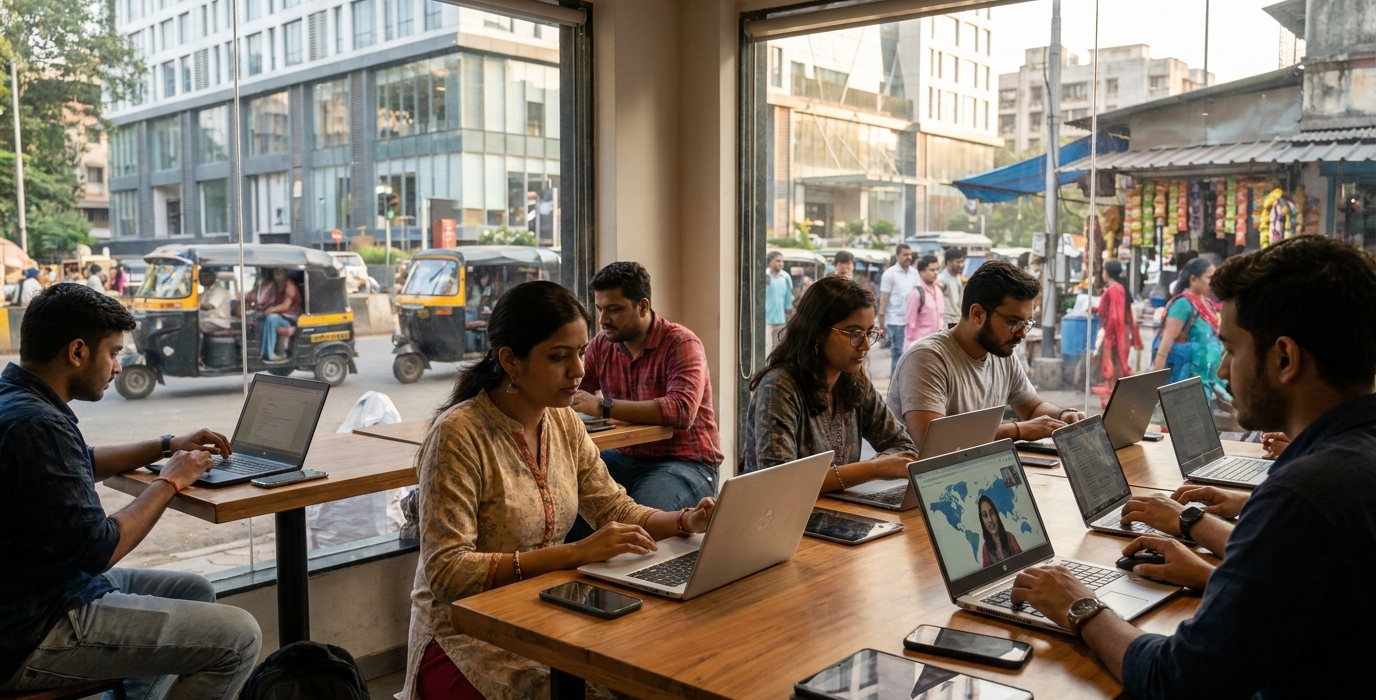
Another common hurdle is the feeling of isolation. Unlike traditional office environments, freelancers often work alone. Actively seeking out co-working spaces, attending industry meetups (online or in-person), and fostering connections with other freelancers can combat this. Networking not only provides social interaction but also leads to valuable referrals and collaborations. Staying motivated and disciplined when you’re your own boss can also be a struggle. Establishing a routine, setting daily goals, and rewarding yourself for achievements are simple yet effective strategies to maintain momentum. The ability to adapt to changing market demands and continuously learn new skills is perhaps the most critical factor for long-term freelance success.
The Importance of a Support System
Having a strong support system is invaluable. This could be fellow freelancers who understand the unique pressures, friends and family who offer encouragement, or professional mentors who provide guidance. Don’t hesitate to reach out for advice or simply to share your experiences. Building a network of peers is not just about finding work; it’s about mutual support and shared learning.
Frequently Asked Questions
How do I find my first freelance clients in India in 2026?
Start by leveraging your existing network. Reach out to former colleagues, friends, and family who might need your services or know someone who does. Create a strong online portfolio showcasing your best work. Actively participate in online freelance platforms like Upwork and Fiverr, and consider niche job boards relevant to your industry. Don’t be afraid to start with smaller projects to build your reputation and gather testimonials.
What are the tax implications for freelancers in India?
As a freelancer, you’re considered self-employed. You’ll need to pay income tax on your earnings. Depending on your income, you might be required to pay advance tax quarterly. You may also need to register for GST if your annual turnover exceeds the prescribed limit. Consulting with a tax professional or chartered accountant is highly recommended to ensure compliance and proper tax planning.
How can I ensure timely payments from clients?
Always establish a clear payment schedule and terms of service before starting any project. This should include details on advance payments, milestone payments, and final payment due dates. Consider using a contract that outlines these terms. For international clients, research currency conversion rates and transfer fees. For domestic clients, reliable payment gateways like Razorpay or PayU can streamline the process.
Is it worth investing in professional development as a freelancer?
Absolutely. The freelance landscape is constantly evolving, and continuous learning is crucial for staying competitive. Investing in courses, workshops, or certifications related to your field, as well as developing new skills (like AI prompt engineering), can significantly enhance your service offerings, command higher rates, and open up new opportunities. Your skills are your primary asset; keeping them sharp is an investment in your future.