Key Takeaways
- The Indian textile industry is embracing sustainability, with a growing demand for eco-friendly fabrics like organic cotton, hemp, and recycled materials.
- Artisan communities are at the forefront of this movement, reviving traditional techniques that are inherently low-impact.
- Brands are increasingly focusing on transparency, ethical labour practices, and circular economy models.
- Consumers are becoming more discerning, seeking certifications and proof of sustainable sourcing when purchasing fashion.
The Greening of Indian Textiles: From Field to Fabric
The vibrant tapestry of Indian fashion is undergoing a profound transformation, weaving sustainability into its very threads. For years, the industry has grappled with environmental challenges, from water-intensive cotton cultivation to chemical dyeing processes. However, 2026 marks a significant turning point, with a palpable shift towards eco-conscious practices gaining momentum across the nation. We’re witnessing a resurgence of interest in indigenous, low-impact materials and a conscious effort to minimise waste throughout the production cycle.
This isn’t just a niche trend; it’s a burgeoning movement driven by both environmental imperative and evolving consumer consciousness. Brands, designers, and artisans alike are recognising the intrinsic value of working in harmony with nature. From the arid fields of Gujarat to the lush hills of the Himalayas, innovative approaches are emerging, promising a future where fashion can be both beautiful and responsible. You’ll find a growing array of options that don’t compromise on style or heritage.
Rediscovering Ancient Wisdom: Natural Dyes and Handloom Revival
One of the most inspiring aspects of this sustainable wave is the deep dive into India’s rich textile heritage. Ancient techniques, long overshadowed by mass production, are being rediscovered and celebrated. Natural dyes, derived from sources like turmeric, indigo, pomegranate rinds, and madder root, are making a spectacular comeback. These vibrant colours, once the hallmark of traditional Indian textiles, are now being embraced by modern designers for their eco-friendly profile and unique aesthetic.
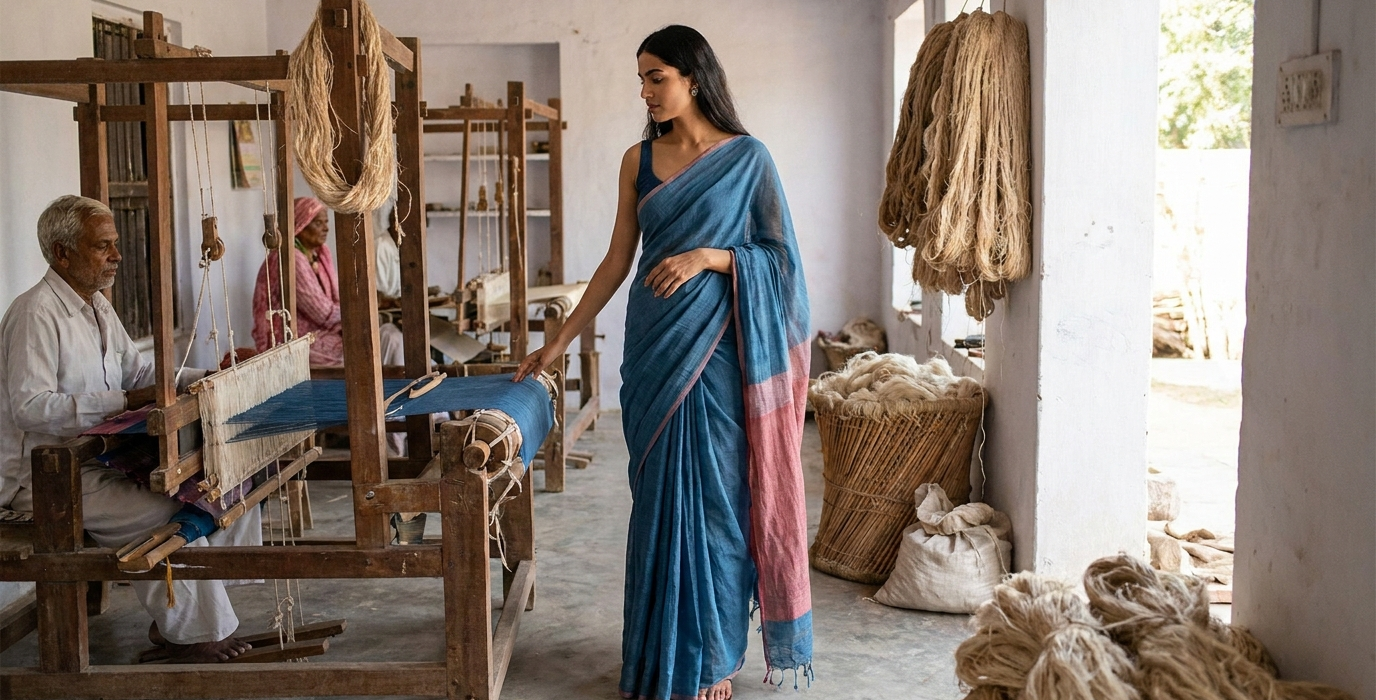
The resurgence of handloom weaving is another critical pillar. The rhythmic clatter of the loom, a sound synonymous with Indian villages, is becoming the soundtrack to ethical fashion. Handloom fabrics require significantly less energy than machine-made textiles, and crucially, they often employ natural fibres and traditional dyeing methods. This revival not only preserves invaluable craft skills but also empowers artisan communities, offering them fair wages and sustainable livelihoods. Consider the intricate Jamdani weaving from Bengal or the exquisite Kanjeevaram silks from Tamil Nadu – these crafts are now being presented with a fresh emphasis on their sustainable origins. We’re seeing artisans collaborating directly with designers, fostering a beautiful exchange of traditional knowledge and contemporary vision.
Beyond Cotton: The Rise of Hemp, Bamboo, and Recycled Materials
While organic cotton continues to be a cornerstone of sustainable Indian fashion, the industry is diversifying its material palette. Hemp, an ancient fibre that requires minimal water and no pesticides to grow, is emerging as a strong contender. Its durability, breathability, and natural resistance to mould make it an excellent choice for apparel. You’ll find hemp being blended with other natural fibres to create fabrics that are both comfortable and eco-friendly, often seen in casual wear and home textiles.
Bamboo, another rapidly renewable resource, is also gaining traction. Its soft texture and moisture-wicking properties make it ideal for clothing, particularly innerwear and activewear. While the processing of bamboo into fabric can sometimes involve chemicals, brands committed to sustainability are opting for more eco-conscious methods like lyocell processing. Furthermore, the concept of a circular economy is taking root. Brands are increasingly incorporating recycled materials, such as polyester derived from plastic bottles or reclaimed cotton from textile waste. This not only reduces landfill burden but also conserves precious resources. We’re also seeing innovative uses of upcycled materials, where discarded fabrics are given a new lease of life through creative design.
Transparency and Traceability: Knowing Your Saree’s Journey
In 2026, consumers are demanding more than just a beautiful garment; they want to know its story. The demand for transparency in the fashion supply chain is at an all-time high. Ethical brands are actively working to provide detailed information about where their materials come from, how they are processed, and under what conditions the garments are made. This includes information about fair labour practices, ensuring that artisans and garment workers receive equitable wages and work in safe environments.
Traceability is becoming a key differentiator. Technologies like blockchain are being explored to create immutable records of a garment’s journey, from the farm to the final stitch. This level of detail allows you to understand the environmental and social impact of your purchase. Look for brands that offer certifications like GOTS (Global Organic Textile Standard) for organic fibres or Fair Trade certifications. These labels provide an independent assurance of sustainable and ethical practices. The shift towards transparency is not just a consumer demand; it’s a fundamental change in how responsible fashion businesses operate.
The Artisan Collective: Empowering Communities Through Craft
The heart of India’s sustainable fashion movement lies within its vibrant artisan communities. For generations, these skilled craftspeople have preserved traditional techniques that are inherently eco-friendly. However, economic challenges and the lure of urbanisation have often threatened these livelihoods. Today, a new wave of conscious brands and social enterprises are working hand-in-hand with these communities, ensuring their skills are not only preserved but also economically viable.
Brands are moving away from exploitative models and embracing fair trade principles. This means ensuring artisans receive fair remuneration, have access to healthcare and education, and are involved in decision-making processes. Collaborations often focus on co-creation, where designers work with artisans to develop new collections that blend traditional aesthetics with contemporary market demands. This ensures that the craft remains relevant and profitable. For example, a collective in Rajasthan might be reviving traditional block printing techniques, while a group in Odisha could be focusing on the intricate Pattachitra motifs woven into textiles. Your purchase directly supports these artisans, fostering economic empowerment and preserving invaluable cultural heritage.
Circular Fashion: Designing for Longevity and End-of-Life
The concept of a “take-make-dispose” linear economy is rapidly becoming obsolete in the fashion world. Instead, the focus is shifting towards a circular model, where products are designed for longevity, repairability, and eventual recycling or composting. This means choosing durable materials, timeless designs that transcend fleeting trends, and encouraging consumers to care for their garments to extend their lifespan.
Brands are exploring various strategies to implement circularity. Some are offering repair services, encouraging customers to bring back worn-out items for mending rather than discarding them. Others are implementing take-back programs, where old garments can be returned for recycling or upcycling. The use of mono-materials – fabrics made from a single fibre type – is also gaining prominence, as this simplifies the recycling process. Imagine a beautifully woven silk saree that can be easily repurposed or recycled at the end of its life, rather than ending up in a landfill. This shift towards circularity is a complex undertaking, but it represents a crucial step towards a truly sustainable fashion industry.
“The future of Indian fashion isn’t about discarding our traditions; it’s about reinterpreting them through a lens of responsibility and respect for the planet and its people.”
Frequently Asked Questions
What are the most common sustainable fabrics used in Indian fashion today?
You’ll find a growing prevalence of organic cotton, which is grown without harmful pesticides and uses less water. Hemp and bamboo are also gaining popularity for their rapid renewability and low environmental impact. Recycled materials, such as polyester from plastic bottles and reclaimed cotton, are increasingly used in contemporary designs.
How can I verify if a brand is truly sustainable?
Look for credible certifications like GOTS (Global Organic Textile Standard) for organic fibres, Fair Trade certifications for ethical labour, and OEKO-TEX for textile safety. Many brands now offer detailed information on their websites about their supply chain and ethical practices. Don’t hesitate to reach out to them with specific questions.
Are sustainable sarees more expensive?
While the initial cost of sustainable garments can sometimes be higher due to ethical labour practices, quality materials, and smaller-scale production, they often represent better value in the long run. Their durability means they last longer, and you’re investing in ethical production and environmental well-being.
What is the role of artisans in India’s sustainable fashion movement?
Artisans are central to this movement. They preserve and revive traditional, low-impact weaving, dyeing, and embellishment techniques. Brands are increasingly collaborating with artisan communities, ensuring fair wages, preserving cultural heritage, and creating unique, handcrafted pieces.
What does “circular fashion” mean in the Indian context?
In India, circular fashion refers to designing garments for longevity, promoting repair and reuse, and implementing take-back programs for recycling or upcycling. It’s about moving away from a disposable mindset towards a system where resources are kept in use for as long as possible, minimising waste and environmental impact.