Key Takeaways
- Urban India faces a rising tide of mental health challenges, often hidden behind the veneer of progress and ambition.
- Stigma remains a significant barrier, preventing many from seeking much-needed professional help.
- A proactive approach, combining self-care, community support, and accessible professional services, is crucial for navigating these challenges.
- The government and private sector are increasing their efforts, but a significant gap in affordable and widespread mental healthcare persists.
The Unseen Burden: Mental Health in India’s Bustling Metros
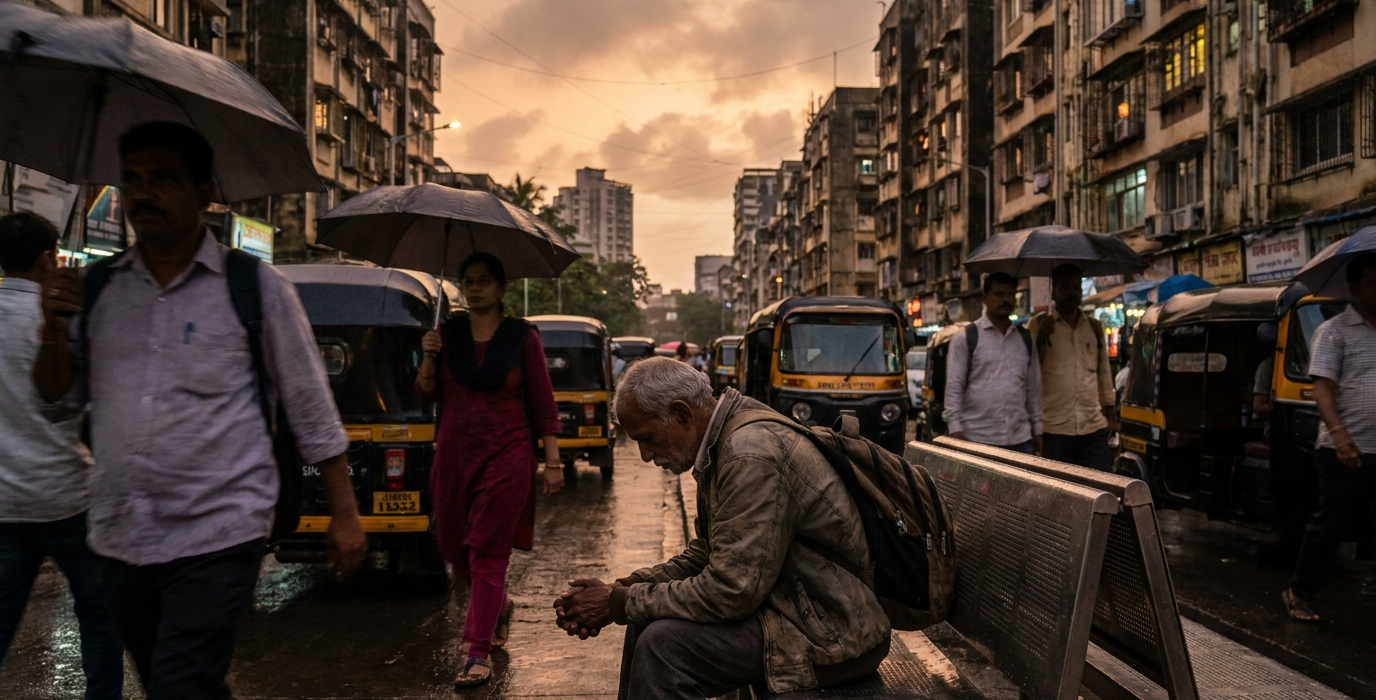
The hum of traffic, the relentless pace of deadlines, the bright lights of commercial hubs – these are the defining characteristics of urban India. Yet, beneath this surface of dynamism and aspiration lies an unseen burden: a growing mental health crisis. As our cities expand and economies boom, the psychological toll on their inhabitants is becoming increasingly apparent, demanding our urgent attention.
From the bustling streets of Mumbai to the tech-centric hubs of Bengaluru, millions navigate daily pressures that can quietly erode their well-being. The constant competition, the financial anxieties, the pressures of balancing work and family life – these are not minor inconveniences; they are significant stressors that can manifest in anxiety, depression, and other mental health conditions. We often celebrate India’s economic prowess, but it’s time we also acknowledged the psychological cost this progress can exact on its people.
The Sharpening Edge of Urban Stress
Life in India’s metros is often a delicate balancing act. Long commutes, demanding work environments, and the sheer cost of living contribute to chronic stress. This constant exposure to stressors can lead to a state of ‘burnout,’ a concept increasingly recognized by mental health professionals. It’s not just about feeling tired; it’s a profound depletion of emotional, physical, and mental resources.
Consider the young professional in Gurugram, working 12-hour days to secure a stable future. Or the homemaker in Kolkata, managing household finances and family expectations amidst rising inflation. Their struggles are real and impactful. The societal expectation to always be ‘on’ and ‘successful’ leaves little room for vulnerability, pushing many to internalize their struggles rather than seek help.
Beyond the Stigma: Understanding the Barriers
One of the most formidable obstacles to mental well-being in urban India is the pervasive stigma surrounding mental health issues. For generations, discussions about mental health have been relegated to hushed tones, often associated with weakness or personal failing. This cultural conditioning makes it incredibly difficult for individuals to admit they are struggling and even harder to seek professional help.
Many fear judgment from family, friends, and colleagues. The thought of being labelled ‘mentally ill’ can be more terrifying than the condition itself. This fear often leads to a cycle of isolation, where individuals suffer in silence, their conditions worsening over time. Breaking down this stigma requires a concerted effort from all of us – in our homes, workplaces, and communities.
The Silent Epidemic: Anxiety and Depression on the Rise
Reports from leading healthcare providers and mental health organizations paint a concerning picture: anxiety and depression are on the rise across India’s urban centers. While official statistics may not always capture the full extent of the problem due to underreporting, the anecdotal evidence and observable trends are undeniable. The pressures of modern urban living are taking a significant toll.
These aren’t just transient feelings of sadness or worry. For many, these conditions become chronic, impacting their ability to function, maintain relationships, and pursue their goals. The relentless pursuit of success, coupled with economic uncertainties and the fast-paced nature of city life, creates a fertile ground for these mental health challenges to flourish. We are witnessing a generation grappling with unprecedented levels of psychological strain.
The Economic Fallout of Unaddressed Mental Health
The impact of mental health challenges extends far beyond individual suffering. It has a tangible economic cost, both for individuals and for the nation. When individuals struggle with anxiety or depression, their productivity at work often suffers, leading to absenteeism and reduced efficiency. This can hinder career progression and financial stability, creating a vicious cycle.
Furthermore, the burden on families can be immense, both emotionally and financially. Untreated mental health conditions can strain relationships and require significant resources for care. On a broader scale, the economic output lost due to mental health issues represents a substantial drain on national resources. Investing in mental health is not just a humanitarian concern; it is an economic imperative.
A Glimmer of Hope: Growing Awareness and Initiatives
Despite the challenges, there is a growing awareness about mental health in urban India. We are seeing more public discourse, increased media coverage, and a greater willingness among younger generations to discuss their feelings openly. This shift in attitude is crucial for dismantling the long-standing stigma.
Numerous non-governmental organizations (NGOs) and community groups are stepping up, offering support services, counseling, and awareness campaigns. Initiatives like helplines, online support forums, and mental health workshops are becoming more accessible. The government is also showing increased commitment, with policies aimed at integrating mental healthcare into primary healthcare systems, though implementation and reach remain key challenges.
Navigating the Labyrinth: Finding Accessible Mental Healthcare
For many in urban India, the biggest hurdle after acknowledging a mental health concern is finding accessible and affordable professional help. The landscape of mental healthcare can feel like a labyrinth, with a shortage of qualified professionals, long waiting lists, and prohibitive costs for many.
While metros boast a higher concentration of psychiatrists, psychologists, and therapists compared to rural areas, the demand often outstrips supply. This scarcity, coupled with the varying fees charged by private practitioners, can make quality mental healthcare a luxury rather than a right for a significant portion of the population. We need to explore solutions that bridge this critical gap.
The Digital Revolution in Mental Support
The digital age has brought about a revolution in how we access information and services, and mental healthcare is no exception. Online therapy platforms and mental health apps are emerging as vital tools, offering a more accessible and often more affordable alternative to traditional in-person consultations. These platforms connect individuals with licensed therapists through video calls, chat, or email.
For those in bustling cities like Chennai or Pune, where time is a precious commodity, the convenience of online therapy is a significant advantage. It eliminates travel time and offers a sense of privacy that some may prefer. However, it’s important to remember that these digital solutions are supplementary and not always a complete replacement for face-to-face interaction, especially in cases of severe mental illness.
Community as a Cornerstone of Well-being
Beyond professional help, the power of community support cannot be overstated. In the densely populated urban environments, fostering a sense of connection and belonging is vital for mental resilience. Support groups, whether for specific conditions like addiction or general mental well-being, provide a safe space for individuals to share their experiences and find solidarity.
These groups, often facilitated by NGOs or local community centers in cities like Ahmedabad or Lucknow, offer a lifeline. Hearing from others who have navigated similar challenges can be incredibly empowering and reduce feelings of isolation. Encouraging these grassroots initiatives is key to building a more supportive urban fabric.
Proactive Steps: Cultivating Mental Resilience in Daily Life
While professional help is essential for diagnosed conditions, we can all take proactive steps to cultivate mental resilience and well-being in our daily lives. These are not just ‘nice-to-haves’; they are fundamental practices for navigating the stresses of modern urban living.
Incorporating simple habits can make a significant difference. This includes prioritizing sleep, engaging in regular physical activity, and practicing mindfulness or meditation. Even dedicating a few minutes each day to quiet reflection or deep breathing can help manage stress levels and improve overall mood. These are accessible strategies that don’t require a significant financial investment.
The Power of a Healthy Lifestyle
Our physical and mental health are intrinsically linked. A balanced diet, rich in fruits, vegetables, and whole grains, plays a crucial role in brain function and mood regulation. Avoiding excessive consumption of processed foods, sugar, and caffeine can help stabilize energy levels and reduce anxiety.
Regular exercise is another cornerstone of good mental health. Physical activity releases endorphins, which have mood-boosting effects. Whether it’s a brisk walk in the Lodi Garden in Delhi, a yoga session in a park in Jaipur, or a game of cricket with friends, finding an activity you enjoy can significantly contribute to your mental well-being. Aiming for at least 150 minutes of moderate-intensity aerobic activity per week is a good guideline.
Mindfulness and Stress Management Techniques
In the constant barrage of urban stimuli, learning to be present can be a revolutionary act. Mindfulness, the practice of focusing on the present moment without judgment, can be a powerful tool for managing stress and anxiety. Simple techniques like mindful breathing exercises or body scans can be practiced anywhere, anytime.
Meditation, even for just 5-10 minutes a day, can help calm the mind and improve focus. There are numerous guided meditation apps and online resources available to help beginners. These practices equip you with the tools to observe your thoughts and emotions without getting overwhelmed by them, fostering a greater sense of inner peace amidst the urban chaos.
The Role of Workplaces and Policy in Mental Health Support
The urban workplace, often a significant source of stress, also holds immense potential for fostering mental well-being. Progressive employers are increasingly recognizing that a mentally healthy workforce is a more productive and engaged workforce. This shift necessitates a move beyond mere compliance and towards genuine investment in employee well-being.
Companies are beginning to implement employee assistance programs (EAPs) that offer confidential counseling services. They are also promoting a culture that encourages open conversations about mental health, reducing the stigma associated with seeking help. This includes providing flexible work arrangements and ensuring reasonable workloads to prevent burnout.
Creating Mentally Healthy Work Environments
Creating a supportive workplace environment goes beyond offering EAPs. It involves fostering a culture of empathy and understanding. Managers need to be trained to recognize signs of distress in their team members and respond with compassion. Open communication channels, where employees feel safe to express their concerns without fear of reprisal, are essential.
One surprising statistic that highlights the impact is the global estimate that for every ₹1 invested in scaled-up treatment for common mental disorders, there is a return of ₹4 in increased productivity. This economic argument is increasingly being used to advocate for better workplace mental health initiatives. Implementing policies that promote work-life balance, provide adequate breaks, and discourage a culture of overwork are crucial steps.
The Government’s Evolving Stance and Future Needs
The Indian government has, in recent years, taken steps to address the mental health crisis. The National Mental Healthcare Act of 2017 was a significant development, aiming to provide mental healthcare services to all persons in need and to protect the rights of persons with mental illness. However, the implementation of these policies often lags behind their formulation.
There is a critical need for increased funding for mental health services, particularly for accessible and affordable care in public hospitals and community health centers. Expanding the cadre of trained mental health professionals, especially in underserved urban areas, is paramount. Furthermore, public awareness campaigns need to be sustained and amplified to continue chipping away at the deeply ingrained stigma.
“The greatest wealth is health, and mental health is its most precious jewel.”
The Path Forward: A Collective Responsibility for Mental Well-being
Addressing the silent crisis of mental health in urban India is not a task for any single entity; it is a collective responsibility. From individuals taking charge of their own well-being to families fostering open communication, workplaces creating supportive environments, and governments implementing effective policies, every stakeholder has a crucial role to play.
The growing awareness is a positive sign, but it must translate into tangible action. We need to move beyond acknowledging the problem to actively implementing solutions. This involves investing in mental health infrastructure, training more professionals, and ensuring that mental healthcare is integrated seamlessly into our healthcare systems and our daily lives.
Empowering Individuals and Communities
Empowering individuals with knowledge about mental health, coping mechanisms, and resources is the first step. This can be achieved through widespread awareness campaigns, educational programs in schools and colleges, and accessible information online. Community-led initiatives, where people support each other, are vital for building resilience and reducing the burden of isolation.
For instance, a community center in a bustling Mumbai chawl could host regular mental health workshops, making them accessible to residents regardless of their socio-economic background. Similarly, in a modern apartment complex in Pune, resident welfare associations could collaborate with mental health professionals to organize talks and support groups. These localized efforts can create a powerful ripple effect.
The Long Road to Destigmatization
Ultimately, the journey towards a mentally healthier urban India is a long one, paved with persistent effort and a commitment to empathy. We must continue to challenge the stigma, encourage open conversations, and advocate for accessible and equitable mental healthcare for all. The well-being of our cities and their inhabitants depends on our willingness to confront this unseen crisis head-on.
The surprising fact is that studies have shown that countries with higher levels of social trust and community engagement tend to have lower reported rates of mental illness. This underscores the importance of nurturing our social connections in our increasingly individualistic urban environments. Let us foster a culture where seeking help is seen as a sign of strength, not weakness, and where mental well-being is prioritized as highly as physical health.
Frequently Asked Questions
Where can I find affordable mental health support in Indian cities?
Look for government-run hospitals with psychiatric departments, NGOs offering subsidized counseling services (e.g., Vandrevala Foundation, Sangath), and explore online therapy platforms that often have more competitive pricing than traditional clinics. Many cities also have community mental health centers.
How can I help a friend or family member who is struggling with their mental health?
Listen without judgment, offer your support, and encourage them to seek professional help. Educate yourself about their condition, offer practical assistance (like accompanying them to appointments), and remind them they are not alone. Avoid giving unsolicited advice and focus on being present and empathetic.
What are the signs that someone might be experiencing a mental health crisis?
Changes in mood (persistent sadness, irritability), withdrawal from social activities, significant changes in sleep or appetite, loss of interest in hobbies, difficulty concentrating, increased substance use, and expressions of hopelessness or suicidal thoughts are all potential signs. It’s important to take any mention of self-harm seriously.
How can I build resilience against stress in a fast-paced urban environment?
Prioritize self-care: ensure adequate sleep, maintain a balanced diet, and engage in regular physical activity. Practice mindfulness or meditation daily, set realistic goals, learn to say no to commitments that overextend you, and foster strong social connections with friends and family. Developing healthy coping mechanisms for stress is key.