Key Takeaways
- India’s mental wellness landscape is rapidly evolving with significant government and private sector investment in 2026.
- New digital platforms and AI-driven tools are enhancing accessibility to mental healthcare across urban and rural India.
- Community-based initiatives are crucial, focusing on destigmatisation and early intervention, particularly among youth.
- The integration of mental health into primary healthcare is a major focus, making support more readily available.
The Dawn of a New Era in Indian Mental Healthcare
As we navigate the complexities of 2026, India stands at a pivotal moment in its approach to mental wellness. For too long, mental health has been a whispered concern, shrouded in stigma and often relegated to the shadows. This year, however, marks a significant departure, with a concerted, multi-pronged effort from both the government and private sectors to bring mental healthcare into the light. We are witnessing an unprecedented surge in funding, innovative program development, and a palpable shift in societal attitudes.
This transformation is not a singular event but a culmination of years of advocacy, growing awareness, and a recognition that mental well-being is as critical as physical health. The sheer scale of initiatives launched in 2026 is impressive, aiming to reach every corner of the nation, from bustling metropolises like Mumbai and Delhi to the remotest villages in Rajasthan and Assam. We are talking about a national commitment that promises to reshape how mental health is perceived, accessed, and managed.
The focus is broad, encompassing prevention, early intervention, treatment, and long-term support. It’s about creating a robust ecosystem where individuals feel empowered to seek help without fear of judgment. This expansive vision is what makes the current wave of mental wellness efforts particularly impactful. We are moving beyond token gestures towards systemic change.
Digital Frontiers: AI and Apps Revolutionising Access
One of the most exciting developments in 2026 is the significant leap in digital solutions for mental healthcare. Recognizing the vast geographical challenges and the need for scalable solutions, both government bodies and private startups are heavily investing in technology. This isn’t just about basic online counselling anymore; we’re seeing sophisticated AI-powered platforms and mobile applications designed to offer personalized support.
These digital tools are designed to be incredibly user-friendly, often available in multiple Indian languages. Think of apps that can conduct initial screenings, offer guided meditation and mindfulness exercises, and even provide chatbot support for immediate emotional regulation techniques. For many in remote areas, these platforms are the first, and sometimes only, point of access to mental health resources. The government’s National Digital Health Mission is increasingly incorporating mental health modules, ensuring these digital services are integrated and verifiable.
Furthermore, AI is playing a crucial role in early detection and predictive analysis. By analysing patterns in user interactions and self-reported data (with strict privacy protocols, of course), these systems can flag individuals who might be at risk of developing more severe mental health conditions. This proactive approach allows for timely intervention, potentially preventing crises before they escalate. The National Institute of Mental Health and Neurosciences (NIMHANS) in Bengaluru is actively collaborating on research to refine these AI algorithms for the Indian demographic.
Surprising Fact: AI-driven language models are now being trained on regional dialects of Hindi and Tamil to provide more culturally nuanced chatbot support.
The e-Sanjeevani platform, already a success in telemedicine, is now being expanded to include dedicated mental health consultations with specialists, connecting patients in Tier-2 and Tier-3 cities with psychiatrists and psychologists in major urban centres. This bypasses the geographical barriers that have long plagued healthcare access in India.
Community Crusaders: Destigmatisation and Grassroots Support
While technology offers reach, the heart of India’s mental wellness revolution in 2026 lies in its communities. Extensive efforts are underway to demolish the stigma that has historically prevented individuals from speaking openly about their mental health struggles. This is being achieved through a multi-pronged approach involving public awareness campaigns, educational programs in schools and colleges, and the empowerment of local community leaders.
The Ministry of Health and Family Welfare, in conjunction with NGOs like the Active Health Foundation of India, is spearheading nationwide campaigns featuring relatable stories and testimonials from individuals who have successfully navigated mental health challenges. These campaigns are broadcast on Doordarshan and popular regional television channels, reaching millions. They aim to normalise conversations around anxiety, depression, and stress, framing them as health issues that can be treated, rather than character flaws.
Schools and universities are becoming key battlegrounds for this destigmatisation. Initiatives like ‘Mindful Mondays’ and peer support groups are becoming commonplace in institutions across cities like Pune and Hyderabad. These programs not only educate students about mental health but also equip them with coping mechanisms and encourage them to look out for one another. The aim is to foster an environment where asking for help is seen as a sign of strength, not weakness.
Surprising Fact: A pilot program in rural Gujarat is training local Anganwadi workers to conduct basic mental health first-aid, identifying distress signals in women and children.
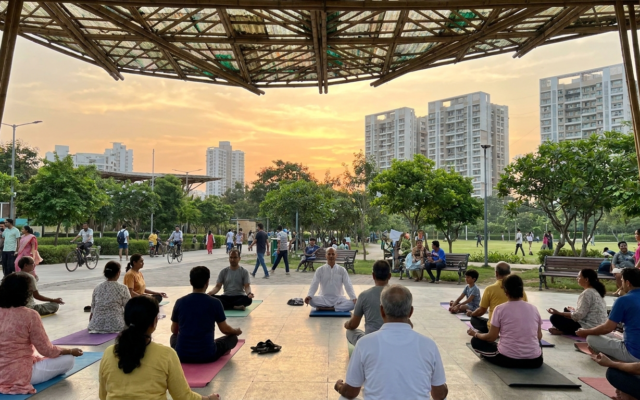
Local community centres and Panchayats are also being mobilised. They are becoming hubs for mental health awareness workshops, providing safe spaces for people to gather, share experiences, and learn about available resources. This grassroots approach ensures that support systems are embedded within the fabric of daily life, making mental healthcare accessible and culturally relevant.
“We are not just building clinics; we are building a culture of care, one conversation at a time.” – Dr. Anjali Sharma, Director, National Mental Health Authority.
Integrating Minds: Mental Health in Primary Healthcare
A landmark shift in 2026 is the systematic integration of mental health services into primary healthcare. For years, mental health was often seen as a separate specialty, accessible only through dedicated psychiatric hospitals or private clinics, which were often expensive and geographically inconvenient. This approach is now being dismantled with the goal of making mental health support as routine as a general health check-up.
The Ayushman Bharat Health and Wellness Centres are at the forefront of this integration. These centres, spread across the country, are now being equipped with trained personnel capable of conducting basic mental health screenings, offering counselling for common issues like stress and mild anxiety, and providing referrals to specialists when needed. This means that a person visiting their local health centre for a fever might also have their mental well-being assessed, catching potential issues early.
This integration is also about training general physicians and nurses to identify signs of mental distress and to manage common mental health conditions. They are being educated on how to have sensitive conversations with patients about their mental health, prescribe basic medications where appropriate, and connect individuals with community-based support networks. This is crucial for reducing the burden on specialist mental health professionals and ensuring that a wider population receives timely care.
The District Mental Health Programmes (DMHPs) are being revitalised and expanded, with a strong emphasis on making them a seamless part of the district healthcare machinery. This ensures that secondary and tertiary care services are readily available and well-coordinated with primary care providers. We are moving towards a truly holistic approach to health, where the mind and body are treated as interconnected.
Investment and Innovation: Public-Private Partnerships Flourish
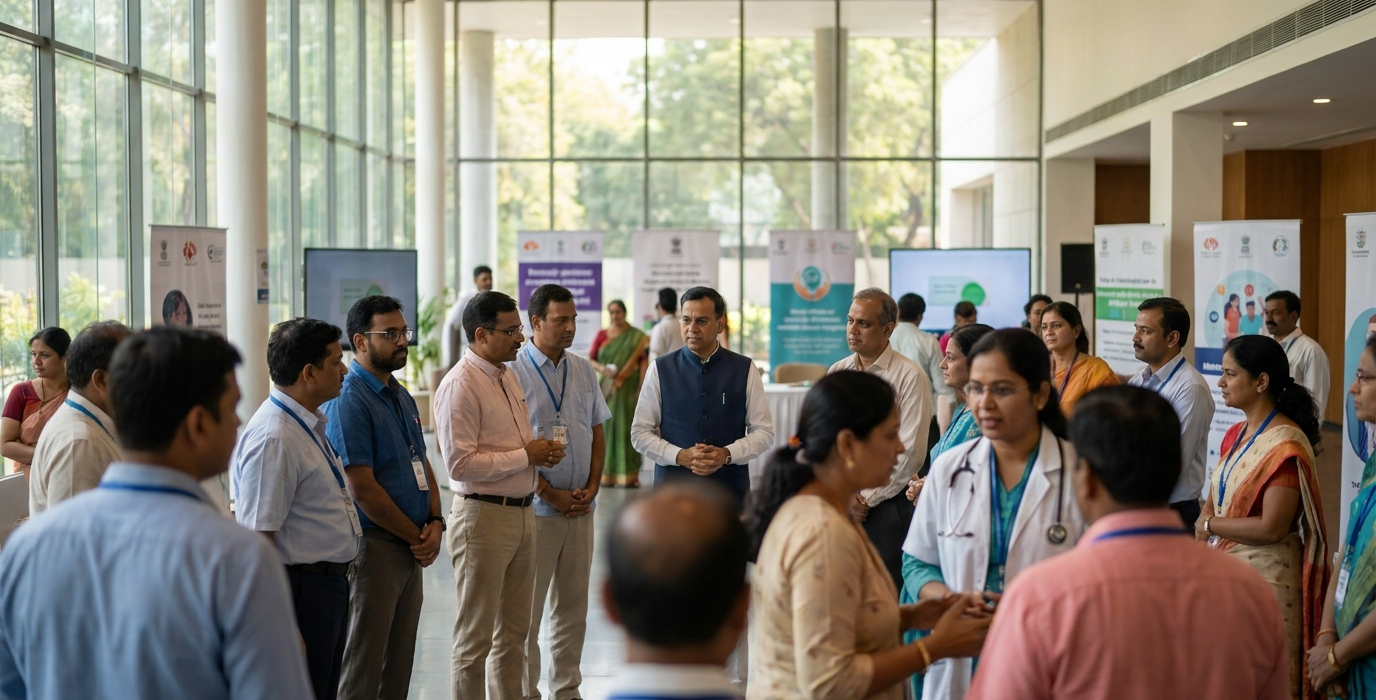
The scale of the mental wellness push in 2026 is significantly amplified by robust public-private partnerships (PPPs). The Indian government has recognised that it cannot tackle the complexity of mental health alone and has actively encouraged private sector participation through funding, technological expertise, and innovative service delivery models. This collaboration is proving to be a powerful catalyst for change.
The National Health Innovation Fund (NHIF) has allocated significant grants to startups and established companies developing novel mental health solutions. These include ventures focused on accessible therapy, digital diagnostics, and specialized care for underserved populations. Companies like InnerSpace Tech from Bengaluru, which develops AI-driven mental wellness platforms for corporate employees, have seen substantial growth and investment. Similarly, Mindful India from Chennai has expanded its network of community mental health centres supported by government grants.
Beyond direct funding, private entities are contributing through Corporate Social Responsibility (CSR) initiatives. Many large Indian corporations are now adopting mental health programs as a core CSR focus, sponsoring awareness drives, funding research, and providing employee assistance programs (EAPs) that extend to their families. This corporate buy-in is essential for creating a supportive environment both within workplaces and in the broader society.
Comparison of Key PPP Mental Health Initiatives Launched in 2026
| Initiative Name | Lead Organisation(s) | Primary Focus | Target Audience | Key Features |
|---|---|---|---|---|
| Digital Wellbeing Hub | Ministry of Electronics & IT, InnerSpace Tech | AI-powered digital mental health support | General public, youth | Chatbots, mood tracking, guided exercises, referral services |
| Community Care Connect | National Health Mission, Active Health Foundation | Grassroots destigmatisation & early intervention | Rural and semi-urban populations | Awareness workshops, trained community volunteers, local support groups |
| Workplace Resilience Program | FICCI, Various Corporates, Mindful India | Employee mental well-being and stress management | Corporate employees | EAPs, mental health first aid training, on-site counselling |
This synergistic approach ensures that innovation is not stifled and that cutting-edge solutions can be rapidly deployed. The government provides the regulatory framework and the public health mandate, while the private sector brings agility, technological prowess, and a different set of problem-solving perspectives.
Looking Ahead: Sustaining the Momentum for 2027 and Beyond
As we reflect on the transformative year of 2026 for mental wellness in India, it’s crucial to consider how this momentum will be sustained. The initiatives launched are ambitious, and their success hinges on long-term commitment, continuous evaluation, and adaptation. The goal is not just to address the current mental health crisis but to build a resilient and supportive system for generations to come.
One of the key challenges will be ensuring equitable access across all socio-economic strata and geographical regions. While digital solutions offer broad reach, affordability and digital literacy remain barriers for some. Further investment in offline community-based programs and subsidised access to digital tools will be paramount. The government’s commitment to extending the reach of Ayushman Bharat and other public health schemes to remote areas will be critical.
Data collection and rigorous evaluation will also be vital. We need to track the effectiveness of various interventions, identify what works best in different contexts, and be prepared to pivot our strategies. This requires robust data infrastructure and a commitment to evidence-based policymaking. The National Mental Health Survey 2026-27, currently underway, is expected to provide invaluable insights.
Furthermore, the continuous training and upskilling of healthcare professionals – from psychiatrists and psychologists to primary healthcare workers and community volunteers – must remain a priority. The evolving nature of mental health challenges and therapeutic approaches requires a commitment to lifelong learning. We must also continue to foster research into indigenous mental health practices and their integration with modern therapeutic modalities. The journey is far from over, but the foundation laid in 2026 offers immense hope for a mentally healthier India.
Frequently Asked Questions
What are the most significant government initiatives for mental health in India in 2026?
The key government initiatives include the expansion of the Ayushman Bharat Health and Wellness Centres to integrate mental health services, the revitalisation of District Mental Health Programmes, and the launch of the National Digital Health Mission’s mental health modules, alongside nationwide destigmatisation campaigns.
How are private companies contributing to mental wellness in India?
Private companies are actively involved through significant investments in mental health startups, offering Corporate Social Responsibility (CSR) programs focused on mental well-being, and providing employee assistance programs (EAPs) that include mental health support.
Are there any new digital tools available for mental health support in India?
Yes, 2026 has seen a surge in AI-powered digital platforms and mobile applications offering services like chatbots, guided mindfulness exercises, mood tracking, and remote consultations, often available in multiple Indian languages.
What is being done to reduce the stigma surrounding mental health in India?
Efforts to reduce stigma include national public awareness campaigns featuring personal testimonials, educational programs in schools and colleges, the establishment of peer support groups, and the training of community leaders and healthcare workers to foster open conversations about mental health.
How can I access mental health support in my local area?
You can start by visiting your nearest Ayushman Bharat Health and Wellness Centre for initial assessment and referrals. Local community centres and Panchayats may also offer awareness programs. For digital support, explore government-approved apps and platforms accessible via the National Digital Health Mission portal.