Key Takeaways
- The landscape of Bollywood in 2026 is defined by a new guard of actors and directors who are steering the industry towards more diverse storytelling.
- Social media influence is no longer peripheral; it’s a core component of a star’s brand and a direct channel for audience engagement.
- Regional cinema’s growing dominance, particularly from the South, is forcing Bollywood to adapt its content and marketing strategies.
- Technological advancements, from AI in pre-production to immersive viewing experiences, are shaping how films are made and consumed.
The New Reign: Emerging Stars Defining 2026 Bollywood
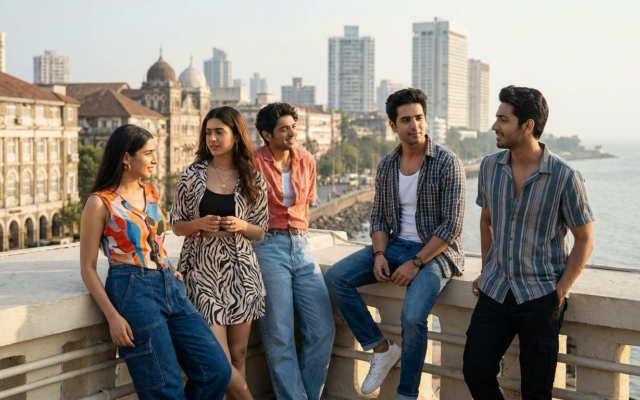
The year 2026 marks a significant inflection point for the Hindi film industry, often referred to as Bollywood. We’re witnessing a palpable shift in power, with a new generation of talent stepping into the spotlight, challenging established norms and redefining stardom. Gone are the days when box office numbers alone dictated celebrity status. Today’s stars are multi-faceted, leveraging digital platforms and engaging directly with their audiences in ways previously unimagined.
Consider the meteoric rise of actors like Adarsh Gaur, whose nuanced performances in critically acclaimed dramas have garnered him a fervent online following. Gaur, who debuted just three years ago, embodies the modern Bollywood actor: socially conscious, digitally savvy, and unafraid to take on unconventional roles. He’s not just an actor; he’s a brand ambassador for a more authentic cinematic experience. Similarly, Riya Sharma, a powerhouse performer who burst onto the scene with a gritty portrayal of a rural woman fighting for justice, has quickly become a symbol of female empowerment on screen. Her ability to connect with audiences on an emotional level transcends typical commercial appeal.
This new guard isn’t just about individual talent; it’s about a collective push for diverse narratives. Directors are experimenting with genres, exploring stories that resonate with the complexities of modern Indian society, from urban anxieties to the enduring pull of tradition. The days of formulaic romances and action flicks are being challenged by films that delve into social issues, explore regional nuances, and offer fresh perspectives. This evolution is crucial for Bollywood’s sustained relevance, both domestically and on the global stage. We are moving beyond mere entertainment to offer compelling, thought-provoking cinema that reflects the India of today and tomorrow.
The Director’s New Canvas
The directors behind these evolving narratives are equally instrumental. Figures like Ananya Roy, whose recent neo-noir thriller set in the bustling markets of Chandni Chowk, Delhi, has been lauded for its innovative storytelling and visual flair, are setting new benchmarks. Roy’s ability to blend commercial sensibilities with artistic integrity has made her a sought-after name, attracting both established and emerging talent. Her success is a testament to the industry’s growing appetite for creative risks.
Another notable mention is Vikram Singh, who has carved a niche for himself with his socially relevant dramas, often tackling themes of caste discrimination and economic disparity. His film “Maati Ka Sapna” (Dream of the Soil), set in the heartland of Uttar Pradesh, became a sleeper hit in 2025, proving that impactful stories, irrespective of their star cast, can find a massive audience. These directors aren’t just helming films; they are curating experiences that linger long after the credits roll. Their influence is undeniable in shaping the very identity of 2026 Bollywood.
The Social Media Nexus: Stardom in the Digital Age
In 2026, a star’s popularity is inextricably linked to their digital footprint. The days of relying solely on film promotions and magazine covers are long gone. Today’s leading actors understand the power of direct engagement, using social media platforms not just to promote their work, but to build genuine connections with their fanbase. This shift has democratized celebrity, allowing audiences to feel closer to their idols and, in turn, fostering a deeper sense of loyalty.
Adarsh Gaur, for instance, maintains an active presence on platforms like X (formerly Twitter) and Instagram, often sharing behind-the-scenes glimpses of his projects, engaging in Q&A sessions, and even participating in trending social causes. This level of transparency and accessibility has solidified his connection with fans, making them feel like active participants in his journey. He doesn’t just act; he lives his professional life in the public eye, sharing his thoughts, his struggles, and his triumphs. This is a far cry from the reclusive mystique of earlier eras.
Similarly, Riya Sharma has masterfully used her social media to champion causes close to her heart, from environmental awareness to women’s education. Her online activism translates into offline support, creating a powerful synergy between her public persona and her influence. This isn’t just about accumulating likes and followers; it’s about leveraging that reach to create tangible impact. The ability to mobilize public opinion and drive conversations makes these stars invaluable assets, not just to the film industry, but to society at large. We see this as a permanent fixture in how stardom is built and maintained going forward.
Beyond the Reel: Influencer-Actors
A surprising trend we’re observing is the rise of individuals who have transitioned from being social media influencers to full-fledged actors. These “influencer-actors” bring with them a pre-existing, highly engaged audience, which studios are keen to tap into. While their acting prowess is still evolving, their ability to connect with Gen Z and millennial viewers is undeniable. They understand the language of online trends and viral content, translating that into effective film marketing.
One such example is Kabir Khan, who gained initial fame for his comedic skits on YouTube and has now landed lead roles in several upcoming Bollywood productions. His online persona, characterized by relatable humor and a down-to-earth attitude, has successfully translated to the silver screen, attracting a younger demographic that might otherwise be less inclined to watch traditional Bollywood fare. This cross-pollination of talent is a fascinating development that will continue to shape casting decisions and audience engagement strategies.
The Southern Surge: Bollywood’s Regional Adaptation
The undeniable dominance of South Indian cinema, particularly from industries like Tamil, Telugu, and Kannada, has forced Bollywood to re-evaluate its strategies. Films like “Leo” (2023 release, but its influence lingers) and “Jawan” (2023 release) proved that pan-Indian appeal isn’t confined to Hindi films. These movies, often characterized by high-octane action, strong emotional cores, and meticulous visual craftsmanship, have resonated with audiences across the country, including those in the Hindi-speaking belt.
This Southern surge has had a profound impact on Bollywood’s content creation. We are seeing an increased willingness to explore more complex, larger-than-life narratives that were once the exclusive domain of regional blockbusters. Furthermore, Bollywood filmmakers are actively collaborating with South Indian directors, technicians, and even actors, recognizing the value of their expertise and their proven ability to deliver pan-Indian hits. This cross-pollination of talent and ideas is enriching the Indian film landscape as a whole.
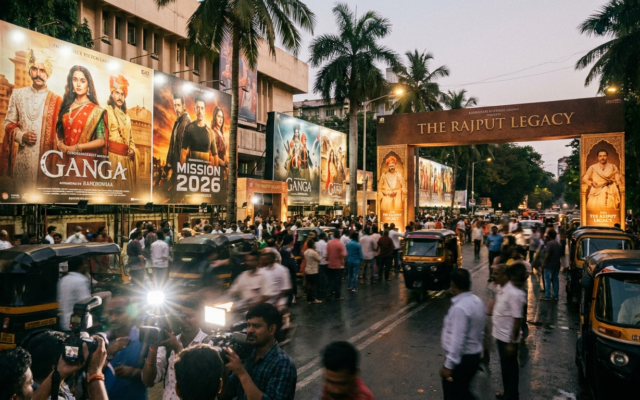
Bollywood is also adapting its marketing approaches, adopting the “release it everywhere” strategy that has proven so successful for Southern films. This means simultaneous releases across multiple languages, with aggressive promotional campaigns targeting diverse regional audiences. The traditional notion of Bollywood as the sole epicenter of Indian cinema is being challenged, and rightly so. This is fostering a more competitive and creative environment, pushing all industries to elevate their game. The days of a single, monolithic Bollywood are over; we are now in an era of interconnected, pan-Indian entertainment.
A Tale of Two Industries
It’s fascinating to observe the subtle yet significant differences in how these industries operate. While Bollywood has historically relied on star power and grand musical numbers, South Indian cinema has often prioritized strong storytelling and technical excellence. This isn’t to say one is inherently superior, but rather that their distinct approaches have led to different kinds of successes. Bollywood’s 2026 resurgence lies in its ability to learn from these successes and integrate them into its own unique framework.
For example, the meticulous attention to detail in action choreography seen in films like “KGF” (released earlier) has inspired Bollywood filmmakers to invest more in this aspect. Similarly, the way South Indian films build character arcs and emotional investment, even in action-packed narratives, is something Bollywood is increasingly emulating. We are witnessing a beautiful fusion, where the strengths of each industry are being recognized and incorporated, creating a richer tapestry of Indian cinema for audiences everywhere.
Technological Integration: The Future of Filmmaking and Viewing
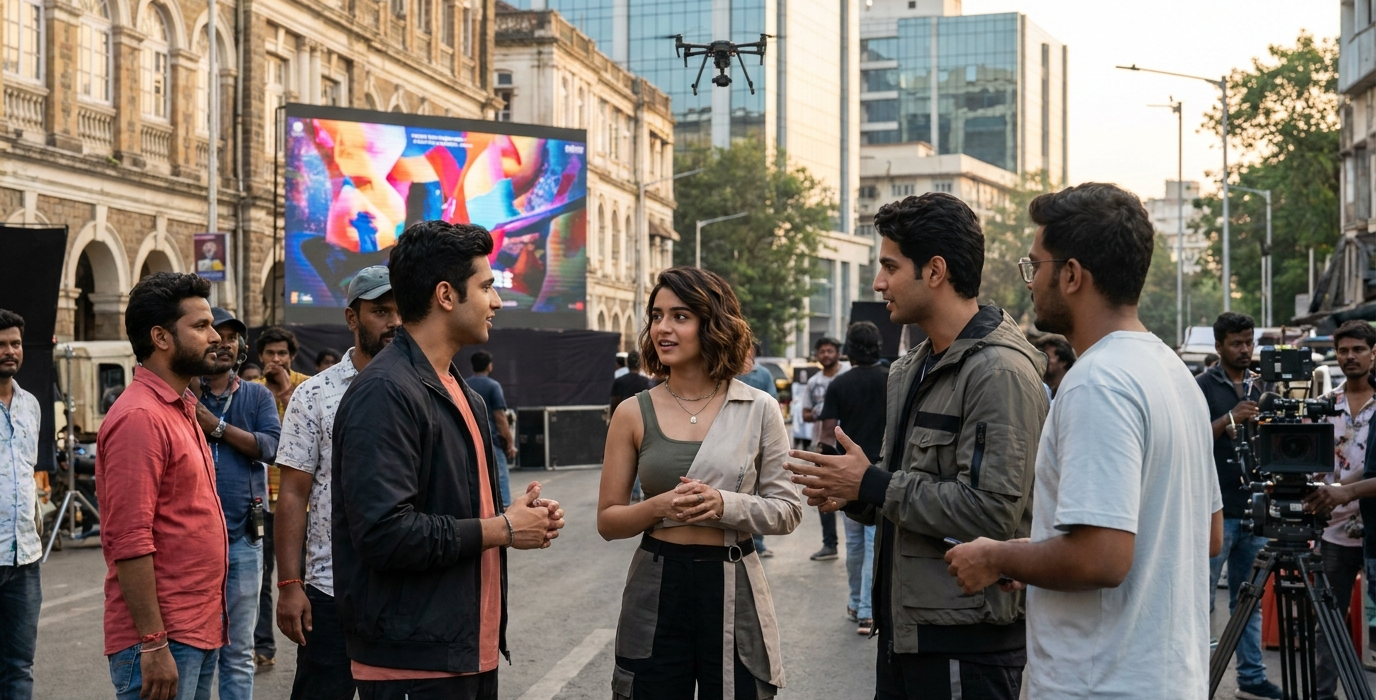
The year 2026 is a landmark year for technological integration in Bollywood. Artificial intelligence (AI) is no longer a futuristic concept; it’s actively being used in pre-production for script analysis, character development, and even generating preliminary storyboards. This allows filmmakers to refine their ideas more efficiently, saving time and resources. The promise of AI lies in its ability to augment human creativity, not replace it.
Beyond production, technology is revolutionizing how we consume cinema. Immersive viewing experiences, such as advanced VR and AR integrations, are slowly gaining traction. While not yet mainstream, these technologies offer a glimpse into a future where audiences can step inside the film’s world, enhancing engagement and emotional connection. Imagine attending a virtual premiere of a new film and interacting with the stars in a digital space – this is rapidly becoming a reality.
Furthermore, streaming platforms continue to play a pivotal role, offering wider accessibility and catering to niche audiences. The data analytics provided by these platforms are invaluable for understanding audience preferences, influencing content creation and marketing strategies. Bollywood studios are now more data-driven than ever, using insights from viewing patterns to identify trends and develop projects with higher commercial potential. This data-informed approach, combined with cutting-edge technology, is shaping the very fabric of filmmaking.
AI in Action: A Surprising Application
One of the most surprising applications of AI we’ve encountered is its use in digital preservation and restoration of classic Indian films. Many iconic films from the golden age of Bollywood are at risk of deteriorating due to age and improper storage. AI algorithms are now being employed to meticulously restore these films, colorizing them, cleaning up audio, and even subtly enhancing visual quality, making them accessible to new generations without compromising their original artistic intent. This technological intervention is proving invaluable for safeguarding India’s rich cinematic heritage.
Another area where AI is making inroads is in personalized content recommendations on streaming platforms. Beyond simply suggesting similar genres, AI is now capable of analyzing a user’s mood and even their social media activity to recommend films that are most likely to resonate with them at a particular moment. This sophisticated personalization is key to retaining subscriber engagement in an increasingly crowded digital landscape.
“Bollywood in 2026 is no longer just about the stars on screen; it’s about the vast, interconnected ecosystem of creators, technologists, and digital communities that bring these stories to life and connect them directly with a global audience.”
The Evolving Audience: Demands and Expectations in 2026
The Indian audience in 2026 is more informed, more discerning, and more globally aware than ever before. Social media, coupled with increased access to international cinema and diverse content on streaming platforms, has broadened their horizons. They are no longer satisfied with predictable plots and recycled tropes. There’s a clear demand for authenticity, relatable characters, and narratives that reflect their lived experiences.
This shift is evident in the success of films that tackle complex social issues or offer fresh perspectives on established themes. Audiences are actively seeking out movies that spark conversations and challenge conventional thinking. They are also more vocal about their opinions, using social media to express their likes and dislikes, which in turn influences future content creation. The power dynamic has undeniably shifted, with the audience playing a much more active role in shaping the industry.
Furthermore, the rise of regional cinema has accustomed audiences to high-quality production values and strong technical execution, regardless of the language. This has raised the bar for Bollywood, compelling it to invest more in cinematography, sound design, and visual effects. The expectation is no longer just for a good story, but for a complete cinematic experience. We are seeing a generation that appreciates quality and substance, pushing the industry towards greater artistic and technical excellence.
The Rise of the “Conscious Consumer”
A significant segment of the 2026 audience can be classified as “conscious consumers.” They are not just watching films for entertainment; they are looking for films that align with their values and beliefs. This means stories that promote inclusivity, social justice, and environmental awareness are likely to find a receptive audience. Studios that ignore these evolving ethical considerations risk alienating a growing demographic.
This conscious consumption extends to the careers of the stars themselves. Audiences are increasingly aware of an actor’s public statements, their philanthropic efforts, and their general demeanor off-screen. A star’s brand is now a holistic entity, encompassing their on-screen persona and their off-screen conduct. This interconnectedness means that positive endorsements and genuine societal contributions can significantly boost an actor’s popularity, while missteps can lead to rapid decline.
Global Ambitions and the Future of Pan-Indian Cinema
Bollywood’s ambitions in 2026 extend far beyond domestic borders. The success of films like “RRR” (2022 release, but its global impact continues to be felt) and the growing popularity of Indian web series on international streaming platforms have demonstrated the global appeal of Indian storytelling. The industry is actively pursuing a “pan-Indian” identity, aiming to create content that resonates with audiences worldwide.
This involves a more strategic approach to filmmaking, with an emphasis on universal themes, diverse casting, and high production values that can compete on a global scale. Collaboration with international talent, both in front of and behind the camera, is becoming more common. We’re seeing an increasing number of joint ventures and co-productions, facilitating the exchange of ideas and expertise. The goal is to create films that are distinctly Indian in their essence but universally relatable in their appeal.
The concept of “Bollywood” itself is expanding, encompassing a broader spectrum of Indian cinema. The lines between Bollywood, Tollywood, Kollywood, and other regional industries are blurring, as talented individuals and compelling stories transcend geographical boundaries. This convergence is leading to a richer, more diverse cinematic landscape for audiences everywhere. The future is not about one industry dominating, but about a collective celebration of Indian storytelling in all its glorious forms.
The Marathi Cinema Phenomenon: A Case Study
A particularly noteworthy development is the sustained success of Marathi cinema, which has consistently delivered critically acclaimed and commercially viable films in recent years. While not traditionally considered “Bollywood,” its artistic achievements and growing audience base are undeniable. Films like “Vaalvi” (2023 release) and “Baipan Bhaari Deva” (2023 release) have garnered national attention for their strong narratives and relatable characters, proving that compelling cinema can emerge from any corner of India. This success serves as a powerful reminder to the wider Indian film industry about the importance of investing in diverse regional talent and stories.
Frequently Asked Questions
What are the biggest changes in Bollywood in 2026 compared to previous years?
In 2026, Bollywood is characterized by a new generation of stars, a greater emphasis on diverse and socially relevant narratives, and a profound integration of social media into stardom and audience engagement. Regional cinema’s influence is also a significant factor driving change.
How is social media affecting the careers of Bollywood actors in 2026?
Social media is crucial for building fan loyalty, direct engagement, and personal branding. Actors use it to promote their work, champion causes, and maintain a constant connection with their audience, making it an integral part of their career strategy.
Is South Indian cinema still impacting Bollywood in 2026?
Yes, the influence of South Indian cinema remains significant. Bollywood continues to adapt by exploring similar grand narratives, collaborating with South Indian talent, and adopting their pan-Indian release and marketing strategies.
What role does technology, like AI, play in Bollywood’s current landscape?
AI is used in pre-production for script analysis and storyboarding, while advanced viewing technologies like VR/AR are emerging. Streaming platforms leverage data analytics, and AI is also crucial for preserving classic films and personalizing content recommendations.
Are audiences in 2026 looking for different types of films than before?
Yes, audiences are demanding more authentic, relatable, and value-driven content. They are more informed and seek films that spark conversations, promote inclusivity, and offer high production quality, reflecting a more conscious and globally aware viewership.