Key Takeaways
- By August 2026, Mumbai’s Coastal Road will significantly slash commute times, particularly for residents in South Mumbai and suburbs like Bandra and Versova.
- Expect faster access to key business districts and a potential reduction in the strain on existing arterial roads.
- The project’s impact extends beyond traffic, influencing property values and encouraging new development patterns.
- While the benefits are substantial, understanding phased opening, potential tolling, and integration with public transport is crucial for maximising its utility.
Navigating the Future: Mumbai’s Coastal Road Takes Shape
Mumbai, a city perpetually in motion, is on the cusp of a monumental shift in its daily rhythm. By August 2026, the much-anticipated Coastal Road, a colossal infrastructure project, is set to redefine commuting for millions. This ambitious undertaking, stretching along the western coastline, promises to untangle choked arteries and usher in an era of smoother, faster travel. For residents of South Mumbai and the sprawling suburbs stretching from Bandra to Versova, the impact will be profound. Imagine cutting down a journey that once took an hour or more to mere minutes.
The Coastal Road isn’t just about alleviating traffic congestion; it’s about reclaiming precious time. This lost time, often spent stuck in gridlock, can now be reinvested in family, work, or leisure. The engineering marvel, comprising multiple bridges, tunnels, and elevated sections, is designed to handle the city’s relentless vehicular flow with unprecedented efficiency. As we approach its full operational phase, the buzz is palpable, with citizens eagerly awaiting the day they can experience this transformative infrastructure firsthand.
Bridging Gaps: The Engineering Prowess and Phased Rollout
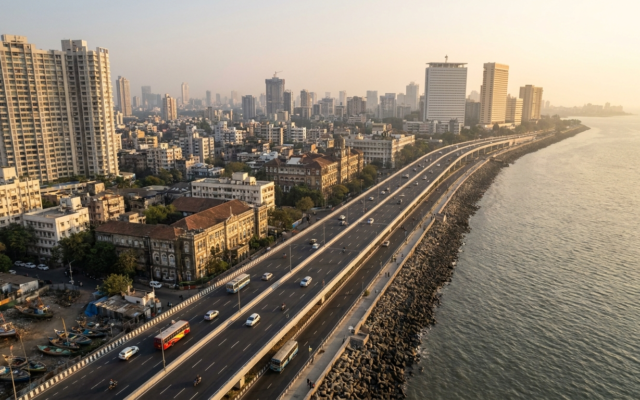
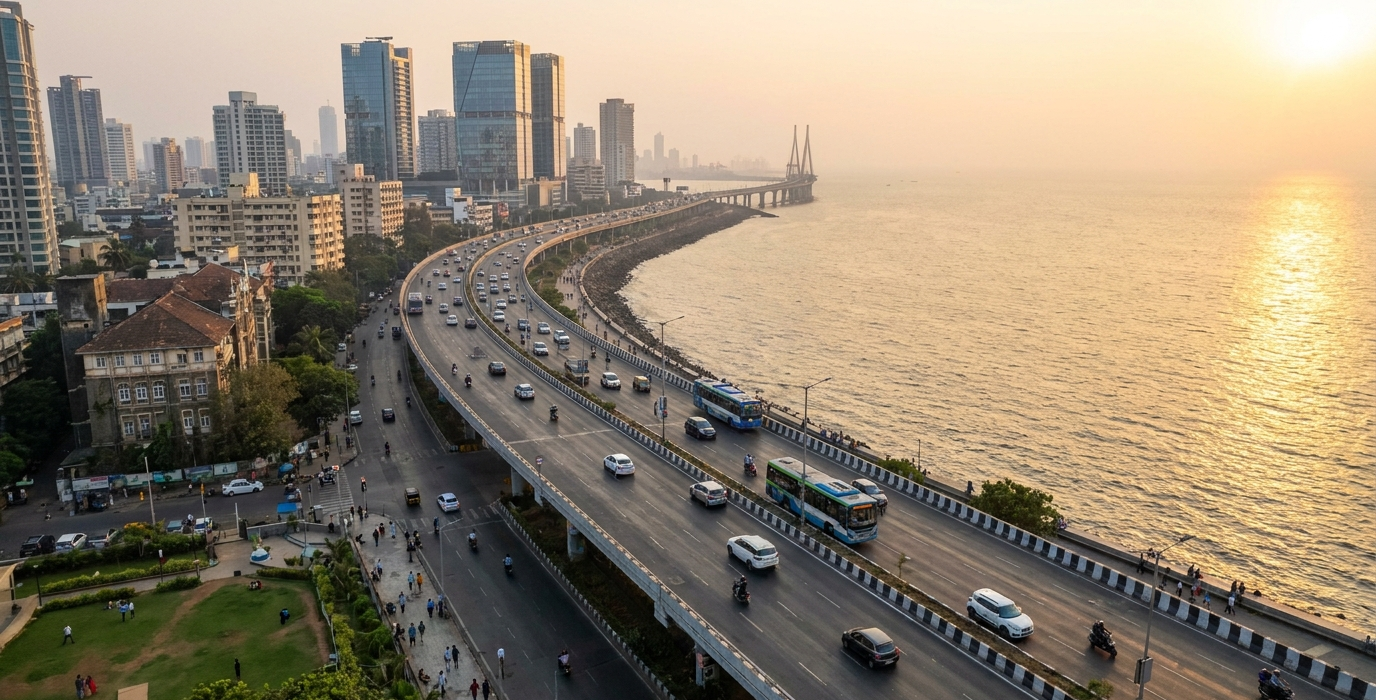
The sheer scale of the Coastal Road project is staggering. Spanning approximately 10.2 kilometres, it connects South Mumbai’s Marine Drive to the Worli-Bandra Sea Link. This isn’t a simple stretch of tarmac; it’s a complex network of flyovers, interchanges, and a submarine tunnel, the first of its kind in India, beneath the Malabar Hill area. This tunnel, a feat of modern engineering, was a critical component to minimise surface disruption and preserve the heritage of the area.
The project has been meticulously planned in phases, with different sections opening to traffic as they reach completion. By August 2026, we anticipate the majority, if not the entirety, of the primary carriageway to be operational. This phased approach allows for continuous construction while providing immediate relief to certain corridors. For instance, the initial phases have already begun to ease the burden on areas like Worli and Bandra, demonstrating the project’s efficacy even before its grand unveiling. Understanding these phases is key to navigating the evolving traffic patterns effectively.
Surprising Fact: The underwater tunnel section, a significant engineering challenge, was constructed using a Tunnel Boring Machine (TBM) named ‘Varuna’, a nod to the Hindu deity of water.
Impact on Daily Commutes: Reclaiming Time and Space
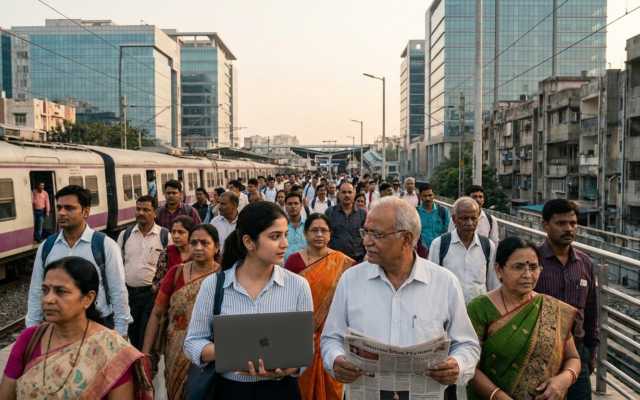
The most immediate and tangible benefit of the Coastal Road will be the drastic reduction in travel times. Commuting from Bandra to Nariman Point, a journey that typically consumes over an hour during peak times, is projected to take as little as 15-20 minutes. This isn’t just a minor improvement; it’s a fundamental shift in how Mumbaikars experience their city. The relief this brings to everyday life cannot be overstated.
This time-saving is particularly critical for professionals working in South Mumbai’s financial district or the business hubs in Bandra Kurla Complex (BKC). Faster commutes mean more productive workdays and a better work-life balance. The knock-on effect will also be felt on existing arterial roads. As traffic diverts to the Coastal Road, streets like Pedder Road and Annie Besant Road may experience significantly reduced congestion, improving the daily experience for residents in those areas too.
The Eastern Express Highway, while serving a different geographical corridor, might also see some indirect benefits as traffic patterns redistribute across the city. This holistic approach to traffic management aims to create a more fluid and efficient transportation network for the entire Mumbai Metropolitan Region (MMR). We are looking at a city that breathes a little easier.
Beyond Commutes: Economic Ripples and Property Valuations
The Coastal Road’s influence extends far beyond just easing traffic. Infrastructure projects of this magnitude invariably trigger significant economic ripples. The enhanced connectivity is expected to boost commercial activity in areas adjacent to the road. Businesses can benefit from quicker logistics and easier access for employees and clients. This could lead to the emergence of new commercial hubs and the revitalisation of existing ones.
Property values in areas with direct or convenient access to the Coastal Road are already showing upward trends, and this is likely to continue. Proximity to such a vital piece of infrastructure translates directly into desirability and convenience for residents. Areas like Worli, Bandra, and even further north, which offer seamless integration with the road, are becoming more attractive. This also encourages further development, potentially leading to new residential and commercial projects.
Surprising Fact: The project has incorporated significant green spaces and recreational areas, including promenades and cycling tracks, alongside the main carriageway, aiming to transform the coastline into a public amenity.
This development isn’t just about concrete and asphalt; it’s about creating a more liveable and economically vibrant Mumbai. The investment in such a large-scale project signals a commitment to the city’s future growth and prosperity. It’s a testament to Mumbai’s relentless drive to innovate and adapt.
Integrating with Public Transport: The Next Frontier
While the Coastal Road is primarily designed for vehicular traffic, its true potential will be unlocked through seamless integration with Mumbai’s public transportation network. The Brihanmumbai Municipal Corporation (BMC) has acknowledged this, with plans for improved feeder bus services and enhanced connectivity to existing and future metro lines. The goal is to create a multi-modal transport system where the Coastal Road acts as a vital spine.
Imagine stepping off a local train or metro and having quick access to efficient bus routes that utilise the Coastal Road for rapid transit into the city’s core. This approach ensures that the benefits of the Coastal Road are not limited to private vehicle owners. It aims to provide a faster, more reliable public transport option, potentially encouraging more people to leave their cars at home. This is crucial for long-term sustainability and managing the city’s environmental footprint.
Efforts are also underway to integrate the Coastal Road with the upcoming Mumbai Trans Harbour Sea Link (MTHL). This will create an unparalleled corridor of connectivity, linking Navi Mumbai directly to South Mumbai via the Coastal Road. Such integrated planning is essential for transforming the entire Mumbai Metropolitan Region into a more cohesive and functional urban sprawl. The future of Mumbai’s transport is about synergy, not isolation.
Challenges and Opportunities Ahead: Tolling, Environment, and Public Engagement
No mega-project comes without its set of challenges, and the Coastal Road is no exception. One of the most discussed aspects is the potential for tolling. While the BMC has stated that decisions regarding tolls will be made based on various factors, including operational costs and traffic management strategies, it remains a point of interest for commuters. The introduction of tolls could influence traffic volume and the perceived value of using the road.
Environmental concerns have also been a significant aspect of the project’s discourse. While extensive efforts have been made to mitigate ecological impact, especially concerning marine life and coastal erosion, continuous monitoring and adaptation will be crucial. The long-term environmental health of Mumbai’s coastline is paramount.
Furthermore, ongoing public engagement and feedback will be vital. As the road becomes fully operational, understanding user experiences, identifying bottlenecks, and making necessary adjustments will be key to its success. The BMC’s commitment to transparency and responsiveness will determine how effectively the Coastal Road serves the diverse needs of Mumbai’s population. The journey of this infrastructure is not just about its construction, but its continuous evolution and adaptation to the city it serves.
“The Coastal Road isn’t just a piece of infrastructure; it’s an investment in Mumbai’s future, a promise of reclaimed time and enhanced connectivity that will reshape daily life for generations to come.”
Frequently Asked Questions
What is the total length of Mumbai’s Coastal Road?
The primary phase of Mumbai’s Coastal Road, connecting Marine Drive to the Worli-Bandra Sea Link, spans approximately 10.2 kilometres. This includes elevated sections, tunnels, and bridges designed to optimise traffic flow along the western coastline.
When is the full operational date for Mumbai’s Coastal Road in 2026?
While specific sections have opened incrementally, the general expectation is that the majority, if not the entirety, of the main carriageway will be fully operational by August 2026. Commuters should stay updated on official announcements for precise opening dates of all components.
Will there be a toll on the Coastal Road?
The possibility of a toll is under consideration by the Brihanmumbai Municipal Corporation (BMC). Decisions will be based on factors such as operational costs and traffic management goals. Commuters should anticipate potential tolling mechanisms.
How will the Coastal Road integrate with Mumbai’s public transport system?
Plans are in place to enhance feeder bus services and improve connectivity to existing and upcoming metro lines. The aim is to create a multi-modal transport network where the Coastal Road acts as a primary conduit, facilitating faster public transit.