Key Takeaways
- The 2026 monsoon is projected to be near-normal, offering a balanced outlook for agriculture and water management across India.
- El Niño Southern Oscillation (ENSO) conditions will play a crucial role, with potential for late-season shifts influencing regional rainfall distribution.
- Early preparedness for both surplus and deficit rainfall scenarios is vital for farmers and urban planners alike.
- Advanced forecasting tools and community-level adaptation strategies are key to navigating the monsoon’s nuances this year.
The Great Indian Monsoon of 2026: A Near-Normal Forecast with Underlying Nuances
As the vibrant hues of summer begin to soften, India collectively turns its gaze skyward, anticipating the arrival of the Southwest Monsoon. This year, 2026, the outlook from our leading meteorological experts paints a picture of cautious optimism. We’re looking at a season that’s likely to be near-normal, a phrase that brings a collective sigh of relief to millions dependent on its bounty.
This projected normalcy is a welcome shift, especially after the volatile weather patterns experienced in preceding years. While ‘near-normal’ sounds straightforward, it’s a complex summation of vast regional variations and intricate atmospheric dynamics. Understanding these underlying factors is crucial for everyone, from the paddy farmer in Kerala to the urban dweller in Delhi. Our analysis delves into the forecasts, the drivers, and what this means for you.
The India Meteorological Department (IMD) and private forecasting agencies have released their preliminary predictions, all converging on a similar theme: a dependable, albeit not exceptionally abundant, monsoon. This forecast is the result of sophisticated modelling that takes into account oceanic temperatures, atmospheric pressure systems, and global climate indicators. We will unpack these predictions, offering you a clearer picture of what to expect across different regions of our diverse nation.
Understanding the Drivers: ENSO and Indian Ocean Dipole
The pulse of the Indian monsoon is deeply intertwined with two major climate phenomena: the El Niño Southern Oscillation (ENSO) and the Indian Ocean Dipole (IOD). For 2026, the interplay between these forces is particularly noteworthy, shaping the overall forecast and introducing potential regional variations. Forecasters are closely monitoring the development of ENSO, which typically has a cooling effect on the Indian Ocean waters when in its La Niña phase and a warming effect during El Niño.
Currently, the signs point towards a neutral ENSO condition transitioning into a weak El Niño later in the season. While a strong El Niño often spells drought for India, a weak or developing one can have a more nuanced impact. It might suppress monsoon rainfall in some parts of the country, particularly in the northwest, while potentially enhancing it in others. This is where regional forecasting becomes critical, moving beyond the national average.
Simultaneously, the Indian Ocean Dipole is showing neutral to slightly positive tendencies. A positive IOD, characterized by warmer waters to the west of the Indian Ocean and cooler waters to the east, generally favours a stronger monsoon over India. The confluence of a neutral-to-weak El Niño and a neutral-to-positive IOD creates a balancing act. This complex interaction is why experts are hedging their bets on a ‘near-normal’ prediction, acknowledging the potential for both constructive and suppressive forces at play throughout the four-month monsoon period.
The Surprising Role of Tropical Cyclones
An often-overlooked factor influencing monsoon rainfall is the activity of tropical cyclones in the Bay of Bengal and the Arabian Sea. While these storms can bring destruction, they also play a vital role in drawing moisture inland and influencing weather patterns across the subcontinent. For 2026, early indications suggest a slightly below-average number of cyclones, which could subtly alter rainfall distribution, potentially leading to drier spells in coastal areas that typically receive significant rainfall from storm systems.
Regional Outlook: A Patchwork of Possibilities
While the national forecast is a near-normal one, it’s essential to understand that India’s monsoon is a mosaic of regional performances. This year’s predictions suggest a varied distribution of rainfall across the country, with some areas potentially experiencing slightly above-average showers and others a touch below. This variability underscores the need for localized preparedness and adaptive strategies.
The northwest and central parts of India, often susceptible to the vagaries of El Niño, are projected to receive rainfall close to their long-period average (LPA). This is good news for agricultural heartlands like Punjab and Haryana, critical for the nation’s food security. However, farmers in these regions should remain vigilant for any shifts in the forecast as the season progresses, especially concerning the potential for delayed onset or prolonged dry spells within the monsoon period.
Conversely, the northeastern states and parts of the eastern coast, including regions in Odisha and West Bengal, might see slightly above-normal rainfall. This could be beneficial for water reservoirs and agriculture but also raises concerns about potential waterlogging and increased flood risk in low-lying areas. Urban planners in cities like Guwahati and Kolkata will need to ensure robust drainage systems are in place and operational well before the peak monsoon months.
The southern peninsula, including Kerala and Tamil Nadu, is expected to receive rainfall around its LPA. This is crucial for the region’s agricultural output, particularly for crops like rice, spices, and plantation crops. However, the possibility of localized intense rainfall events cannot be ruled out, necessitating preparedness for flash floods, especially in hilly terrain.
A Surprising Historical Parallel
Interestingly, the current projections bear a striking resemblance to the monsoon patterns observed in 1996. That year, a similar combination of ENSO and IOD conditions led to a near-normal monsoon overall, but with significant regional disparities, highlighting how historical climate analogues can offer valuable insights into future possibilities, even with modern forecasting techniques.
Impact on Agriculture: Navigating the Bountiful and the Scarce
For India’s agricultural sector, the monsoon is not just weather; it’s the lifeblood of the economy. A near-normal monsoon in 2026 generally signals a positive outlook for crop yields, particularly for the Kharif season. This means good news for staples like rice, pulses, oilseeds, and cotton, which are heavily reliant on timely and adequate rainfall.
However, ‘near-normal’ does not mean ‘problem-free’. Farmers must be prepared for potential dry spells or intermittent heavy showers. A prolonged dry spell in July, for instance, could impact the germination and early growth of Kharif crops. Conversely, unseasonal heavy downpours in August and September might lead to waterlogging, pest outbreaks, and difficulties in harvesting.
The key for farmers this year is adaptive strategy. This includes diversifying crops, adopting water-efficient irrigation techniques like micro-irrigation, and utilizing weather-resilient seed varieties. For instance, planting drought-tolerant millet varieties in rain-fed areas can be a smart move, offering a buffer against potential water stress. Government agricultural advisories, which are expected to be updated based on granular forecasts, will be invaluable resources.
Furthermore, the potential for a slightly weaker monsoon in certain northwestern regions might require farmers to adjust their planting schedules or opt for crops that can thrive with less water. Conversely, areas expecting above-normal rainfall need to focus on drainage and preventing soil erosion. The success of the agricultural season will hinge on how effectively farmers can respond to these localized nuances.
| Crop Type | Expected Rainfall Impact (2026) | Key Considerations |
|---|---|---|
| Rice (Kharif) | Generally Positive (Near-Normal) | Timely sowing, adequate water availability, risk of waterlogging in high-rainfall zones. |
| Pulses & Oilseeds | Positive (Near-Normal) | Varying needs; drought-tolerant varieties recommended for drier pockets. |
| Cotton | Generally Favourable | Requires consistent moisture but sensitive to waterlogging. |
| Millets | Excellent for Dry Spells | Ideal for regions with potential for below-average rainfall or intermittent dry spells. |
| Sugarcane | Favourable with adequate irrigation | Can benefit from consistent rainfall but requires management to avoid excess moisture. |
Water Management and Urban Preparedness: Beyond the Fields
The monsoon’s impact extends far beyond agriculture, profoundly influencing our water resources and urban infrastructure. A near-normal monsoon is generally good news for India’s reservoirs, helping to replenish groundwater levels and ensure water availability for drinking, industrial use, and hydropower generation throughout the year. However, the regional variations mean that some areas might still face water stress, while others could experience a surplus.
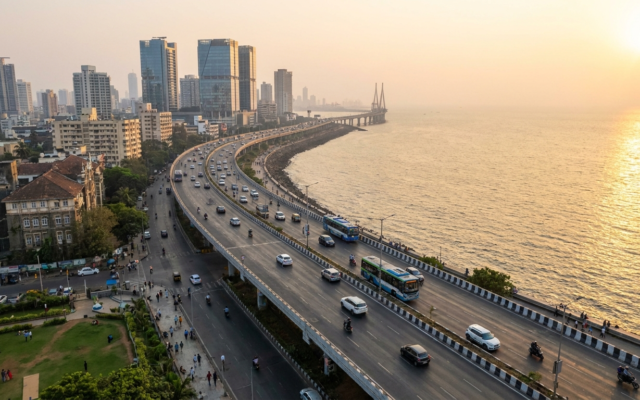
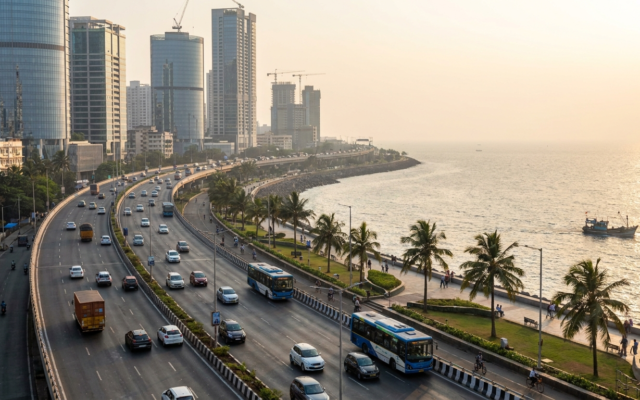
For urban centers, especially those that have witnessed rapid, often unplanned, growth, preparedness is paramount. Cities like Mumbai, Chennai, and Kolkata, which are prone to urban flooding during heavy rainfall, must have robust disaster management plans in place. This includes clearing drainage systems, strengthening embankments, and ensuring effective early warning systems for citizens.
The potential for localized intense rainfall events means that even cities not typically associated with major flooding need to be alert. Municipal authorities should conduct regular audits of their drainage infrastructure and storm water management systems. Public awareness campaigns on responsible waste disposal are also critical, as choked drains are a primary cause of urban flooding, a problem exacerbated by heavy monsoon downpours.
Furthermore, the forecast of a neutral-to-weak El Niño implies that while the overall monsoon might be normal, specific months could see deviations. This necessitates a flexible approach to water management, with strategies in place to cope with both potential deficits and surpluses. This might involve optimizing reservoir operations, promoting rainwater harvesting, and implementing water conservation measures at both household and community levels.
“This year’s monsoon is a testament to the complex dance of global climate forces. While ‘near-normal’ offers a baseline of comfort, our real strength lies in our ability to adapt to the nuances, from regional rainfall shifts to the subtle influence of oceanic cycles.”
Technological Advancements and Community Resilience
The science of monsoon forecasting has seen significant advancements, offering greater precision and lead times than ever before. Sophisticated climate models, satellite imagery, and real-time data analytics are providing meteorologists with unprecedented insights into the monsoon’s behaviour. This technological leap is not just for the experts; it translates into more reliable advisories for farmers, disaster management agencies, and the general public.
However, technology alone is not the complete answer. The true resilience against the monsoon’s challenges – whether it’s drought or deluge – lies in community-level preparedness and participation. Localized knowledge, passed down through generations, combined with modern scientific forecasts, can create a powerful synergy.
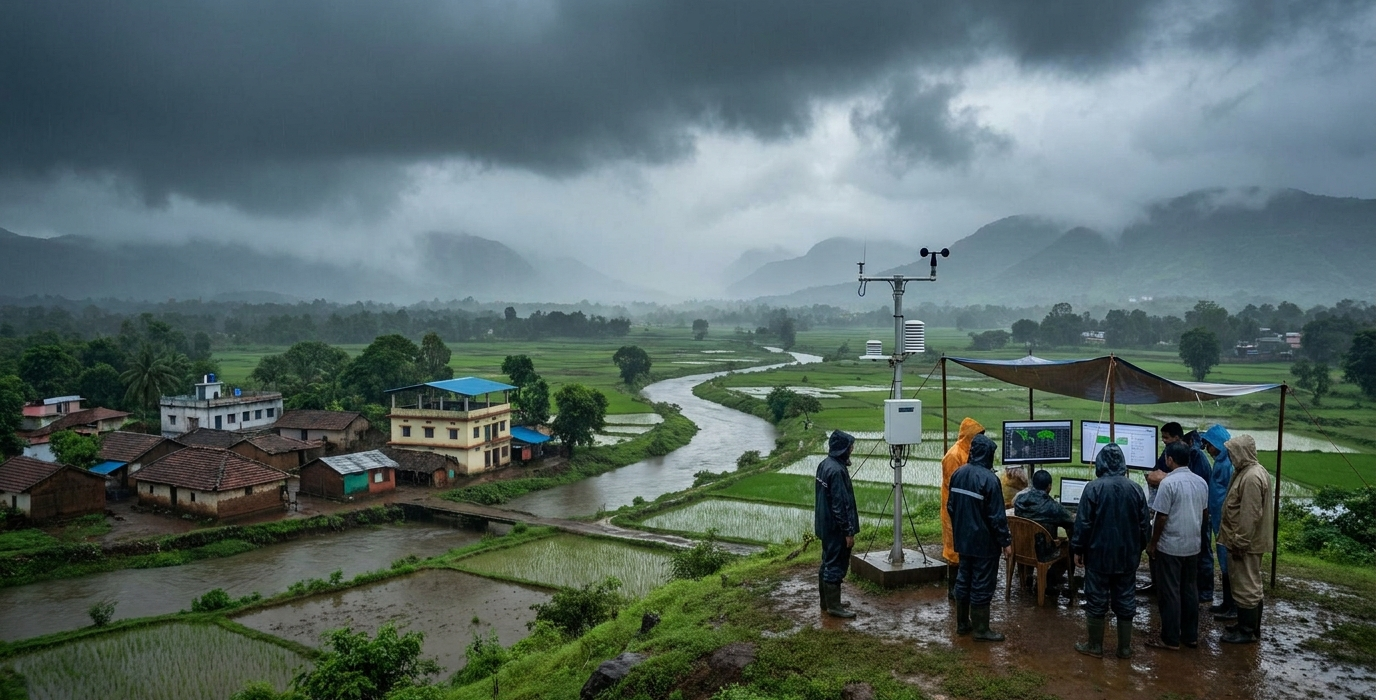
Initiatives like community-based disaster management committees, farmer field schools that disseminate best practices for water management and crop diversification, and well-established local weather monitoring stations are invaluable. In villages across India, from the arid landscapes of Rajasthan to the fertile plains of Uttar Pradesh, empowering these local structures ensures that advisories are not just received but are also understood and acted upon effectively.
Furthermore, leveraging digital platforms for disseminating information in local languages can significantly enhance reach and impact. Mobile apps providing real-time weather alerts, agricultural advisories, and disaster management information are becoming increasingly crucial tools for building a more monsoon-resilient India. This blend of cutting-edge technology and deep-rooted community wisdom is our best strategy for navigating the 2026 monsoon.
Frequently Asked Questions
What does “near-normal monsoon” actually mean for India in 2026?
A “near-normal monsoon” for India in 2026 generally means the total rainfall across the country during the monsoon season (June to September) is expected to be within the range of 96% to 104% of the Long Period Average (LPA). This signifies a balanced season, neither a severe drought nor an extreme flood, though regional variations are expected.
How will El Niño and La Niña affect the 2026 monsoon?
For 2026, forecasts indicate a neutral ENSO condition possibly transitioning to a weak El Niño later in the season. While a strong El Niño often brings deficient rainfall, a weak one can have a more varied impact, potentially suppressing rainfall in some regions while not severely affecting others. La Niña, conversely, usually enhances the Indian monsoon.
What are the key risks for farmers during the 2026 monsoon?
Key risks include intermittent dry spells that can affect crop germination and growth, and conversely, unseasonal heavy downpours that can lead to waterlogging, increased pest infestations, and harvesting difficulties. Regional variations in rainfall are also a significant factor, requiring adaptive strategies.
Are there specific regions in India expected to receive significantly more or less rain in 2026?
While the overall forecast is near-normal, some regions might see slight deviations. Early predictions suggest potentially slightly above-normal rainfall in northeastern and eastern coastal areas, while northwestern regions might be more susceptible to the nuances of the developing El Niño, requiring close monitoring.