The scent of simmering chai, the gentle murmur of family conversations, the soft glow of lamps against twilight – these are the familiar comforts of an Indian evening. Now, imagine these moments infused with a new kind of warmth, a deliberate cultivation of contentment that echoes from a land far to the north. This isn’t just about aesthetics; it’s about a subtle yet profound shift in how Indians are approaching their living spaces, embracing the Norwegian philosophy of “hygge.” What began as a niche trend has blossomed into a palpable influence, reshaping our homes and, in turn, our everyday lives.
Key Takeaways:
- ‘Hygge,’ the Danish concept of coziness and well-being, is experiencing a significant adoption in Indian interior design.
- This trend transcends mere aesthetics, reflecting a deeper desire for comfort, connection, and mindfulness in Indian households.
- Key elements like soft lighting, natural materials, and tactile textures are being integrated into Indian homes, often blended with traditional decor.
- The rise of hygge in India is driven by a post-pandemic emphasis on home as a sanctuary and a growing appreciation for simple pleasures.
- Indian designers and homeowners are adapting hygge principles to suit local cultural nuances and climate, creating a unique hybrid style.
The word “hygge,” often pronounced “hoo-gah,” originates from Denmark, not Norway, but its spirit has captured imaginations across Scandinavia and beyond, including here in India. It’s not about grand gestures or expensive renovations; it’s about creating an atmosphere of warmth and conviviality. Think flickering candles, comfortable seating, a good book, and the company of loved ones. It’s about finding joy in the simple things.
This sentiment resonates deeply with the Indian ethos of family and togetherness, albeit expressed through a different cultural lens. We’re seeing it in the curated comfort of urban apartments in Mumbai and the thoughtfully designed spaces in Bengaluru. This trend is more than just a passing fad; it’s a reflection of changing lifestyles. It’s a growing appreciation for intentional living.
The Unfolding of Comfort: Hygge’s Gentle Arrival
The concept of “hygge” has truly taken root in Indian homes. It’s not a slavish imitation of Scandinavian design, but a thoughtful adaptation. It’s a quiet revolution, unfolding room by room. It’s transforming spaces from mere functional areas into havens of peace and contentment.
You might notice it in the deliberate choice of a plush rug underfoot in a Delhi apartment. Or the gentle diffusion of light from a string of fairy lights artfully draped over a bookshelf in a Kolkata residence. This isn’t about adopting a new religion of interior design. It’s about embracing a feeling, a state of being. It prioritizes emotional well-being.
Consider the typical Indian home, often a vibrant canvas of colors and patterns, rich with inherited traditions and personal histories. Into this exists “hygge,” not to erase what’s already there, but to weave itself into the existing narrative. It’s about softening the edges. It’s about adding layers of texture. It creates pockets of warmth that invite relaxation and connection.
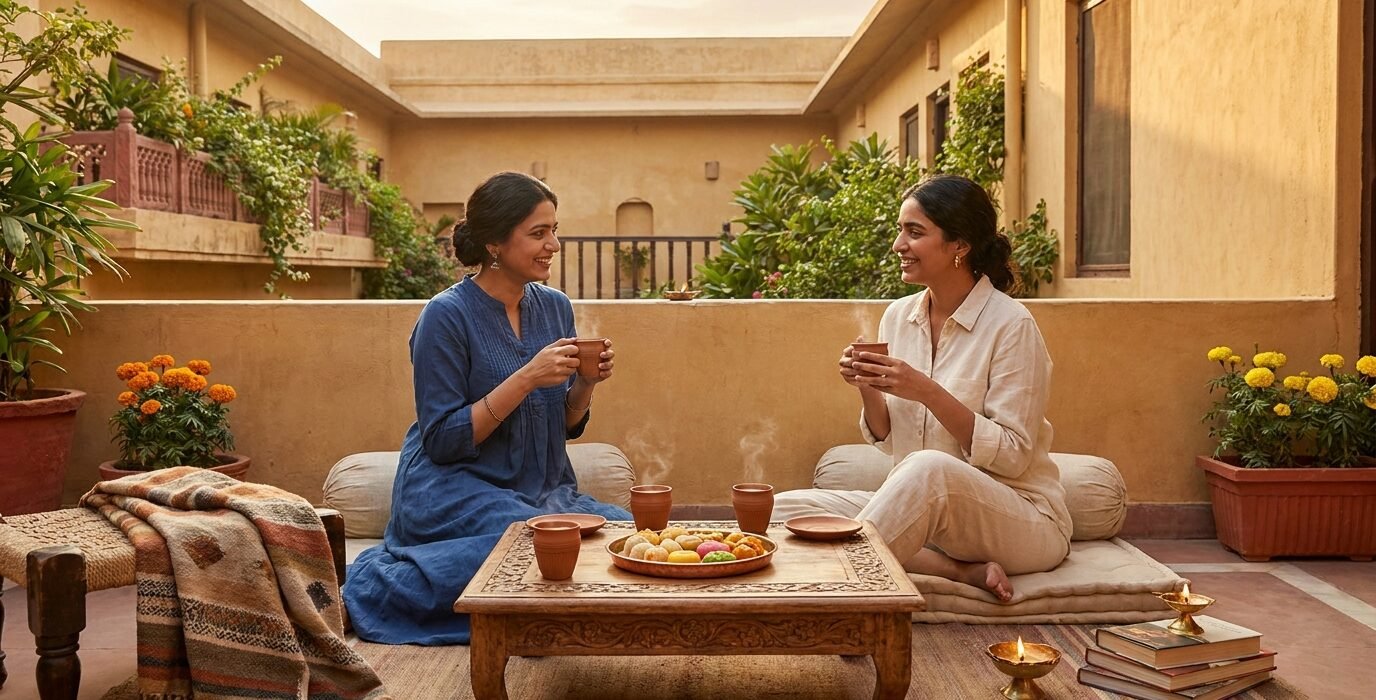
For instance, a traditional Indian diwan, usually adorned with vibrant cushions, might now feature a few extra, softer throws in muted tones. This invites one to curl up with a cup of masala chai. Or perhaps a carved wooden coffee table, a staple in many Indian homes, is now softened by the presence of a chunky knit coaster and a small, potted plant. This brings a touch of nature indoors.
We’re witnessing a conscious effort to disconnect from the relentless pace of modern life. We want to reconnect with ourselves and our loved ones within the sanctuary of our homes. This aligns beautifully with the core tenets of hygge, which encourages slowing down. It’s about savoring the present moment.
It’s about creating an environment that fosters a sense of belonging and security. This feeling is profoundly universal, yet now being expressed through this distinctly Nordic lens. Even in the bustling heart of Chennai, where life moves at breakneck speed, people are finding ways to inject this sense of calm into their living spaces. They are discovering that creating a hyggelig home is not about acquiring more things. It’s about curating experiences. It’s about fostering a specific atmosphere. This shift signifies a deeper understanding of what truly contributes to our well-being.
From Fjords to Footpaths: Cultural Bridges
The journey of “hygge” from the chilly climes of Scandinavia to the diverse landscapes of India is a fascinating testament to the universality of comfort and connection. While Norway might be known for its dramatic fjords and the ethereal Northern Lights, the underlying philosophy of hygge – the pursuit of cozy contentment – has found fertile ground in Indian soil. It’s a subtle yet powerful exchange. The essence of a lifestyle is being absorbed and reinterpreted.
Think about a crisp winter evening in Oslo, where families gather around a fireplace, wrapped in woolens, sharing stories and warm drinks. Now, imagine a monsoon afternoon in Kerala, the rain drumming a rhythmic beat on the roof. A family gathers in their living room. The air is thick with the aroma of freshly brewed coffee. Lamps cast a soft glow. The context is different. The climate is different. But the underlying desire for warmth, intimacy, and a sense of refuge is remarkably similar. This is where the magic of hygge in India truly lies – its ability to adapt and integrate without losing its soul.
We’re seeing Indian designers and homeowners drawing inspiration from the materials and textures associated with hygge. Natural wood, often left in its raw or lightly finished state, is being incorporated into furniture and decor. Soft, tactile fabrics like chunky knits, wool, and linen are being used for throws, cushions, and upholstery. They add a layer of sensory comfort. Even the color palettes are shifting. There’s a move towards warmer neutrals, muted earth tones, and soft pastels. These create a calming ambiance. They are often juxtaposed with the vibrant colors that are already a hallmark of Indian decor. For example, a classic Indian wooden swing might be complemented by a soft, faux-fur cushion. This blends traditional craftsmanship with contemporary comfort.
This cultural exchange isn’t a one-way street. While India embraces hygge, there’s an unspoken acknowledgment of the enduring appeal of Indian design elements that already embody warmth and hospitality. The intricate carvings on a wooden chest, the rich textures of handloom textiles, the vibrant hues of traditional pottery – these are elements that inherently contribute to a sense of cozy familiarity. Hygge, in the Indian context, is about finding the perfect harmony between these established aesthetics and the subtle, intentional creation of comfort. It’s about creating a space that feels both deeply personal and universally welcoming.
The Art of Slow Living: Redefining Home
The relentless pace of modern Indian life, characterized by demanding careers, bustling commutes, and an ever-present digital hum, has created a palpable yearning for respite. “Hygge,” in its essence, offers an antidote: the art of slow living. It’s about consciously choosing to decelerate. It’s about finding joy in the mundane. It’s about imbuing our homes with an atmosphere that encourages this mindful deceleration. This is where the Norwegian concept finds its most profound resonance within Indian households, particularly in urban centers like Pune and Gurgaon, where the pressures of modern living are most acute.
“Hygge” isn’t about grand renovations or expensive furniture. It’s about small, deliberate choices that foster a sense of coziness and well-being. Consider the simple act of switching off overhead lights. Opt for softer, ambient illumination from table lamps and floor lights. This immediately transforms the mood of a room. It makes it feel more intimate and inviting. In India, this might mean strategically placing floor lamps near a favorite reading chair. Or using string lights to create a warm glow around a balcony garden, even if it’s just a few potted plants. The goal is to create a visual softness that soothes the senses.
Another key aspect of hygge is the emphasis on tactile experiences. This translates to incorporating a variety of textures within the home. Think of a soft, woolen throw draped over a sofa. Or a plush rug underfoot, inviting you to shed your shoes and sink into comfort. In Indian homes, which often feature beautiful but sometimes harder surfaces, these textural additions can make a significant difference. A simple, hand-knitted cushion can add surprising warmth to a stiff sofa. A woven floor mat can soften the feel of a tiled entryway. These elements are not just decorative; they engage our sense of touch. They ground us in the present moment. They enhance our feeling of well-being.
Furthermore, hygge encourages intentional connection. This means creating spaces that facilitate meaningful interactions. It’s about arranging furniture to encourage conversation, rather than just facing a television screen. It’s about having comfortable seating areas where family and friends can gather, share stories, and simply enjoy each other’s company. In India, where family ties are paramount, this aspect of hygge is particularly resonant. It’s about creating a home that actively fosters these cherished bonds. It transforms living spaces into warm, inviting hubs for connection. This emphasis on slow living and intentional connection is proving to be a powerful counterpoint to the often overwhelming demands of contemporary life.
Beyond the Candlelight: Practical Adaptations
While the romantic image of “hygge” often conjures up flickering candlelight and snow-dusted windows, its application in India requires practical, climate-conscious adaptations. The philosophy of creating warmth and comfort remains. But the execution must be tailored to the realities of Indian weather and lifestyle. This isn’t about recreating a Nordic winter indoors. It’s about capturing the spirit of coziness in a way that feels authentic and livable.
One of the most significant adaptations concerns lighting. While candles are a quintessential element of hygge, their use in India, especially during warmer months or in areas with strict fire regulations, might be limited. The solution lies in smart, ambient lighting. This means focusing on layered lighting rather than relying solely on harsh overhead fixtures. Warm-toned LED bulbs in table lamps, floor lamps, and even subtle accent lighting can create a similar cozy glow.
Many Indian homes are now embracing smart lighting systems. These allow for dimming and color temperature adjustments. They offer a versatile way to create a hyggelig atmosphere at any time of day. For instance, in a bustling Mumbai kitchen, instead of stark fluorescent lights, homeowners are opting for under-cabinet lighting with a warm hue. This makes the space feel more inviting for late-night snacks or early-morning conversations.
Another area of adaptation is the use of materials. While wool and heavy knits are synonymous with Scandinavian coziness, they might be too warm for much of India. Here, designers are turning to breathable, natural fabrics like linen, cotton, and bamboo. These materials offer a similar tactile softness and a natural aesthetic. They are far more suitable for the Indian climate. Think of lightweight, woven throws in earthy tones. Or cotton cushion covers with a pleasing texture.
Even the incorporation of indoor plants, a hygge staple, is being adapted. Instead of solely focusing on evergreens, many Indian homes are featuring a variety of houseplants. They not only add a touch of nature but also improve air quality, contributing to overall well-being. The concept of “fika,” the Swedish tradition of taking a coffee break, has also found a parallel in India, albeit with local flavors. It’s less about a formal break. It’s more about creating designated moments for simple pleasures. This could be enjoying a quiet cup of filter coffee on a balcony adorned with soft cushions. Or sharing homemade snacks with family in a cozy corner of the living room. The emphasis is on intentional pauses and the mindful enjoyment of simple rituals. This practical application of hygge demonstrates its flexibility. It shows its ability to be seamlessly integrated into the existing cultural fabric, enriching rather than replacing it.
The Growing Influence: Designers and Demographics
The rise of “hygge” in Indian interior design is not an organic, isolated phenomenon. It’s being actively shaped and amplified by a new generation of designers. It’s also being amplified by a demographic increasingly seeking holistic well-being. These professionals are not just decorating spaces; they are curating experiences. “Hygge” provides a powerful framework for doing so.
Indian interior designers are increasingly incorporating hygge principles into their projects. They often present them as an aspirational lifestyle choice to their clients. They understand that “hygge” is more than just aesthetics; it’s about evoking emotions. It’s about fostering a sense of sanctuary. We see this in the way they prioritize comfort, natural light, and tactile elements.
For example, a designer working on a luxury apartment in Bangalore might suggest creating a dedicated reading nook. This nook would have an exceptionally comfortable armchair, a soft throw, and a strategically placed lamp. All are designed to encourage quiet contemplation and relaxation. This is a far cry from the purely status-driven design of previous decades.
The demographic embracing hygge is diverse. But it’s particularly strong among millennials and Gen Z in urban India. This generation, having grown up in a hyper-connected and often stressful world, is actively seeking ways to create balance. They want to find moments of peace in their daily lives. They are exposed to global trends through social media. They are open to adopting international concepts that resonate with their values. The emphasis on mindfulness, self-care, and creating a nurturing home environment aligns perfectly with the “hygge” philosophy. They are the ones actively searching for “cozy home decor ideas” and “mindful living tips.” They often draw inspiration from Scandinavian aesthetics but adapt them to their own cultural contexts.
Furthermore, the post-pandemic era has significantly accelerated this trend. With people spending more time at home, the importance of creating a comfortable, functional, and emotionally supportive living space has become paramount. Homes are no longer just places to sleep and eat; they are our offices, our gyms, our entertainment centers, and our places of refuge. “Hygge” offers a blueprint for transforming these multi-functional spaces into zones of comfort and tranquility. This deeper appreciation for the home as a sanctuary is fueling the demand for design solutions that prioritize well-being. This makes “hygge” a relevant and enduring trend. The influence is palpable. It’s visible in the curated Instagram feeds and the thoughtfully designed living rooms across the country.
The Future of Cozy: Hygge’s Enduring Charm
As we look ahead, the influence of “hygge” on Indian interior design and lifestyle is poised to deepen. It will evolve beyond a trend into an integrated approach to creating meaningful and comfortable living spaces. It’s not about a fleeting aesthetic; it’s about a fundamental shift in how we perceive and interact with our homes. The core principles of warmth, connection, and contentment are universal human desires. “Hygge” provides a beautiful and accessible language to express them.
We are likely to see further innovation in how hygge is adapted to India’s diverse climatic conditions and cultural nuances. This might involve exploring new sustainable materials that offer both comfort and breathability. It could also involve developing smart home technologies that further enhance ambient lighting and create personalized cozy atmospheres. The integration of local crafts and artisanal products into hygge-inspired designs will also continue to flourish. This will create a unique fusion of global philosophy and Indian heritage. Imagine hand-painted ceramic diffusers for essential oils. Or hand-woven throws made from organic cotton, seamlessly blending with the hygge aesthetic.
Moreover, the concept of hygge is likely to extend beyond interior design into broader lifestyle choices. We might see a greater emphasis on mindful consumption. This means prioritizing quality over quantity. It means investing in experiences that bring joy and connection. This could translate into more home-cooked meals shared with loved ones. It means more time spent engaging in hobbies. It means a greater appreciation for simple pleasures. The “slow living” movement, intrinsically linked to hygge, will continue to gain traction. People will seek to reclaim their time. They will cultivate a more balanced existence.
Ultimately, the enduring charm of hygge lies in its simplicity. It focuses on what truly matters: human connection, personal well-being, and the creation of a nurturing environment. As India continues its rapid development, the need for spaces that offer solace, comfort, and a sense of belonging will only grow. Hygge, in its adaptable and human-centric form, is perfectly positioned to meet this need. It ensures that the pursuit of cozy contentment remains a vibrant and cherished aspect of Indian homes for years to come. It’s a gentle reminder that in the midst of life’s complexities, the most profound joys can often be found in the quiet, warm embrace of home.