The humid Mumbai air, thick with the scent of spices and exhaust fumes, is an intoxicating perfume. It’s a city that never sleeps, and its heart beats strongest on its bustling streets, a symphony of honking taxis, chattering crowds, and the sizzle of a thousand kitchens. For any true Mumbaikar, or visitor seeking the soul of this metropolis, the journey begins with its legendary street food. Forget starched tablecloths and hushed dining rooms; the real magic happens on the pavement, served with a generous dollop of passion and generations of culinary wisdom.
Key Takeaways:
- Discover the must-try street food dishes that define Mumbai’s culinary landscape.
- Learn about the cultural significance and history behind iconic Mumbai street snacks.
- Get insider tips on where to find the most authentic and delicious street food experiences.
- Understand the art of navigating Mumbai’s vibrant street food scene with confidence.
- Explore the diverse influences that have shaped Mumbai’s unique street food palate.
The Symphony of the Streets: A Morning Ritual at Juhu Beach
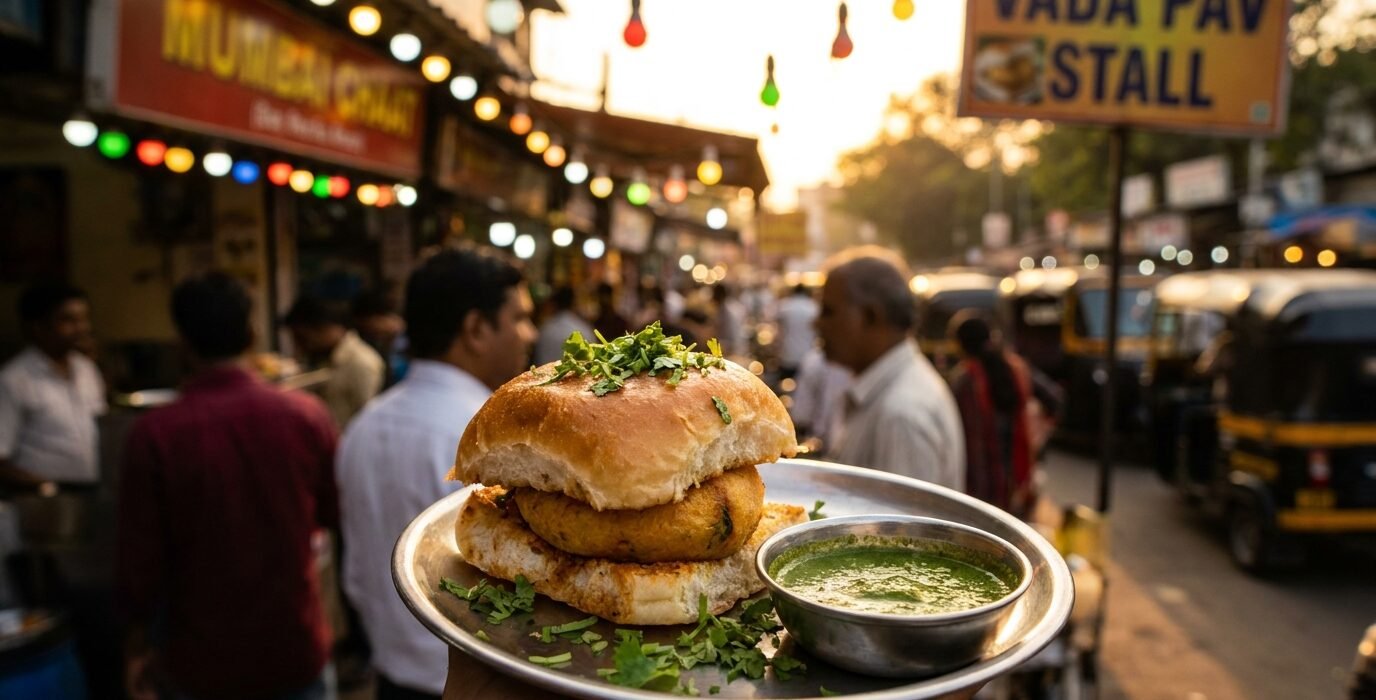
My mornings in Mumbai often start with a pilgrimage to Juhu Beach, not for the sun or the sea, but for the symphony of flavours that awakens with the dawn. Long before the crowds descend, the vada pav vendors are already at their stations, their carts a kaleidoscope of colourful chutneys and steaming potatoes. The air here is a heady mix of sea salt and fried dough, a scent that is uniquely Mumbaikar. I remember one particular vendor, an elderly gentleman named Prakash Uncle, who has been serving vada pav at the same spot for over forty years. His hands, gnarled with age but remarkably nimble, move with a practiced grace as he assembles each burger of happiness. He’d meticulously press the spiced potato patty, dip it in chickpea flour batter, and fry it to a perfect golden crisp. Then, the crucial step: sandwiching the hot vada in a soft pav, slathering it with a fiery red garlic chutney and a cooling green mint chutney. “Beta,” he’d say, his eyes twinkling, “the secret is in the love you put in, and the balance of spice.” He’d often add a single, perfectly fried green chilli on the side, a dare for the brave. The sheer volume of vada pavs he churns out daily is astonishing; I’ve seen him easily serve over 500 before lunch. This humble snack, often called the “poor man’s burger,” is an institution. It’s more than just food; it’s a symbol of Mumbai’s resilience and its ability to find joy in the simplest of things. The pav is soft and slightly sweet, a perfect contrast to the savoury, spiced potato filling. The chutneys are the true artists, each bite a dance between heat, tang, and herbaceous freshness. It’s a culinary experience that grounds you, connects you to the city’s pulse, and prepares you for whatever the day might bring. The sheer artistry involved in crafting this seemingly simple dish is a testament to the dedication of Mumbai’s street food vendors.
From Pav Bhaji to Pani Puri: A Midday Feast in Ghatkopar
As the sun climbs higher, the culinary landscape shifts. Lunchtime in Mumbai demands something more substantial, and the queues that form around the pav bhaji stalls are a testament to its popularity. Ghatkopar’s R B Kadam Marg is a street food epicentre, and its pav bhaji is legendary. I once spent an entire afternoon observing a stall run by a family who have perfected this dish over three generations. The mother, Shanti Devi, oversees the massive tawa (griddle), her movements efficient and precise. The bhaji – a medley of mashed vegetables like cauliflower, peas, potatoes, and tomatoes – is cooked with an intoxicating blend of spices, butter, and a secret ingredient that she fiercely guards. The aroma is rich and complex, a promise of the flavour explosion to come. Each portion is served with generously buttered, toasted pavs, a wedge of lime, and a sprinkle of finely chopped onions and cilantro. The vibrant red of the bhaji is a visual delight, hinting at the generous use of tomatoes and Kashmiri chillies. The heat level can be customized, from mild to fiery, but I always opt for medium – a perfect balance that allows the vegetable flavours to shine through without overwhelming the palate. What’s truly remarkable is the speed and efficiency with which they operate, serving hundreds of hungry patrons with a smile. You’ll see office workers, students, and families all gathered around, sharing plates and laughter. Nearby, the pani puri wallahs beckon with their colourful displays of chutneys and spiced water. The crisp, hollow puris are filled with mashed potatoes, chickpeas, and a tangy, spicy tamarind water. Popping one into your mouth is an experience – a burst of flavour and texture that is both exhilarating and addictive. There’s a subtle art to eating pani puri; you have to get it all in one go. The combination of the crisp shell, the soft filling, and the electrifying pani is pure culinary genius. It’s a dish that engages all your senses, a perfect example of Mumbai’s vibrant and daring street food culture. The sheer variety of flavours available within a single bite of pani puri is astounding.
The Spice of Life: Exploring the Flavours of Mohammed Ali Road
As dusk settles over Mumbai, a different kind of magic unfolds, particularly in the lanes of Mohammed Ali Road. This area transforms into a culinary wonderland, especially during the holy month of Ramadan, but its allure is year-round. The air crackles with energy, the scent of grilled meats and sweet pastries filling the night. Here, the focus shifts to richer, more decadent flavours. I recall a specific night where I ventured to a small stall known for its succulent seekh kebabs. The marinated minced lamb, infused with ginger, garlic, green chillies, and a blend of secret spices, is threaded onto skewers and grilled over charcoal, imparting a smoky depth that is simply divine. The char on the outside, the juicy tenderness within – it’s a masterpiece. A vendor, with hands stained red from the marinade, expertly flips the skewers, a dance of fire and meat. The kebabs are served with fresh mint chutney and slivers of raw onion, a refreshing counterpoint to the richness of the meat. The sheer volume of meat being grilled is staggering, a testament to the area’s popularity. But Mohammed Ali Road is not just about savoury delights. The sweet treats are equally captivating. The malpua, a deep-fried pancake soaked in sugar syrup, is a revelation. Its slightly crisp edges and soft, syrupy interior are pure indulgence. Then there’s the shahi tukda, a rich bread pudding made with fried bread, drenched in milk infused with cardamom and saffron, and garnished with nuts. It’s a dessert that whispers of royalty and indulgence. The sheer variety of ingredients and cooking techniques on display here is a reflection of Mumbai’s diverse culinary heritage, a blend of Mughlai, Gujarati, and local influences. The buzz of the crowd, the vibrant lighting, and the intoxicating aromas create an unforgettable sensory experience. This is where food becomes theatre, a celebration of flavour and community. One surprising fact I learned is that the popularity of certain dishes here, like the kebabs, has been sustained by families passing down recipes for generations, maintaining an authentic taste that keeps customers returning year after year.
The Seafood Symphony of Sassoon Dock
For those who crave the briny kiss of the ocean, a visit to Sassoon Dock is an absolute must. This bustling fishing harbour, alive with the comings and goings of trawlers, offers a glimpse into the source of Mumbai’s incredible seafood bounty. As the boats unload their catch, the air fills with the sharp, clean scent of the sea. Here, the street food is less about elaborate preparations and more about showcasing the freshness of the ingredients. Small, unassuming stalls set up shop right by the docks, their grills fired up to cook the day’s catch. I’ve had some of the most memorable seafood experiences here, far from any fancy restaurant. Imagine plump, juicy prawns, marinated in a fiery red masala and grilled to perfection, their shells slightly charred and glistening. Or perhaps a whole fish, like a surmai (Indian mackerel), stuffed with green chillies and coriander, wrapped in banana leaves, and then grilled. The smoky aroma mingling with the scent of the sea is unparalleled. The local fishermen, their faces weathered by sun and salt, often cook their own catch, sharing their pride in their day’s labour. They’ll tell you stories of the sea as they grill, their hands adept at handling the fresh catch. The flavours are bold and unpretentious, letting the natural sweetness of the seafood shine. The use of simple marinades – often just lemon, turmeric, chilli powder, and garlic – allows the quality of the fish to be the star. It’s a visceral experience, eating freshly caught seafood cooked right before your eyes, with the sounds of the harbour as your soundtrack. The sheer volume of fish that passes through Sassoon Dock daily is immense, supplying much of the city’s demand. A surprising revelation is that many of these dockside vendors source their spices from nearby markets, creating a unique flavour profile that is distinct to this maritime culinary hub. You can taste the ocean, the spice, and the spirit of Mumbai in every bite.
Beyond the Staples: Unearthing Hidden Gems in Dadar
While vada pav and pav bhaji are Mumbai’s undisputed street food kings, the city is also a treasure trove of lesser-known, yet equally delightful, culinary gems. My explorations often lead me to the vibrant lanes of Dadar, a neighbourhood that offers a more localized and diverse street food experience. Here, amidst the flower markets and the bustling railway station, you can find culinary treasures that often fly under the radar. One such discovery was a small stall specializing in misal pav. This Maharashtrian delicacy is a fiery concoction of sprouted moth beans cooked in a spicy, tangy gravy, topped with farsan (a crunchy mixture of sev and peanuts), chopped onions, and coriander. It’s served with a side of soft pav to soak up the explosive flavours. The heat of the misal is legendary; it’s a dish that truly tests your spice tolerance, but the complex layers of flavour make it utterly addictive. I once met a young entrepreneur, Rohan, who had taken over his family’s misal stall in Dadar. He explained how the traditional recipe, passed down from his grandmother, had been subtly tweaked to cater to a wider palate, while retaining its authentic kick. “We use a special blend of spices, including kokum for tanginess and a unique mix of dried chillies for that signature heat,” he shared, his eyes alight with passion. The sheer variety of textures in a bowl of misal pav is remarkable, from the soft pav to the crunchy farsan and the tender sprouts. Another hidden gem I stumbled upon is the kanda poha, a light and flavourful breakfast dish made from flattened rice, sautéed with onions, mustard seeds, turmeric, and curry leaves, and often garnished with grated coconut and lemon juice. It’s a comforting and nourishing start to the day, a testament to the ingenuity of Indian home cooking adapted for the streets. The sheer number of variations of kanda poha across Mumbai speaks to its widespread appeal. These lesser-known dishes offer a deeper dive into the regional culinary influences that have shaped Mumbai’s vibrant food scene.
The Sweet Endings: Desserts That Cap Off the Mumbai Experience
No culinary journey through Mumbai’s streets would be complete without indulging in its sweet offerings. While savouries often dominate the conversation, the city’s dessert scene on the streets is equally captivating and often surprisingly affordable. Beyond the rich shahi tukda and malpua found in areas like Mohammed Ali Road, there are simpler, yet equally delightful, treats that offer a perfect sweet conclusion to any street food adventure. One such delight is the falooda. This layered dessert, a delightful concoction of rose syrup, vermicelli, basil seeds, milk, and a scoop of ice cream, is a refreshing respite from the city’s heat. I’ve enjoyed countless bowls of falooda from bustling stalls in Crawford Market, the sweet, floral notes of the rose syrup a welcome balm. The textural interplay between the chewy vermicelli, the jelly-like basil seeds, and the creamy ice cream is a symphony in itself. The vibrant pink hue of the rose syrup makes it as visually appealing as it is delicious. Another popular sweet treat is the gola, or shaved ice, flavoured with an array of artificial colours and syrups. While perhaps not as sophisticated as other offerings, there’s a childlike joy in savouring a brightly coloured gola on a hot afternoon, the icy sweetness a simple pleasure. The variety of flavours available for gola is astonishing, from classic fruit flavours to more exotic concoctions. The economics of Mumbai’s street food, particularly its desserts, are also fascinating. For the equivalent of a few US dollars, you can enjoy a substantial and delicious sweet treat, making it accessible to everyone. This democratic nature of street food, where a kingly dessert is as readily available as a humble snack, is a fundamental part of Mumbai’s charm. It’s a reminder that joy can be found in the simplest of pleasures, and that a sweet ending can truly elevate the entire culinary experience. The sheer affordability of these sweet treats is a testament to the ingenuity of street vendors in using readily available ingredients to create delightful finales.