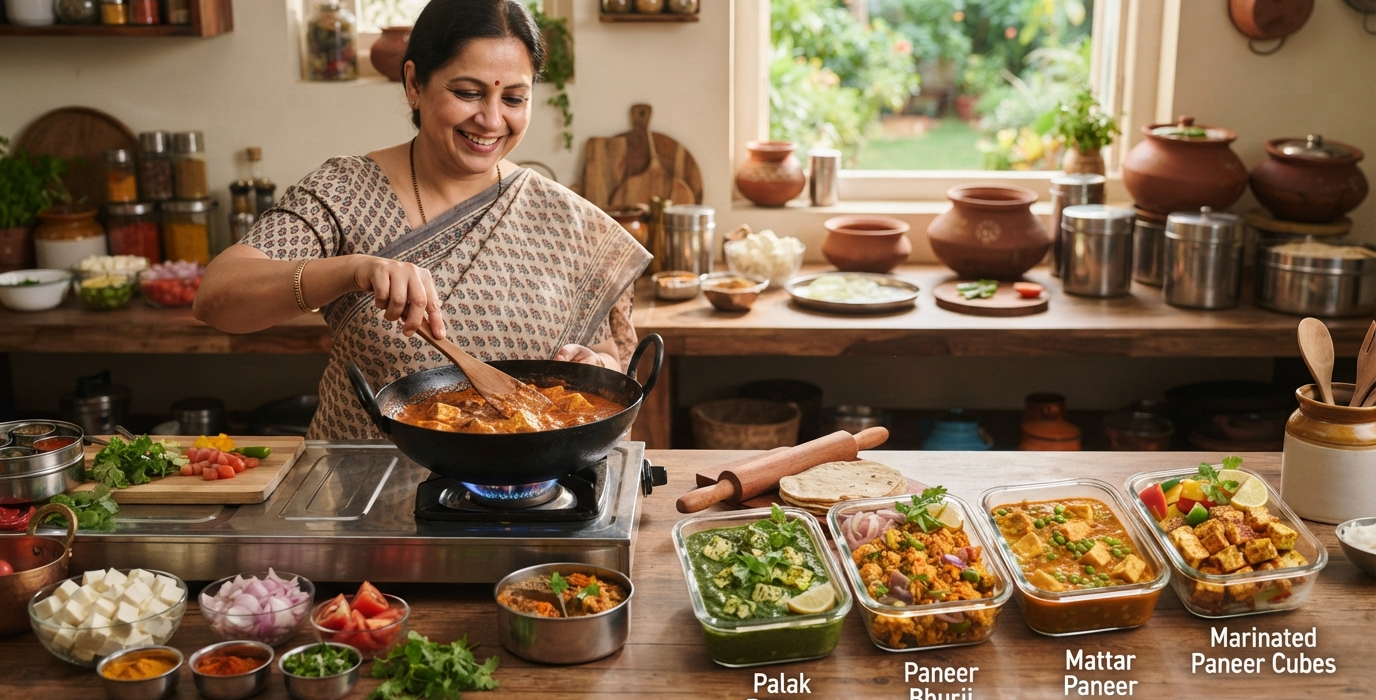
Transforming a simple block of paneer into a restaurant-quality meal is a superpower every home cook in India should possess. Whether you are navigating a busy weekday in Mumbai or planning a Sunday feast in Pune, these versatile recipes will become your kitchen staples.
Key Takeaways
- Master the art of quick-cooking paneer to ensure the texture stays soft and succulent every time.
- Learn how to balance traditional Marathi spice profiles with paneer’s mild, milky flavour.
- Optimise your weekly grocery budget by understanding how to store paneer correctly to prevent spoilage.
- Discover secret techniques for creating rich, creamy gravies without needing excessive amounts of heavy cream.
Why Paneer Remains the King of Indian Proteins
Paneer is more than just a substitute for meat; it is a nutrient-dense powerhouse that anchors vegetarian diets across the subcontinent. As we move through late 2026, many households are prioritising high-protein vegetarian meals that do not compromise on traditional taste profiles. Because paneer is non-melting, it offers a firm, satisfying bite that works perfectly in everything from a spicy Kadhai Paneer to a subtle, herb-infused snack.
Did you know that paneer is one of the few cheeses in the world that is not aged or fermented? This gives it a unique place in culinary science, allowing it to absorb complex flavours from masalas like Goda Masala or mustard seeds without losing its integrity. According to the Food Safety and Standards Authority of India, high-quality paneer should have a uniform white colour and a characteristic mild, acidic smell. When you are shopping at your local bazaar or ordering online, always check for the FSSAI mark on the packaging to ensure you are consuming a product that meets national safety standards.
Beyond its versatility, paneer is a favourite because it cooks in minutes. For the time-strapped professional in Bengaluru or the parent managing a household in Delhi, this is a massive win. You can easily prep a batch of paneer cubes on a Sunday and use them across three different meals throughout the week, saving you hours of chopping and sautéing.
Mastering the Basic Paneer Bhurji in Marathi Style
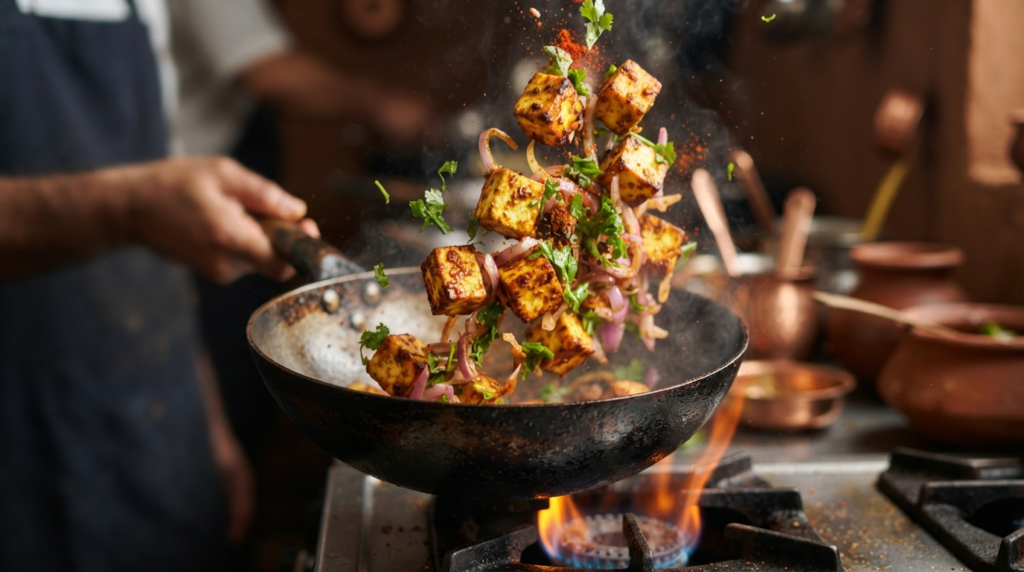
If you want the ultimate quick-fix meal, Paneer Bhurji is your best friend. In Maharashtra, we often elevate this dish by tempering it with a tadka of mustard seeds, curry leaves, and a generous pinch of asafoetida (hing). This creates a flavour profile that feels grounded and authentic, moving away from the typical butter-laden versions found in commercial restaurants.
Start by heating two tablespoons of oil in a heavy-bottomed pan. Once the oil shimmers, add half a teaspoon of mustard seeds and wait for them to crackle. Throw in a handful of finely chopped onions and sauté until they turn translucent. Adding a splash of water at this stage helps the onions soften without burning, a trick often used by professional chefs to maintain moisture. Finally, fold in the crumbled paneer and toss it gently to coat every grain in the spices.
The secret to a perfect Bhurji is not to overcook the paneer. Once the moisture from the onions and tomatoes has been absorbed, turn off the heat immediately. Overcooking will turn the paneer rubbery and tough, ruining the mouthfeel. If you want to increase the nutritional density of your meal, feel free to add finely grated carrots or peas during the sautéing stage. This adds a nice crunch and a pop of colour to your plate.
Comparing Popular Paneer Preparation Methods
When you are deciding which dish to cook, the method of preparation changes the texture entirely. Whether you are searing, simmering, or crumbling, each technique serves a different purpose in your weekly meal plan.
| Method | Cooking Time | Best Used For | Texture Profile |
|---|---|---|---|
| Sautéing | 5-7 minutes | Wraps and salads | Firm and golden |
| Simmering | 15-20 minutes | Rich curries | Soft and porous |
| Crumbling | 8-10 minutes | Quick bhurji | Light and fluffy |
| Steaming | 10 minutes | Healthy snacks | Silky and delicate |
As noted by the National Dairy Development Board, the fat content in milk directly influences the final texture of homemade paneer. When selecting your ingredients for these recipes, remember that higher fat content leads to a creamier result, while lower-fat milk results in a firmer, more crumbly block. If you are preparing a curry, a firmer paneer is usually preferred so it holds its shape during the long simmer.
The Secret to Authentic Marathi Paneer Gravy
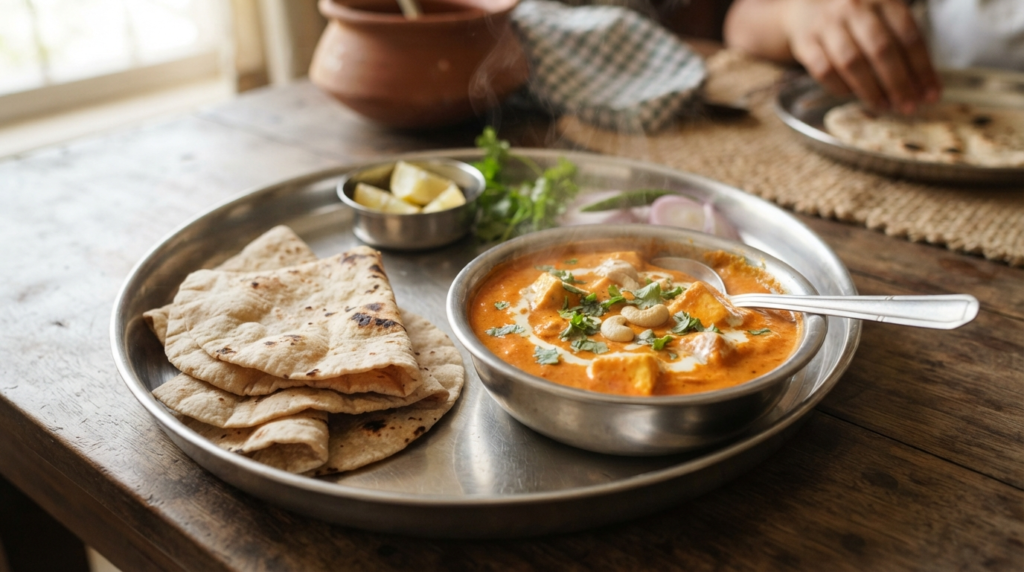
Most people associate paneer with North Indian gravies, but the Marathi culinary tradition offers a distinct, sophisticated approach. Using a base of roasted onions, ginger, garlic, and coconut, you can create a Paneer Rassa that is fragrant and deeply comforting. The addition of coconut adds a natural sweetness that balances the heat of the red chili powder.
To get that perfect texture, grind your roasted onions and coconut into a fine paste. This paste acts as a thickening agent, eliminating the need for heavy cream or excessive cashews. When you sauté this mixture, be patient. Cook it until the oil starts to separate from the sides of the pan, which indicates that the raw smell has dissipated and the flavours have melded together. This is a foundational technique in many Maharashtrian kitchens.
The magic of a great paneer dish lies not in the complexity of the spices, but in the patience applied during the sautéing of the base. A well-caramelised onion base provides a depth of flavour that can never be replicated by adding extra spice powders at the last minute.
Finally, finish your gravy with a handful of freshly chopped coriander leaves. In Maharashtra, we believe that coriander is not just a garnish but an essential component that brightens the entire profile of the dish. If you are serving this for guests, a small dollop of homemade butter on top adds a final touch of richness that makes the meal truly memorable.
Smart Storage and Preservation Tips
Meal prep is only as good as your storage strategy. Paneer is a perishable item, and incorrect storage can lead to an unpleasant sour taste or, worse, bacterial growth. If you are buying a large block, do not leave it in its original plastic packaging once opened. Instead, store it in a container filled with fresh, cold water, and change that water every single day.
If you intend to use the paneer within 48 hours, keeping it submerged in water in the refrigerator is the best way to maintain its moisture. If you need to store it for longer, you can freeze it, but be prepared for a change in texture. Frozen paneer tends to become slightly spongier, which actually works perfectly for absorbing gravies, though it may not be ideal for salads or cold applications.
For those living in warmer climates, consider the environment of your refrigerator. Avoid keeping the paneer near the door where temperatures fluctuate. Instead, place it on a middle shelf where the cooling is consistent. By following these simple protocols, you ensure that your ingredients remain safe and your meals stay consistent throughout the working week.
Frequently Asked Questions
How can I make my paneer soft if it has become hard?
If your paneer has hardened, soak it in a bowl of warm water for about 10 to 15 minutes before using it. This rehydrates the proteins and restores that characteristic soft, spongy texture that everyone loves.
Is it better to fry the paneer cubes before adding them to a curry?
Frying paneer gives it a nice golden crust and prevents it from breaking down in the gravy. However, if you prefer a softer, more absorbent paneer, skip the frying and add the cubes directly to the gravy during the last few minutes of cooking.
Can I substitute paneer with tofu in these recipes?
Yes, tofu is an excellent plant-based substitute for paneer. When using extra-firm tofu, follow the same preparation steps as you would for paneer, though keep in mind that tofu may require a slightly longer marination time to absorb the flavours of the spices.
What is the best way to keep paneer fresh for an entire week?
Paneer is best consumed fresh, but if you must keep it for a week, freezing is your only option. However, for the best taste, aim to buy smaller, fresh batches twice a week rather than a large block, as the texture significantly degrades after prolonged freezing.