Key Takeaways
- India’s EV charging infrastructure is rapidly expanding, driven by government incentives and private sector investment, but significant gaps remain.
- The current charging landscape is fragmented, with a mix of slow AC chargers and increasingly common, but still limited, DC fast chargers.
- Challenges include grid capacity, site selection, standardization of connectors and payment systems, and ensuring affordability for consumers.
- Emerging solutions focus on battery swapping, solar-powered charging, and integrated energy management systems to overcome these hurdles.
The Electric Pulse: India’s Charging Network in 2026
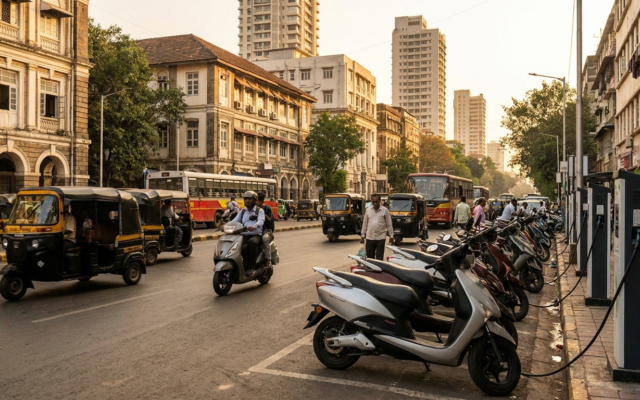
India’s electric vehicle (EV) revolution is no longer a distant dream; it’s a rapidly accelerating reality. By August 2026, the nation’s charging infrastructure is on the cusp of a significant transformation, moving beyond early pilot projects to a more widespread, albeit still developing, network. You’ve likely seen more EVs on the roads of Delhi, Mumbai, and Bengaluru, and this trend is set to continue. However, the infrastructure to power these clean machines is still playing catch-up, presenting both immense opportunities and persistent challenges for policymakers, businesses, and everyday EV owners.
We’re witnessing a dual-pronged approach to building this vital ecosystem. On one hand, the government, through initiatives like the Faster Adoption and Manufacturing of Hybrid and Electric Vehicles (FAME) scheme, continues to provide crucial subsidies and policy support. On the other, private players, from established energy giants to agile startups, are pouring capital into developing charging solutions. This dynamic interplay is shaping the very fabric of India’s clean mobility future. Understanding this landscape is crucial for anyone considering an EV purchase or looking to invest in this burgeoning sector.
Navigating the Charging Landscape: From Slow to Super-Fast
When we talk about EV charging in India in 2026, it’s a varied picture. The dominant presence, especially in residential areas and workplaces, is still the AC (Alternating Current) charger. These are akin to your home appliance sockets, typically offering 3kW to 7kW of power, ideal for overnight charging. While convenient for convenience, they can take several hours to fully charge a typical EV battery, meaning you can’t just ‘top up’ in a few minutes.
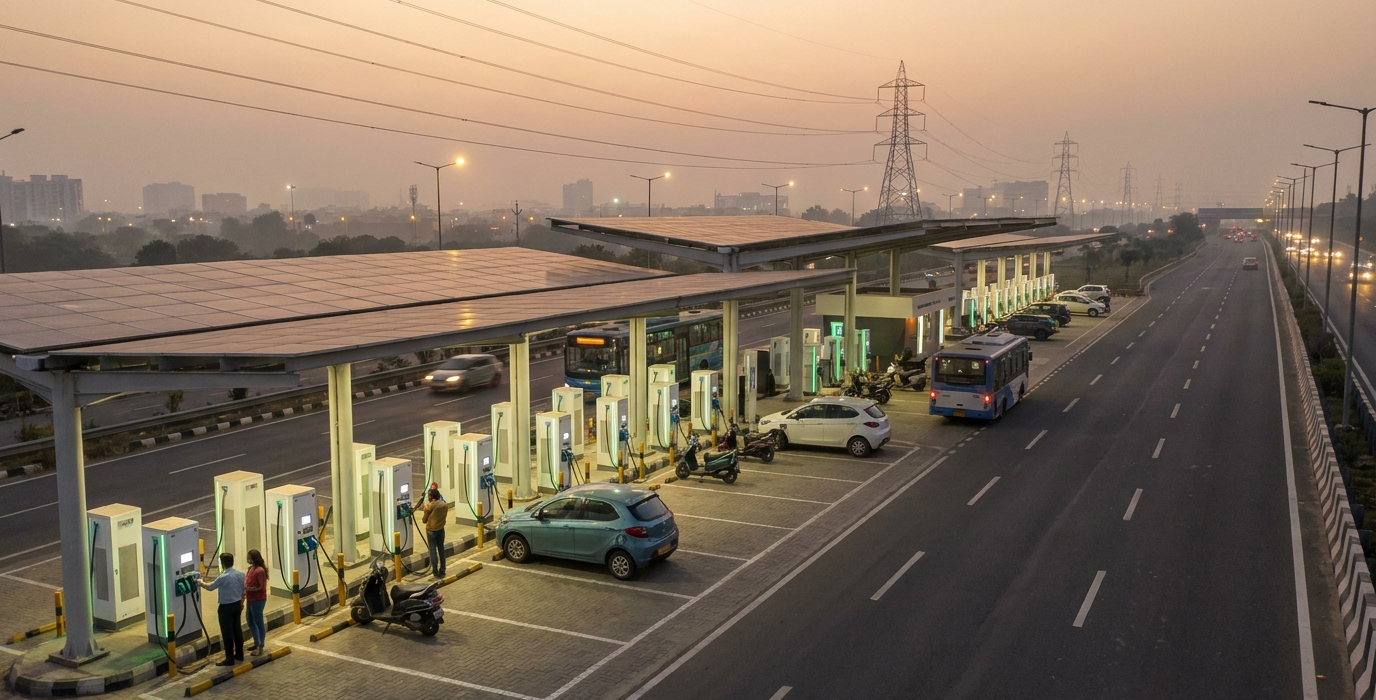
The real game-changer, however, is the DC (Direct Current) fast charger. You’ll find these increasingly at highway rest stops, commercial complexes, and dedicated charging hubs. These can deliver power ranging from 50kW up to 150kW or even more, capable of adding significant range in just 30-60 minutes. Companies like Statiq, ChargeZone, and Magenta are actively expanding their DC fast-charging networks across major corridors, aiming to make inter-city travel more feasible. Yet, the density of these fast chargers is still a critical bottleneck. Planning a long drive requires careful route mapping, as finding an available and functioning fast charger can still be a challenge, particularly in tier-2 and tier-3 cities.
The Grid Strain and Green Power Solutions
One of the most significant hurdles facing India’s EV charging expansion is the capacity of the existing electricity grid. As more EVs plug in, especially during peak hours, the demand on local distribution networks can spike dramatically. This isn’t just about having enough electricity; it’s about ensuring the grid infrastructure – transformers, substations, and cables – can handle the load without frequent outages or damage. Several areas, particularly in older urban settlements and rural regions, are already operating close to their capacity limits.
To combat this, innovative solutions are gaining traction. Many new charging stations are being designed with integrated battery storage systems. These batteries can store electricity during off-peak hours when demand is low and grid supply is cheaper, then discharge it to EVs during peak times. This not only eases the strain on the grid but can also provide power even during local grid disruptions. Furthermore, there’s a strong push towards solar-powered charging. Numerous companies are setting up solar carports with charging points, offering a truly green and sustainable charging experience. Imagine plugging in your car under a canopy of solar panels – this vision is becoming a reality in many parts of India, from Gujarat’s solar farms to rooftop installations in Chennai.
Standardization Woes and Payment Pains
A common complaint among early EV adopters has been the lack of standardization. You might find different charging connectors on EVs (CCS, CHAdeMO, Type 2 AC) and varying plug types at charging stations, leading to compatibility issues. While the industry is slowly converging, particularly towards the CCS standard for DC fast charging in passenger cars, the transition period is still creating confusion. This fragmentation makes it difficult for users to know if their vehicle will work with a particular charger without prior research.
Payment systems are another area ripe for improvement. Currently, charging at different stations can involve multiple apps, RFID cards, or even manual payment processes. This is far from the seamless experience we’re accustomed to with fuel pumps or public transport ticketing. The push is towards interoperable payment solutions, where a single app or card can be used across various charging networks. Companies are working on integrating systems like UPI (Unified Payments Interface) for easy, instant payments, much like any other digital transaction in India. The goal is to make charging as simple and convenient as paying for your morning chai.
Surprising Fact: India’s First Solar-Powered EV Charging Station
Did you know that India boasts one of the world’s largest solar-powered EV charging stations? Located in the Rann of Kutch, Gujarat, this facility, inaugurated in 2024, not only powers electric vehicles but also contributes to the local grid. It’s a testament to the country’s commitment to integrating renewable energy with the EV revolution, showcasing a scalable model for remote and off-grid charging solutions.
Battery Swapping: A Niche Solution for Specific Segments
While fixed charging stations are the primary focus, battery swapping technology is carving out a significant niche, particularly for commercial fleets and two-wheeler EVs. Companies like Sun Mobility and Bounce are leading this charge. The concept is simple: instead of waiting for your EV to charge, you pull into a swap station and have your depleted battery exchanged for a fully charged one in a matter of minutes. This drastically reduces downtime for commercial riders and delivery personnel, making EVs a far more practical option for their livelihoods.
The challenges here involve the initial investment in battery swapping infrastructure and ensuring the compatibility of batteries across different vehicle models. However, as the cost of battery technology continues to fall and standardization efforts mature, battery swapping is poised to play a crucial role, especially in high-utilization segments. It offers an alternative pathway to electrifying urban mobility without being solely dependent on the grid’s charging speed. You can see this in action across cities like Delhi and Pune, where swappable battery kiosks are becoming a common sight for scooter users.
The Road Ahead: Policy, Investment, and Consumer Confidence
The future of India’s EV charging infrastructure in 2026 and beyond hinges on a few key factors. Firstly, continued policy support is essential. This includes not just subsidies for charging infrastructure but also clear regulations on land use, grid connectivity, and pricing. Streamlining the approval processes for setting up charging stations will be critical to accelerate deployment.
Secondly, sustained private investment is non-negotiable. The capital expenditure required for a robust charging network is substantial. We’ll need to see continued innovation from startups and significant commitment from larger corporations to fund this expansion. This includes investing in R&D for faster, more efficient charging technologies and robust grid management solutions.
Finally, building consumer confidence is paramount. This means ensuring reliability – chargers are working, available, and affordable. Clear pricing structures, easy-to-use payment systems, and readily accessible information about charging station locations and availability will be key to driving mass adoption. As these elements fall into place, the hum of electric vehicles will become an even more dominant sound on Indian roads.
“The transition to electric mobility in India is not just about cleaner air; it’s about building a robust, sustainable energy ecosystem that powers our nation’s growth.”
Frequently Asked Questions
What is the average cost of charging an EV in India in 2026?
The cost varies significantly based on the type of charger (AC vs. DC fast charger), electricity tariffs in your state, and the charging network operator. Generally, AC charging at home can cost between ₹4-₹8 per unit (kWh), while public DC fast chargers might range from ₹12-₹20 per unit. Many operators offer subscription plans or bulk purchase options for better rates.
Are there enough EV charging stations in India for long-distance travel?
While the number is growing rapidly, the density of DC fast chargers on inter-state highways is still a concern. Planning is crucial. You can use apps like PlugShare, Statiq, or ChargeZone to map your route and identify available chargers. Major national highways are seeing increasing coverage, but remote areas might still be challenging.
What is the role of government incentives in EV charging infrastructure development?
Government incentives, such as those under the FAME II scheme and state-specific policies, play a vital role by providing subsidies for setting up charging stations, offering tax breaks, and promoting the adoption of EVs. These incentives help de-risk investments for private players and accelerate the build-out of the necessary infrastructure.
Can I install an EV charger at my home in India?
Yes, installing a home EV charger (typically a 7kW AC charger) is becoming increasingly common. You’ll need to check with your local electricity distribution company for any specific regulations or permissions required. Many EV manufacturers and third-party providers offer home charging installation services.
What is the future of battery swapping in India?
Battery swapping is expected to grow significantly, especially for electric two-wheelers and three-wheelers, and commercial fleets. Its ability to drastically reduce vehicle downtime and offer a quick energy replenishment solution makes it highly attractive for high-utilization applications. Expect to see more partnerships and standardized battery solutions in this space.