Key Takeaways
- The Indian EdTech sector is rapidly evolving beyond traditional online courses, integrating AI for personalised learning paths and adaptive assessments.
- Hybrid learning models, blending online flexibility with offline interaction, are gaining traction, especially in K-12 and test preparation.
- Skill-based micro-credentials and lifelong learning platforms are booming, catering to India’s young demographic and evolving job market.
- Immersive technologies like AR and VR are poised to revolutionise subjects requiring practical understanding, from medicine to vocational training.
The AI-Powered Learning Revolution
The landscape of online education in India is undergoing a profound transformation, moving far beyond simple video lectures and static quizzes. At the forefront of this seismic shift is the pervasive integration of Artificial Intelligence. AI is no longer a futuristic concept; it’s actively reshaping how students learn and how educators teach. Imagine a learning platform that doesn’t just present information but understands your unique pace, your individual learning style, and your specific areas of struggle. This is the promise of AI-driven EdTech, and it’s becoming a reality for millions of Indian learners today.
These intelligent systems can analyse vast amounts of student data – from quiz performance to engagement patterns – to create hyper-personalised learning journeys. This means that if you’re grappling with complex physics concepts, the AI can identify your precise difficulties and offer targeted explanations, supplementary materials, or even different pedagogical approaches. Conversely, if you’re excelling in a particular subject, the AI can present you with advanced challenges to keep you stimulated and prevent disengagement. This adaptability is crucial for a country as diverse as India, where learning needs vary dramatically across regions, socio-economic backgrounds, and individual aptitudes.
Furthermore, AI is revolutionising assessment. Gone are the days of one-size-fits-all exams. AI-powered tools can now generate dynamic assessments that adapt in real-time based on your answers. This not only provides a more accurate measure of your understanding but also offers immediate, actionable feedback. For educators, AI acts as an indispensable assistant, automating grading, identifying at-risk students early, and providing insights into classroom performance that were previously impossible to glean. This allows teachers to focus more on mentoring and pedagogical innovation, rather than getting bogged down in administrative tasks. The future of learning in India is undeniably intelligent and increasingly personalised.
The Rise of the Hybrid Classroom
While online platforms offer unparalleled flexibility, the Indian educational ecosystem is increasingly recognising the enduring value of human interaction and structured learning environments. This has given rise to the burgeoning hybrid learning model, a sophisticated blend of the digital and the physical. It’s not simply about attending some classes online and some in person; it’s a carefully curated experience designed to leverage the strengths of both. Think of it as getting the best of both worlds, tailored for the Indian context.
For K-12 students, hybrid models often involve core subjects being taught through engaging online modules, allowing for self-paced learning and access to diverse resources. However, crucial hands-on sessions, collaborative projects, and critical social-emotional development occur in physical classrooms. This approach addresses concerns about screen time and the need for peer interaction, while still capitalising on the accessibility and rich multimedia content that online platforms can provide. Schools in metropolitan hubs like Gurugram and Pune are actively experimenting with these blended formats, much to the appreciation of parents seeking a comprehensive education.
The test preparation sector, a cornerstone of Indian higher education aspirations, has also embraced hybrid learning with open arms. Students preparing for highly competitive exams like the JEE or NEET can access extensive online libraries of lectures and practice questions. Simultaneously, they can attend physical doubt-clearing sessions, mock test analyses conducted by expert faculty, and group study sessions. This combination ensures that students receive rigorous academic grounding while also benefiting from the motivational and interactive aspects of traditional coaching centres. The adaptability of these models means they can be fine-tuned for various age groups and learning objectives, making hybrid education a robust and sustainable trend.
Micro-Credentials and Lifelong Learning
The traditional degrees are no longer the sole arbiters of career success, especially in a rapidly evolving global economy. India, with its young, ambitious demographic, is witnessing a surge in demand for skill-based learning and continuous upskilling. This is where the power of micro-credentials and lifelong learning platforms truly shines. They offer focused, modular learning experiences that equip individuals with specific, in-demand skills, often in a fraction of the time and cost of a full-time degree. These are not just about learning; they’re about gaining tangible competencies for immediate career impact.
Platforms offering certifications in areas like data analytics, digital marketing, artificial intelligence ethics, or cloud computing are seeing unprecedented growth. Companies are increasingly looking for candidates who can demonstrate proficiency in these niche areas, and micro-credentials provide a verifiable way to showcase that expertise. For instance, a graphic designer can earn a micro-credential in UI/UX design to pivot into a more in-demand role, or a software engineer can upskill in blockchain technology. This agility is vital for navigating the dynamic job market of the 2020s and beyond.
Furthermore, lifelong learning isn’t just for career changers. It’s for professionals looking to stay relevant in their current fields. The pace of technological advancement means that skills acquired even a few years ago can become outdated. Lifelong learning platforms provide accessible avenues for continuous professional development, allowing individuals to acquire new knowledge and adapt to emerging industry trends. This commitment to ongoing education is crucial for both individual career growth and the overall competitiveness of the Indian workforce on the global stage. It signifies a fundamental shift in how we perceive education – not as a finite event, but as a continuous journey.
Immersive Learning: AR and VR Enter the Classroom
The abstract and theoretical can often be challenging to grasp through traditional methods alone. This is where the transformative potential of Augmented Reality (AR) and Virtual Reality (VR) in education becomes clear. These immersive technologies are poised to revolutionise how we learn complex subjects, moving beyond rote memorisation to experiential understanding. Imagine dissecting a virtual frog without the mess, or walking through ancient Rome as if you were there. This is the power of AR and VR in making learning deeply engaging and memorable.
In fields like medicine and biology, AR/VR offers unparalleled opportunities for safe, repeatable practice. Medical students can perform virtual surgeries, explore detailed 3D models of the human anatomy, or simulate emergency response scenarios without any risk to patients. This hands-on experience, even in a simulated environment, builds confidence and proficiency in ways that textbooks simply cannot replicate. Similarly, engineering students can interact with complex machinery in a virtual space, understanding intricate mechanisms and troubleshooting potential issues before they encounter them in the real world.
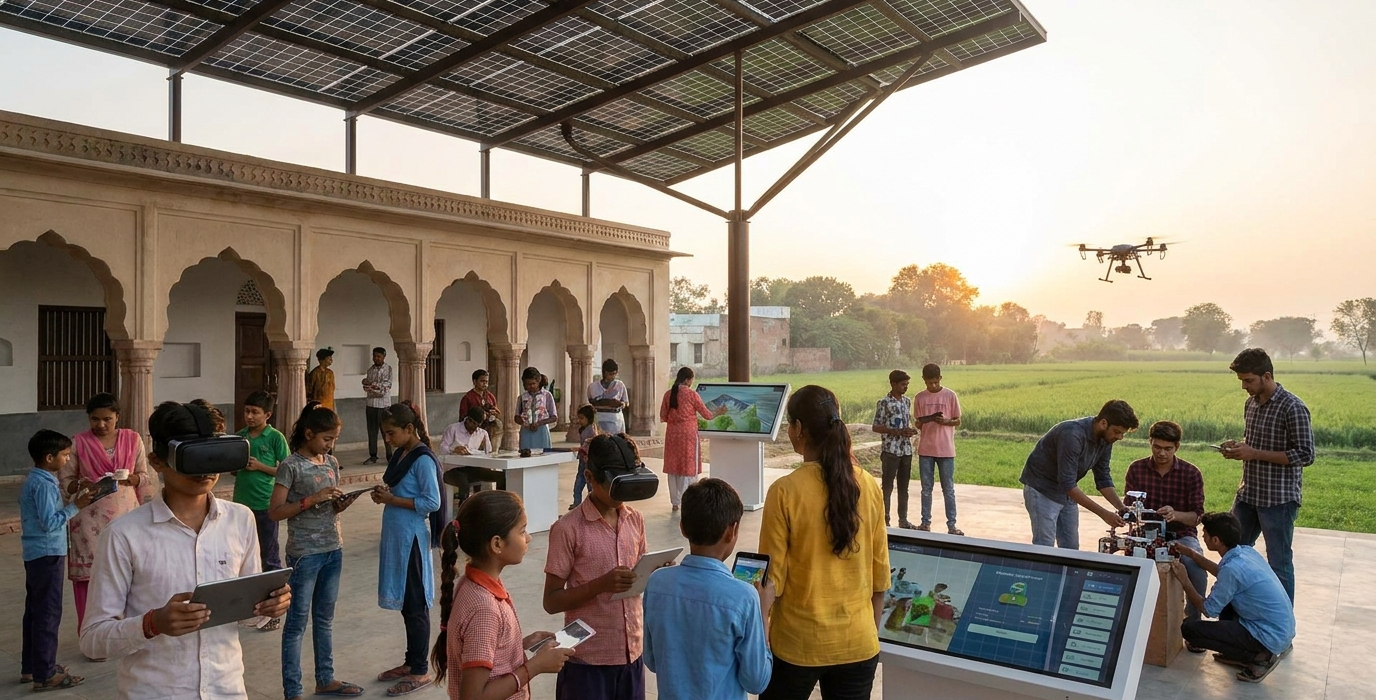
The applications extend far beyond STEM fields. History lessons can come alive with virtual tours of historical sites, allowing students to experience pivotal moments in time. Geography lessons can involve virtual explorations of diverse landscapes, from the Amazon rainforest to the Himalayas, fostering a deeper appreciation for our planet. Even subjects like literature can be enhanced, with students stepping into the worlds described in novels. While widespread adoption may still be in its nascent stages, especially in smaller towns, the impact of AR and VR on creating truly unforgettable learning experiences is undeniable, promising to reshape educational engagement in the coming years.
The Evolving Role of Educators
As technology increasingly augments the learning process, the role of the educator is not diminishing; it’s evolving dramatically. Far from being replaced by AI or online platforms, teachers are becoming even more critical as facilitators, mentors, and guides. Their expertise is shifting from being the sole source of information to orchestrating rich learning experiences and fostering higher-order thinking skills. We are moving towards a model where the educator is the conductor of a symphony of learning resources.
In an AI-driven classroom, educators can spend less time on repetitive tasks like grading and more time on personalised student engagement. They can identify students who need extra support or those who are ready for advanced challenges, and then tailor their interventions accordingly. This requires a new set of skills for teachers – proficiency in using educational technology, data analysis to understand student progress, and a strong emphasis on socio-emotional learning and critical thinking development. The focus shifts from lecturing to questioning, from delivering content to fostering curiosity and problem-solving abilities.
Moreover, educators are becoming instrumental in curating the vast ocean of online resources. They can guide students towards credible sources, help them discern misinformation, and integrate diverse learning materials into a coherent educational journey. The human element of mentorship, encouragement, and building a supportive learning community remains irreplaceable. As EdTech tools become more sophisticated, the role of the teacher as a nurturing presence and a critical thinking coach will only become more pronounced, ensuring that technology serves education, not the other way around.
Navigating the Future: What Learners and Parents Need to Know
As the EdTech landscape in India continues its rapid evolution, it’s crucial for learners and their parents to stay informed and make strategic choices. The sheer volume of options can be overwhelming, but understanding the emerging trends can help you navigate this exciting new world of education. Think of this as equipping yourself with a compass for the future of learning.
First, prioritise personalised learning. Look for platforms that leverage AI to adapt to your child’s pace and style. Don’t settle for one-size-fits-all solutions. Investigate how a platform assesses progress and provides feedback. Secondly, explore hybrid models, especially for younger learners or those preparing for competitive exams. The blend of online flexibility and offline interaction often offers the most holistic educational experience. Research schools and coaching centres that are effectively integrating these approaches.
Thirdly, consider skill-based micro-credentials for older students and professionals. These can be powerful tools for career advancement and adaptability in the job market. Research reputable providers and understand the industry recognition of the certifications offered. Finally, remember that technology is a tool, not a replacement for human connection. Encourage critical thinking, digital literacy, and a balanced approach to screen time. The most effective learning journeys will always involve engaged educators and supportive learning communities.
“The future of education in India isn’t about simply digitising existing methods; it’s about reimagining learning with AI, immersion, and human-centred guidance at its core.”
Frequently Asked Questions
What is the biggest shift in Indian EdTech right now?
The most significant shift is the integration of Artificial Intelligence (AI) to create deeply personalised learning experiences and adaptive assessments, moving beyond static online content.
Are hybrid learning models suitable for all students?
Hybrid models offer flexibility and a blend of benefits, making them highly suitable for many, particularly in K-12 and test preparation, by combining online accessibility with essential in-person interaction.
How can micro-credentials help my career?
Micro-credentials provide focused, in-demand skills and verifiable certifications that can lead to quicker career transitions, promotions, or upskilling in rapidly evolving industries like tech and digital marketing.
Is AR/VR technology widely available in Indian schools yet?
While AR/VR is still emerging, its adoption is growing, especially in urban centres and specialized institutions for subjects requiring practical, immersive understanding, like medicine and engineering.