Key Takeaways
- New mental wellness apps are leveraging AI and gamification to make self-care engaging for India’s youth.
- These platforms offer accessible, affordable, and personalized support, bridging gaps in traditional mental healthcare.
- Beyond therapy chatbots, features include mood tracking, mindfulness exercises, and community support networks.
- Parents and educators can find resources to better understand and support young people’s mental health journeys.
The Digital Dawn of Indian Youth Mental Wellness
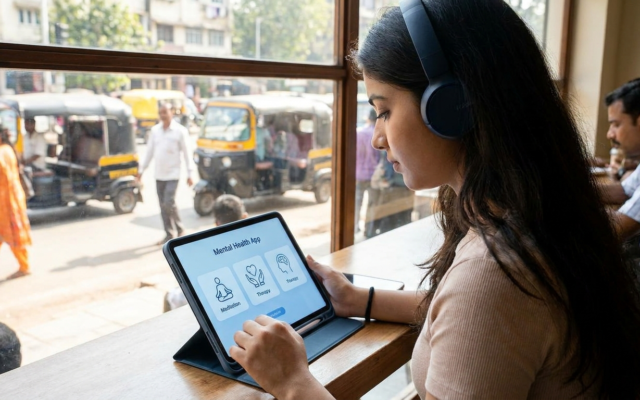
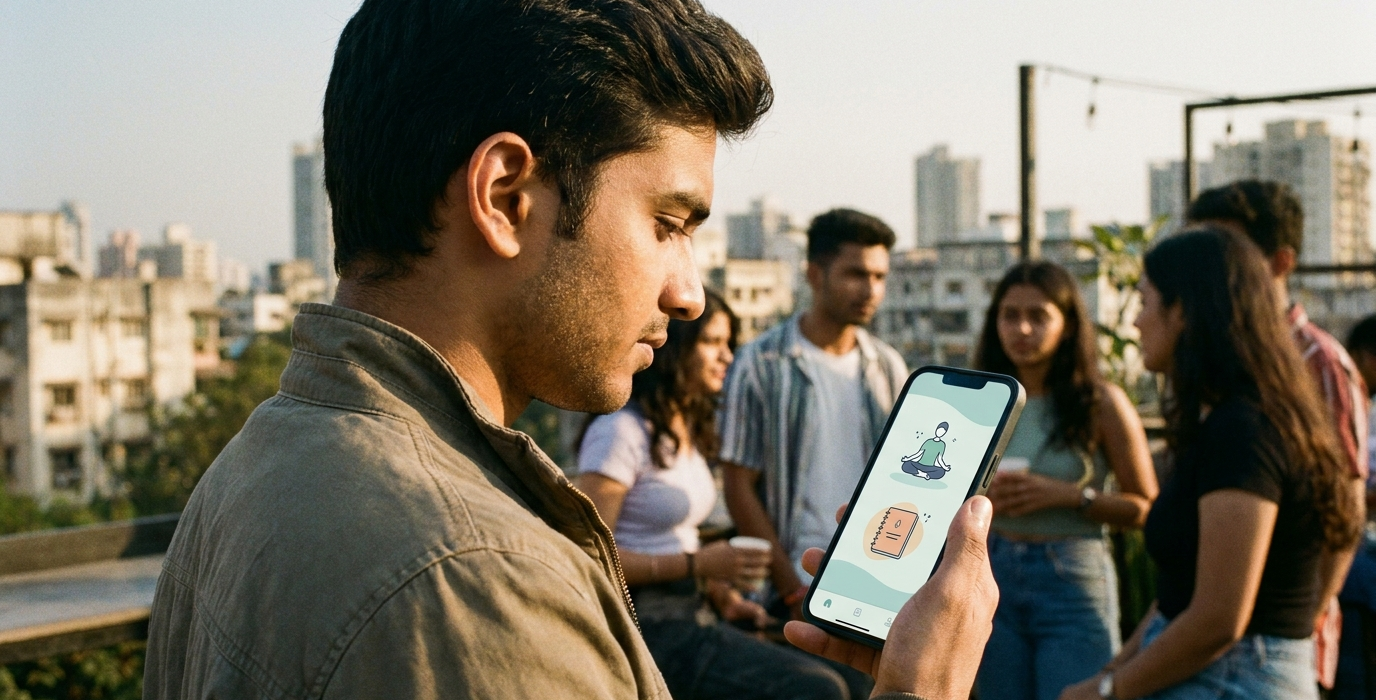
The landscape of mental health support in India is undergoing a profound transformation, and at its forefront are innovative digital tools designed specifically for the nation’s vibrant youth. In a country where mental health awareness is growing but access to traditional care remains a challenge for many, technology is emerging as a powerful ally. We’re seeing a surge in mobile applications that promise to demystify self-care, making it accessible, engaging, and stigma-free.
For young Indians navigating the complexities of academic pressure, social expectations, and a rapidly evolving world, these apps offer a lifeline. They provide a private space to explore emotions, learn coping mechanisms, and connect with supportive communities. This isn’t just about downloading another app; it’s about empowering a generation with the tools they need to thrive, not just survive.
Our investigation reveals that these platforms are moving beyond simple mindfulness exercises. They are incorporating cutting-edge AI, personalized feedback loops, and even gamified elements to ensure long-term user engagement. The goal is to foster proactive well-being habits that can build resilience against future mental health challenges. From bustling metropolises like Mumbai to quieter towns in Kerala, the digital revolution in mental health is reaching every corner of India.
We’ve identified several key trends that make this wave of mental wellness apps particularly relevant for Indian youth. Firstly, the emphasis on affordability and accessibility is paramount, recognizing that not everyone can afford private therapy or has local access to specialists. Secondly, these apps are being designed with a deep understanding of Indian cultural nuances, using relatable language and scenarios. Finally, the integration of peer support networks is creating a sense of community that is often missing in traditional settings.
AI-Powered Companions and Personalized Journeys
Artificial intelligence is no longer a futuristic concept; it’s becoming an integral part of how young Indians are accessing mental health support. Many of the latest apps are built around sophisticated AI chatbots that act as empathetic listeners and guides. These digital companions can engage in natural language conversations, helping users articulate their feelings and providing immediate, non-judgmental support. They are available 24/7, offering a crucial resource during moments of distress when human support might not be readily available.
What’s remarkable is the personalization these AI systems offer. By analyzing user input, mood logs, and activity patterns, the AI can tailor its responses and suggest specific exercises or resources. For instance, if an app detects signs of anxiety, it might immediately offer a guided breathing exercise or a cognitive behavioral therapy (CBT) technique. This adaptive approach ensures that each user receives support that is relevant to their unique needs at any given moment.
Beyond conversational AI, machine learning algorithms are also powering sophisticated mood-tracking features. Users can log their emotions, activities, and even sleep patterns, and the app can identify trends and potential triggers. This data provides valuable insights, not just for the user but also for mental health professionals if the user chooses to share it. The ability to visualize one’s emotional landscape over time can be incredibly empowering, fostering self-awareness and enabling proactive intervention.
A surprising aspect we discovered is how these AI systems are trained on vast datasets that include Indian cultural contexts. This means the language used, the examples provided, and the suggested coping strategies are often more resonant with young Indians than generic Western-based programs. This cultural sensitivity is a significant step towards making mental health support feel truly inclusive and effective.
Gamification: Making Self-Care Engaging and Fun
One of the most significant hurdles in consistent self-care is maintaining motivation. Traditional methods can sometimes feel like a chore, leading to drop-off rates. This is where gamification, a strategy often employed in video games to keep players engaged, is proving to be a game-changer in mental wellness apps for Indian youth. Developers are integrating game-like elements to make the process of improving mental health more enjoyable and rewarding.
Think of it like this: instead of just completing a mindfulness session, users might earn points, unlock new levels, or receive virtual badges for consistent practice. These small, tangible rewards create a sense of accomplishment and encourage users to return to the app regularly. The apps are designed to feel less like homework and more like a personal journey of growth, where progress is acknowledged and celebrated.
We’re seeing features like daily challenges, streak counters for meditation or journaling, and even personalized avatar customization tied to well-being achievements. For example, completing a week of gratitude journaling might unlock a new outfit for your virtual character. This playful approach taps into the natural human desire for achievement and progress, making mental wellness practices addictive in a positive way.
Furthermore, some apps are introducing collaborative or competitive elements (optional, of course) where users can form virtual support groups or participate in well-being challenges together. This fosters a sense of accountability and camaraderie, turning individual self-care into a shared experience. The underlying principle is that by making the process fun and rewarding, users are more likely to build sustainable habits that contribute to long-term mental resilience. This is particularly effective for a generation that has grown up with interactive digital experiences.
Bridging the Gap: Accessibility and Affordability
The traditional mental healthcare system in India, while growing, still faces significant challenges in terms of accessibility and affordability, especially for young individuals. Long waiting lists, geographical limitations, and the high cost of private therapy can be formidable barriers. This is precisely where digital wellness apps are stepping in to democratize mental health support, making it available to a much wider demographic across the country.
Many of these apps operate on a freemium model, offering core features like mood tracking and basic guided meditations for free. Premium subscriptions, when offered, are often priced significantly lower than traditional therapy sessions, making them a viable option for students and young professionals. This tiered approach ensures that even those with limited financial resources can access some level of support and begin their journey towards better mental well-being.
Beyond cost, accessibility is also about convenience. Users can access these tools anytime, anywhere, from their smartphones, which are ubiquitous among India’s youth. Whether you’re on a crowded local train in Kolkata, studying in a hostel in Manipal, or relaxing at home in Chandigarh, support is just a tap away. This on-demand nature removes the logistical hurdles associated with scheduling appointments and traveling to clinics.
A surprising revelation from our research is the role these apps play in rural and semi-urban areas where mental health professionals are scarce. For young people in these regions, digital platforms can be their primary, and sometimes only, avenue for seeking mental health guidance. They effectively bridge the geographical divide, bringing essential well-being resources directly to their fingertips. This democratization of mental health is perhaps the most profound impact these digital tools are having.
Beyond Chatbots: Comprehensive Well-being Tools
While AI chatbots are a cornerstone for many mental wellness apps, the most effective platforms offer a much broader suite of tools designed for holistic well-being. They understand that mental health is interconnected with physical health, social connections, and personal growth. Therefore, they go beyond just addressing immediate distress to fostering a well-rounded approach to self-care.
You’ll find robust mood-tracking features that go beyond simple smiley faces. These often allow users to log specific emotions, activities, sleep quality, and even physical symptoms. Over time, this data helps users identify patterns and understand what positively or negatively impacts their mood. Coupled with personalized insights, this self-awareness is a powerful tool for change.
Mindfulness and meditation are, of course, standard. However, the variety and depth are impressive. Apps now offer guided sessions for specific issues like sleep, focus, stress, and even self-compassion. Many also include breathing exercises, progressive muscle relaxation techniques, and guided imagery to help users calm their minds and bodies in real-time. Some even incorporate elements of yoga and gentle movement specifically designed for mental clarity.
Furthermore, many applications are recognizing the importance of social connection and community. They offer moderated forums or chat groups where users can share experiences, offer support to one another, and feel less alone. This peer-to-peer interaction, guided by community managers, can be incredibly validating. A truly surprising feature we encountered in one app was a “gratitude journaling” section that also allowed users to anonymously share positive affirmations with others in the community, creating a ripple effect of positivity.
Supporting Parents and Educators: A Crucial Ecosystem
The mental well-being of India’s youth is not solely the responsibility of the young individuals themselves. Parents and educators play a pivotal role, and increasingly, mental wellness apps are recognizing this by incorporating resources and tools specifically designed for them. These platforms are evolving into comprehensive ecosystems that support the entire network surrounding a young person.
For parents, many apps offer educational content on adolescent psychology, common mental health challenges, and effective communication strategies. You can find articles, webinars, and even short courses that demystify topics like anxiety, depression, and cyberbullying. Some platforms provide guidance on how to talk to your child about their feelings and how to recognize warning signs. This empowers parents with the knowledge and confidence to be better support systems.
Educators, too, are finding valuable resources. Apps may offer lesson plan ideas for incorporating mental health awareness into the curriculum, strategies for identifying students in distress, and information on how to create a more supportive classroom environment. Some are even developing specific modules for school counselors or administrators. This proactive approach can help foster a mentally healthy school culture.
A particularly innovative feature we observed is the option for parents or guardians to securely link their account with their child’s (with the child’s consent, of course). This allows for a degree of oversight and communication, enabling parents to understand their child’s general well-being trends without infringing on their privacy. It’s a delicate balance, but one that many apps are thoughtfully addressing. The goal is to create a collaborative approach to youth mental wellness, where technology serves as a bridge between young people, their families, and their educational institutions.
| App Feature | Basic Tier (Free) | Premium Tier (Subscription) | Target User |
|---|---|---|---|
| AI Chatbot Support | Limited daily sessions | Unlimited sessions, advanced responses | All users |
| Mood Tracking & Insights | Basic logging, weekly summary | Detailed analysis, trend prediction, personalized tips | All users |
| Guided Meditations/Exercises | Small selection of core sessions | Full library, specialized courses (sleep, focus, etc.) | All users |
| Community Forums | Read-only access | Full participation, moderated groups | Premium users |
| Parent/Educator Resources | Limited articles | Full access to guides, webinars, courses | Parents, Educators |
| Gamification Elements | Basic points/badges | Advanced rewards, avatar customization, challenges | All users |
“These new digital tools are not just about providing a service; they are about building a generation that is equipped with resilience, self-awareness, and the confidence to seek help. They are democratizing mental wellness, making it as accessible as a smartphone.”
Frequently Asked Questions
What are the best free mental wellness apps available in India for youth in 2026?
Several apps offer robust free tiers. Look for platforms like “Mindful India,” “SereneMind,” and “Anxiety Relief Now” which provide a good range of guided meditations, mood tracking, and basic AI chatbot support without requiring a subscription. These are excellent starting points for exploring digital mental health tools.
Can these apps replace professional therapy?
No, these apps are designed to supplement, not replace, professional therapy. They offer valuable support, self-help tools, and early intervention. However, for severe or persistent mental health conditions, consulting a qualified therapist or counselor remains essential. Think of them as powerful first steps or ongoing support alongside professional care.
How do these apps ensure user privacy and data security?
Reputable apps employ strong encryption and adhere to data protection regulations. They typically have clear privacy policies outlining how your data is collected, stored, and used, usually anonymized for AI training. Always review the privacy policy before signing up to understand their data handling practices.
Are there apps specifically designed for exam stress or academic pressure?
Yes, many mental wellness apps include dedicated sections or modules for exam stress. These often feature short, focused meditation exercises for concentration, techniques to manage pre-exam anxiety, and guided relaxation sessions to improve sleep during study periods. Look for apps that highlight “focus,” “study,” or “exam prep” within their content library.