Key Takeaways
- Master five delicious Indian dishes that can be prepared in under 30 minutes, perfect for busy weeknights.
- Discover recipes that require minimal prep and common pantry staples, making them accessible for all home cooks.
- Learn essential tips for speeding up cooking times without compromising on authentic Indian flavours.
- Explore variations and serving suggestions to adapt these quick meals to your taste and dietary needs.
Speedy Staples: Mastering the 30-Minute Indian Meal
In today’s fast-paced world, finding time to prepare a wholesome, flavourful Indian meal can feel like a Herculean task. We often crave the comforting tastes of home but are met with the reality of tight schedules and dwindling energy. But what if we told you that you could whip up authentic, mouth-watering Indian dishes in less time than it takes to order takeout? This guide is designed for you, the busy professional, the juggling parent, or anyone who simply wants delicious food without the fuss.
We’ll walk you through five fantastic recipes, each designed to be on your plate in approximately 30 minutes from start to finish. These aren’t complicated fusion dishes; they are straightforward, traditional recipes that have been streamlined for speed. You’ll be surprised by how many flavourful possibilities lie within such a short cooking window. From vibrant lentil dals to quick vegetable stir-fries, we’ve got your weeknight dinners covered. Get ready to impress yourself and your loved ones with minimal effort.
The Speedy Dal Tadka: Comfort in Minutes
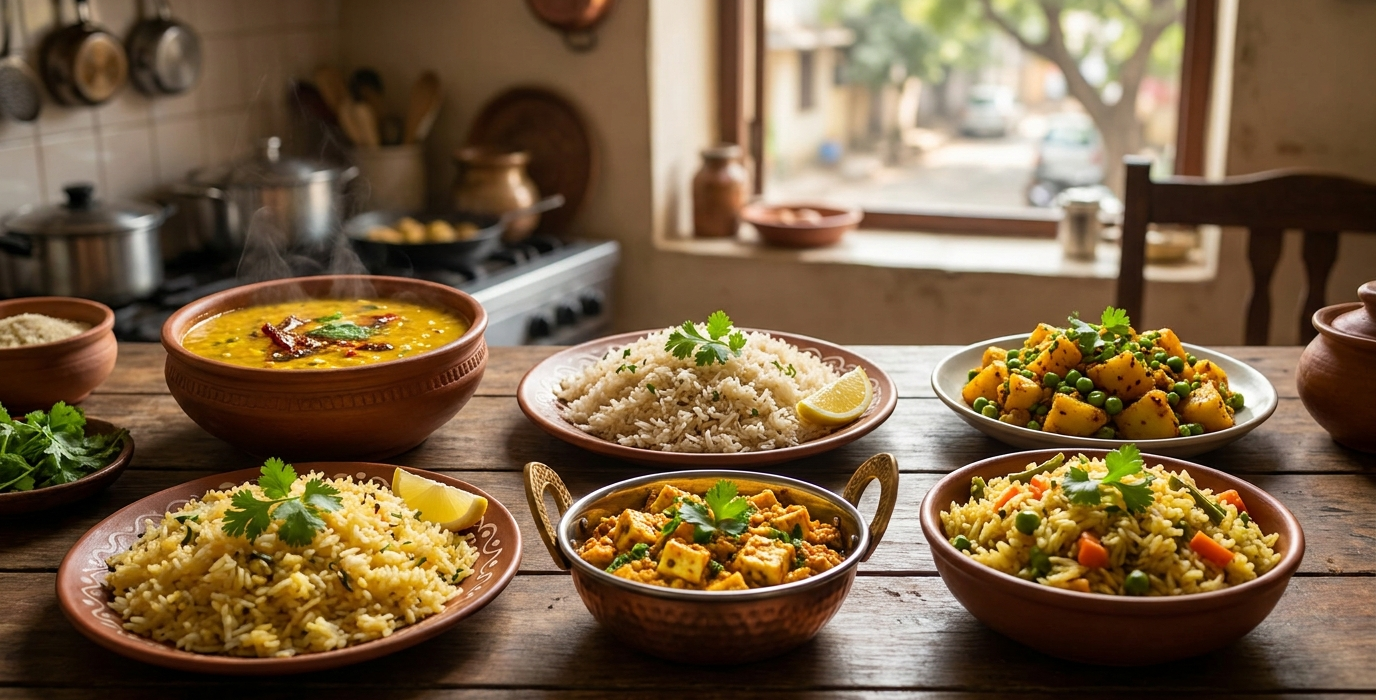
Dal Tadka is a cornerstone of Indian cuisine, a comforting lentil dish that’s both nutritious and incredibly satisfying. Traditionally, it might involve longer simmering times, but we’re cutting corners without sacrificing taste. For this quick version, we’ll use pre-washed masoor dal (red lentils), which cook significantly faster than other varieties. You can often find them in 500g packs at your local Indian grocery store or even larger supermarkets.
The magic of Dal Tadka lies in its tempering, or ‘tadka’, a fragrant explosion of spices fried in ghee or oil. For our 30-minute meal, we’ll boil the masoor dal with a pinch of turmeric and salt in a pressure cooker for just one whistle. While the dal cooks, you can prepare the tadka. Finely chop onions, tomatoes, garlic, and green chilies. Heat ghee in a small pan, add mustard seeds, cumin seeds, and asafoetida (hing). Once they splutter, add the chopped garlic and sauté until fragrant, followed by the green chilies and onions. Cook until the onions are golden brown. Then, add the chopped tomatoes and cook until they soften. Finally, stir in red chili powder and coriander powder. Pour this flavourful tadka over the cooked dal, give it a good mix, and garnish with fresh coriander leaves. This entire process, from washing lentils to garnishing, can easily be completed within 25 minutes.
Surprising Fact: The Humble Hing
Did you know that asafoetida, or ‘hing’, is derived from the dried latex of a giant fennel-like plant? It’s native to Iran and the Indian subcontinent. Its pungent aroma, often described as sulfurous when raw, mellows into a savoury, onion-garlic-like flavour when cooked, making it indispensable in many Indian vegetarian dishes, especially lentils.
Quick Paneer Bhurji: A Protein Powerhouse
Paneer Bhurji is a popular North Indian dish made from crumbled paneer (Indian cottage cheese). It’s often served for breakfast or as a side dish, but it’s hearty enough to stand as a main course, especially when paired with roti or paratha. The beauty of this dish is its versatility and speed. You can have a delicious, protein-rich meal ready in under 20 minutes, making it perfect for those days when hunger strikes unexpectedly.
The preparation is wonderfully simple. Start by crumbling about 200-250 grams of paneer into a bowl. Finely chop one medium onion, one tomato, and a couple of green chilies. If you’re not a fan of raw onions, you can sauté them first. Heat a tablespoon of oil or ghee in a non-stick pan. Add a pinch of cumin seeds and let them splutter. Then, add the chopped onions and sauté until they turn translucent. Add the green chilies and cook for another minute. Next, add the chopped tomatoes and cook until they soften and the oil starts to separate from the masala. Now, add your spices: turmeric powder, red chili powder, and coriander powder. Cook for a minute until the raw smell disappears. Finally, add the crumbled paneer and salt to taste. Mix everything well and cook for just 3-4 minutes, allowing the flavours to meld. Garnish generously with fresh coriander leaves. You can even add a splash of milk or cream for a richer texture if you have it on hand, but it’s delicious without it.
Serving Suggestion:
Serve hot with freshly made rotis, chapatis, or even toasted bread for a quick and satisfying meal. A side of plain yogurt or raita complements the richness of the paneer beautifully.
5-Minute Veggie Stir-fry with Indian Spices
When you’re really pressed for time, a vibrant vegetable stir-fry is your best friend. This isn’t your average stir-fry; we’re infusing it with classic Indian flavours that transform simple vegetables into an exciting dish. The key here is to have your vegetables pre-chopped or to use quick-cooking ones. Think bell peppers, onions, carrots, and beans.
Start by heating about two tablespoons of oil in a wok or large frying pan over high heat. Add a teaspoon of mustard seeds and a pinch of cumin seeds. Once they splutter, add a few curry leaves (if available) and a finely chopped green chili. Immediately add your chopped vegetables. Stir-fry them vigorously for about 5-7 minutes until they are crisp-tender. Don’t overcook them; we want that satisfying crunch. Now, reduce the heat slightly and add your spices: half a teaspoon of turmeric powder, one teaspoon of coriander powder, and half a teaspoon of red chili powder. Add salt to taste. Stir well to coat all the vegetables evenly with the spices. Cook for another 2-3 minutes, allowing the spices to bloom. You can add a squeeze of lemon juice at the end for a burst of freshness. This method ensures maximum flavour and minimal cooking time, keeping the vegetables vibrant and nutritious.
Time-Saving Tip:
Invest in a good vegetable chopper or use pre-cut vegetables from the market. This will shave off precious minutes from your prep time. You can also use frozen mixed vegetables for an even quicker option.
Lemon Rice (Chitranna): A South Indian Delight
Lemon Rice, or Chitranna, is a popular South Indian dish that’s as refreshing as it is quick to make. It’s often made using leftover rice, which makes it an ideal solution for lunch or a light dinner. The tangy citrus flavour combined with the aromatic spices makes it a truly delightful experience. You can prepare this dish in under 15 minutes if you have cooked rice ready.
Begin by preparing the tempering. Heat a tablespoon of oil in a pan. Add half a teaspoon of mustard seeds and a teaspoon of urad dal (split black gram) and chana dal (split chickpeas). Fry until the dals turn golden brown. Add a pinch of asafoetida, a few curry leaves, and one or two dried red chilies. Sauté for a few seconds. You can also add a few roasted peanuts or cashews for added crunch. Now, add the cooked rice (preferably cooled, day-old rice works best) to the pan. Squeeze the juice of one medium lemon over the rice. Add salt to taste and a pinch of turmeric powder for colour. Gently toss everything together, ensuring the lemon juice and spices are evenly distributed. Cook for just 2-3 minutes, allowing the rice to warm through. The key is to not overcook the rice, keeping it light and fluffy. Garnish with fresh coriander leaves and a few toasted casmonads if you like.
Surprising Fact: The Versatility of Dal
While we’ve focused on masoor dal, India boasts over 60 varieties of lentils and pulses. Each has a unique flavour profile and cooking time, offering an incredible spectrum of dishes. For instance, toor dal is commonly used in sambar, while moong dal is favoured for its light texture in everyday cooking. Understanding these nuances can elevate your quick dal preparations too.
Spiced Up Upma: Savoury Semolina Delight
Upma is a staple breakfast dish across South India, usually made from roasted semolina (rava). It’s hearty, filling, and incredibly versatile. While often a breakfast item, its quick preparation time makes it suitable for a light lunch or dinner, especially when you need something comforting and fast. Our spiced-up version adds a little more zing to the traditional recipe, making it a complete meal in under 20 minutes.
Start by dry-roasting about a cup of semolina (rava) in a pan until it turns golden and aromatic. Set it aside. In the same pan, heat a tablespoon of oil or ghee. Add half a teaspoon of mustard seeds, a teaspoon of urad dal, and a teaspoon of chana dal. Once the dals turn golden, add a pinch of asafoetida, a few curry leaves, and finely chopped green chilies and ginger. Sauté for about 30 seconds. Now, add finely chopped onions and sauté until they are translucent. You can also add other vegetables like peas, carrots, or finely chopped beans at this stage and cook for a couple of minutes. Slowly add about 2 cups of water to the pan and bring it to a rolling boil. Season with salt. Gradually add the roasted semolina while stirring continuously to avoid lumps. Cook, stirring, until the upma thickens and the semolina is cooked through, which usually takes about 5-7 minutes. Garnish with fresh coriander leaves and a squeeze of lemon juice. Some people also add a tablespoon of grated coconut for extra flavour and texture.
A Global Connection:
Semolina, the core ingredient of Upma, is also used in many other cuisines worldwide. In Italy, it’s the base for pasta and gnocchi, while in the Middle East, it’s used to make desserts like Basbousa. This global reach highlights the universal appeal of simple, versatile grains.
Sheet Pan Chicken Tikka: Minimal Mess, Maximum Flavour
For those who love the robust flavours of North Indian cuisine but dread the cleanup, a sheet pan chicken tikka is a revelation. This method simplifies the cooking process immensely, allowing you to achieve perfectly cooked, flavourful chicken with minimal dishes to wash. It’s ideal for a quick weeknight dinner that feels special, and the entire process from marination to serving can be managed within our 30-minute window, especially if you use boneless, pre-cut chicken pieces.
The key is a quick marinade. In a bowl, combine 250-300 grams of boneless chicken pieces (breast or thigh) with about 2 tablespoons of thick yogurt. Add your spice mix: 1 teaspoon each of ginger-garlic paste, tandoori masala, red chili powder, and garam masala. A pinch of turmeric and salt to taste. Squeeze in half a lemon’s juice. Mix everything thoroughly, ensuring each chicken piece is well-coated. Let it marinate for at least 10-15 minutes while you preheat your oven to 200°C (400°F). Line a baking sheet with parchment paper for easy cleanup. Arrange the marinated chicken pieces on the baking sheet in a single layer. You can add some chunks of onion and bell pepper tossed in a little oil and the same marinade for a complete meal. Bake for 15-20 minutes, or until the chicken is cooked through and slightly charred at the edges. The high heat ensures quick cooking and a lovely smoky flavour, reminiscent of tandoori cooking.
Comparison Table: Quick Indian Meal Options
| Dish | Approximate Prep Time | Key Ingredients | Main Flavour Profile | Serving Suggestion |
|---|---|---|---|---|
| Dal Tadka | 25 minutes | Masoor dal, Ghee, Spices, Onion, Tomato | Savory, Comforting, Spiced | Roti, Rice |
| Paneer Bhurji | 20 minutes | Paneer, Onion, Tomato, Spices | Rich, Savory, Mildly Spicy | Roti, Paratha, Bread |
| Vegetable Stir-fry | 15 minutes | Mixed Vegetables, Oil, Mustard Seeds, Spices | Fresh, Tangy, Aromatic | Rice, Roti |
| Lemon Rice | 15 minutes (with cooked rice) | Cooked Rice, Lemon Juice, Mustard Seeds, Urad Dal, Chana Dal | Tangy, Citrusy, Light | Curd, Pickle |
| Spiced Upma | 20 minutes | Semolina, Water, Mustard Seeds, Urad Dal, Chana Dal, Vegetables | Savory, Nutty, Comforting | Chutney, Yogurt |
| Sheet Pan Chicken Tikka | 25 minutes (including quick marination) | Chicken, Yogurt, Ginger-Garlic Paste, Tandoori Masala | Smoky, Tangy, Spicy | Salad, Mint Chutney, Naan |
The true art of Indian cooking lies not just in complex techniques, but in the intelligent use of spices and fresh ingredients to create deep flavours with remarkable efficiency.
Frequently Asked Questions
What are the essential spices for quick Indian cooking?
For speedy Indian dishes, keep staples like mustard seeds, cumin seeds, turmeric powder, red chili powder, coriander powder, and asafoetida (hing) readily available. Fresh ginger, garlic, and green chilies are also crucial for aromatic bases.
Can I make these recipes vegetarian or vegan?
Absolutely! Most of these recipes are easily adaptable. For Paneer Bhurji, you can use crumbled tofu for a vegan version. For Dal Tadka and Upma, ensure you use oil instead of ghee. The vegetable stir-fry and lemon rice are naturally vegetarian and can be made vegan by using oil.
How can I ensure my vegetables cook quickly and stay crisp?
Cut your vegetables into uniform, small pieces. Cook them over high heat and stir frequently. Avoid overcrowding the pan, as this steams the vegetables rather than stir-frying them. For dishes like stir-fries and upma, aim for ‘al dente’ or crisp-tender results.
What if I don’t have all the spices mentioned?
Don’t worry! Even a few basic spices can create delicious Indian flavours. Focus on cumin, coriander, turmeric, and chili powder. If you have garam masala, it’s a great all-in-one flavour booster. You can also find pre-made spice blends for specific dishes like ‘Tandoori Masala’ that simplify things further.
Can I use pre-cooked rice for Lemon Rice and Upma?
Yes, absolutely! In fact, day-old, chilled rice often works better for Lemon Rice as it’s drier and less likely to become mushy. For Upma, while it’s typically made from scratch, you can potentially use pre-cooked semolina if you find it, but the flavour is best when roasted fresh.