Key Takeaways
- Mumbai’s street food scene in 2026 offers an electrifying blend of traditional tastes and evolving culinary trends.
- From the iconic Vada Pav to lesser-known regional specialties, discover dishes that define the city’s gastronomic soul.
- Navigating Mumbai’s street food landscape requires an adventurous palate and an open mind, rewarding you with unforgettable flavours.
- We explore how hygiene practices and innovation are shaping the street food experience for locals and visitors alike.
The Unfolding Tapestry of Mumbai’s Street Food in 2026
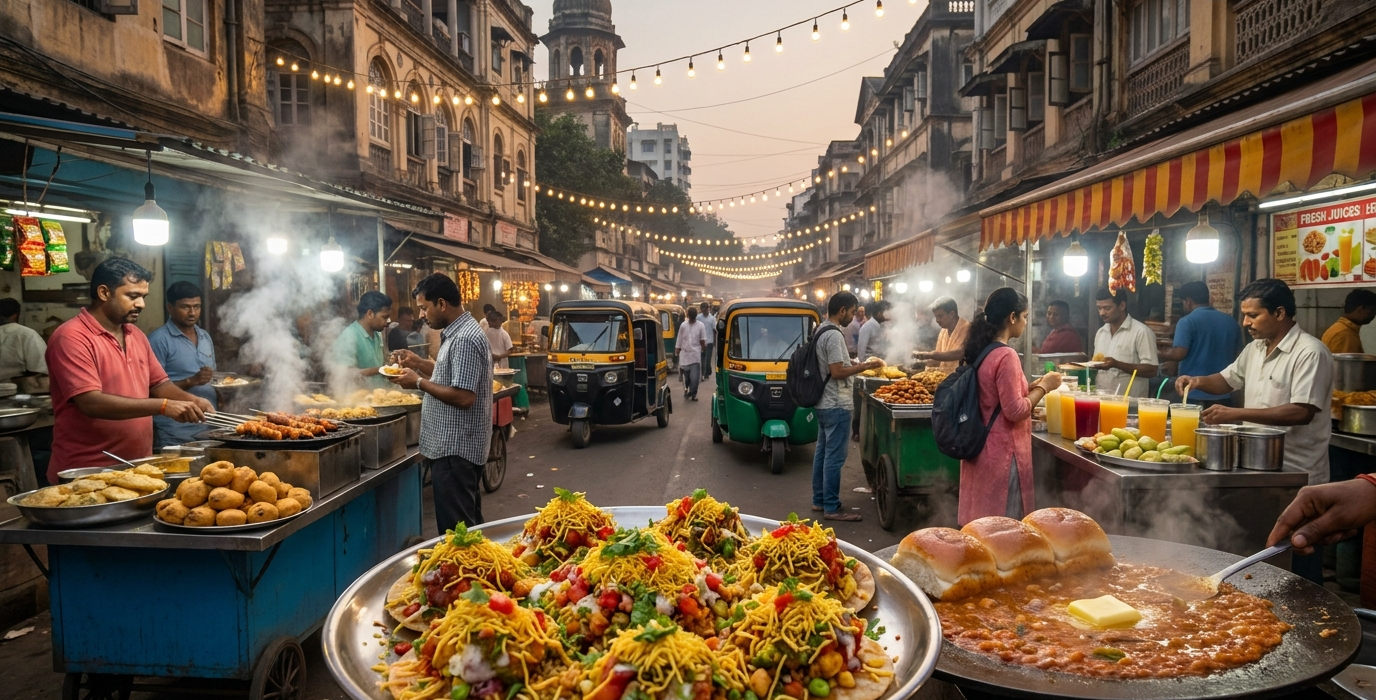
Mumbai’s streets are more than just thoroughfares; they are pulsing arteries of flavour, a testament to the city’s relentless energy. In 2026, this vibrant culinary landscape continues to evolve, offering an intoxicating mix of time-honoured classics and exciting new adaptations. From the bustling lanes of Mohammed Ali Road to the more relaxed promenades of Bandstand, the aroma of spices, frying snacks, and simmering gravies is an ever-present, irresistible invitation.
We’re not just talking about a few popular dishes here. Mumbai’s street food is a microcosm of India’s diverse culinary heritage, with influences from Gujarat, Maharashtra, Rajasthan, and beyond, all finding a home on its sidewalks. Vendors, many of whom have perfected their craft over generations, are increasingly embracing modern hygiene standards and innovative presentation, making the experience even more appealing for both seasoned locals and wide-eyed tourists.
This year, the scene feels particularly dynamic. While the beloved Vada Pav and Pav Bhaji remain king, you’ll find vendors experimenting with fusion flavours and healthier options. The sheer accessibility and affordability mean that experiencing the heart of Mumbai’s gastronomy is as simple as a short walk and a few rupees. Prepare your taste buds for a journey that is as much about the people and the place as it is about the incredible food.
The Reigning Monarchs: Vada Pav and Pav Bhaji
No exploration of Mumbai’s street food is complete without bowing down to its undisputed rulers: the Vada Pav and the Pav Bhaji. These are not just snacks; they are cultural icons, woven into the very fabric of daily life in the city. In 2026, their popularity shows no sign of waning, with countless stalls dedicating themselves to perfecting these comfort food staples.
The Vada Pav, often dubbed the “Indian burger,” is a humble yet magnificent creation. A spicy, deep-fried potato fritter (vada) is nestled within a soft, pillowy bun (pav), typically served with a potent garlic chutney and sometimes a fiery red chilli powder. Each bite is a symphony of textures and flavours – soft, crisp, spicy, and savoury. You’ll find vendors in every nook and cranny, each with their secret spice blend that makes their vada stand out.
Pav Bhaji, on the other hand, is a more substantial affair. A medley of mashed vegetables, simmered in a rich, buttery tomato-based gravy infused with a secret blend of spices, is served piping hot alongside butter-toasted pav. The vibrant orange hue and the intoxicating aroma are instantly recognisable. The best pav bhaji stalls in 2026 often offer a generous dollop of butter on top and a squeeze of lime, elevating the experience to pure culinary bliss. It’s a dish perfect for sharing, ideal for a quick lunch or a satisfying evening snack.
Beyond the Classics: Unearthing Hidden Gems
While Vada Pav and Pav Bhaji often steal the spotlight, Mumbai’s street food scene in 2026 is a treasure trove of lesser-known, yet equally delectable, delights. Venture beyond the obvious, and you’ll discover regional specialities and unique preparations that offer a deeper dive into the city’s culinary soul. These are the dishes that truly capture the adventurous spirit of Mumbai.
Consider the humble yet flavourful Misal Pav. Originating from Maharashtra, this spicy curry made from sprouted moth beans is topped with crunchy farsan (a savoury mix of fried snacks), onions, and a squeeze of lime. It’s a dish that packs a punch, and you’ll find dedicated Misal specialists in areas like Dadar and Thane, each boasting their unique level of spice and texture. The interplay of the soft pav and the crunchy, spicy misal is simply divine.
Another must-try is the Ragda Pattice. This popular snack features soft, white pea curry (ragda) served over crisp, pan-fried potato patties (pattice). It’s often garnished with tamarind and mint chutneys, chopped onions, and sev. The contrast between the soft ragda and the crisp pattice, combined with the tangy chutneys, creates a delightful explosion of flavours and textures. You’ll often find vendors near beaches like Juhu and Girgaum Chowpatty serving up this crowd-pleaser.
Did you know that Mumbai’s street food scene is so diverse that you can find authentic Bihari Litti Chokha stalls, particularly in areas with a significant migrant population? This offers a fascinating glimpse into the culinary migration that enriches the city’s palate.
A Taste of the Sea: Coastal Delights on the Go
Given its extensive coastline, it’s no surprise that Mumbai’s street food boasts an impressive array of seafood specialities. In 2026, these coastal delights are more accessible than ever, offering a fresh and zesty alternative to the more common vegetarian fare. Whether you’re a seafood aficionado or a curious foodie, these dishes are sure to tantalize your taste buds.
The undisputed star in this category is the Bombil Fry, also known as Bombay Duck Fry. Despite its name, it’s not a duck but a type of fish, small and elongated, coated in a spiced semolina or flour batter and deep-fried to a perfect crisp. The exterior is wonderfully crunchy, while the interior remains moist and flavourful. Served hot with a squeeze of lemon, it’s an addictive snack that perfectly captures the essence of Mumbai’s coastal cuisine.
Another popular choice is the Fish Koliwada. This dish features chunks of fish, marinated in a fiery red chilli paste and a blend of spices, then coated and deep-fried. The ‘Koliwada’ refers to the fishing villages from which this preparation likely originated. The spice level can be quite intense, making it a favourite among those who enjoy a bit of heat. You’ll often find excellent versions of this dish in areas like Sion and Worli, which have historical ties to the fishing communities.
Beyond these, keep an eye out for Prawns Fry and Squid Fry, prepared with similar marinades and frying techniques. These offer a delightful textural experience and a burst of fresh, oceanic flavour. Many vendors have perfected the art of frying seafood without making it rubbery, ensuring a tender and delicious result. The freshness of the catch is paramount, and in 2026, many vendors are sourcing directly from local markets to guarantee quality.
The Sweet Finale: Desserts and Drinks to Cool You Down
After a savoury adventure through Mumbai’s streets, the journey isn’t complete without indulging in its refreshing desserts and thirst-quenching beverages. In 2026, the city’s street vendors offer a delightful array of sweet treats and invigorating drinks that provide the perfect counterbalance to the spicy and rich flavours of the main courses.
Among the most beloved sweet offerings is the Kulfi Falooda. This isn’t your typical ice cream. Kulfi is a dense, frozen dessert made from milk, nuts, and flavourings like cardamom or saffron. It’s often served with falooda – thin vermicelli noodles cooked and cooled, mixed with rose syrup, basil seeds (sabja), and sometimes a scoop of ice cream. The combination of the creamy kulfi and the sweet, floral falooda is utterly delightful and incredibly satisfying on a warm Mumbai evening.
For something even more refreshing, look no further than the ubiquitous Nimbu Pani (lemonade) or the vibrant Kokum Sharbat. Nimbu Pani is a simple yet effective blend of fresh lime juice, water, sugar, and a hint of salt, providing instant hydration. Kokum Sharbat, made from the juice of the kokum fruit, has a distinct sweet and sour taste and is known for its cooling properties. It’s a beautiful deep magenta colour and is particularly popular during the hotter months.
And then there’s the Lassi. While often associated with Punjab, Mumbai has embraced the creamy yogurt-based drink with gusto. You can find plain sweet lassi, or variations infused with mango, cardamom, or even rose. It’s a rich, thick beverage that can be a dessert in itself. Many street stalls now also offer freshly squeezed fruit juices, with sugarcane juice being a perennial favourite for its natural sweetness and energy-boosting qualities.
Navigating the Scene: Tips for the Savvy Street Food Explorer
Embarking on a street food adventure in Mumbai in 2026 is an exhilarating experience, but a little preparation and awareness can go a long way. To truly enjoy the city’s vibrant culinary offerings, we’ve gathered some essential tips to help you navigate the bustling stalls with confidence and pleasure.
Choose wisely: Look for stalls that are busy with locals. This is usually a good indicator of good food and high turnover, meaning ingredients are fresh. Also, observe the vendor’s hygiene practices. Are they using clean utensils? Do they have covered containers for ingredients? Are they washing their hands? While perfection is rare, a general sense of cleanliness is important.
Start slow: If you have a sensitive stomach, it’s wise to start with cooked items like Vada Pav or Pav Bhaji, which are typically prepared fresh and served hot. Avoid raw or pre-cut fruits and vegetables initially. Drink only bottled or filtered water.
Embrace the experience: Don’t be afraid to try new things and engage with the vendors. They are often passionate about their food and can offer recommendations. Be open to trying regional specialities that might be less familiar to you. Remember, the local language isn’t always necessary; a smile and a pointing finger can go a long way.
Carry essentials: Always have hand sanitizer and some tissues handy. Small denominations of cash are also crucial, as many street vendors do not accept digital payments.
When to go: For a truly authentic experience, consider visiting popular food areas like Mohammed Ali Road during the evenings, especially during festive seasons, when the street transforms into a culinary wonderland. Areas like Linking Road in Bandra or the lanes around Crawford Market offer diverse options throughout the day.
“Mumbai’s street food is a democratic feast, a place where the richest flavours are served on the simplest plates, accessible to everyone and telling a story of resilience and flavour with every bite.”
Frequently Asked Questions
What are the safest street food options for first-time visitors in 2026?
For first-time visitors, cooked and hot items are generally the safest. Think Vada Pav, Pav Bhaji, or grilled kebabs if you find a reputable vendor. Always prioritize stalls with high foot traffic and visible hygiene practices. Bottled water is a must.
Are there any vegetarian-exclusive street food hubs in Mumbai?
While many stalls offer vegetarian options, specific vegetarian-exclusive hubs are less common. However, areas like Dadar are known for their concentration of Maharashtrian eateries that heavily feature vegetarian dishes like Misal Pav and Thalipeeth. You can also find excellent vegetarian choices around temples and in Gujarati-dominated areas.
How has technology impacted Mumbai’s street food scene in 2026?
Technology is making inroads. Many vendors now accept digital payments via UPI. Some are even using social media to promote their stalls and attract customers. Food delivery apps also list many street food vendors, expanding their reach beyond the physical stall.
What is the most surprisingly affordable yet delicious street food in Mumbai?
The Vada Pav is arguably the most surprisingly affordable yet delicious street food. For as little as ₹15-₹20, you get a filling and flavourful snack that has sustained Mumbaikars for decades. It’s a testament to how incredible flavour doesn’t always require a high price tag.