Key Takeaways
- Mumbai’s metro network has significantly expanded by August 2026, promising a faster, more predictable commute for millions.
- New lines and integrated ticketing are set to drastically reduce travel times across key corridors, impacting daily life from Thane to Colaba.
- Understanding the updated network map and feeder services is crucial for optimising your journey and leveraging the new infrastructure.
- Beyond speed, the metro expansion drives urban regeneration, offering new economic opportunities and influencing real estate along its routes.
The Transformed Commute: Faster, Further, Freer
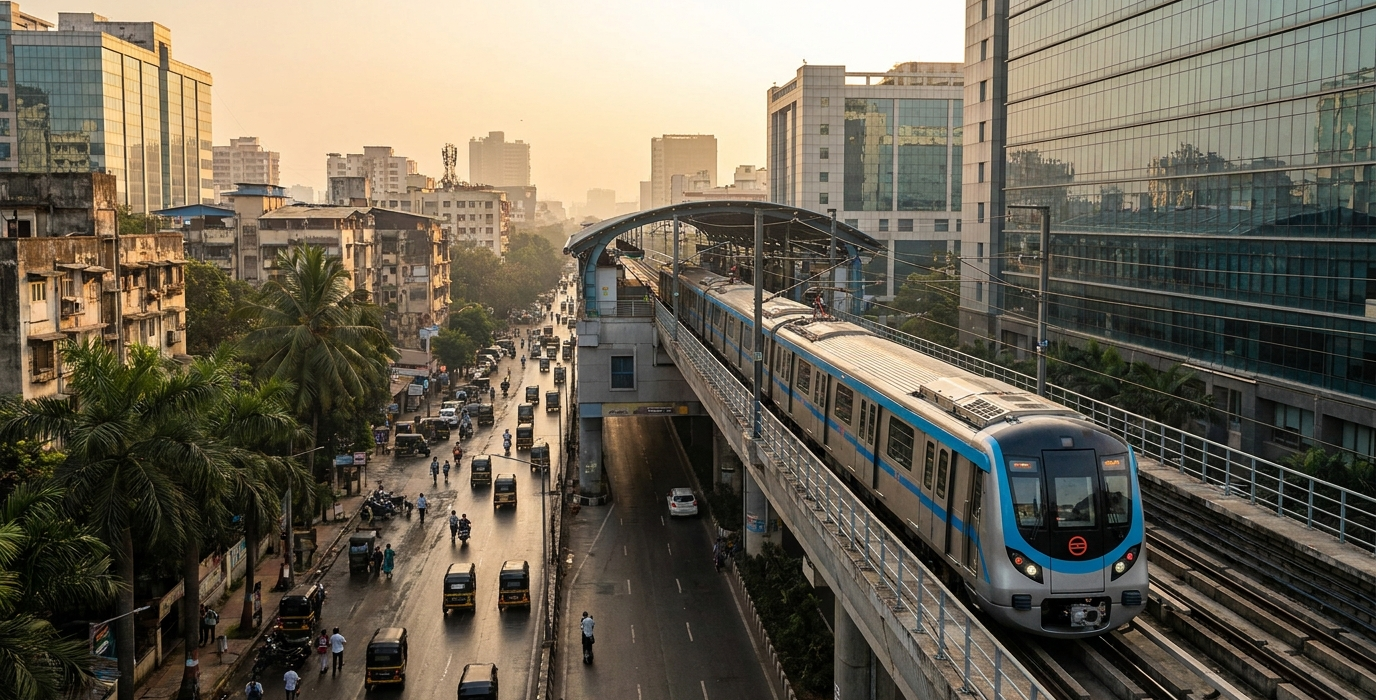
Mumbai’s skyline isn’t the only thing that’s changed; your daily commute has undergone a revolution. As of August 2026, the city’s metro network has dramatically expanded, weaving a web of steel and speed that connects previously disparate parts of this sprawling metropolis. Gone are the days of unpredictable local train delays and suffocating bus rides for many. You can now traverse vast distances in a fraction of the time, making your daily grind feel less like a battle and more like a breeze.
We’re talking about a tangible shift in how Mumbaikars navigate their city. Imagine leaving your home in Thane and reaching the bustling financial district of Bandra in under an hour, without the stress of traffic jams. Or consider a journey from the southern tip of Colaba to the northern suburbs of Dahisar, now seamlessly achievable via integrated metro lines. This isn’t just about convenience; it’s about reclaiming hours of your life, hours that can be spent with family, pursuing hobbies, or simply resting before another demanding day. The government’s commitment to this ambitious project has paid off, delivering a modern urban transport backbone.
Navigating the New Network: What You Need to Know
The sheer scale of the new metro lines can feel overwhelming at first, but understanding the core of the expanded network is straightforward. By August 2026, you’ll find three major new corridors complementing the existing lines, significantly extending the reach. These new lines are designed with interconnectivity as a priority, meaning seamless transfers between them are now a reality. The days of complex, multi-modal journeys involving auto-rickshaws and long walks are fading.
Look closely at the updated network map, and you’ll see how key hubs like Dadar, Andheri, and the upcoming CSMT interchange are now central to multiple lines. This strategic placement ensures that no matter where you live or work, you’re likely within easy reach of a metro station. Furthermore, integrated ticketing systems, including the ubiquitous FASTag-enabled smart cards and mobile apps, have been rolled out across all operational lines. This means you can tap in and tap out without fumbling for separate tokens for each leg of your journey, a small but significant improvement to your daily transit.
Feeder Services: Bridging the Last Mile
The metro is only as good as its connection to your doorstep. To address the ‘last mile’ challenge, an enhanced network of feeder buses and shared e-rickshaws has been deployed. These services are specifically designed to connect metro stations to residential areas, commercial complexes, and other public transport hubs that aren’t directly on a metro line. You can easily find these feeder services waiting outside major stations, ready to whisk you away to your final destination. Their schedules are often synchronised with metro timings, minimising wait times.
The Economic Ripple Effect: Beyond the Commute
The impact of Mumbai’s expanded metro network extends far beyond making your daily commute faster. It’s a catalyst for significant urban regeneration and economic growth. Areas that were once considered remote or difficult to access are now becoming prime locations for businesses and residential development. This increased connectivity opens up new employment opportunities for people living in the suburbs, reducing the need to travel long distances for work.
Think about the commercial hubs sprouting up around newly established metro stations in areas like Goregaon and Chembur. These developments bring with them retail spaces, restaurants, and entertainment venues, creating vibrant local economies. Property values in these newly accessible neighbourhoods have seen a noticeable uptick, reflecting the desirability of being close to efficient public transport. This is a clear example of how infrastructure investment can directly stimulate economic activity and improve the quality of life for residents. The metro is not just a transport system; it’s an engine for urban development.
Sustainability and Environmental Gains: A Greener Mumbai
In an era where environmental concerns are paramount, Mumbai’s metro expansion is a significant step towards a greener future. By providing a viable and attractive alternative to private vehicles, the metro is helping to reduce carbon emissions and air pollution across the city. Every person who chooses the metro over their car or bike contributes to cleaner air for everyone. This shift is crucial for Mumbai, a city already grappling with the challenges of dense population and traffic congestion.
The reduction in the number of vehicles on the road also means less noise pollution, creating a more pleasant urban environment. Furthermore, the construction of the metro itself has incorporated sustainable practices, including the use of energy-efficient materials and technologies. The operational energy for many of the newer lines is also increasingly sourced from renewable energy, further bolstering its green credentials. This commitment to sustainability is not just a buzzword; it’s a practical approach to building a liveable city for generations to come.
The expanded metro network is not just about reducing travel time; it’s about giving back the most precious commodity Mumbaikars have: time. This reclaimed time fosters productivity, strengthens community bonds, and enhances overall well-being.
Real Estate and Urban Planning: Reshaping the City’s Geography
The metro’s influence on Mumbai’s real estate landscape is profound and multifaceted. As new lines open up previously underserved areas, property developers are investing heavily in these emerging corridors. We’re seeing a rise in mixed-use developments, combining residential apartments with commercial spaces and retail outlets, all strategically located near metro stations. This creates self-sustaining communities where residents can live, work, and shop without needing to travel extensively.
Areas like Wadala, once a less sought-after locale, are now experiencing a renaissance due to their integration into the metro network. This has led to a surge in demand for housing and commercial properties, driving up rental yields and property values. The city’s urban planners are also leveraging the metro’s reach to guide future development, ensuring that new projects are integrated with public transport infrastructure. This proactive approach aims to prevent the kind of haphazard sprawl that has plagued many cities, promoting a more organised and sustainable urban form. The days of being tied to areas with limited transport access are rapidly diminishing.
Cultural Hubs and Connectivity: Rediscovering Mumbai
Mumbai’s rich tapestry of cultural hubs is now more accessible than ever, thanks to the expanded metro. Whether you’re a student heading to a lecture at the University of Mumbai in Fort, an art enthusiast visiting galleries in Kala Ghoda, or a foodie exploring the street food scene in Mahim, the metro offers a swift and convenient way to get there. Journeys that once took over an hour and involved multiple changes can now be completed in under 30 minutes. This ease of access is revitalising these cultural precincts, encouraging more people to explore what Mumbai has to offer beyond their immediate neighbourhoods.
Consider theatres in South Mumbai or music venues in Bandra; they are now within easy reach for residents from the far suburbs. This increased accessibility fosters a greater appreciation for the city’s diverse cultural offerings and strengthens the sense of shared urban identity. The metro acts as a connector, not just of places, but of people and experiences. You can now plan spontaneous outings to visit a museum or attend a performance without the dread of a long, arduous journey. It’s about experiencing the heart of Mumbai more fully and frequently.
Frequently Asked Questions
When did the major expansions to Mumbai’s metro network occur?
The most significant expansions and new line inaugurations that have transformed the network were completed by August 2026, integrating several key corridors and extending reach across the city.
How can I find the most efficient route using the new metro lines?
You can use popular mapping applications like Google Maps or dedicated Mumbai Metro apps, which have been updated to reflect the new lines and integrated ticketing. These apps provide real-time updates and optimal route suggestions.
Are there any new ticketing options available with the expanded network?
Yes, an enhanced integrated ticketing system is now fully operational. This includes advanced smart cards that work across all metro lines and are often compatible with other public transport systems, as well as seamless mobile payment options.
What impact does the metro expansion have on air quality in Mumbai?
By offering a cleaner alternative to private vehicles, the metro is significantly contributing to reduced air pollution and carbon emissions in Mumbai, leading to a healthier urban environment.