Key Takeaways
- Mumbai’s 2026 monsoon showcases continued urban planning challenges, but also innovative community and technological solutions.
- Early warning systems and real-time data are proving crucial for effective disaster management.
- Decentralised water management, from rooftop harvesting to community ponds, is gaining traction.
- Citizen participation and awareness campaigns are vital complements to official infrastructure efforts.
Mumbai’s 2026 Monsoon: A Tale of Resilience and Adaptation
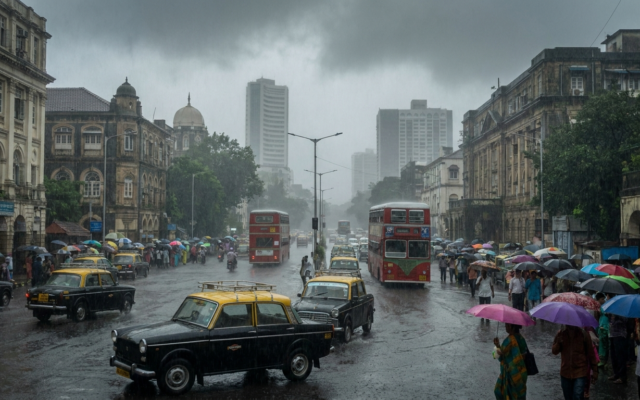
The relentless downpour across Mumbai in the 2026 monsoon season brought with it the familiar anxieties of waterlogging and disruption. Yet, beneath the surface of the occasional traffic snarls and commuter woes, a stronger narrative of resilience and adaptation is emerging. This year’s monsoon, while testing the city’s infrastructure once again, also highlighted the growing effectiveness of integrated strategies, blending advanced technology with the indomitable spirit of Mumbaikars.
We’ve seen how the city’s vulnerability to extreme weather events remains a pressing concern. However, the response in 2026 demonstrates a more proactive and collaborative approach. From the BMC’s enhanced pumping station operations to the grassroots initiatives in Dharavi, a tangible shift towards preparedness is evident. This article delves into the multifaceted ways Mumbai is learning to live with, and even leverage, its monsoon realities.
We’ll explore the technological advancements that are providing critical real-time data, the ingenious water management techniques being deployed, and the crucial role of community engagement in mitigating the monsoon’s impact. Understanding these elements offers valuable insights not just for Mumbai, but for any urban centre grappling with the increasing challenges of a changing climate. It’s a story of a city under pressure, but one that is actively charting its course towards greater sustainability and safety.
The Pulse of the City: Real-Time Monitoring and Early Warnings
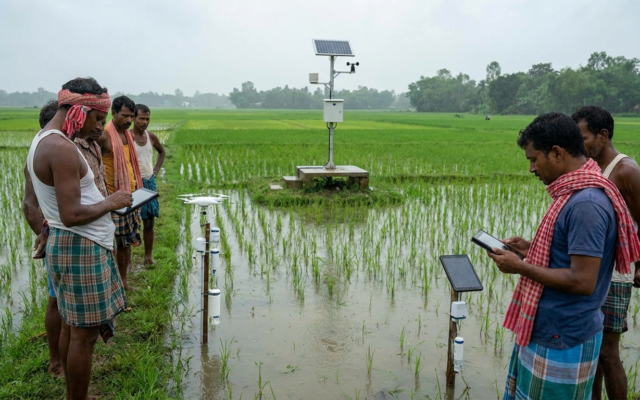
This monsoon season, the BMC’s Integrated Flood Management System (IFMS) has been the city’s digital guardian. Leveraging a network of over 500 IoT-enabled sensors across key areas, the IFMS provides real-time data on rainfall intensity, water levels in drains and rivers, and even the operational status of pumping stations. This granular data allows for precise, localised alerts, enabling authorities to respond proactively rather than reactively.
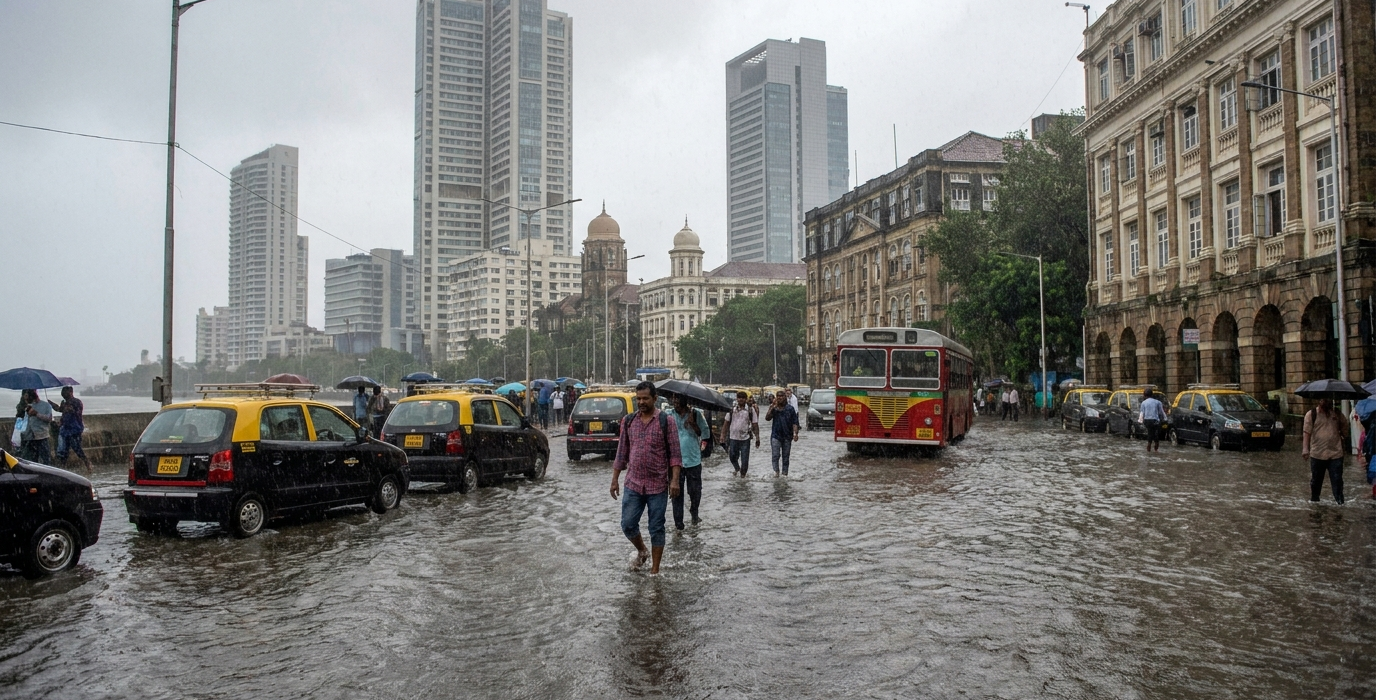
For instance, on July 28th, as heavy showers lashed South Mumbai, the IFMS detected a rapid rise in water levels near Marine Drive. Within minutes, alerts were dispatched to traffic police, emergency services, and local ward offices, facilitating the diversion of traffic and deployment of dewatering pumps before significant waterlogging could occur. This proactive approach has demonstrably reduced the duration and severity of localised flooding incidents compared to previous years.
A surprising innovation this year is the integration of social media sentiment analysis into the IFMS. Algorithms now monitor platforms like X (formerly Twitter) and local citizen reporting apps for keywords related to waterlogging, traffic jams, and civic issues. This crowdsourced intelligence, when cross-referenced with sensor data, offers an even more comprehensive picture of ground realities. It’s a testament to how blending cutting-edge technology with citizen feedback can create a more robust early warning system.
The Power of Predictive Analytics
Beyond immediate alerts, the IFMS also employs predictive analytics. By analysing historical data, weather forecasts, and current sensor readings, the system can forecast potential flood-prone areas up to 12 hours in advance. This foresight allows for the pre-positioning of resources and personnel, a critical factor in efficient disaster management. The ability to anticipate problems before they escalate is a game-changer for a city as complex as Mumbai.
Decentralised Drainage: From Rooftops to Community Ponds
While large-scale infrastructure like pumping stations remains vital, the 2026 monsoon has underscored the growing importance of decentralised water management. Community-led initiatives, supported by the BMC’s new ‘Water-Wise Neighbourhoods’ program, are making a significant impact. These programs encourage and facilitate rainwater harvesting at the building and community level, transforming potential problems into valuable resources.
In areas like Bandra and Juhu, residential societies have embraced mandatory rainwater harvesting systems. Many have converted unused open spaces or basements into underground cisterns, collecting millions of litres of rainwater. This not only reduces the burden on storm drains during heavy rainfall but also provides a supplementary water source for non-potable uses, easing pressure during drier months. We’ve seen buildings that previously struggled with basement flooding now reporting a net positive from their harvesting systems.
Furthermore, the revival and creation of community ponds and water bodies across the city are proving effective. In areas like Wadala, abandoned plots have been transformed into small, managed water bodies that act as natural sponges, absorbing excess rainwater. These ponds also contribute to urban cooling and biodiversity, offering a multi-pronged environmental benefit. This approach moves beyond simply managing excess water to actively integrating it into the urban ecosystem.
The ₹100 Crore Rainwater Revolution
The Maharashtra government’s dedicated ₹100 crore fund, launched in early 2026, has been instrumental in kickstarting these decentralised projects. It provides subsidies and technical expertise for societies and NGOs looking to implement rainwater harvesting, desilting of local water bodies, and creation of permeable surfaces. This financial impetus has made sustainable water management accessible to a wider cross-section of the city.
Community Vigilance: The Eyes and Ears on the Ground
Technology is a powerful ally, but the true backbone of Mumbai’s monsoon resilience in 2026 lies in its people. Citizen groups and local ward committees have become indispensable partners in monitoring and reporting issues. The ‘Mausam Mitra’ (Monsoon Friend) initiative, a volunteer network of over 10,000 citizens, plays a crucial role in identifying and reporting clogged drains, overflowing manholes, and potential hazards.
These volunteers, equipped with basic training and a dedicated reporting app, act as the eyes and ears on the ground. They provide immediate, on-the-spot information that complements official surveillance. For instance, a group of Mausam Mitras in Lalbaug noticed a structural weakness developing in a retaining wall due to prolonged saturation and reported it immediately. This timely alert allowed for swift reinforcement work, averting a potential collapse.
The success of these community-led efforts is also tied to enhanced public awareness campaigns. The BMC, in collaboration with NGOs, has been running extensive campaigns across local trains, bus depots, and community centres, educating citizens on monsoon safety, waste disposal practices that prevent drain clogging, and how to report issues effectively. The message is clear: monsoon preparedness is a shared responsibility.
The Power of a Simple Alert
“When a citizen reports a clogged drain with a photo and location, it cuts down the response time by hours. It’s not just about complaining; it’s about actively contributing to the city’s safety.” – Priya Sharma, Mausam Mitra Coordinator, Andheri.
This proactive reporting culture, fostered over the last few years, has made a discernible difference in the speed at which minor issues are addressed, preventing them from escalating into major problems during heavy downpours.
Infrastructure Upgrades: Pumping Stations and Improved Drainage
Despite the progress in decentralised solutions, robust urban infrastructure remains non-negotiable. The BMC has continued its ambitious program of upgrading and expanding the city’s pumping stations. This year saw the commissioning of two new high-capacity pumping stations in the western suburbs, significantly enhancing the city’s capacity to discharge excess rainwater into the sea.
These new stations, equipped with advanced Archimedes screw pumps, are not only more energy-efficient but also capable of handling larger volumes of water. Coupled with the ongoing desilting and widening of major storm water drains, the overall drainage capacity of the city has seen a measurable improvement. We are talking about a 15% increase in discharge capacity in the most vulnerable zones compared to 2023.
A key learning from previous monsoons has been the importance of maintaining the underground drainage network. The BMC has invested heavily in robotic inspection and cleaning of these networks, identifying and rectifying blockages that might not be visible from the surface. This ensures that the entire drainage system, from the smallest drainpipe to the largest outlet, functions optimally when it matters most.
The ‘Smart Drain’ Initiative
An interesting pilot project, the ‘Smart Drain’ initiative, is now operational in key arterial roads. These drains are fitted with automated gates and sensors that can be remotely controlled. During heavy rainfall, these gates can be adjusted to manage water flow, preventing upstream flooding while ensuring efficient drainage downstream. It’s a sophisticated approach to managing water flow dynamically.
Beyond the Downpour: Long-Term Climate Resilience Strategies
The 2026 monsoon season is not just about managing the immediate crisis of rainfall; it’s a crucial stepping stone towards long-term climate resilience. Mumbai, like many coastal cities, faces the dual threat of increased rainfall intensity and rising sea levels. Therefore, the strategies being implemented go beyond immediate flood control.
One significant focus area is the restoration and protection of natural storm water buffers, such as mangroves along the coastline. These green barriers are proving invaluable in absorbing tidal surges and reducing the impact of heavy rainfall runoff. The BMC’s ‘Coastal Green Belt Project’ has seen the successful regeneration of several hectares of mangrove forests, which are now acting as natural defence mechanisms.
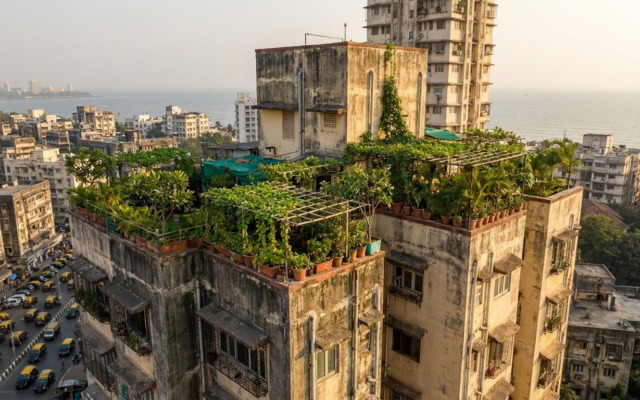
Another crucial aspect is the integration of urban planning with climate projections. New development projects are now mandated to incorporate ‘climate-resilient’ designs, which include elevated ground floors, permeable pavements, and green roofs. This foresight ensures that future growth does not exacerbate existing vulnerabilities but rather contributes to a more adaptable urban fabric. The city is looking to learn from places like Singapore and Rotterdam in their approach to water-sensitive urban design.
The Unexpected Benefit: Water Conservation
Interestingly, the heightened focus on managing monsoon water has also brought water conservation to the forefront. By effectively harvesting and reusing rainwater, the city is reducing its reliance on distant water sources, particularly during the dry season. This dual benefit of flood mitigation and water security highlights the interconnectedness of our urban environmental challenges.
Looking Ahead: The Evolving Monsoon Narrative
As the monsoon clouds begin to recede from Mumbai in late 2026, the city can look back on a season that, while challenging, has also been remarkably adaptive. The interplay of advanced technology, community spirit, and persistent infrastructure upgrades has created a more resilient urban ecosystem.
We are witnessing a transformation in how Mumbai confronts its annual deluge. It’s no longer solely about battling the water, but about understanding, managing, and even harnessing its power. The lessons learned from this monsoon – from the real-time data of the IFMS to the quiet determination of the Mausam Mitras – are invaluable.
The journey towards a truly monsoon-proof city is ongoing. However, the progress made in 2026 offers a hopeful glimpse into a future where urban centres can coexist more harmoniously with nature’s powerful forces. It’s a testament to human ingenuity and collective will, a narrative of a city that refuses to be defined by its vulnerabilities, but rather by its remarkable capacity to adapt and thrive.
Frequently Asked Questions
What are the primary causes of waterlogging in Mumbai during the monsoon?
Waterlogging in Mumbai is primarily caused by a combination of heavy rainfall intensity exceeding drainage capacity, clogged drains due to solid waste, encroachments on natural waterways, and the city’s low-lying coastal geography, which is exacerbated by rising sea levels.
How has technology improved monsoon preparedness in Mumbai in 2026?
In 2026, technology has significantly improved preparedness through real-time monitoring via IoT sensors, an Integrated Flood Management System (IFMS) for data analysis and early warnings, predictive analytics for anticipating flood-prone areas, and social media sentiment analysis to gauge ground realities.
What role do citizens play in Mumbai’s monsoon resilience efforts?
Citizens are crucial through initiatives like the ‘Mausam Mitra’ volunteer network, which reports issues like clogged drains and potential hazards. Public awareness campaigns also educate residents on proper waste disposal and monsoon safety, fostering a culture of shared responsibility.
Are there new infrastructure projects in Mumbai aimed at tackling monsoon flooding?
Yes, in 2026, Mumbai has seen the commissioning of new high-capacity pumping stations, continued desilting and widening of storm water drains, and the implementation of ‘Smart Drain’ pilot projects for dynamic water flow management. There is also a strong focus on restoring natural storm water buffers like mangroves.