Key Takeaways
- India’s economy is projected for robust growth in 2026, driven by domestic demand and strategic government policies.
- Sectors like manufacturing, renewable energy, and digital services are poised for significant expansion, creating new opportunities.
- While challenges like global economic headwinds and inflation persist, India’s diversified economy offers resilience.
- Understanding these growth drivers and potential hurdles is crucial for businesses and individuals alike in navigating the economic landscape.
India’s Economy: A Look Ahead to 2026 Growth
As we navigate the mid-point of 2026, the Indian economy continues to demonstrate remarkable resilience and dynamism. Projections for the current fiscal year are painting a picture of sustained, strong growth, outpacing many global counterparts. This isn’t just a matter of numbers; it reflects a fundamental shift in India’s economic architecture, driven by a confluence of strategic policy interventions and robust domestic consumption.
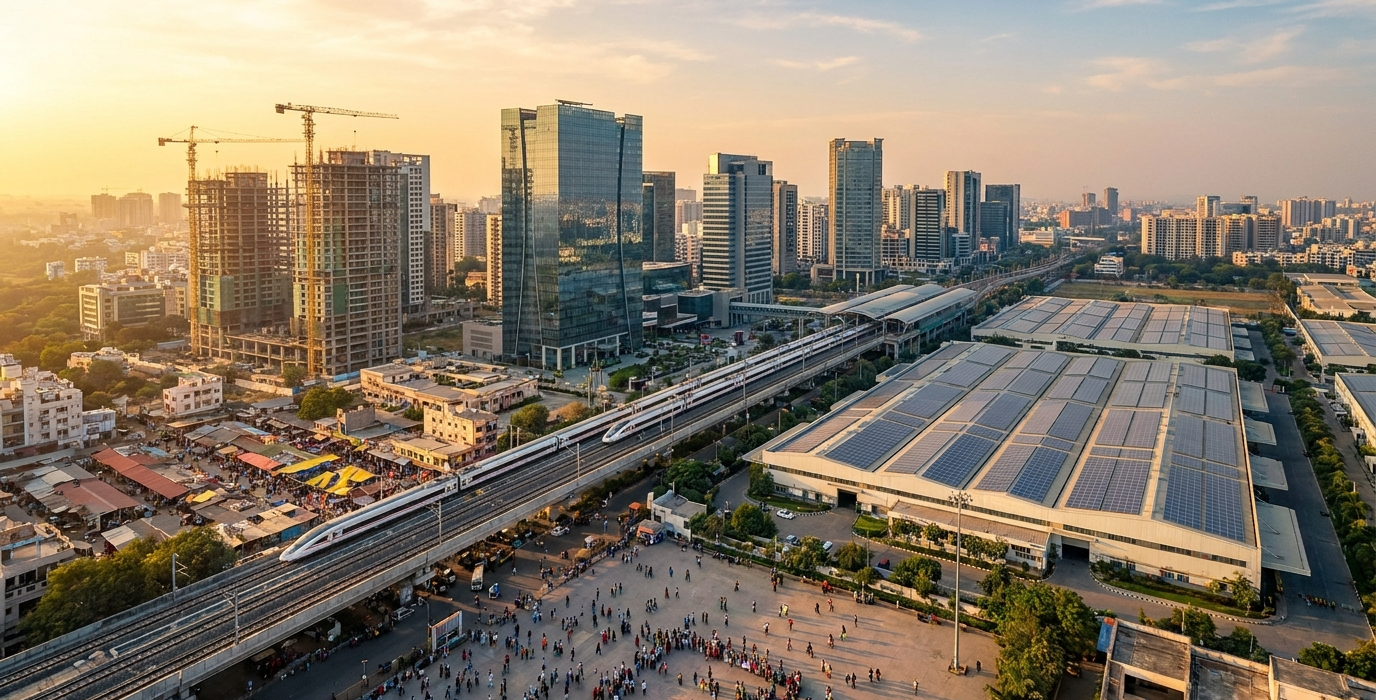
We’re seeing a consistent upward trajectory, fueled by a growing middle class with increasing disposable incomes. The government’s focus on infrastructure development, manufacturing incentives, and digital transformation is creating a fertile ground for economic expansion. This proactive approach aims to not only boost GDP but also to ensure inclusive growth, bringing more people into the formal economy and enhancing their livelihoods.
The story of India’s economic growth in 2026 is one of calculated ambition and tangible progress. It’s about leveraging our demographic dividend and technological advancements to build a more prosperous future. We’ll delve into the specific sectors that are spearheading this growth and the underlying factors that are contributing to this optimistic outlook. Understanding these nuances is vital for anyone looking to participate in or benefit from India’s economic ascent.
Manufacturing’s Resurgence: From ‘Make in India’ to ‘Make for the World’
The manufacturing sector is no longer just a domestic engine; it’s rapidly becoming a global powerhouse for India. Initiatives like the Production-Linked Incentive (PLI) schemes are yielding significant results, attracting both domestic and foreign investment across various sub-sectors. We’re witnessing a tangible shift from merely assembling products to designing and manufacturing complex goods for international markets.
Sectors such as electronics, pharmaceuticals, and automotive are leading this charge. Consider the remarkable growth in semiconductor manufacturing facilities being established, a testament to India’s ambition to become a key player in global supply chains. The government’s focus on ease of doing business and reducing regulatory hurdles has further accelerated this trend, making India a more attractive destination for manufacturing investments.
Beyond large-scale industries, there’s a burgeoning ecosystem of small and medium-sized enterprises (SMEs) that are benefiting from improved access to credit and technology. These SMEs are crucial for job creation and for diversifying India’s manufacturing base. Their ability to innovate and adapt to market demands is a key component of the ‘Make for the World’ narrative we are seeing unfold.
A surprising fact is that while many countries are grappling with deindustrialisation, India’s manufacturing sector has seen its share in the overall economy steadily increase over the past few years, a trend that is set to continue through 2026. This is a significant achievement, reflecting strategic planning and effective execution.
The Digital Leap: India’s Evolving Tech Landscape
India’s digital economy is expanding at an exponential pace, transforming how we live, work, and interact. The widespread adoption of affordable smartphones and high-speed internet, particularly in Tier 2 and Tier 3 cities, has democratized access to digital services. This digital revolution isn’t confined to urban centers; it’s reaching into the heart of rural India.
The fintech sector continues to be a disruptor, with UPI (Unified Payments Interface) transactions reaching unprecedented volumes. This has not only streamlined payments but also fostered financial inclusion, bringing millions into the formal banking system. We are also seeing innovative solutions in areas like ed-tech and health-tech, leveraging technology to address critical societal needs.
The government’s Digital India initiative, coupled with private sector innovation, is creating a vibrant ecosystem for startups and tech-enabled businesses. Investments in AI, machine learning, and data analytics are growing, positioning India as a hub for technological innovation. This digital transformation is a crucial pillar of our economic growth, enhancing productivity and creating new avenues for employment.
We are also seeing a significant increase in the export of IT services and digital solutions. Indian IT firms are not just providing services; they are co-creating and innovating with global clients. This outward-looking approach is a key driver of our economic competitiveness in the global arena. The sheer volume of digital transactions processed daily is a staggering testament to this transformation.
Renewable Energy: Powering Sustainable Growth
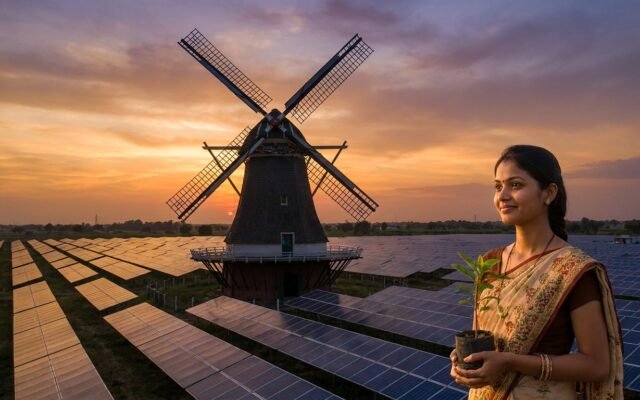
India’s commitment to renewable energy is not just an environmental imperative; it’s a powerful driver of economic growth and energy security. The nation is on track to meet and exceed its ambitious targets for renewable energy capacity by 2026. Solar and wind power are leading the charge, with significant investments in large-scale projects and distributed generation.
The falling costs of solar panels and advancements in energy storage technologies are making renewables increasingly competitive with traditional fossil fuels. This transition is creating a new green economy, generating jobs in manufacturing, installation, and maintenance. Moreover, it reduces our reliance on imported fossil fuels, thereby improving our trade balance.
Beyond solar and wind, there’s a growing focus on green hydrogen, with several pilot projects underway. This has the potential to revolutionize sectors like transportation and heavy industry. The government’s supportive policies, including tax incentives and grid connectivity support, are crucial in accelerating this transition.
The impact of this green energy push extends beyond emissions reduction. It is fostering technological innovation and attracting significant foreign investment. Countries and companies are keen to partner with India in its renewable energy journey, recognizing its vast potential and commitment. This sector is not just about generating power; it’s about building a sustainable and self-reliant energy future for India.
Domestic Consumption: The Unstoppable Engine
At the heart of India’s economic resilience lies its vast and growing domestic consumption. With a population exceeding 1.4 billion and a rapidly expanding middle class, the demand for goods and services remains robust. This sustained consumer spending acts as a powerful buffer against global economic volatility.
We are observing a clear trend of increasing disposable incomes, particularly in urban and semi-urban areas. This translates into higher spending on everything from essential goods and services to discretionary items like electronics, automobiles, and leisure activities. The aspirational nature of the Indian consumer is a key factor driving this demand.
The rise of e-commerce has further amplified consumption patterns, making a wider array of products accessible to consumers across the country. This has also spurred growth in logistics and delivery services, creating further employment opportunities. The festive seasons, in particular, continue to be major consumption drivers, with sales figures often exceeding expectations.
Government initiatives aimed at boosting rural incomes and strengthening the rural economy also play a critical role in sustaining overall domestic demand. A surprising insight is how effectively government spending on infrastructure projects in rural areas has translated into increased local employment and, subsequently, higher consumption in those regions. This interconnectedness of development initiatives is a hallmark of India’s economic strategy.
Navigating the Global Economic Currents
While India’s domestic economy shows strong momentum, we cannot ignore the impact of global economic factors in 2026. Geopolitical tensions, supply chain disruptions, and inflationary pressures in major economies can inevitably cast a shadow. However, India’s diversified economic base and proactive policy measures are helping it navigate these challenges.
The Reserve Bank of India (RBI) has been instrumental in managing inflation and maintaining monetary stability. Their calibrated approach to interest rates and liquidity management has helped to anchor inflation expectations. This focus on macroeconomic stability is crucial for sustained investor confidence and business planning.
Furthermore, India’s expanding trade relationships and its increasing integration into global value chains offer opportunities for growth, even amidst global headwinds. Diversifying export markets and strengthening domestic production capabilities are key strategies to mitigate external risks. We’re seeing a deliberate effort to reduce reliance on single-source imports.
The government’s emphasis on fiscal prudence, while continuing to invest in critical infrastructure and social welfare programs, strikes a delicate balance. This responsible fiscal management is vital for long-term economic health. Understanding these global dynamics and India’s strategic responses is essential for businesses operating in or trading with India. The ability to adapt to changing global conditions is a defining characteristic of India’s economic journey.
Frequently Asked Questions
What are the key drivers of India’s GDP growth in 2026?
India’s GDP growth in 2026 is primarily driven by robust domestic consumption, significant government investment in infrastructure and manufacturing, and a rapidly expanding digital economy. The resurgence of the manufacturing sector, fueled by initiatives like PLI schemes, and the accelerated adoption of renewable energy are also major contributors.
How is the manufacturing sector contributing to India’s economic growth?
The manufacturing sector is contributing through increased domestic production, export of goods, and job creation. Government incentives like PLI schemes are attracting significant investment, leading to the expansion of industries such as electronics, automotive, and pharmaceuticals. India is increasingly positioning itself as a global manufacturing hub.
What is the role of the digital economy in India’s growth story?
The digital economy is transforming India by enhancing financial inclusion through fintech, improving access to education and healthcare via ed-tech and health-tech, and fostering innovation through startups. The widespread adoption of digital payments and internet services is a key enabler of economic activity and efficiency.
How is India addressing global economic challenges like inflation and supply chain disruptions?
India is addressing global challenges through prudent monetary policy by the RBI to manage inflation, strategic diversification of trade relationships, and strengthening domestic supply chains. The government’s focus on fiscal responsibility and targeted investments in critical sectors also enhances economic resilience.